
Bur Cucumber
Sicyos angulatus
Educational content — not medical, botanical, or professional advice. Plant identification, safety, and edibility depend on local conditions, cultivars, and correct identification. Consult a qualified botanist or forager before consuming or handling wild specimens. How we source & review →
Garden journal pausedUse profile notes below
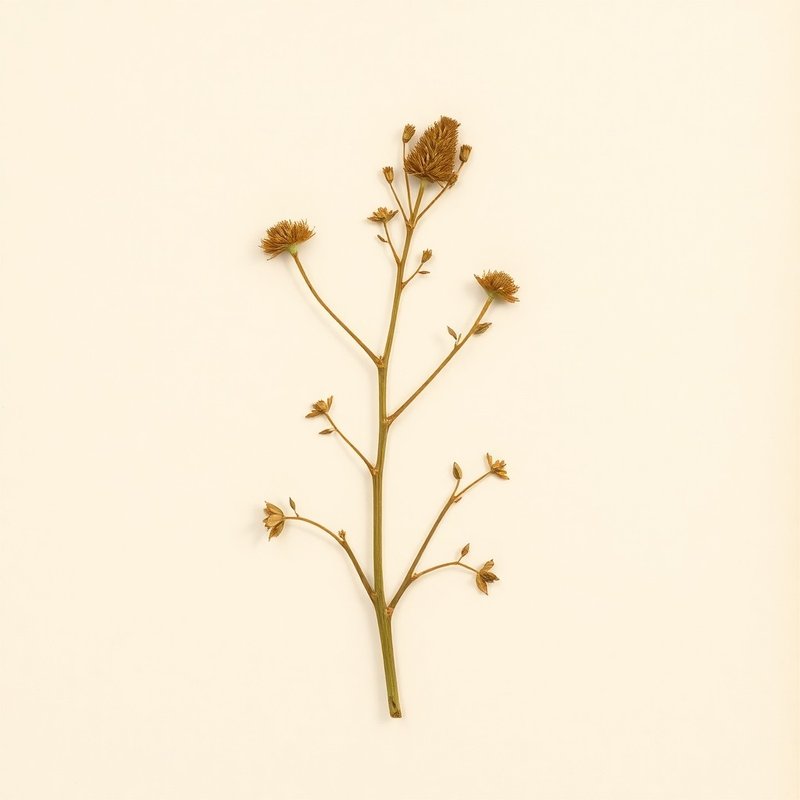
Pl. 2B42 — Sicyos angulatus
Sicyos angulatusSicyos angulatusSicyos angulatusSicyos angulatusSicyos angulatusSicyos angulatusSicyos angulatusSicyos angulatusSicyos angulatusSicyos angulatusSicyos angulatusSicyos angulatusSicyos angulatusSicyos angulatus
IOverview
Overview
Bur Cucumber (Sicyos angulatus) is an annual vine native to the northeastern and central United States, ranging from Alabama to Wisconsin. This plant thrives in full sun and prefers moist, well-drained soil types, including sandy, medium, and clay soils, making it adaptable to various growing conditions. It is hardy in USDA hardiness zones 8-11 and can grow up to 8 meters tall, making it a notable presence in gardens or natural settings. The Bur Cucumber's fruit and leaves are edible, with the fruit being consumed raw or cooked and the leaves being best used fresh in salads or as a cooked vegetable. Both parts of the plant can also be dried for later use, adding versatility to its culinary applications. Its distinctive bur-like fruits, which attach to clothing or animal fur, aid in seed dispersal and make it a recognizable plant in its native range. This vine is native to several eastern and central U.S. states and parts of Canada, including Alabama, Arkansas, Connecticut, Illinois, Indiana, Iowa, Kansas, Kentucky, Louisiana, Maine, Maryland, Massachusetts, Michigan, Minnesota, Mississippi, Missouri, Nebraska, New Hampshire, New Jersey, New York, North Carolina, North Dakota, Ohio, Oklahoma, Ontario, Pennsylvania, Québec, Rhode Island, South Carolina, South Dakota, Tennessee, Texas, Vermont, Virginia, West Virginia, and Wisconsin. It has also been introduced to various regions in Europe, Asia, and North America, including Austria, Bulgaria, China, Czechoslovakia, Finland, France, Germany, Greece, Hungary, Italy, Japan, Korea, New Zealand, Poland, Portugal, Romania, Sicilia, Spain, Taiwan, Ukraine, and Yugoslavia. While Bur Cucumber is an attractive ornamental plant, gardeners should be cautious of its potential as a weed, as it can spread rapidly.
Quick answers
What is Bur Cucumber?
Bur Cucumber (Sicyos angulatus) is an annual vine native to the northeastern and central United States, ranging from Alabama to Wisconsin. This plant thrives in full sun and prefers moist, well-drained soil types, including sandy, medium, and clay soils, making it adaptable to various growing conditions.
Growingconditions · propagation · uses
VCultivation
Cultivation
Bur Cucumber thrives in full sun and prefers moist soil that can be light (sandy), medium, or heavy (clay). It is an annual vine that can grow up to 8 meters tall, making it a vigorous climber. Hardy in zones 8-11, this plant is native to several eastern and central U.S. states and parts of Canada. For propagation, seeds can be sown directly in the garden once the soil has warmed in spring. Ensure the soil is well-draining but consistently moist for best growth. Harvest the edible fruit and leaves throughout the season.
Light
Full sun
Water
Moist
Soil
Light (sandy), Medium, Heavy (clay)
Hardiness
8-11
Life cycle
Annual
Habit
Forb/herb, Vine
Mature size
8.0 m tall
For first-time growers
How to grow Bur Cucumber for the first time
8steps
Start with Bur Cucumber as a simple, low-maintenance vine for your garden.
- 1
What you'll need
Seeds or seedlings, a trellis or support structure.
- 2
Best time to plant
Plant in spring after the last frost, when soil is warm.
- 3
Soil and container prep
Choose a location with full sun. Prepare loose, well-draining soil.
- 4
Sowing or transplanting
Direct sow seeds 1-2 cm deep in rows 30 cm apart. Transplant seedlings when they have two true leaves.
- 5
First two weeks
Water regularly to keep the soil moist but not waterlogged.
- 6
Ongoing care
Provide a trellis for support as vines grow. Water weekly, especially during dry spells.
- 7
Harvest or pruning
Prune occasionally to encourage more fruiting and maintain plant shape.
- 8
Common mistakes
Overwatering, not providing enough support, neglecting to prune.
VIEdible & utility
Edible & utility
Edible parts:FruitLeaves
Edible uses: The Bur Cucumber's fruit and leaves are edible. The fruit can be eaten raw or cooked, while the leaves are best used fresh in salads or as a cooked vegetable. Both parts of the plant can also be dried for later use.
Contextrange · companions · related
VIIDistribution
37 native · 23 introduced
Distribution
37 native · 23 introducedDistribution across2 continents· 37 native· 23 introduced
Europe14 regions
introduced (14)AustriaBulgariaFinlandFranceGermanyGreeceHungaryItalyPolandPortugalRomaniaRussiaSpainUkraine
Asia4 regions
introduced (4)ChinaJapanSouth KoreaTaiwan
Broader regions
native:Alabama, Arkansas, Connecticut, Illinois, Indiana, Iowa, Kansas, Kentucky, Louisiana, Maine, Maryland, Masachusettes, Massachusetts, Michigan, Minnesota, Mississippi, Missouri, Nebraska, New Hampshire, New Jersey, New York, North Carolina, North Dakota, Ohio, Oklahoma, Ontario, Pennsylvania, Québec, Rhode I., South Carolina, South Dakota, Tennessee, Texas, Vermont, Virginia, West Virginia, Wisconsin
introduced:Czechoslovakia, Kermadec Is., New Zealand North, Yugoslavia
IXSpecimen gallery
1 image
Specimen gallery
1 imageXI
Explore further
Companion planting
Growing zone
Native to
XII
About this entry
- Last updated
- Citation
- How to cite this entry · Submit a correction
Back to the cataloguePlant id · 2b426a1f-c97f-4410-bf2f-f855db6c7bc9
Decision aid
Choosing between Bur Cucumber and something else?
Continue reading
❦❦❦❦
Endpaper · archive updates
Get archive updates
Occasional email when substantial new content lands — plant profiles, seasonal growing notes, folk-remedy additions. Free, no tracking, unsubscribe anytime.
Newsletter returning soon.
We are rebuilding the update list around a lightweight editorial workflow. New dispatches will resume after the next content review cycle.