
London Rocket
Sisymbrium iriofam. Brassicaceae
Educational content — not medical, botanical, or professional advice. Plant identification, safety, and edibility depend on local conditions, cultivars, and correct identification. Consult a qualified botanist or forager before consuming or handling wild specimens. How we source & review →
Garden journal pausedUse profile notes below
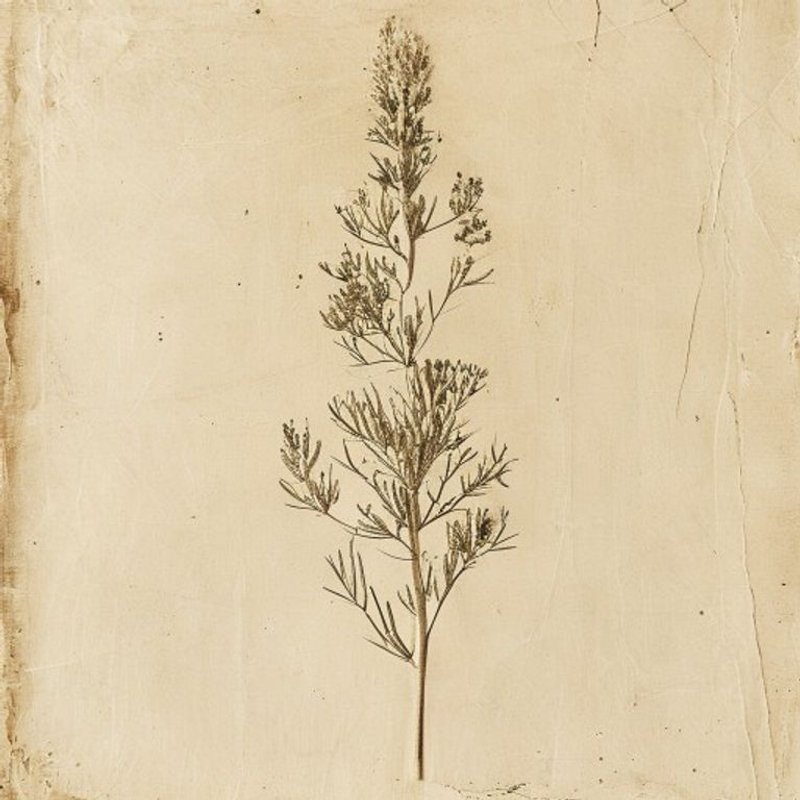
Pl. 6809 — Sisymbrium irio
Sisymbrium irioSisymbrium irioSisymbrium irioSisymbrium irioSisymbrium irioSisymbrium irioSisymbrium irioSisymbrium irioSisymbrium irioSisymbrium irioSisymbrium irioSisymbrium irioSisymbrium irioSisymbrium irio
IOverview
Overview
London Rocket (Sisymbrium irio), a member of the Brassicaceae family, is an annual forb or herb that thrives in a wide range of habitats across Europe, Asia, and North Africa. Native to regions such as Afghanistan, Algeria, Bulgaria, and Cyprus, it has spread to many other areas due to its adaptability. This plant is commonly found in light (sandy), medium, and heavy (clay) soils with a pH of 7–7.5, making it versatile in terms of soil type and pH. London Rocket is known for its edible parts, including its flowers, leaves, and seeds, and can be found growing in dry to moist environments. This plant is distinguished by its airy, light growth habit, which makes it a notable presence wherever it grows. London Rocket can be cultivated in gardens and is often used in culinary applications. It is hardy in temperate regions and can be propagated by sowing seeds directly into the garden bed after the last frost. While it is generally safe to consume, caution should be exercised to avoid confusion with other, potentially toxic, plants.
Quick answers
What is London Rocket?
London Rocket (Sisymbrium irio), a member of the Brassicaceae family, is an annual forb or herb that thrives in a wide range of habitats across Europe, Asia, and North Africa. Native to regions such as Afghanistan, Algeria, Bulgaria, and Cyprus, it has spread to many other areas due to its adaptability.
Growingconditions · propagation · uses
VCultivation
Cultivation
London Rocket thrives in light to medium soil that is well-draining and slightly alkaline (pH 7-7.5). It prefers a dry to moist environment and can grow in sandy, medium, or clay soils. This annual plant requires full sun to partial shade and should be watered regularly but not excessively. London Rocket is hardy in temperate regions and can be propagated by sowing seeds directly into the garden bed after all danger of frost has passed. Harvest its edible leaves, flowers, and seeds for culinary use.
Light
8/10
Water
Dry, Moist
Soil
Light (sandy), Medium, Heavy (clay)
Life cycle
Annual
Habit
Forb/herb
Mature size
0.5 m tall
Soil pH
7–7.5
For first-time growers
How to grow London Rocket for the first time
8steps
London Rocket is a straightforward annual herb for beginners, perfect for your first gardening experience.
- 1
What you'll need
Seeds or seedlings, a small trowel, and a watering can.
- 2
Best time to plant
Plant in spring after the last frost, when temperatures are mild.
- 3
Soil and container prep
Choose a spot with well-draining soil or a pot with drainage holes. Ensure the pH is between 7-7.5.
- 4
Sowing or transplanting
Direct sow seeds 0.5 meters apart, or transplant seedlings into the garden once they have two sets of true leaves.
- 5
First two weeks
Water regularly to keep the soil moist but not waterlogged. Monitor for pests and diseases.
- 6
Ongoing care
Continue regular watering, especially during dry spells. Pinch back flowers to encourage leaf growth.
- 7
Harvest or pruning
Prune regularly to maintain the plant's size and promote new growth. Harvest leaves and flowers as needed.
- 8
Common mistakes
Overwatering, planting in heavy clay soil, neglecting regular pruning, not providing enough sunlight, and failing to pinch back flowers.
VIEdible & utility
Edible & utility
Edible parts:FlowersLeavesSeed
Edible uses: Drink
Contextrange · companions · related
VIIDistribution
53 native · 49 introduced
Distribution
53 native · 49 introducedDistribution across4 continents· 53 native· 49 introduced
Europe16 regions
native (10)BulgariaCyprusFranceGreeceHungaryItalyPortugalRomaniaSpainSwitzerland
introduced (6)AustriaIrelandNetherlandsRussiaUkraineUnited Kingdom
Asia17 regions
native (14)AfghanistanChinaIranIraqKuwaitNepalOmanPakistanPalestineSaudi ArabiaTurkeyTurkmenistanUzbekistanYemen
introduced (3)IndiaJapanTaiwan
Americas4 regions
introduced (4)BoliviaColombiaUnited StatesUruguay
Africa10 regions
native (10)AlgeriaEgyptEritreaLibyaMauritaniaMoroccoNigerSomaliaSudanTunisia
Broader regions
native:Czechoslovakia, East Aegean Is., Gulf States, Kirgizstan, Kriti, Lebanon-Syria, Sinai, Tadzhikistan, Transcaucasus, Turkey-in-Europe, West Himalaya, Yugoslavia
introduced:Argentina Northeast, Argentina Northwest, Argentina South, Arizona, Baltic States, California, Cape Provinces, Chile Central, Colorado, Connecticut, Florida, Idaho, Masachusettes, Massachusetts, Mexican Pacific Is., Mexico Northeast, Mexico Northwest, Michigan, Nansei-shoto, Nevada, New Mexico, New South Wales, New York, Northern Territory, Ohio, Oregon, Pennsylvania, Queensland, South Australia, Tasmania, Texas, Utah, Victoria, Western Australia, Wyoming
IXSpecimen gallery
1 image
Specimen gallery
1 imageXSee also
8 related
See also
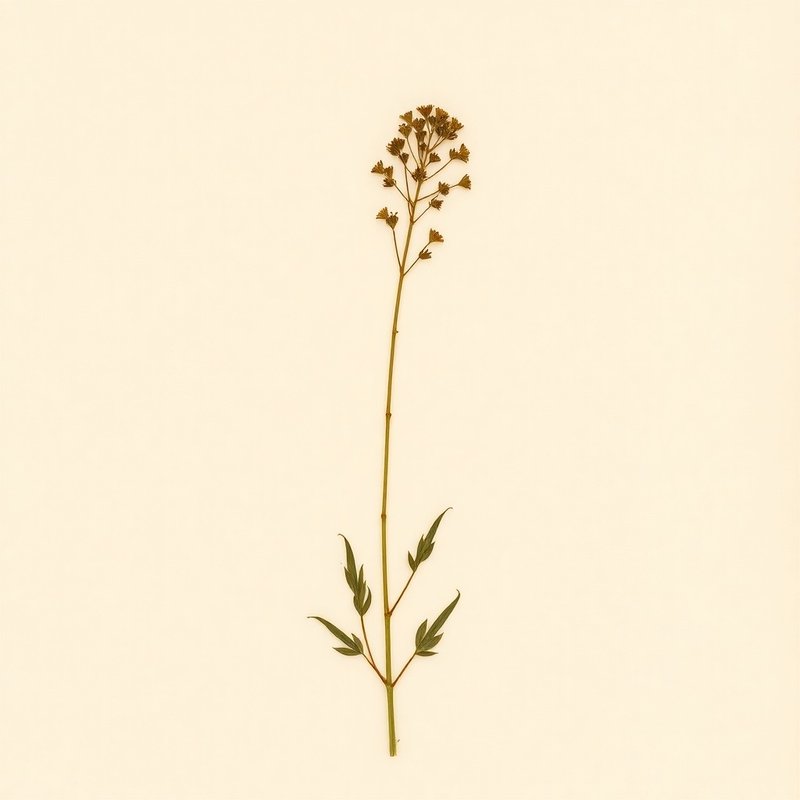
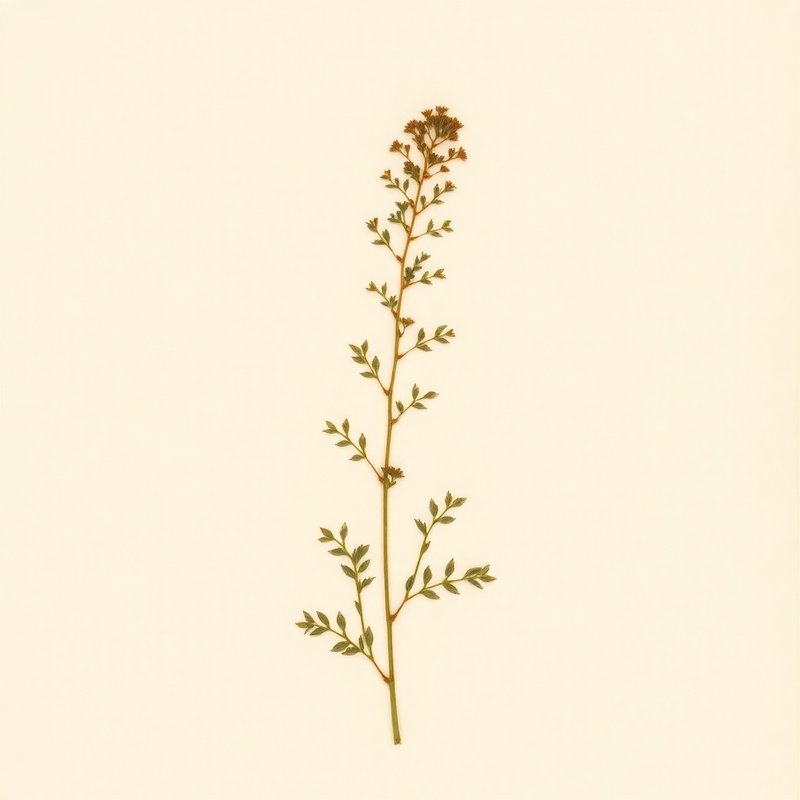
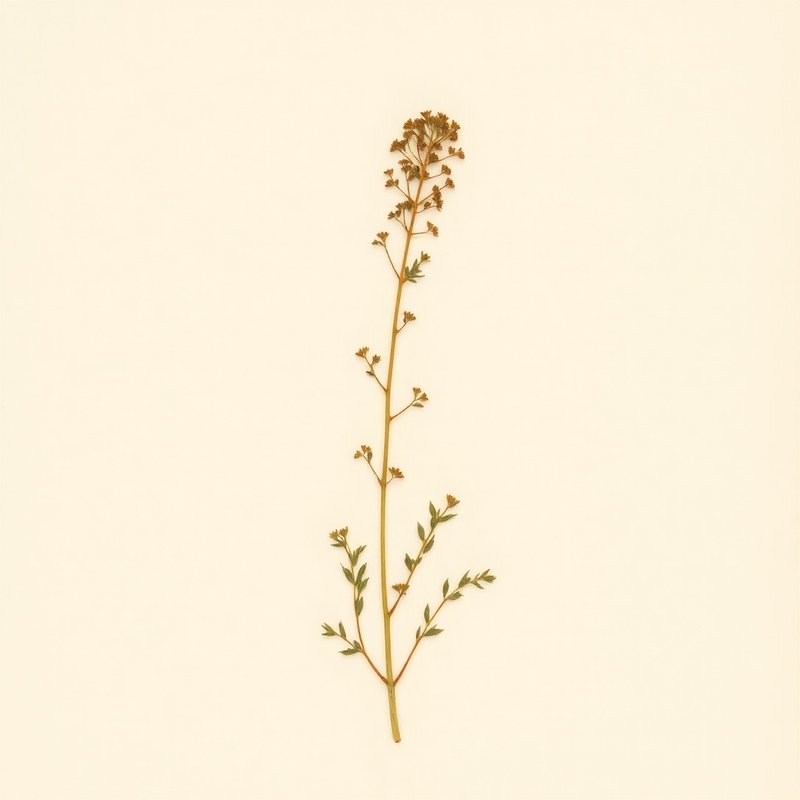
8 relatedPlants you might compare or use together — scored by shared family (Brassicaceae), common use cases, and growing requirements.
same family · Brassicaceae
Botanical relatives — often share phytochemistry + growing needs.

XI
Explore further
Companion planting
Compare with similar plants
Native to
XII
About this entry
- Last updated
- Citation
- How to cite this entry · Submit a correction
Back to the cataloguePlant id · 68090578-f76d-48bc-8c84-1de0f96e122b
Decision aid
Choosing between London Rocket and something else?
Continue reading
❦❦❦❦
Endpaper · archive updates
Get archive updates
Occasional email when substantial new content lands — plant profiles, seasonal growing notes, folk-remedy additions. Free, no tracking, unsubscribe anytime.
Newsletter returning soon.
We are rebuilding the update list around a lightweight editorial workflow. New dispatches will resume after the next content review cycle.