
Smilax bona-nox
Smilax bona-nox
Educational content — not medical, botanical, or professional advice. Always consult a qualified clinician before using any herbal preparation — especially during pregnancy, breastfeeding, while on medication, or for children. How we source & review →
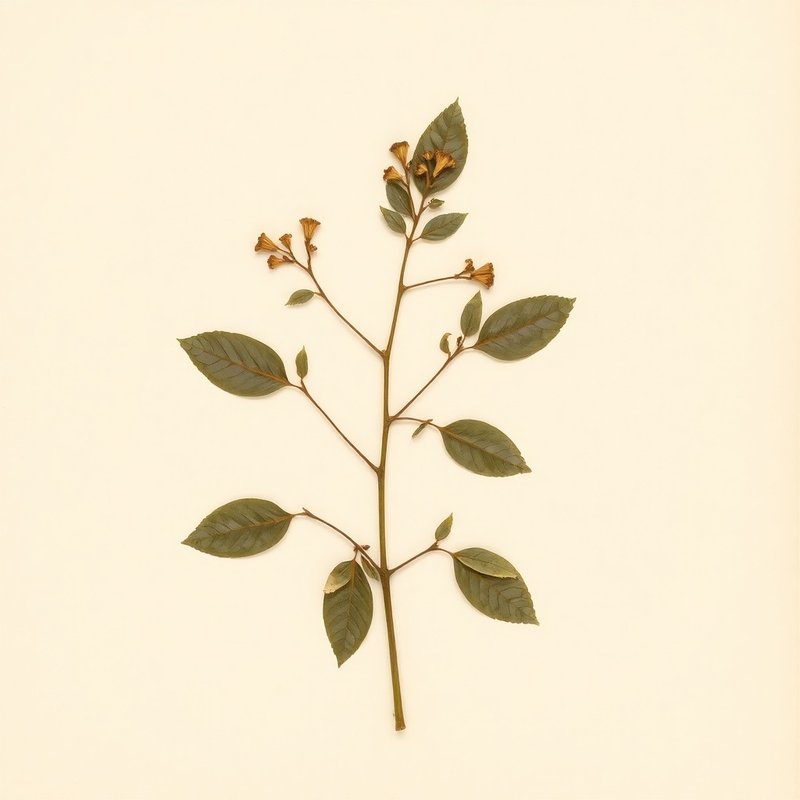
Pl. F96C — Smilax bona-nox
Smilax bona-noxSmilax bona-noxSmilax bona-noxSmilax bona-noxSmilax bona-noxSmilax bona-noxSmilax bona-noxSmilax bona-noxSmilax bona-noxSmilax bona-noxSmilax bona-noxSmilax bona-noxSmilax bona-noxSmilax bona-nox
IOverview
Overview
Smilax bona-nox, commonly known as the Allegheny or Virginia catbrier, is a deciduous, climbing vine native to the southeastern United States and parts of Mexico. This plant thrives in moist environments with partial sun to full shade and can be found across a wide range including Alabama, Arkansas, Florida, Georgia, Illinois, and more. Known for its edible properties, S. bona-nox produces fruits that are safe for human consumption, along with being useful as an ornamental due to its climbing nature. One distinctive feature of this vine is its ability to grow up to 6 meters in height, making it a notable presence in the landscape.
Quick answers
What is Smilax bona-nox?
Smilax bona-nox, commonly known as the Allegheny or Virginia catbrier, is a deciduous, climbing vine native to the southeastern United States and parts of Mexico.
What is Smilax bona-nox used for?
Traditionally used for digestion, immune support. Each claim is evidence-rated — see Section II for full citations.
Best for
Top 2 evidence-ranked uses of Smilax bona-nox
Clinicaluses · safety · chemistry · dosagemedicinal profile
IIBenefits & evidence
2 claims · 0 sources
Benefits & evidence
2 claims · 0 sources- Smilax has a long history of use in traditional medicine for digestive issues, often consumed as a tea or decoction. It may help soothe the gastrointestinal tract and promote healthy digestion.
The mechanism is not fully characterised but may involve compounds like steroidal saponins that have been shown to interact with gut motility and inflammation in related species.
- Smilax species have been traditionally used in Native American medicine to support immune health, often prepared as a decoction. This preparation may help bolster the body's defenses against common ailments.
The mechanism by which Smilax supports immunity is not fully characterised but may involve compounds like sarsasapogenin and diosgenin that have been shown to modulate immune responses in related species.
Growingconditions · propagation · uses
VCultivation
Cultivation
Smilax bona-nox thrives in full to partial sun and prefers moist soil that is light (sandy), medium, or heavy (clay). It can grow up to 6 meters tall and is hardy in temperate regions. For propagation, use shoots, stems, roots, or fruit. Ensure the soil remains consistently moist for best results.
Light
Full sun, Partial sun/shade
Water
Moist
Soil
Light (sandy), Medium, Heavy (clay)
Mature size
6.0 m tall
For first-time growers
How to grow Smilax bona-nox for the first time
8steps
Start with basic care and observe the plant's needs as it grows.
- 1
What you'll need
A young Smilax bona-nox plant, a pot or garden bed, good quality soil, water.
- 2
Best time to plant
Plant in spring when the weather starts warming up.
- 3
Soil and container prep
Use well-draining soil with a mix of light (sandy), medium, or heavy clay. Ensure containers have drainage holes.
- 4
Sowing or transplanting
Transplant young plants from a nursery pot to your garden bed or larger container.
- 5
First two weeks
Water regularly to keep the soil moist but not waterlogged. Place in partial sun to avoid direct sunlight.
- 6
Ongoing care
Provide consistent moisture, especially during dry spells. Keep it in a partially shaded area to prevent scorching.
- 7
Harvest or pruning
Prune back any dead or overgrown stems to encourage new growth and maintain shape.
- 8
Common mistakes
Overwatering, planting in full sun, neglecting to prune regularly, using the wrong soil type.
VIEdible & utility
Edible & utility
Edible parts:FruitRootShootsStem
Edible uses: Gelatine
Contextrange · companions · related
VIIDistribution
29 native · 0 introduced
Distribution
29 native · 0 introducedDistribution across2 continents· 29 native
Asia1 region
native (1)Georgia
Americas2 regions
native (2)Dominican RepublicHaiti
Broader regions
native:Alabama, Arkansas, Bermuda, Delaware, District of Columbia, Florida, Illinois, Indiana, Kansas, Kentucky, Louisiana, Maryland, Mexico Central, Mexico Gulf, Mexico Northeast, Mexico Southeast, Mexico Southwest, Mississippi, Missouri, North Carolina, Ohio, Oklahoma, South Carolina, Tennessee, Texas, Virginia
IXSpecimen gallery
1 image
Specimen gallery
1 imageXSee also
8 related
See also
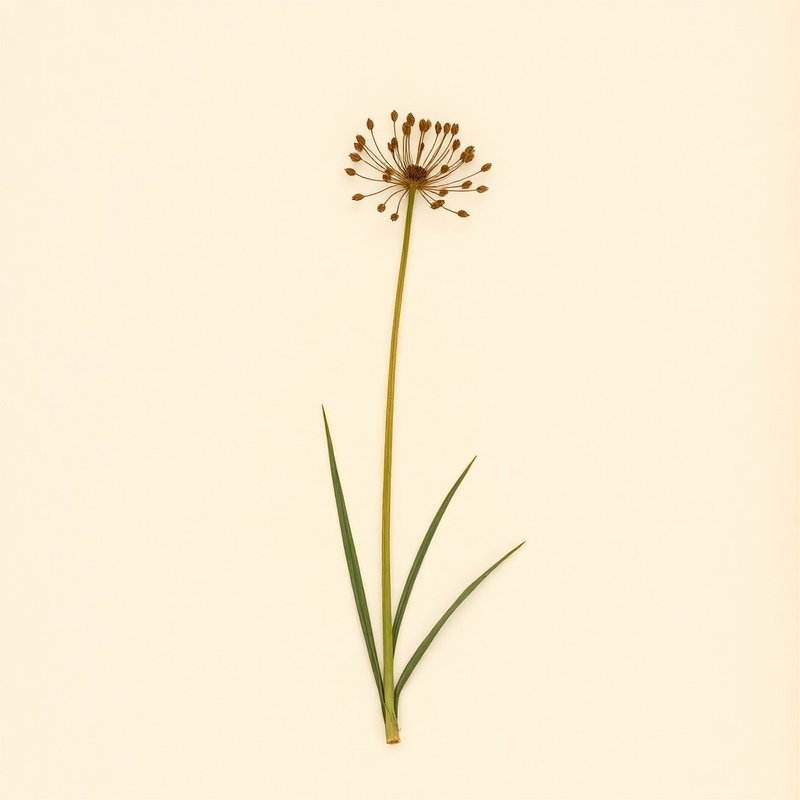
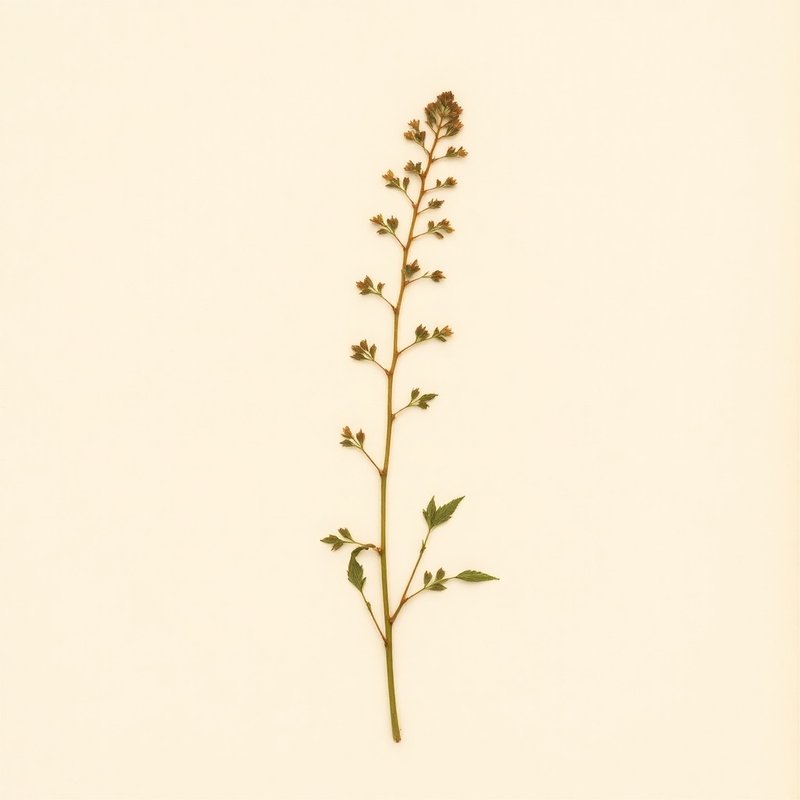
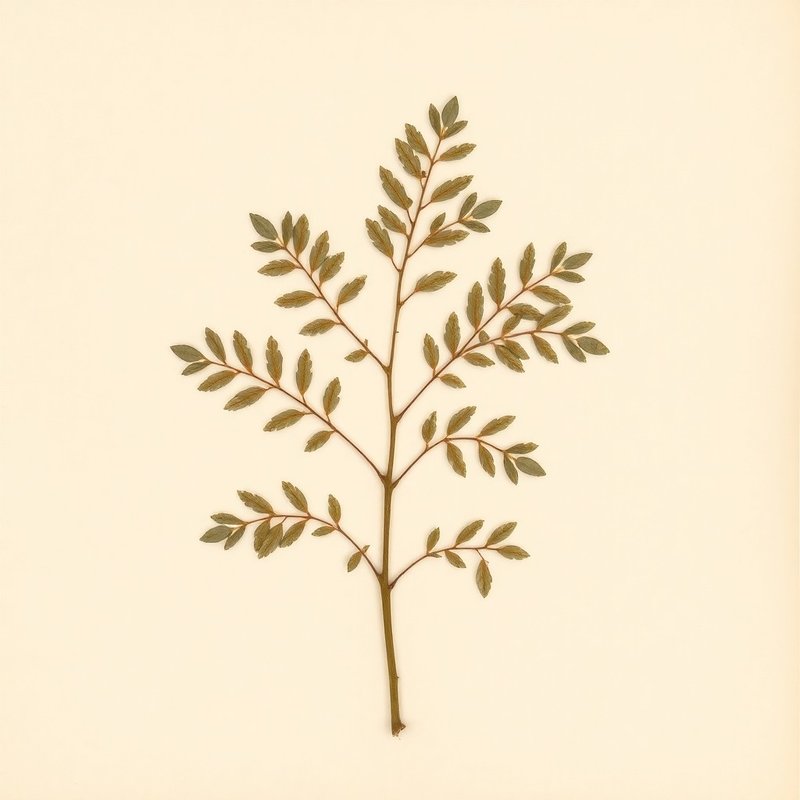
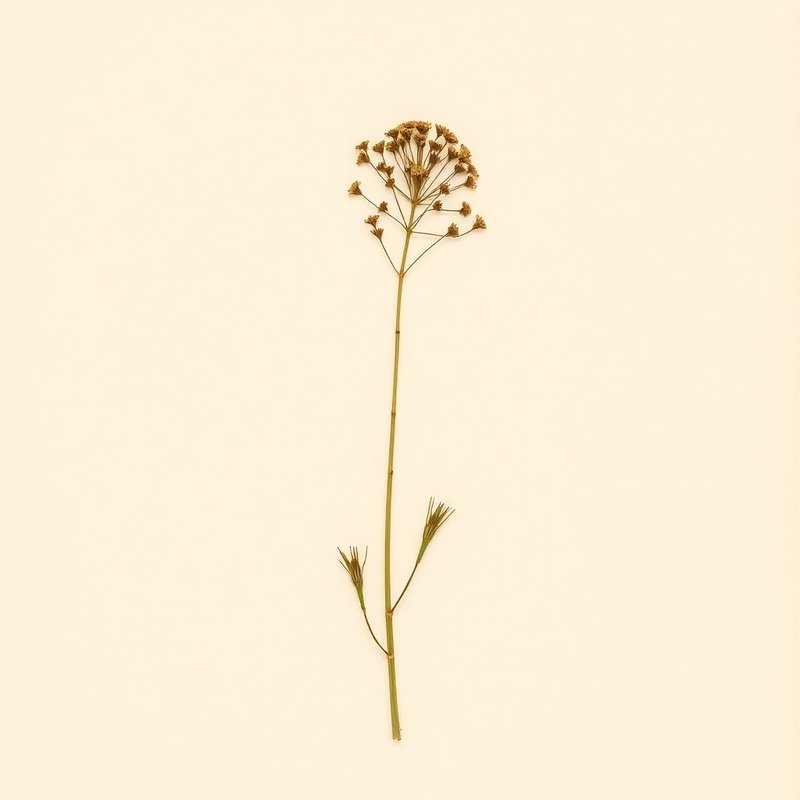
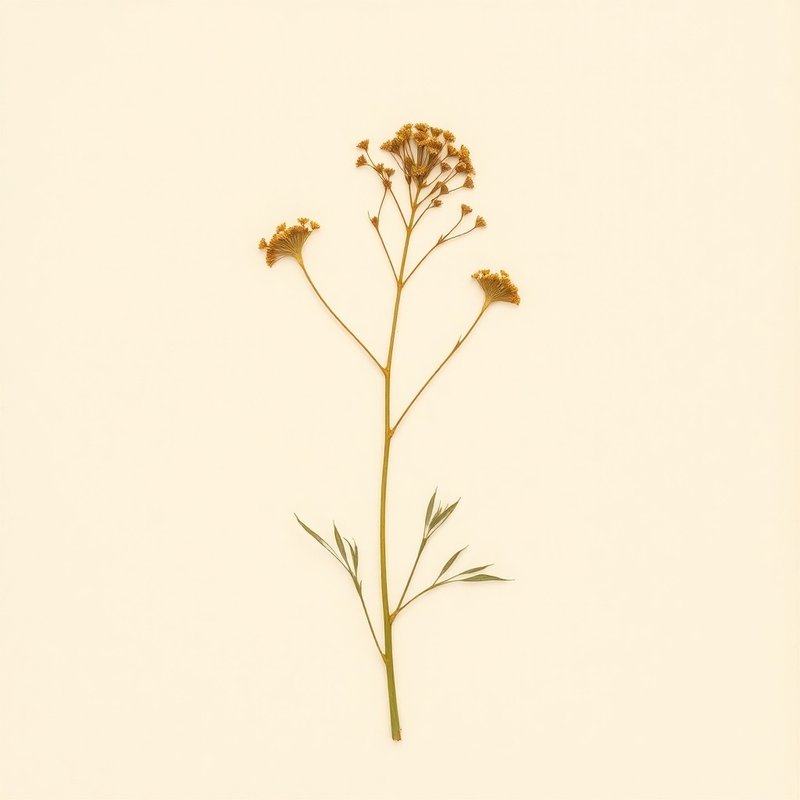
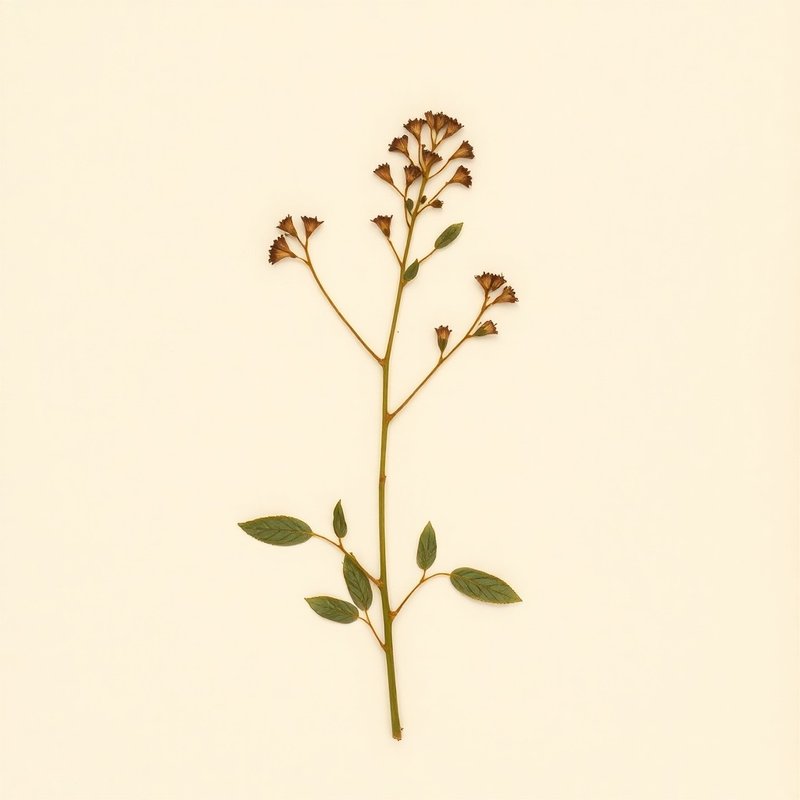
8 relatedPlants you might compare or use together — scored by shared family, common use cases, and growing requirements.
shared use cases
Different families, similar therapeutic role — good for comparing.

XI
Explore further
Companion planting
Health goals
Compare with similar plants
XII
About this entry
- Last updated
- Citation
- How to cite this entry · Submit a correction
Back to the cataloguePlant id · f96c52dd-3605-4f83-a46e-05d22ec9626d
Decision aid
Choosing between Smilax bona-nox and something else?
Continue reading
❦❦❦❦
Endpaper · archive updates
Get archive updates
Occasional email when substantial new content lands — plant profiles, seasonal growing notes, folk-remedy additions. Free, no tracking, unsubscribe anytime.