
Smyrnium olusatrum
Smyrnium olusatrum
Educational content — not medical, botanical, or professional advice. Plant identification, safety, and edibility depend on local conditions, cultivars, and correct identification. Consult a qualified botanist or forager before consuming or handling wild specimens. How we source & review →
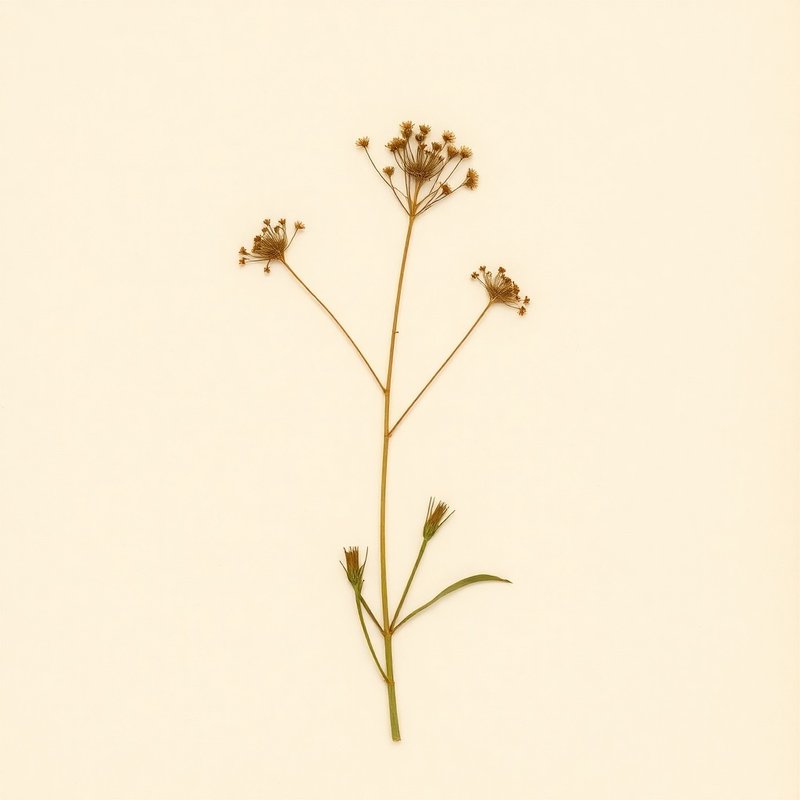
Pl. E300 — Smyrnium olusatrum
Smyrnium olusatrumSmyrnium olusatrumSmyrnium olusatrumSmyrnium olusatrumSmyrnium olusatrumSmyrnium olusatrumSmyrnium olusatrumSmyrnium olusatrumSmyrnium olusatrumSmyrnium olusatrumSmyrnium olusatrumSmyrnium olusatrumSmyrnium olusatrumSmyrnium olusatrum
IOverview
Overview
Smyrnium olusatrum, commonly known as fat hen or goosefoot, is a biennial plant native to the Mediterranean region and parts of Africa, including Algeria, Chad, and Libya. It thrives in moist, light (sandy), medium, and heavy (clay) soils with a pH between 7 and 7.5, making it adaptable to various growing conditions. This plant is known for its edible qualities, as its leaves, flowers, shoots, stems, and roots can be consumed. Found across Albania, Algeria, Azores, Baleares, Canary Islands, Cyprus, France, Greece, Italy, Lebanon-Syria, Morocco, Portugal, Spain, Tunisia, Turkey, and Yugoslavia, Smyrnium olusatrum is recognized by its distinctive triangular leaves and tall stature, reaching up to 1.2 meters in height.
Quick answers
What is Smyrnium olusatrum?
Smyrnium olusatrum, commonly known as fat hen or goosefoot, is a biennial plant native to the Mediterranean region and parts of Africa, including Algeria, Chad, and Libya. It thrives in moist, light (sandy), medium, and heavy (clay) soils with a pH between 7 and 7.
Growingconditions · propagation · uses
VCultivation
Cultivation
Smyrnium olusatrum thrives in light to medium soil with a pH of 7-7.5 and prefers moist conditions. It can grow up to 1.2 meters tall and is hardy in temperate regions from zones 5-9. This biennial plant requires full sun or partial shade and can be propagated by seed, which should be sown directly into the garden bed after the last frost. Harvest edible parts such as flowers, leaves, roots, shoots, and stems throughout the growing season.
Light
7/10
Water
Moist
Soil
Light (sandy), Medium, Heavy (clay)
Hardiness
5-9
Life cycle
Biennial
Mature size
1.2 m tall
Soil pH
7–7.5
Seasonal calendar
Northern hemisphere · UTC month is September
winterspringsummerautumnwinter
BloomJFMAMJJASOND
For first-time growers
How to grow Smyrnium olusatrum for the first time
8steps
Start with planting Smyrnium olusatrum in a beginner-friendly manner, focusing on basic soil and care.
- 1
What you'll need
A small garden plot or large container, seeds or young plants, good quality potting mix.
- 2
Best time to plant
Plant in early spring or late summer for best results.
- 3
Soil and container prep
Use well-draining soil with a pH of 7-7.5. Ensure containers have drainage holes.
- 4
Sowing or transplanting
Direct sow seeds in the garden after danger of frost is past, or start indoors 4 weeks before planting out.
- 5
First two weeks
Keep soil consistently moist and provide light shade to prevent sunburn.
- 6
Ongoing care
Water regularly, especially during dry spells. Mulch around the base for moisture retention.
- 7
Harvest or pruning
Prune back after flowering to encourage new growth and maintain plant shape.
- 8
Common mistakes
Overwatering, planting in heavy clay soil, neglecting to mulch, not providing enough light.
VIEdible & utility
Edible & utility
Edible parts:FlowersLeavesRootShootsStem
Edible uses: Condiment
Other uses:Fragrance
Contextrange · companions · related
VIIDistribution
26 native · 4 introduced
Distribution
26 native · 4 introducedDistribution across3 continents· 26 native· 4 introduced
Europe9 regions
native (7)AlbaniaCyprusFranceGreeceItalyPortugalSpain
introduced (2)IrelandUnited Kingdom
Asia2 regions
native (2)PalestineTurkey
Africa5 regions
native (5)AlgeriaChadLibyaMoroccoTunisia
Broader regions
native:Turkey-in-Europe, Yugoslavia, East Aegean Is., Kriti, Lebanon-Syria
introduced:New Zealand North, Bermuda
IXSpecimen gallery
1 image
Specimen gallery
1 imageXI
Explore further
Companion planting
Growing zone
XII
About this entry
- Last updated
- Citation
- How to cite this entry · Submit a correction
Back to the cataloguePlant id · e3004f8e-0230-4942-87e3-f961440ac8dd
Decision aid
Choosing between Smyrnium olusatrum and something else?
Continue reading
❦❦❦❦
Endpaper · archive updates
Get archive updates
Occasional email when substantial new content lands — plant profiles, seasonal growing notes, folk-remedy additions. Free, no tracking, unsubscribe anytime.