
Solanum aviculare
IOverview
Overview
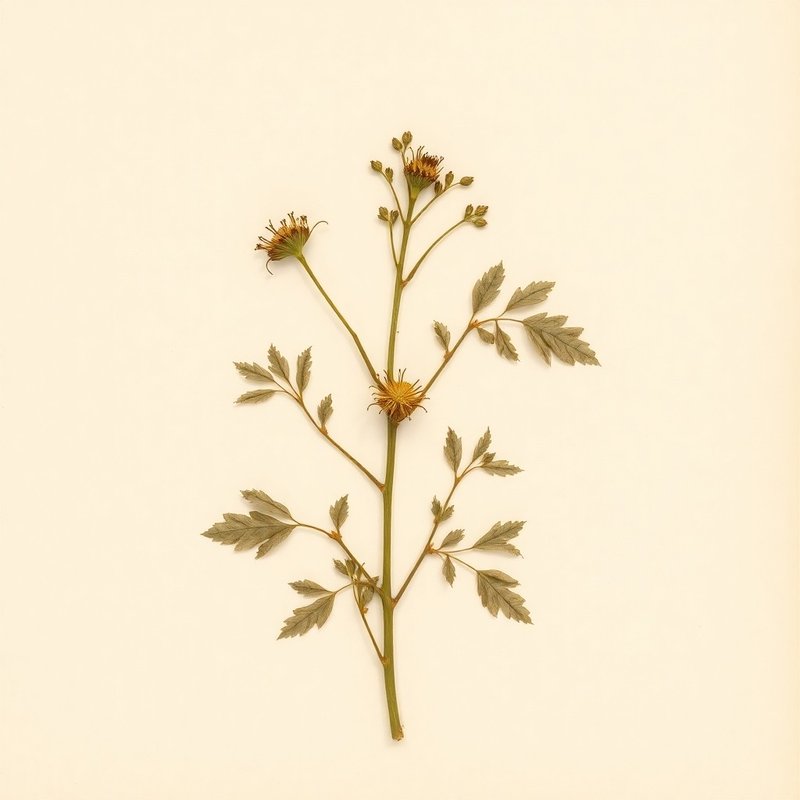
Solanum aviculare, commonly known as the groundcherry or African groundcherry, is a subshrub to shrub native to the Chatham Islands, Kermadec Islands, New Zealand North and South Islands, Norfolk Island, and the east coast of Australia. This plant thrives in full sun with moist soil that can be light (sandy), medium, or heavy (clay). It is hardy in zones 8-11 and grows to a height of about 1.8 meters. Solanum aviculare has both edible and medicinal uses; its fruit is often consumed, while various parts of the plant have been used for traditional remedies. The fruit can be eaten raw or cooked and complements other ingredients well in dishes. The plant's adaptability to diverse soil types makes it a versatile addition to gardens in its native range. While the fruit is edible, caution should be exercised when using any part of the plant for medicinal purposes, as the safety and efficacy of such uses have not been scientifically validated. The plant has been introduced into California, Hawaii, New Caledonia, New South Wales, North Caucasus, Oregon, Queensland, South Australia, Transcaucasus, Victoria, and Western Australia, where it can be used as a hedgerow.
What is Solanum aviculare?
Solanum aviculare, commonly known as the groundcherry or African groundcherry, is a subshrub to shrub native to the Chatham Islands, Kermadec Islands, New Zealand North and South Islands, Norfolk Island, and the east coast of Australia.
IV·bMixology suggestions
2 drafts
Mixology suggestions
2 draftsVCultivation
Cultivation
How to grow Solanum aviculare for the first time
Start with Skip as a simple, low-maintenance plant for beginners.
- 1
What you'll need
Skip seeds or seedlings, a small trowel, and a watering can.
- 2
Best time to plant
Plant in spring when the soil has warmed up.
- 3
Soil and container prep
Choose a spot with full sun. Ensure the soil is well-draining and rich in organic matter.
- 4
Sowing or transplanting
Direct sow seeds 1 cm deep, spaced 30-45 cm apart. Transplant seedlings when they have two sets of true leaves.
- 5
First two weeks
Keep the soil moist and protect from strong winds. Monitor for pests like aphids.
- 6
Ongoing care
Water regularly, especially during dry spells. Fertilize every 4-6 weeks with a balanced organic fertilizer.
- 7
Harvest or pruning
Prune to maintain shape and remove dead or diseased branches. Harvest fruits when they are fully colored.
- 8
Common mistakes
Overwatering, not providing enough sunlight, neglecting regular pruning, using chemical fertilizers, and ignoring pest control.
VIEdible & utility
Edible & utility
VIIDistribution
6 native · 11 introduced
Distribution
6 native · 11 introducedIXSpecimen gallery
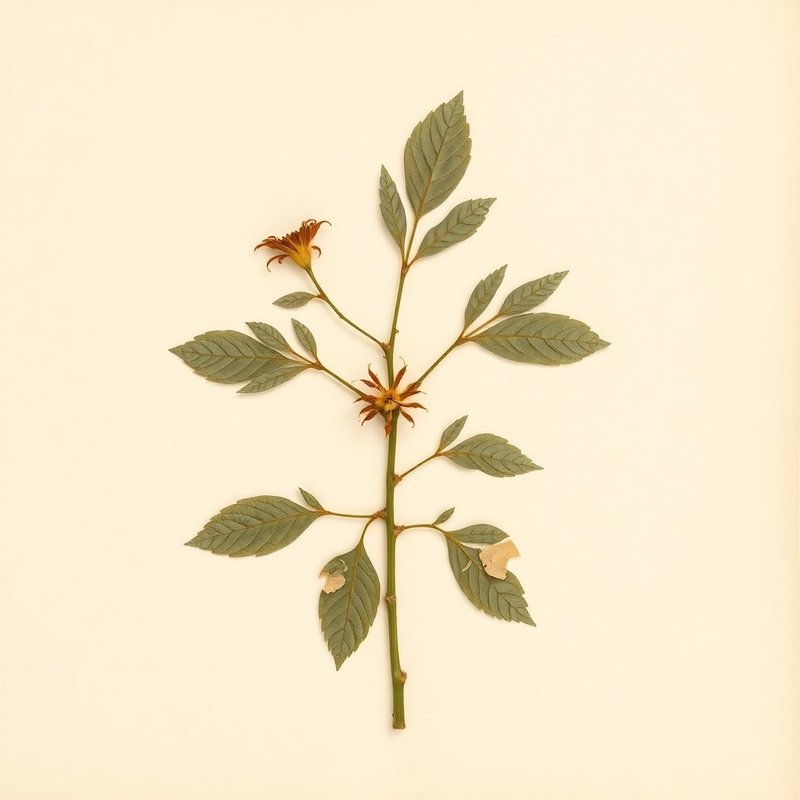
1 image
Specimen gallery
1 imageXSee also
8 related
See also
8 relatedPlants you might compare or use together — scored by shared family (Solanaceae), common use cases, and growing requirements.
Explore further
About this entry
- Last updated
- Citation
- How to cite this entry · Submit a correction
Continue reading
Get archive updates
Occasional email when substantial new content lands — plant profiles, seasonal growing notes, folk-remedy additions. Free, no tracking, unsubscribe anytime.