
Solanum piliferum
IOverview
Overview
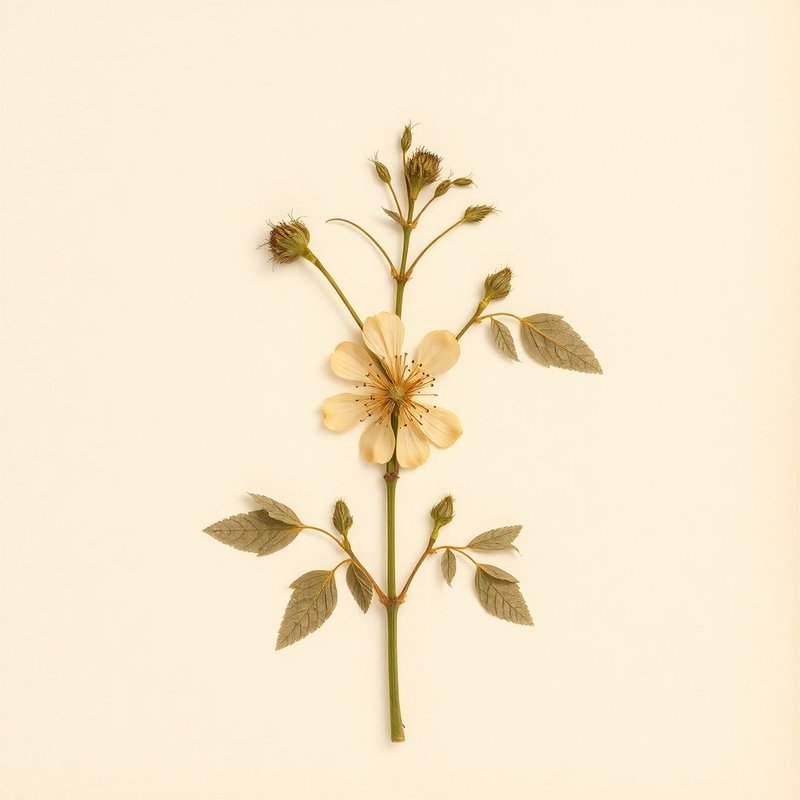
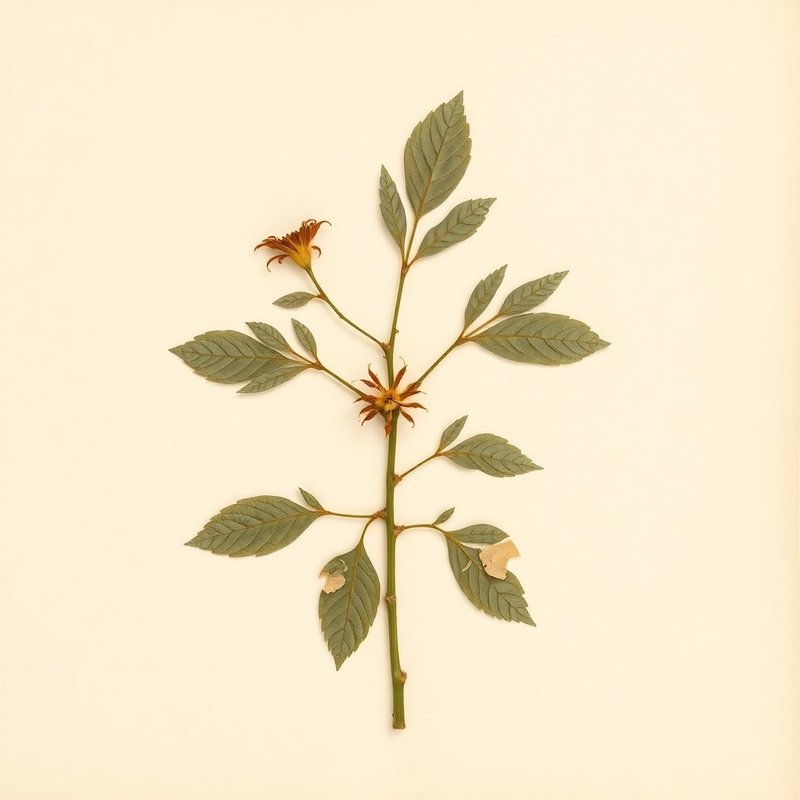
Solanum piliferum, a perennial plant belonging to the Solanaceae family, is native to the central and southwestern regions of Mexico. This spiny, leafy plant thrives in full sun and prefers moist soil that can be light (sandy), medium, or heavy (clay), making it adaptable to various garden conditions. Its distinctive appearance, with small spiny leaves and stems, adds ornamental value to gardens, enhancing both visual appeal and biodiversity. The fruit of Solanum piliferum is edible and can be eaten raw or cooked, offering a versatile ingredient in dishes where a tomato-like flavor is desired. Additionally, this plant has a history of use in traditional medicine, though its specific applications and benefits should be approached with caution. The edible parts of this plant are its fruits, which are a valuable addition to gardens seeking both ornamental appeal and culinary benefits.
What is Solanum piliferum?
Solanum piliferum, a perennial plant belonging to the Solanaceae family, is native to the central and southwestern regions of Mexico. This spiny, leafy plant thrives in full sun and prefers moist soil that can be light (sandy), medium, or heavy (clay), making it adaptable to various garden conditions.
IV·bMixology suggestions
2 drafts
Mixology suggestions
2 draftsVCultivation
Cultivation
How to grow Solanum piliferum for the first time
Start with basic care for Solanum piliferum, focusing on sunlight and watering.
- 1
What you'll need
Seeds or seedlings, a container or garden bed, potting soil if using containers.
- 2
Best time to plant
Plant in spring after the last frost when temperatures are consistently above 10°C (50°F).
- 3
Soil and container prep
Use well-draining soil with a mix of light, medium, or heavy textures. Ensure containers have drainage holes.
- 4
Sowing or transplanting
Direct sow seeds in the garden after danger of frost is past, or start indoors 4-6 weeks before planting out.
- 5
First two weeks
Keep soil moist and provide full sun. Monitor for pests and diseases, treating if necessary.
- 6
Ongoing care
Water regularly to maintain moisture levels but avoid overwatering. Provide support as needed for fruit-bearing plants.
- 7
Harvest or pruning
Prune occasionally to remove dead or diseased branches and encourage new growth. Harvest fruits when ripe.
- 8
Common mistakes
Overwatering, planting too early in the season, neglecting support for heavy fruit-bearing plants.
VIEdible & utility
Edible & utility
VIIDistribution
2 native · 0 introduced
Distribution
2 native · 0 introducedIXSpecimen gallery
1 image
Specimen gallery
1 imageXSee also
8 related
See also
8 relatedPlants you might compare or use together — scored by shared family (Solanaceae), common use cases, and growing requirements.
Explore further
About this entry
- Last updated
- Citation
- How to cite this entry · Submit a correction
Continue reading
Get archive updates
Occasional email when substantial new content lands — plant profiles, seasonal growing notes, folk-remedy additions. Free, no tracking, unsubscribe anytime.