Skip to content
IIIFolio · plant profile№ 7CD2medicinal · edible
Data provenancePermapeopleTrefleWikipediaPFAFPOWOeditorially reviewedreviewed 20 Oct 2026methodology → read
Home/Plants/Solanaceae

Solanum scabrum

Solanum scabrumfam. Solanaceae
Educational content — not medical, botanical, or professional advice. Always consult a qualified clinician before using any herbal preparation — especially during pregnancy, breastfeeding, while on medication, or for children. How we source & review →
medicinaledibleannualannualedibleedible fruitedible leaveslightmedicinalnative africa
Updated·Quick Q&A →
Garden journal pausedUse profile notes below
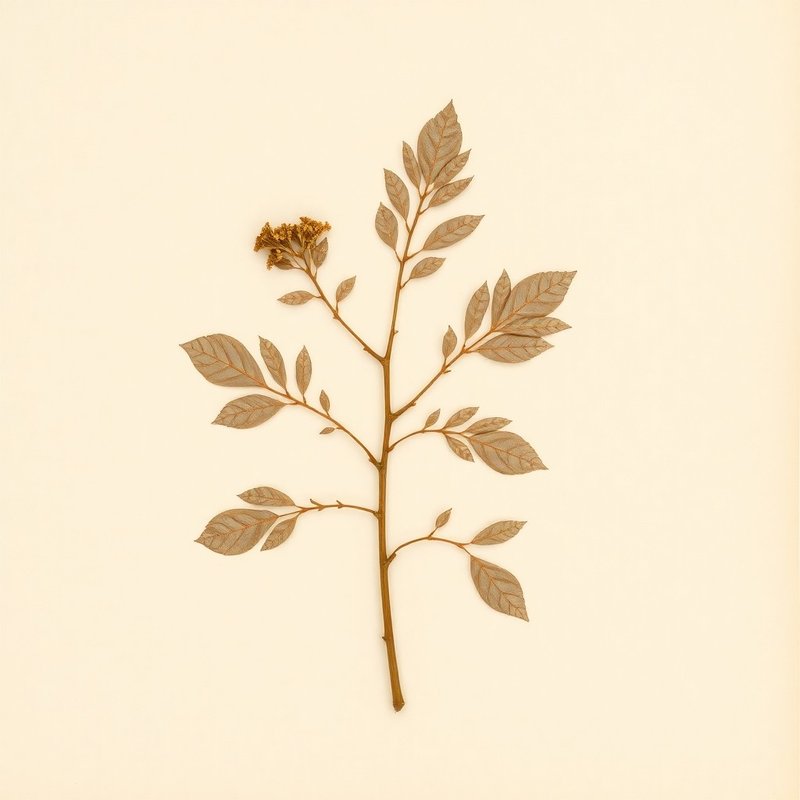
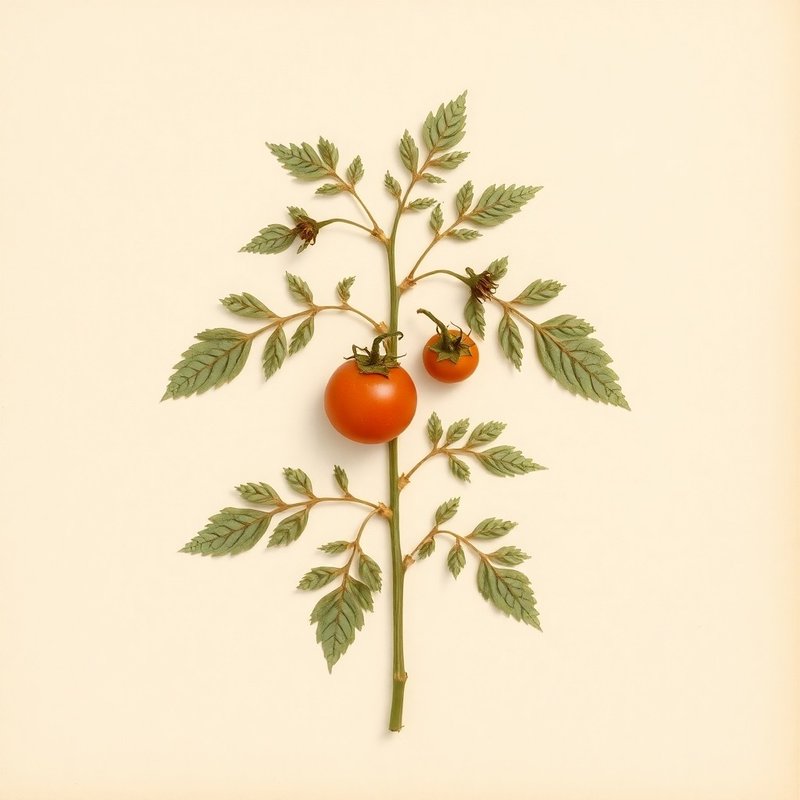
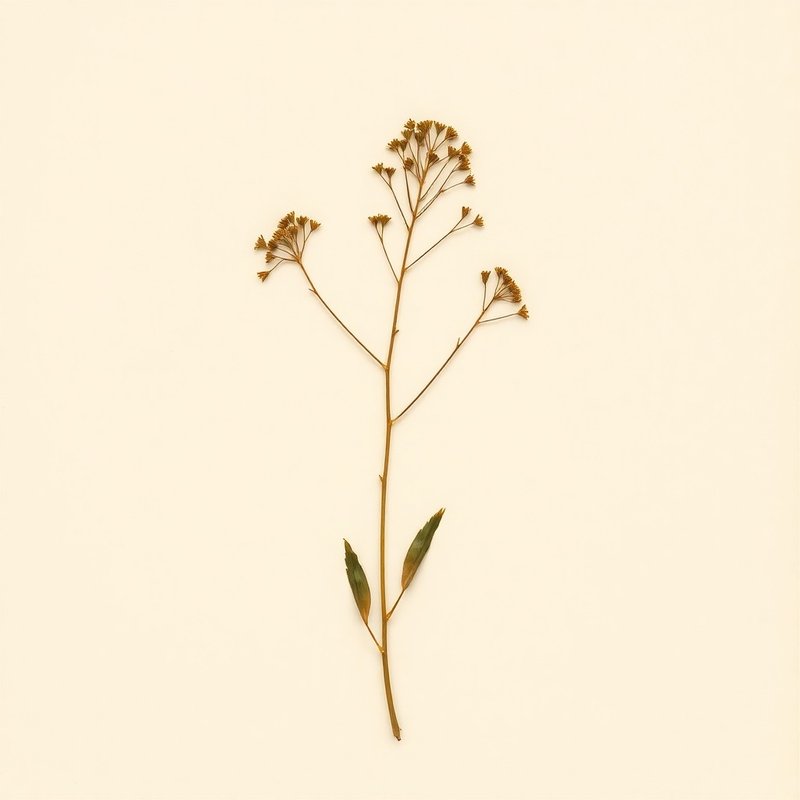
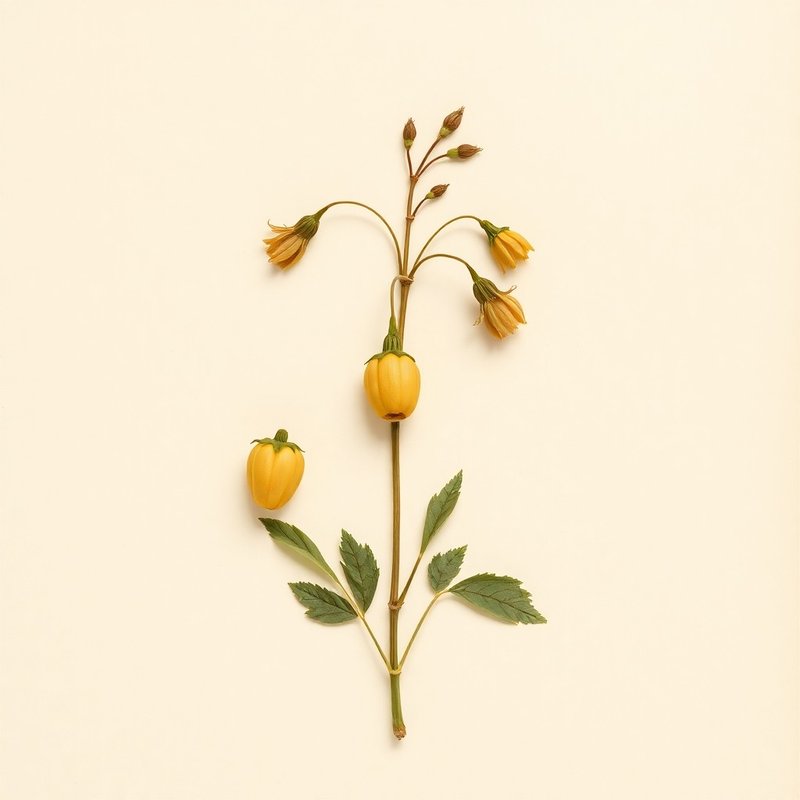
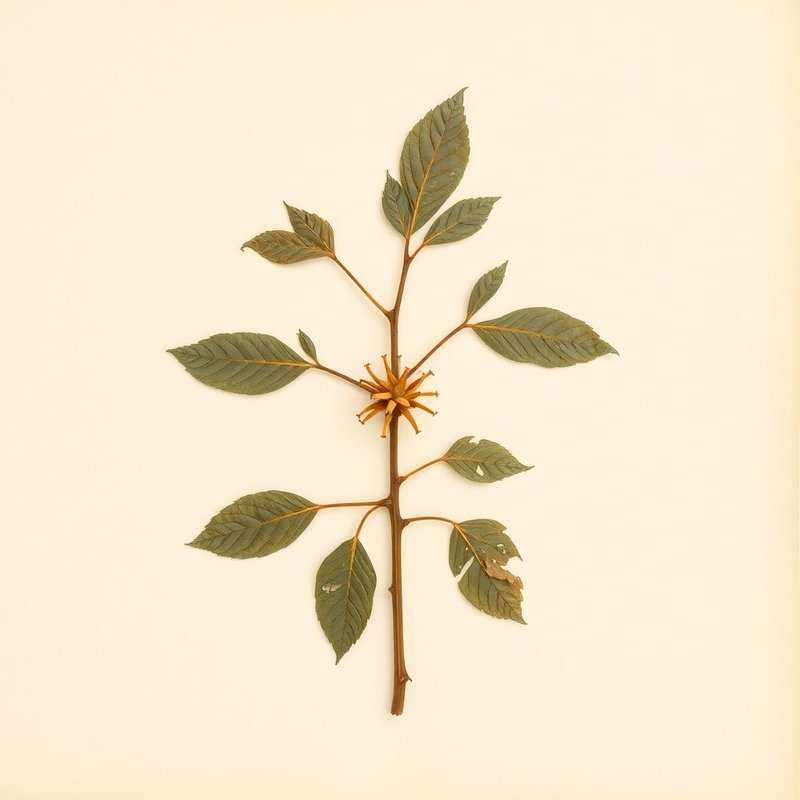
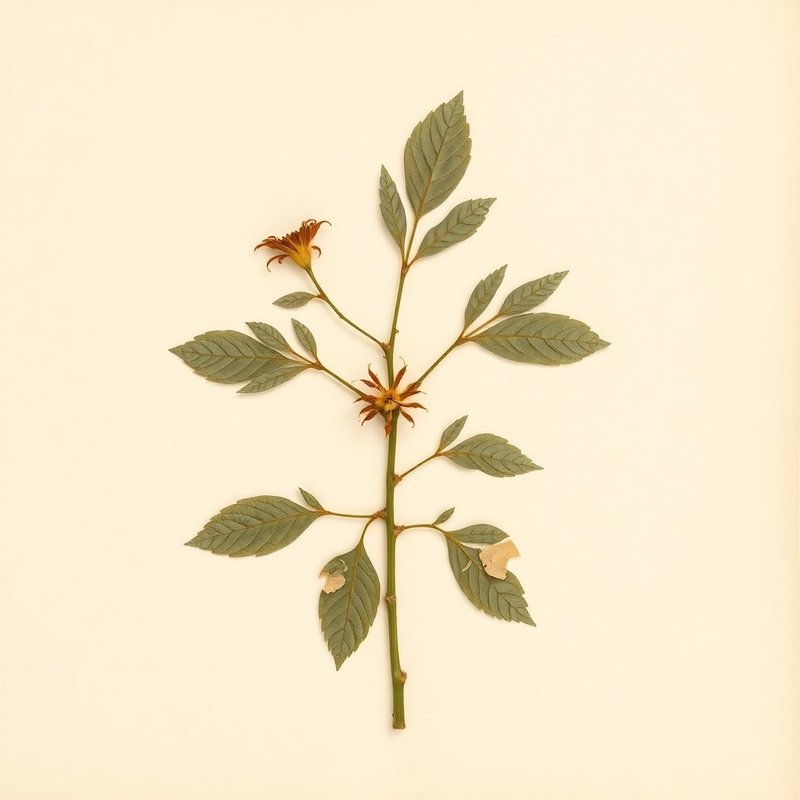
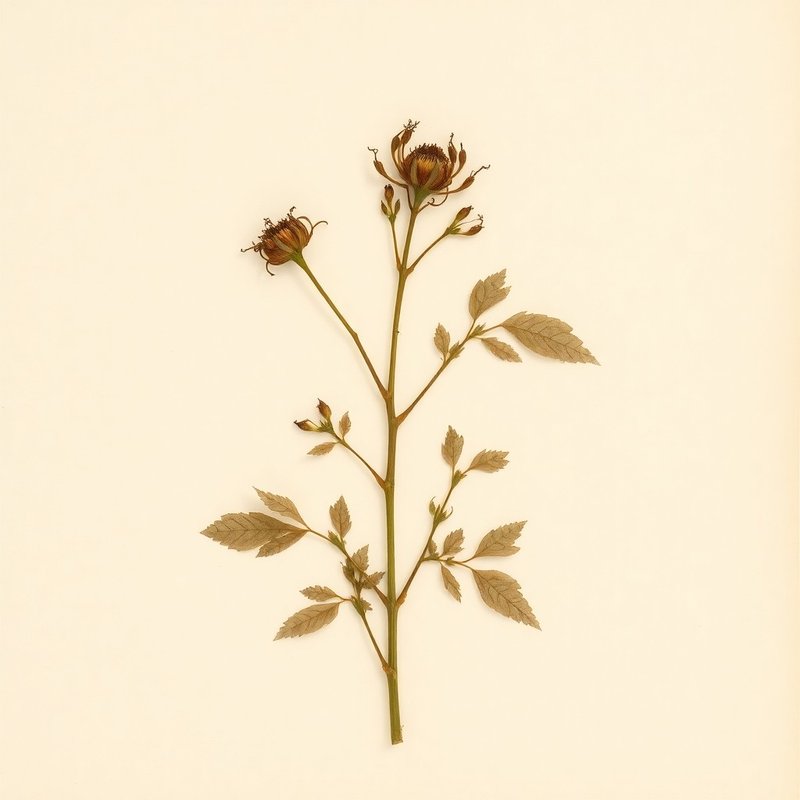
Solanum scabrum (Solanum scabrum) — botanical photograph
Pl. 7CD2 — Solanum scabrum
Solanum scabrumSolanum scabrumSolanum scabrumSolanum scabrumSolanum scabrumSolanum scabrumSolanum scabrumSolanum scabrumSolanum scabrumSolanum scabrumSolanum scabrumSolanum scabrumSolanum scabrumSolanum scabrum
I

Overview

Solanum scabrum, commonly known as prickly nightshade, is a member of the Solanaceae family and is native to a wide range of African countries including Angola, Benin, Botswana, Burkina Faso, Burundi, Cameroon, and many others. This plant thrives in various habitats across these regions, growing in full sun with soil that can be light (sandy), medium, or heavy (clay). It is an annual reaching heights of about 0.6 meters and is known for its edible fruit, leaves, and shoots. Typically, the plant is grown in full sun with moist soil, and the exact preparation methods for consumption vary but often involve cooking to ensure safety due to potential toxicity from unprocessed parts. Additionally, S. scabrum has documented medicinal uses, making it a versatile plant in both culinary and traditional medicine contexts. Its distinctive feature includes prickly stems that add to its unique appearance. While the plant is native to several African countries, it has also been introduced to regions such as Belgium, China, and parts of Europe and North America.

Quick answers

What is Solanum scabrum?

Solanum scabrum, commonly known as prickly nightshade, is a member of the Solanaceae family and is native to a wide range of African countries including Angola, Benin, Botswana, Burkina Faso, Burundi, Cameroon, and many others.

Compare with:Corkwood→Currant Tomato→Currant Tomato→all comparisons →
IV·b

Mixology suggestions

2 drafts
Editorial drafts. These pairings are AI-suggested from traditional herbal lore. Always verify with a qualified herbalist before brewing.
Evening Calm
sleep
tea
Traditional bedtime infusion.
Digestive Harmony
digestion
tincture
Used for digestive issues in traditional practices.
Growingconditions · propagation · uses
V

Cultivation

Solanum scabrum thrives in full sun and requires moist soil that can be light (sandy), medium, or heavy (clay). It is hardy in zones 5-9 and grows to a height of 0.6 meters as an annual plant. For propagation, seeds can be sown directly into the ground after the last frost. Ensure the soil remains consistently moist but not waterlogged for best growth. Skip any specific product recommendations or zone details not covered here.
Light
Full sun
Water
Moist
Soil
Light (sandy), Medium, Heavy (clay)
Hardiness
5-9
Life cycle
Annual
Mature size
0.6 m tall
For first-time growers

How to grow Solanum scabrum for the first time

7steps

Start with Skip as an easy-to-grow annual plant, focusing on basic care and harvesting.

  1. 1

    What you'll need

    Seeds or seedlings, a small trowel, a watering can.

  2. 2

    Best time to plant

    Plant Skip in late spring after the last frost, when temperatures are consistently above 15°C (60°F).

  3. 3

    Soil and container prep

    Choose a well-draining soil mix. For containers, use a pot at least 30 cm (12 inches) wide with drainage holes.

  4. 4

    Sowing or transplanting

    Direct sow seeds 1-2 cm deep in the garden bed or start seedlings indoors and transplant them after they have two sets of true leaves.

  5. 5

    First two weeks

    Water regularly to keep soil moist. Provide light shade if temperatures are very high.

  6. 6

    Ongoing care

    Water deeply once a week, depending on rainfall. Fertilize every 4-6 weeks with a balanced liquid fertilizer.

  7. 7

    Harvest or pruning

    Prune back any leggy growth to encourage bushier plants and remove dead leaves to prevent disease.

VI

Edible & utility

Edible parts:FruitLeavesShoots
Edible uses: The fruit, leaves, and shoots of Solanum scabrum are edible. Typically, the plant is grown in full sun with moist soil and can be eaten raw or cooked. The exact preparation methods vary but often involve cooking to ensure safety due to potential toxicity from unprocessed parts.
Contextrange · companions · related
VII

Distribution

43 native · 23 introduced
Distribution across3 continents· 43 native· 23 introduced
Europe5 regions
introduced (5)BelgiumFinlandGermanySwedenUnited Kingdom
Asia2 regions
introduced (2)ChinaTaiwan
Africa37 regions
native (35)AngolaBeninBotswanaBurkina FasoBurundiCameroonChadComorosCôte d'IvoireDjiboutiEritreaEthiopiaGabonGhanaGuineaGuinea-BissauKenyaLesothoLiberiaMadagascarMalawiMaliMauritaniaMozambiqueNamibiaNigeriaSenegalSeychellesSierra LeoneSudanTanzaniaTogoUgandaZambiaZimbabwe
introduced (2)EgyptMauritius
Broader regions
native:Cape Provinces, Central African Repu, Congo, Free State, Gulf of Guinea Is., KwaZulu-Natal, Northern Provinces, Zaïre
introduced:Chagos Archipelago, Connecticut, Czechoslovakia, Illinois, Jawa, Maluku, Missouri, New Zealand North, Réunion, South Australia, Sumatera, Wisconsin
IX

Specimen gallery

1 image
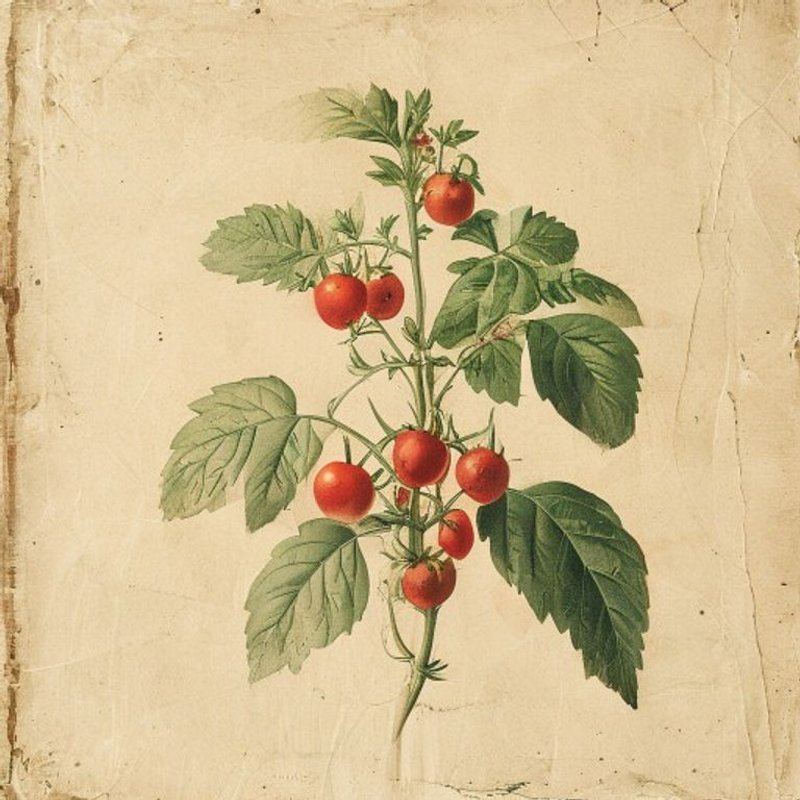
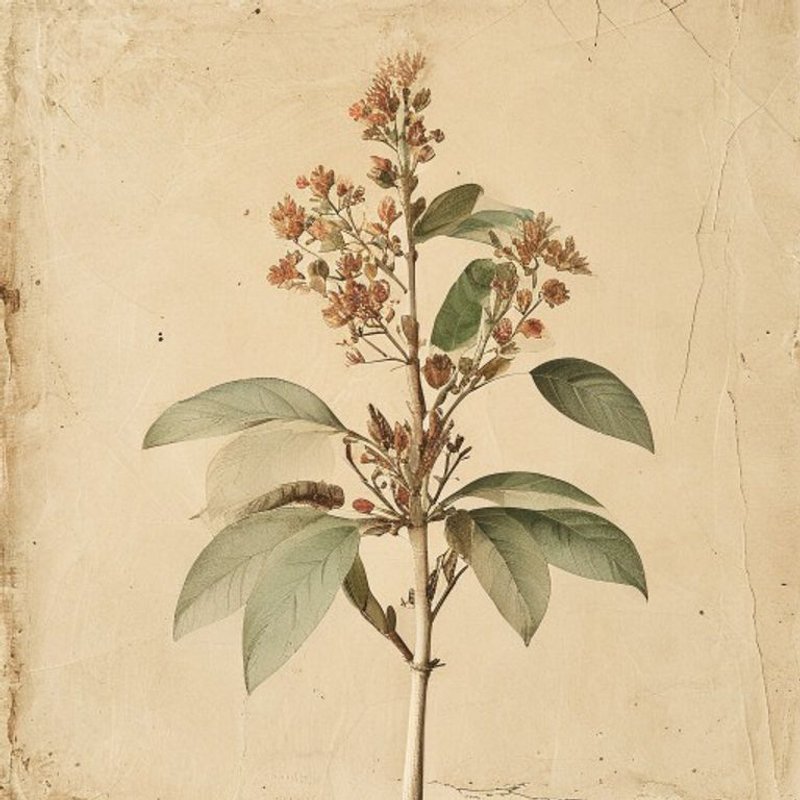
Solanum scabrum (Solanum scabrum) — botanical photograph
Solanum scabrum (Solanum scabrum)
X

See also

8 related
XI

Explore further

XII

About this entry

Last updated
Citation
How to cite this entry · Submit a correction
Back to the cataloguePlant id · 7cd24007-8abb-4d0f-a295-761c59830f63
Decision aid
Choosing between Solanum scabrum and something else?
Compare with another plant

Continue reading

❦❦❦❦
Endpaper · archive updates

Get archive updates

Occasional email when substantial new content lands — plant profiles, seasonal growing notes, folk-remedy additions. Free, no tracking, unsubscribe anytime.

Newsletter returning soon.
We are rebuilding the update list around a lightweight editorial workflow. New dispatches will resume after the next content review cycle.
iCare notes