
Solanum vescum
IOverview
Overview
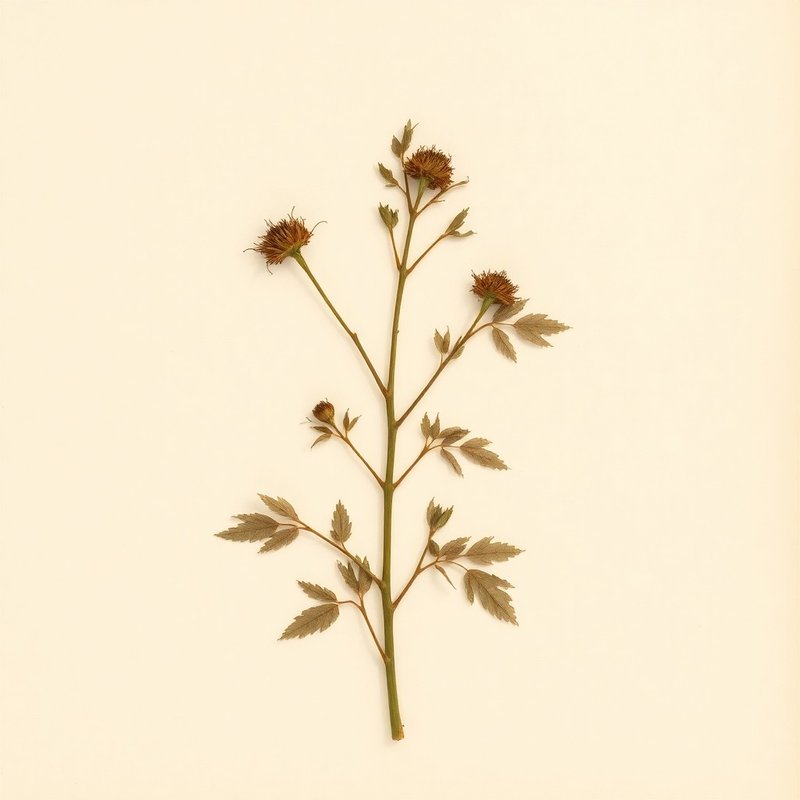
Solanum vescum, a shrub belonging to the Solanaceae family, is native to the southeastern regions of Australia, including New South Wales, Queensland, Tasmania, and Victoria. This plant can grow up to 2 meters in height and thrives in various soil types, from light sandy soils to medium and heavy clay soils, preferring moist conditions and full sun. The fruit of Solanum vescum is edible and can be eaten raw or cooked, though it is commonly prepared by cooking to ensure safety due to potential toxicity when raw. The plant's fruit is a valuable resource for those familiar with local flora. Additionally, Solanum vescum has medicinal properties, though specific uses are not detailed here. Its adaptability to different soil types and its dual use as both food and medicine make it an interesting subject for botanical studies in the region. Due to its potential toxicity, caution should be exercised when handling or consuming this plant.
What is Solanum vescum?
Solanum vescum, a shrub belonging to the Solanaceae family, is native to the southeastern regions of Australia, including New South Wales, Queensland, Tasmania, and Victoria.
IV·bMixology suggestions
1 draft
Mixology suggestions
1 draftVCultivation
Cultivation
How to grow Solanum vescum for the first time
Start with a simple, light-loving Skip plant for your beginner garden.
- 1
What you'll need
Seeds or seedlings, potting mix, containers or garden bed.
- 2
Best time to plant
Plant in spring when the weather starts warming up.
- 3
Soil and container prep
Use a well-draining soil mix suitable for vegetables. Ensure containers have drainage holes.
- 4
Sowing or transplanting
Direct sow seeds 1 cm deep, or transplant seedlings into the prepared soil.
- 5
First two weeks
Keep the soil moist and provide light shade if necessary to prevent sunburn.
- 6
Ongoing care
Water regularly, especially during dry spells. Fertilize lightly every few months with a balanced organic fertilizer.
- 7
Harvest or pruning
Prune occasionally to maintain shape and remove dead leaves. Harvest fruit when they are fully colored but still firm.
- 8
Common mistakes
Overwatering, not providing enough light, neglecting regular pruning, using chemical fertilizers, and planting in heavy soil.
VIEdible & utility
Edible & utility
VIIDistribution
4 native · 0 introduced
Distribution
4 native · 0 introducedIXSpecimen gallery
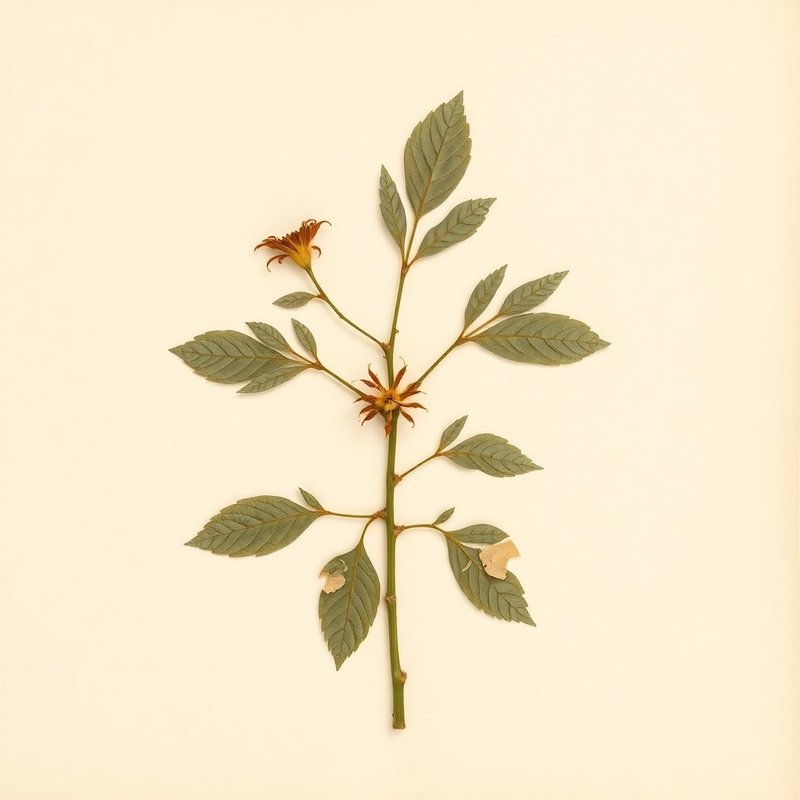
1 image
Specimen gallery
1 imageXSee also
8 related
See also
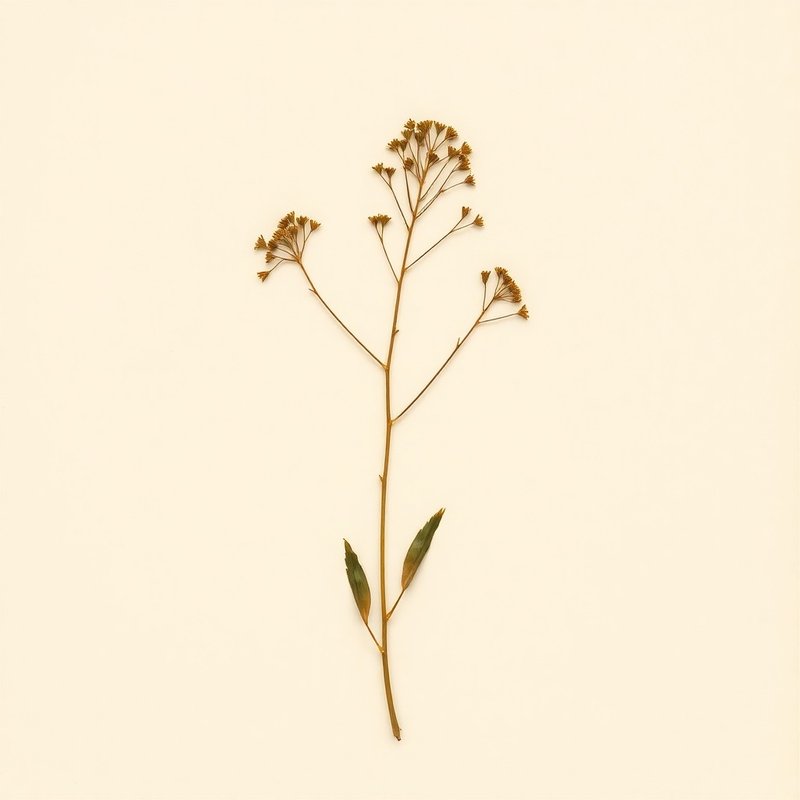
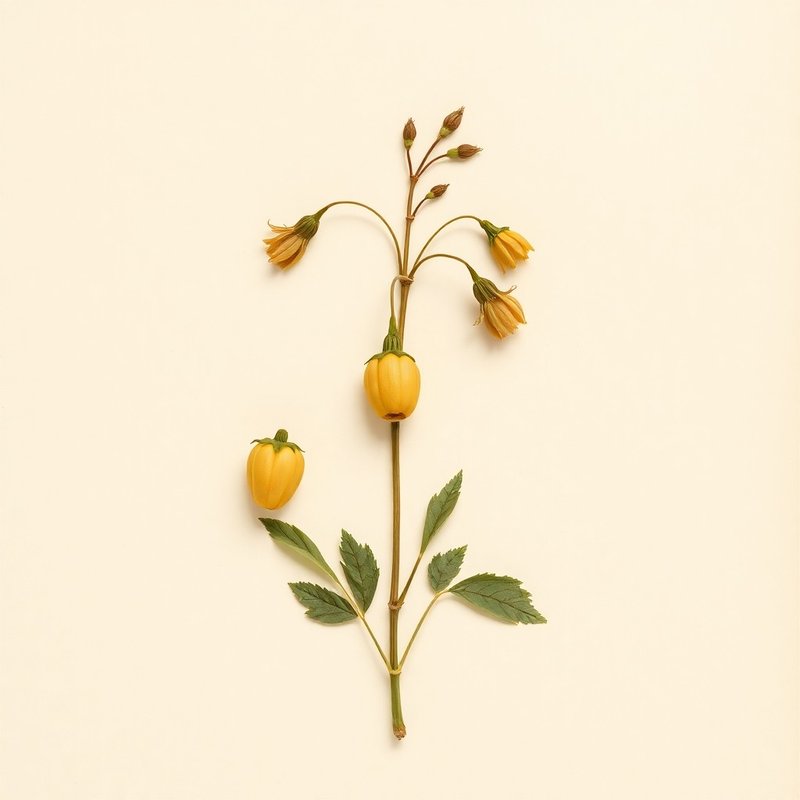
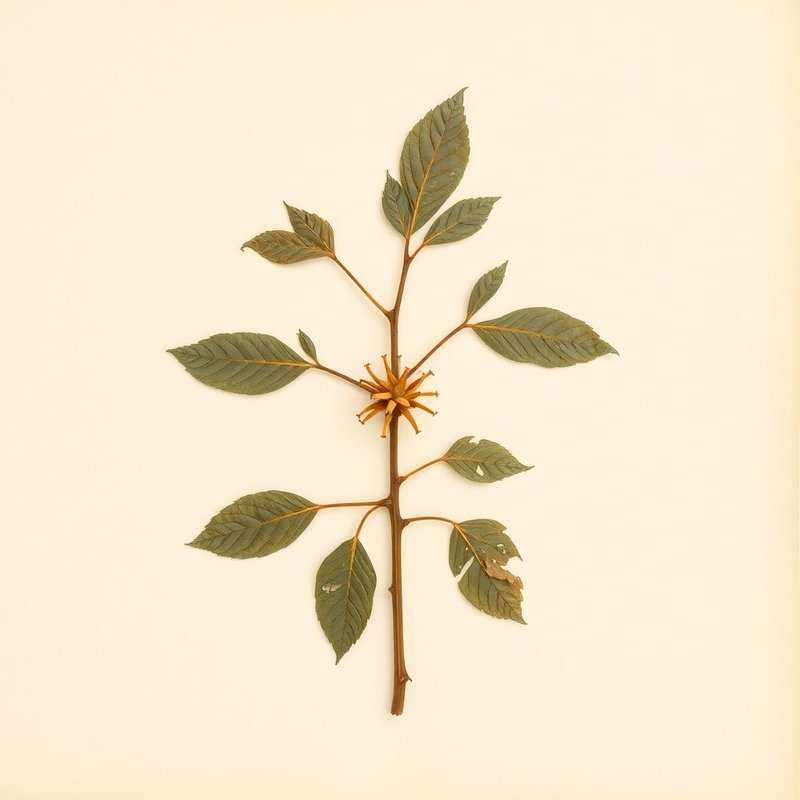
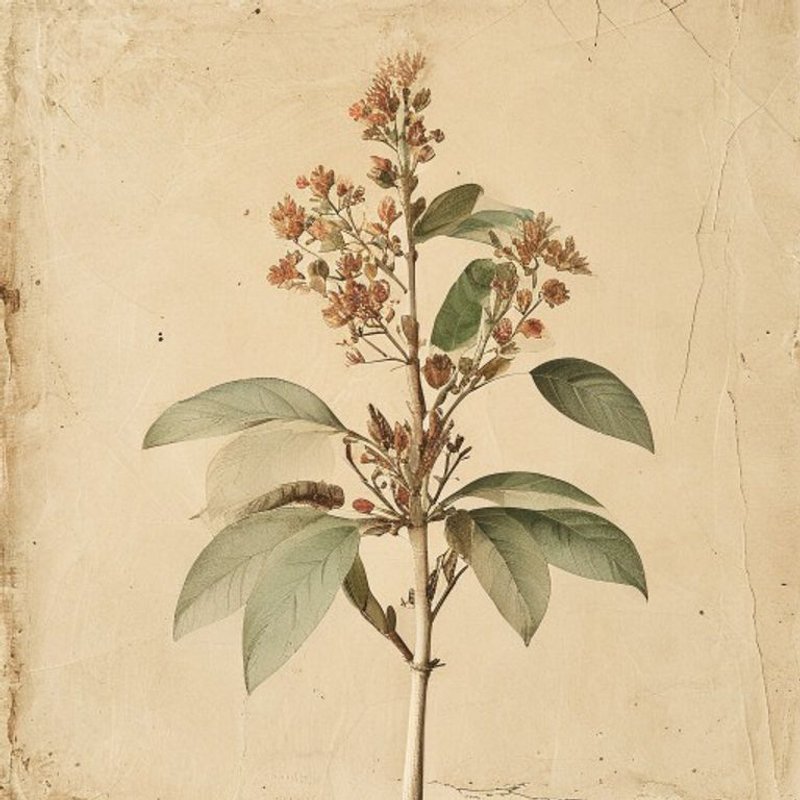
8 relatedPlants you might compare or use together — scored by shared family (Solanaceae), common use cases, and growing requirements.
Explore further
About this entry
- Last updated
- Citation
- How to cite this entry · Submit a correction
Continue reading
Get archive updates
Occasional email when substantial new content lands — plant profiles, seasonal growing notes, folk-remedy additions. Free, no tracking, unsubscribe anytime.