
Solidago canadensis scabra

IOverview
Overview
Solidago canadensis scabra, commonly known as rough-leaved goldenrod, is a perennial plant native to the eastern and southwestern United States. This member of the Asteraceae family thrives in moist conditions with light to partial sun exposure, making it adaptable to various soil types including sandy, medium, and clay soils. Hardy from zones 3-7, this plant can grow up to 1.8 meters tall. Known for its edible leaves and seeds, S. canadensis scabra is valued not only for its ornamental appeal but also for culinary use. One distinctive feature sets it apart: its rough-textured leaves, which are a key identifier in the field.
What is Solidago canadensis scabra?
Solidago canadensis scabra, commonly known as rough-leaved goldenrod, is a perennial plant native to the eastern and southwestern United States.
What is Solidago canadensis scabra used for?
Traditionally used for immune support, digestion. Each claim is evidence-rated — see Section II for full citations.
IIBenefits & evidence
2 claims · traditional-use context
Benefits & evidence
2 claims · traditional-use context- Solidago species have been traditionally used in North American herbalism to support immune function, often prepared as a tea. This preparation may help maintain overall health during seasonal changes.
The mechanism is not fully characterised but involves the presence of flavonoids and phenolic compounds which exhibit antioxidant and anti-inflammatory properties.
▲ ModerateImmune support → - Solidago species are traditionally used in herbal medicine to support digestive health, often prepared as a decoction. This preparation may help alleviate minor digestive discomfort.
The mechanism is not fully characterised but involves the presence of bitter compounds which stimulate bile production and improve digestion.
▲ ModerateDigestion →
IV·bMixology suggestions
1 draft
Mixology suggestions
1 draftVCultivation
Cultivation
How to grow Solidago canadensis scabra for the first time
Start with Solidago canadensis scabra for a low-maintenance, beginner-friendly perennial.
- 1
What you'll need
A small shovel or trowel, garden gloves.
- 2
Best time to plant
Plant in spring after the last frost or fall before the first freeze.
- 3
Soil and container prep
Choose a spot with light to partial sun. Ensure soil is well-draining but moist.
- 4
Sowing or transplanting
Transplant young plants from a nursery, spacing them about 1 meter apart.
- 5
First two weeks
Water regularly to help the plant establish itself. Keep the soil consistently moist but not waterlogged.
- 6
Ongoing care
Water when the top inch of soil feels dry. Deadhead spent flowers to encourage more blooms.
- 7
Harvest or pruning
Prune in late winter before new growth starts to maintain shape and health.
- 8
Common mistakes
Overwatering, planting too deep, neglecting deadheading.
VIEdible & utility
Edible & utility
VIIDistribution
48 native · 0 introduced
Distribution
48 native · 0 introducedIXSpecimen gallery
1 image
Specimen gallery
1 imageXSee also
8 related
See also
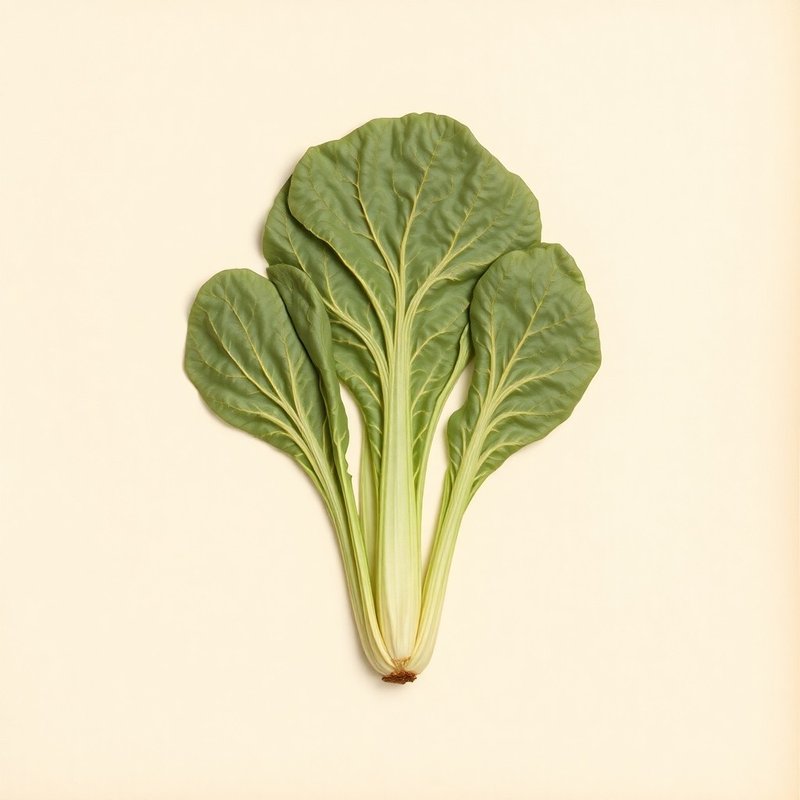
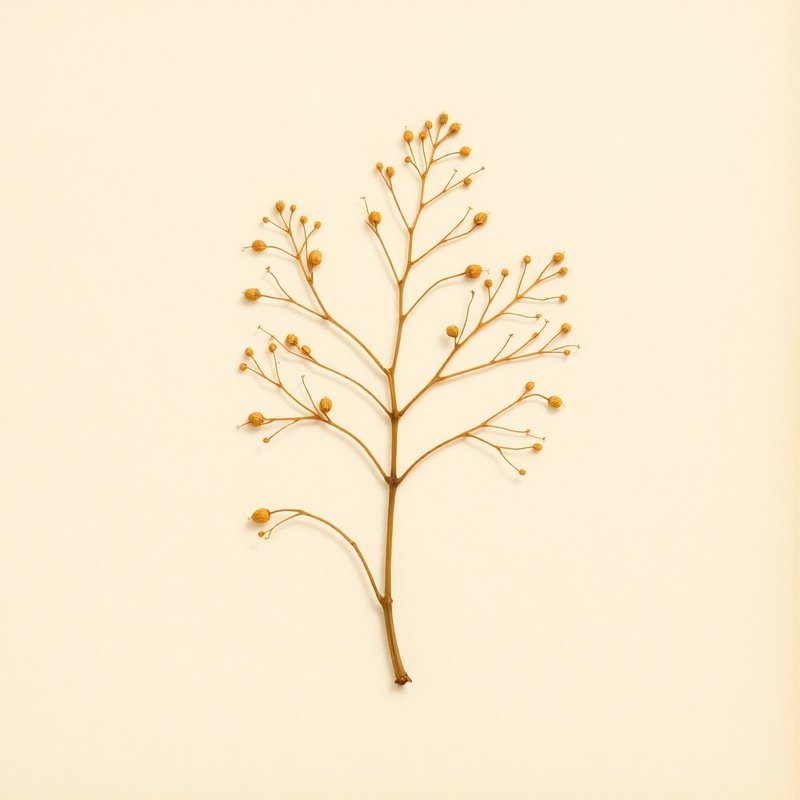
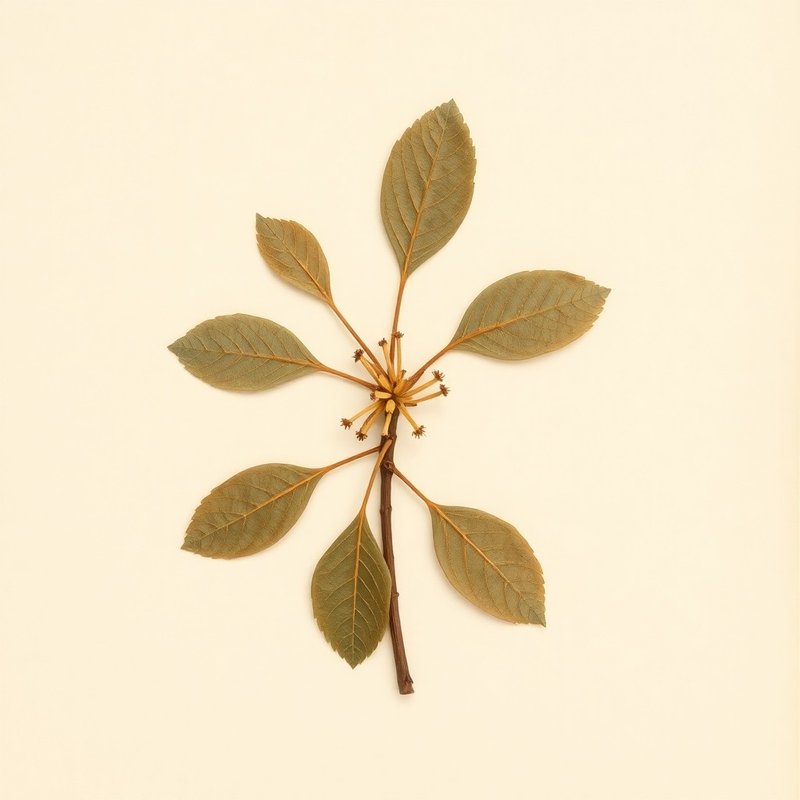
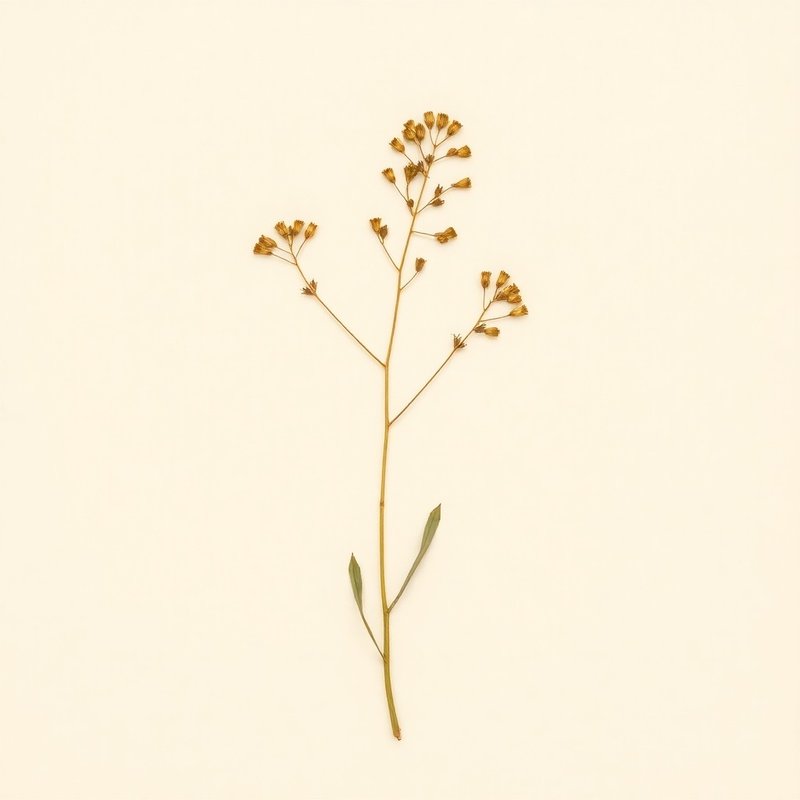
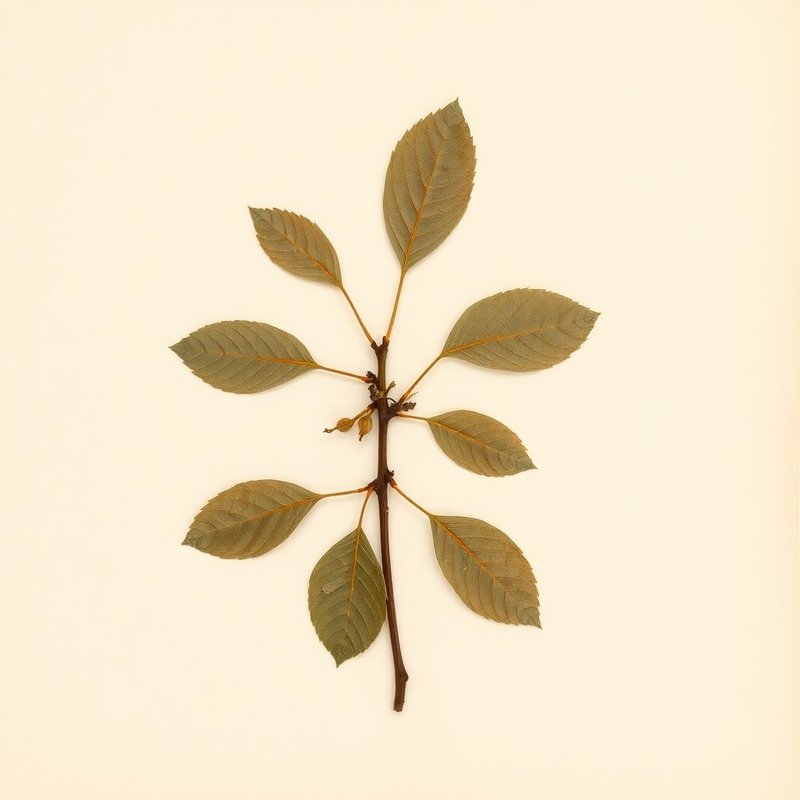
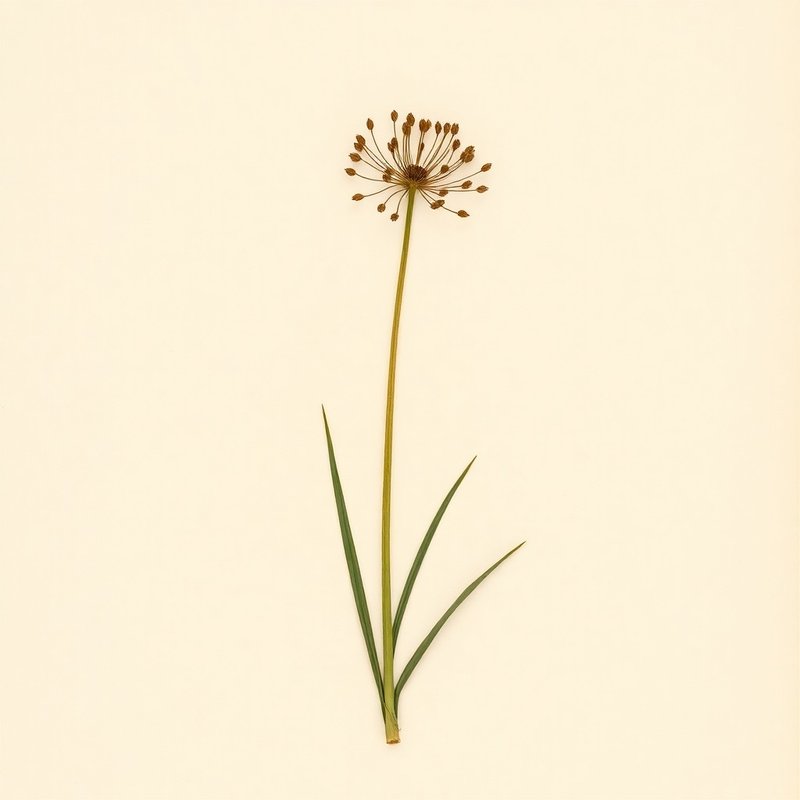
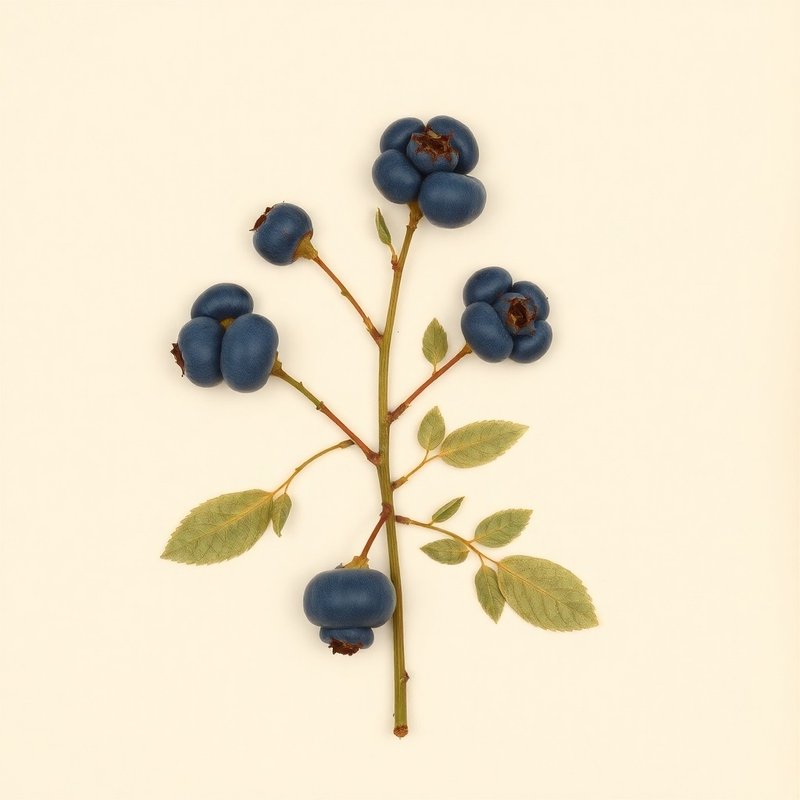
8 relatedPlants you might compare or use together — scored by shared family, common use cases, and growing requirements.

Explore further
About this entry
- Last updated
- Citation
- How to cite this entry · Submit a correction
Continue reading
Get archive updates
Occasional email when substantial new content lands — plant profiles, seasonal growing notes, folk-remedy additions. Free, no tracking, unsubscribe anytime.