
Sorbaria sorbifolia
Sorbaria sorbifolia
Educational content — not medical, botanical, or professional advice. Plant identification, safety, and edibility depend on local conditions, cultivars, and correct identification. Consult a qualified botanist or forager before consuming or handling wild specimens. How we source & review →
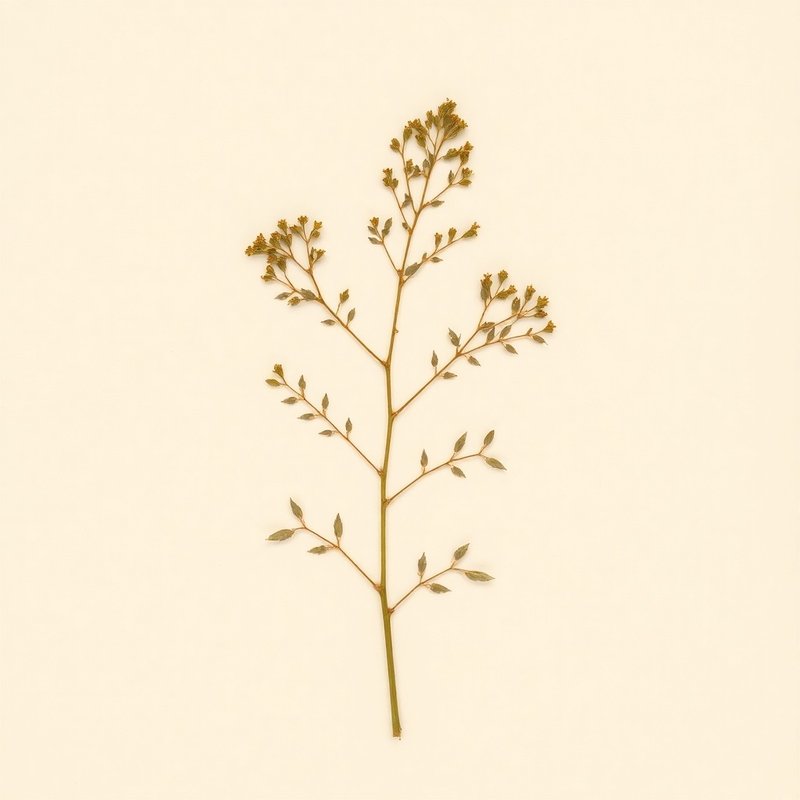
Pl. A675 — Sorbaria sorbifolia
Sorbaria sorbifoliaSorbaria sorbifoliaSorbaria sorbifoliaSorbaria sorbifoliaSorbaria sorbifoliaSorbaria sorbifoliaSorbaria sorbifoliaSorbaria sorbifoliaSorbaria sorbifoliaSorbaria sorbifoliaSorbaria sorbifoliaSorbaria sorbifoliaSorbaria sorbifoliaSorbaria sorbifolia
IOverview
Overview
Sorbaria sorbifolia, commonly known as the Siberian strawberry tree or Amur sorbus, is a deciduous shrub native to East Asia and parts of Russia. It thrives in moist, light (sandy), medium, and heavy (clay) soils with a pH between 5.5 and 6.5, making it adaptable but preferring slightly acidic to neutral conditions. This plant can grow up to 1.8 meters tall and is hardy in zones 2-7. Known for its edible leaves, which are often used in traditional Asian cuisine, Sorbaria sorbifolia also features distinctive small white flowers that give way to red berries, adding ornamental value to the landscape.
Quick answers
What is Sorbaria sorbifolia?
Sorbaria sorbifolia, commonly known as the Siberian strawberry tree or Amur sorbus, is a deciduous shrub native to East Asia and parts of Russia. It thrives in moist, light (sandy), medium, and heavy (clay) soils with a pH between 5.5 and 6.
Growingconditions · propagation · uses
VCultivation
Cultivation
Sorbaria sorbifolia thrives in moist, well-drained soils with a pH between 5.5 and 6.5, preferring light (sandy), medium, or heavy (clay) soil types. It requires partial to full shade, making it suitable for areas with moderate light conditions. The plant is hardy in zones 2-7, so it can tolerate cold climates but may struggle in warmer regions. For propagation, use division or seed sowing. Harvest the edible leaves as needed.
Light
8/10
Water
Moist
Soil
Light (sandy), Medium, Heavy (clay)
Hardiness
2-7
Habit
Shrub
Mature size
1.8 m tall
Soil pH
5.5–6.5
For first-time growers
How to grow Sorbaria sorbifolia for the first time
7steps
Start with planting Sorbaria sorbifolia in a beginner-friendly environment.
- 1
What you'll need
A young Sorbaria sorbifolia plant, garden gloves, and a trowel.
- 2
Best time to plant
Plant in early spring or late autumn when the soil is moist but not waterlogged.
- 3
Soil and container prep
Ensure the soil drains well; mix in compost if necessary. For containers, use a pot at least 30 cm wide with drainage holes.
- 4
Sowing or transplanting
Transplant young plants into your prepared garden bed or container. Space them about 1.5 meters apart to allow for growth.
- 5
First two weeks
Water the plant regularly, keeping the soil moist but not soggy. Avoid direct sunlight during this period.
- 6
Ongoing care
Water when the top inch of soil feels dry and mulch around the base to retain moisture. Prune in late winter to maintain shape.
- 7
Harvest or pruning
Prune in late winter to remove dead wood and encourage new growth, but avoid cutting into old wood.
VIEdible & utility
Edible & utility
Edible parts:Leaves
Edible uses: The leaves of Sorbaria sorbifolia are edible and can be consumed raw or cooked. They are often prepared in salads or used as a garnish due to their mild flavor. Skip the detailed cooking instructions here, but note that they can also be steamed or sautéed for added texture.
Other uses:Fragrance
Contextrange · companions · related
VIIDistribution
16 native · 14 introduced
Distribution
16 native · 14 introducedDistribution across2 continents· 16 native· 14 introduced
Europe2 regions
native (1)Russia
introduced (1)Russia
Asia5 regions
native (4)ChinaJapanMongoliaSouth Korea
introduced (1)Uzbekistan
Broader regions
native:Kamchatka, Khabarovsk, Krasnoyarsk, Magadan, Sakhalin, Yakutskiya, Primorye, Chita, Irkutsk, Amur
introduced:New Jersey, New York, Nova Scotia, Ohio, Ontario, Pennsylvania, Prince Edward I., Québec, Rhode I., Saskatchewan, Tennessee, Vermont
IXSpecimen gallery
1 image
Specimen gallery
1 imageXI
Explore further
Companion planting
Growing zone
XII
About this entry
- Last updated
- Citation
- How to cite this entry · Submit a correction
Back to the cataloguePlant id · a675a99c-5921-4e2f-b1e2-60f58d17fbe6
Decision aid
Choosing between Sorbaria sorbifolia and something else?
Continue reading
❦❦❦❦
Endpaper · archive updates
Get archive updates
Occasional email when substantial new content lands — plant profiles, seasonal growing notes, folk-remedy additions. Free, no tracking, unsubscribe anytime.