
SKIPI adultesque
Sorbus lanatafam. Rosaceae
Educational content — not medical, botanical, or professional advice. Plant identification, safety, and edibility depend on local conditions, cultivars, and correct identification. Consult a qualified botanist or forager before consuming or handling wild specimens. How we source & review →
Garden journal pausedUse profile notes below
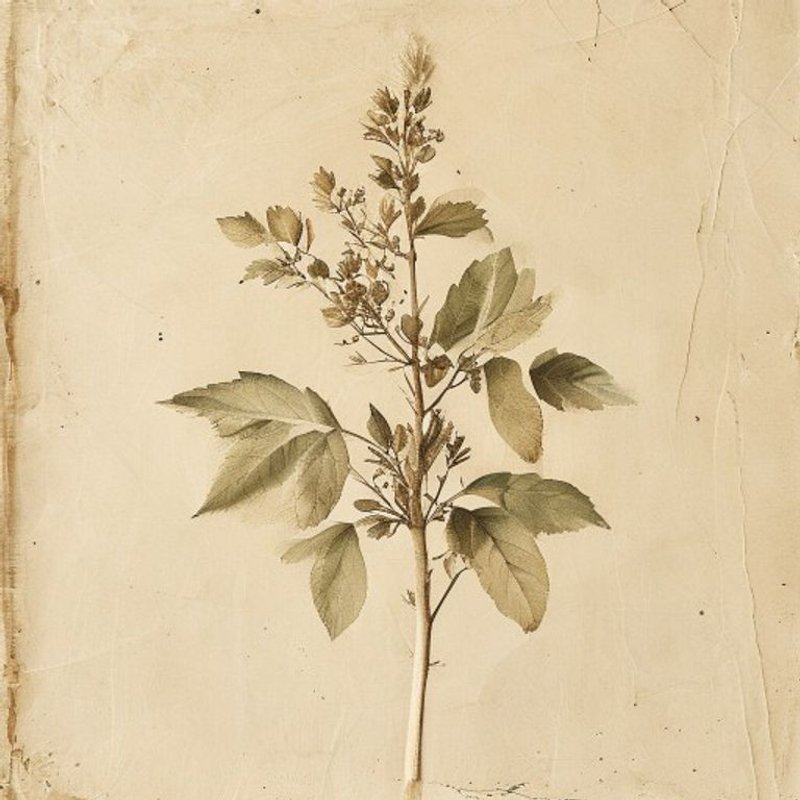
Pl. 5541 — Sorbus lanata
Sorbus lanataSorbus lanataSorbus lanataSorbus lanataSorbus lanataSorbus lanataSorbus lanataSorbus lanataSorbus lanataSorbus lanataSorbus lanataSorbus lanataSorbus lanataSorbus lanata
IOverview
Overview
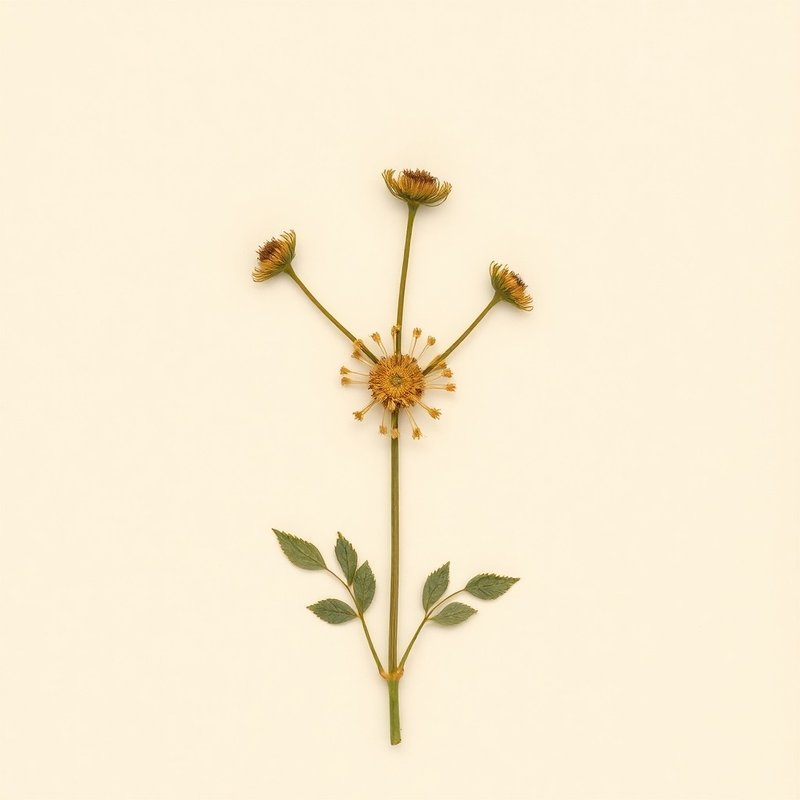
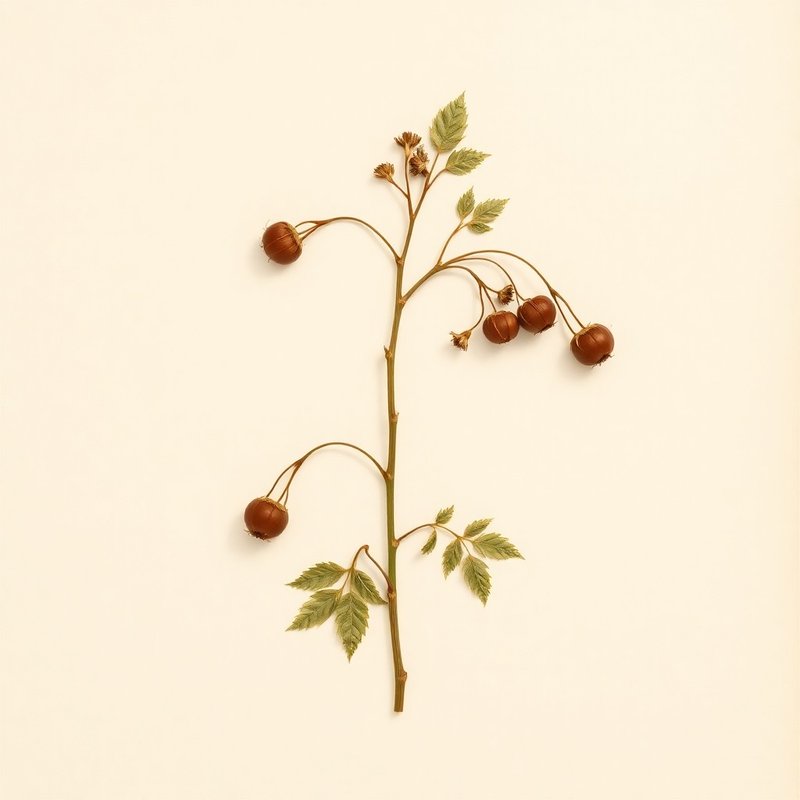
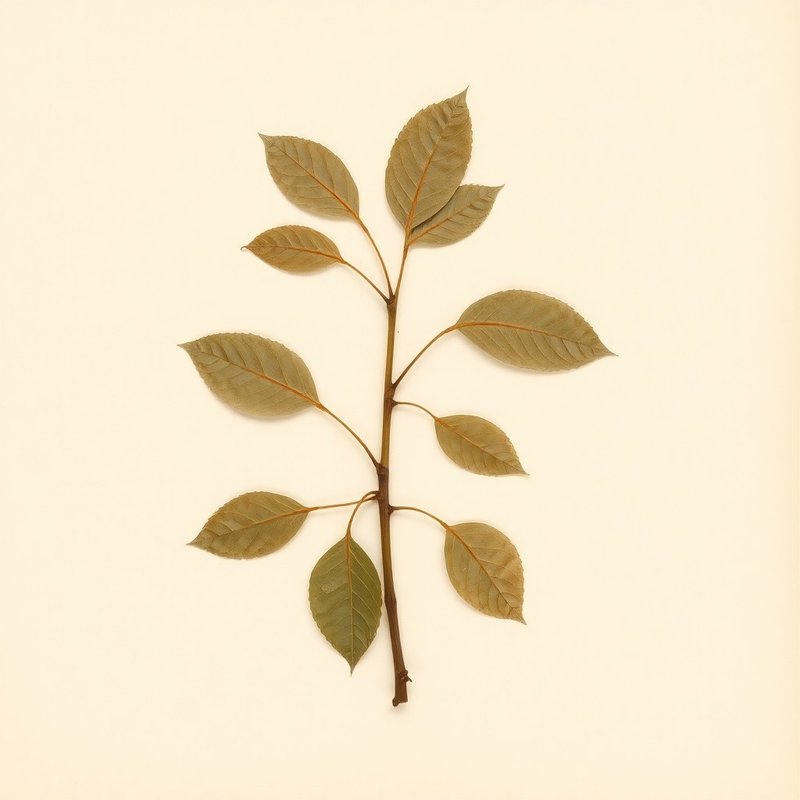
Sorbus lanata, commonly known as the woolly mountain-ash, is a deciduous tree belonging to the rose family (Rosaceae). Native to Europe and western Asia, this plant is well-adapted to thrive in moist conditions with light to partial sun exposure. Its attractive white woolly leaves and clusters of small white flowers make it a desirable ornamental addition to gardens. The distinctive feature of Sorbus lanata is the fine, silky hairs covering its leaves and stems, giving it a soft, fuzzy appearance. The fruit of this tree is edible and can be eaten raw or cooked, making it useful for making jams and jellies due to its sweet taste. Additionally, the fruit can be dried for later use. While primarily known for its ornamental and edible value, Sorbus lanata also serves as a source of lumber. However, it is important to note that the use of this plant for medicinal purposes is not supported by the provided data. This tree grows best in hardiness zones 4-8, reaching a height of 10 meters, and thrives in soil that is light (sandy), medium, or heavy (clay). Regular watering is essential to maintain its health.
Quick answers
What is SKIPI adultesque?
Sorbus lanata, commonly known as the woolly mountain-ash, is a deciduous tree belonging to the rose family (Rosaceae). Native to Europe and western Asia, this plant is well-adapted to thrive in moist conditions with light to partial sun exposure.
Growingconditions · propagation · uses
VCultivation
Cultivation
SKIPI adultesque thrives in full to partial sun, requiring moist soil that can be light (sandy), medium, or heavy (clay). It grows best in hardiness zones 4-8, making it suitable for temperate regions. Regular watering is essential to maintain its health. This plant can reach a height of 10 meters and is edible, with its fruit being the part that can be consumed.
Light
Full sun, Partial sun/shade
Water
Moist
Soil
Light (sandy), Medium, Heavy (clay)
Hardiness
4-8
Mature size
10.0 m tall
For first-time growers
How to grow SKIPI adultesque for the first time
8steps
Start with a simple, low-maintenance tree that will thrive in your garden.
- 1
What you'll need
A SKIPI adultesque sapling and some basic gardening tools like a spade and watering can.
- 2
Best time to plant
Plant in early spring or late autumn when the soil is moist but not waterlogged.
- 3
Soil and container prep
Ensure the soil is well-draining, with a mix of light (sandy), medium, or heavy clay. Amend as needed to improve drainage.
- 4
Sowing or transplanting
Transplant the sapling into a prepared hole that's twice as wide and deep as its root ball.
- 5
First two weeks
Water regularly to keep the soil moist but not soggy. Monitor for any signs of stress or pests.
- 6
Ongoing care
Provide full sun to partial shade, water when dry, and mulch around the base to retain moisture.
- 7
Harvest or pruning
Prune in late winter to maintain shape and remove any dead or diseased branches. Harvest fruit after they turn a bright red.
- 8
Common mistakes
Overwatering, planting in heavy clay without amending the soil, and not providing enough sunlight are common issues.
VIEdible & utility
Edible & utility
Edible parts:Fruit
Edible uses: The fruit of Sorbus lanata is edible and can be eaten raw or cooked. It is often used to make jams and jellies due to its sweet taste. The fruits can also be dried for later use.
Other uses:Lumber
Contextrange · companions · related
IXSpecimen gallery
1 image
Specimen gallery
1 imageXSee also
8 related
See also
8 relatedPlants you might compare or use together — scored by shared family (Rosaceae), common use cases, and growing requirements.
same family · Rosaceae
Botanical relatives — often share phytochemistry + growing needs.


XI
Explore further
Companion planting
Compare with similar plants
Growing zone
XII
About this entry
- Last updated
- Citation
- How to cite this entry · Submit a correction
Back to the cataloguePlant id · 55418523-84e4-4345-9818-6c3af9668b4b
Decision aid
Choosing between SKIPI adultesque and something else?
Continue reading
❦❦❦❦
Endpaper · archive updates
Get archive updates
Occasional email when substantial new content lands — plant profiles, seasonal growing notes, folk-remedy additions. Free, no tracking, unsubscribe anytime.
Newsletter returning soon.
We are rebuilding the update list around a lightweight editorial workflow. New dispatches will resume after the next content review cycle.