
Sparganium stoloniferum
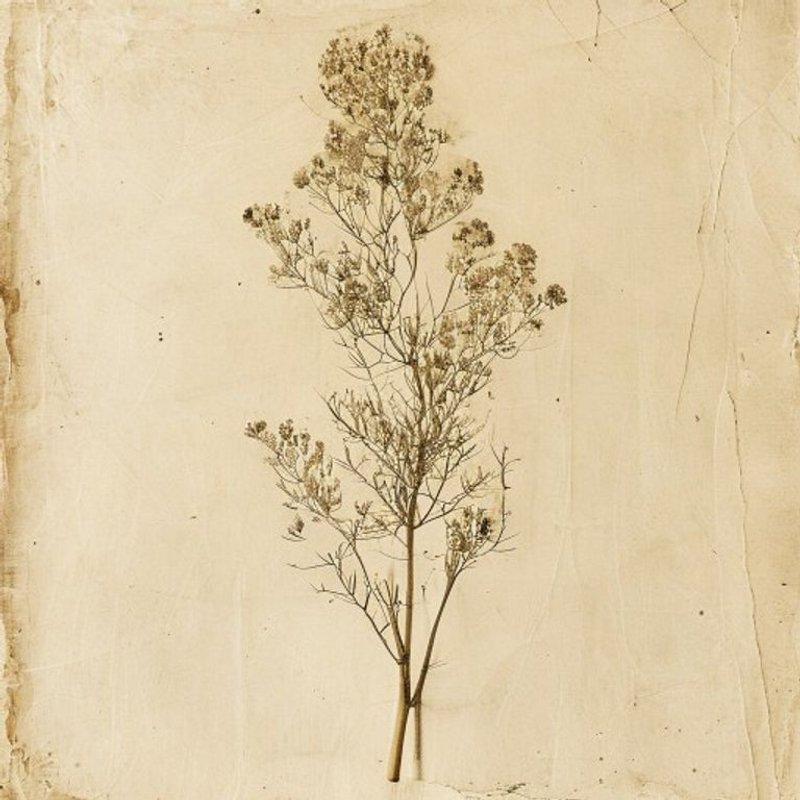
IOverview
Overview
Sparganium stoloniferum, a perennial forb/herb from the family Cyperaceae, thrives in wet environments across a wide range including Afghanistan, Buryatiya, China, Iran, Japan, and other regions. Known for its edible stem parts, this plant is both ornamental and useful as food. Its distinctive ability to grow in various soil types—light (sandy), medium, and heavy (clay)—and its preference for full sun or partial shade make it adaptable to diverse climates while thriving in wet conditions. The stem of Sparganium stoloniferum is edible and can be eaten raw or cooked. Typically, it is prepared by boiling to make it more palatable, offering a light, refreshing taste when consumed. This plant has been introduced into New South Wales, Queensland, South Australia, and Victoria, where its culinary value is recognized. Sparganium stoloniferum's native range extends from Afghanistan to West Siberia, making it adaptable to diverse climates while thriving in wet conditions. Its ornamental qualities make it a suitable addition to bog gardens or areas with consistent moisture. While not medicinal, this plant offers practical benefits through its edible parts and aesthetic value.
What is Sparganium stoloniferum?
Sparganium stoloniferum, a perennial forb/herb from the family Cyperaceae, thrives in wet environments across a wide range including Afghanistan, Buryatiya, China, Iran, Japan, and other regions. Known for its edible stem parts, this plant is both ornamental and useful as food.
VCultivation
Cultivation
How to grow Sparganium stoloniferum for the first time
Start with a simple planting of Sparganium stoloniferum in a wet area, and you'll have a low-maintenance addition to your garden.
- 1
What you'll need
A container or spot in the garden that stays consistently moist. A few plants or seeds.
- 2
Best time to plant
Plant in spring when temperatures are mild and there's no risk of frost.
- 3
Soil and container prep
Ensure the soil is well-draining but retains moisture, with a pH between 6.0 and 7.5. If planting in a container, use a mix that’s light and rich in organic matter.
- 4
Sowing or transplanting
Transplant young plants from a nursery or divide existing ones. For seeds, sow them directly into the soil at a depth of about 1 inch.
- 5
First two weeks
Keep the area consistently moist and avoid direct sunlight for the first few days to prevent stress on the plant.
- 6
Ongoing care
Water regularly, especially during dry spells. Fertilize sparingly with a balanced organic fertilizer in early spring.
- 7
Harvest or pruning
Prune dead foliage and stems in late winter to maintain the plant's health and appearance.
- 8
Common mistakes
Overwatering, planting in too dry soil, not providing enough light, using chemical fertilizers, and neglecting regular pruning.
VIEdible & utility
Edible & utility
VIIDistribution
22 native · 4 introduced
Distribution
22 native · 4 introducedIXSpecimen gallery
1 image
Specimen gallery
1 imageExplore further
About this entry
- Last updated
- Citation
- How to cite this entry · Submit a correction
Continue reading
Get archive updates
Occasional email when substantial new content lands — plant profiles, seasonal growing notes, folk-remedy additions. Free, no tracking, unsubscribe anytime.