
Stevia
Stevia rebaudiana
Educational content — not medical, botanical, or professional advice. Plant identification, safety, and edibility depend on local conditions, cultivars, and correct identification. Consult a qualified botanist or forager before consuming or handling wild specimens. How we source & review →
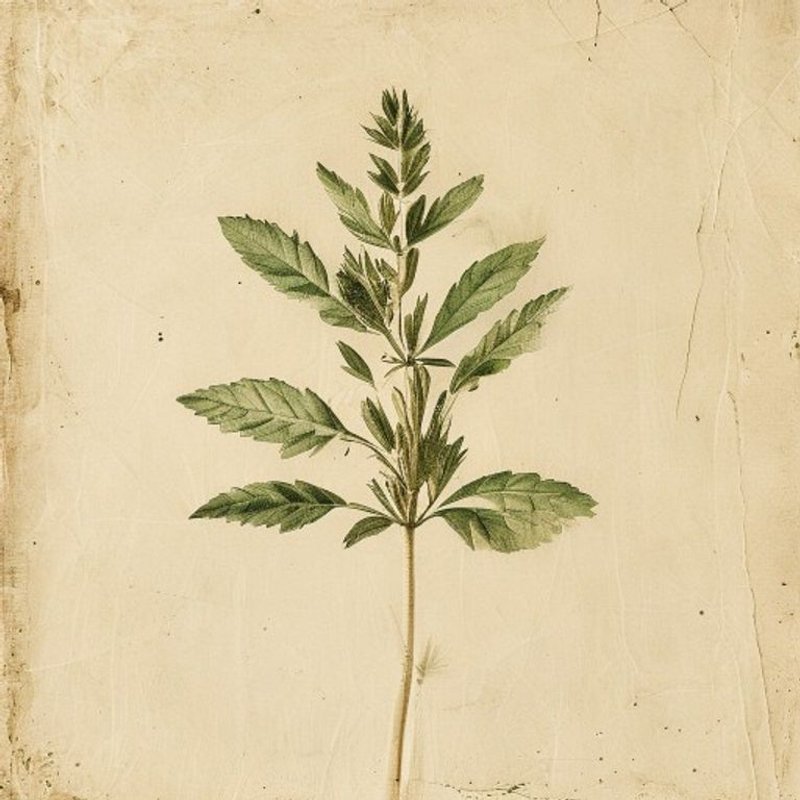
Pl. 7069 — Stevia rebaudiana
Stevia rebaudianaStevia rebaudianaStevia rebaudianaStevia rebaudianaStevia rebaudianaStevia rebaudianaStevia rebaudianaStevia rebaudianaStevia rebaudianaStevia rebaudianaStevia rebaudianaStevia rebaudianaStevia rebaudianaStevia rebaudiana
IOverview
Overview
Stevia rebaudiana, commonly known as Stevia, is a herbaceous annual native to the subtropical regions of Brazil and Paraguay. This plant thrives in full sun and prefers moist, well-draining soil that is light (sandy) or medium in texture. It grows up to 0.5 meters tall and is hardy in zones 8-11. Stevia leaves are edible and widely used for their sweet taste, making it a popular alternative to sugar. One distinctive feature of the plant is its ability to grow in various soil types while maintaining its sweetness, which has made it a valuable crop in both traditional and modern contexts.
Quick answers
What is Stevia?
Stevia rebaudiana, commonly known as Stevia, is a herbaceous annual native to the subtropical regions of Brazil and Paraguay. This plant thrives in full sun and prefers moist, well-draining soil that is light (sandy) or medium in texture. It grows up to 0.
Growingconditions · propagation · uses
VCultivation
Cultivation
Stevia thrives in full sun and requires moist, well-draining soil that is light (sandy) or medium in texture. It is hardy in zones 8-11 but may be grown as an annual in cooler regions. Water the plant regularly to keep the soil consistently moist. Harvest the leaves for use as a natural sweetener.
Light
Full sun
Water
Moist
Soil
Light (sandy), Medium
Hardiness
8-11
Life cycle
Annual
Mature size
0.5 m tall
For first-time growers
How to grow Stevia for the first time
8steps
Start with easy-to-grow stevia for a successful beginner’s gardening experience.
- 1
What you'll need
Stevia seeds or young plants, small pots, potting soil.
- 2
Best time to plant
Plant in spring after the last frost, when temperatures are consistently above 10°C (50°F).
- 3
Soil and container prep
Use a well-draining potting mix. Ensure containers have drainage holes.
- 4
Sowing or transplanting
Start seeds indoors about 6-8 weeks before the last frost, then transplant outdoors once soil is warm.
- 5
First two weeks
Keep soil moist and place in a sunny spot. Water gently to avoid disturbing young roots.
- 6
Ongoing care
Water regularly but don’t overwater. Provide full sun, at least 6 hours daily. Pinch back stems for bushier growth.
- 7
Harvest or pruning
Prune lightly to encourage new growth and maintain shape. Harvest leaves as needed throughout the growing season.
- 8
Common mistakes
Overwatering, planting in heavy soil, not providing enough sunlight, neglecting regular pinching.
VIEdible & utility
Edible & utility
Edible parts:Leaves
Edible uses: Sweetener
Contextrange · companions · related
VIIDistribution
3 native · 1 introduced
Distribution
3 native · 1 introducedDistribution across2 continents· 3 native· 1 introduced
Asia1 region
introduced (1)Bangladesh
Americas1 region
native (1)Paraguay
Broader regions
native:Brazil Southeast, Brazil West-Central
IXSpecimen gallery
1 image
Specimen gallery
1 imageXI
Explore further
Companion planting
Growing zone
XII
About this entry
- Last updated
- Citation
- How to cite this entry · Submit a correction
Back to the cataloguePlant id · 70699484-ea0e-4e32-818a-4fe722af67bb
Decision aid
Choosing between Stevia and something else?
Continue reading
❦❦❦❦
Endpaper · archive updates
Get archive updates
Occasional email when substantial new content lands — plant profiles, seasonal growing notes, folk-remedy additions. Free, no tracking, unsubscribe anytime.