
Taraxacum sinicum
Taraxacum sinicum
Educational content — not medical, botanical, or professional advice. Always consult a qualified clinician before using any herbal preparation — especially during pregnancy, breastfeeding, while on medication, or for children. How we source & review →
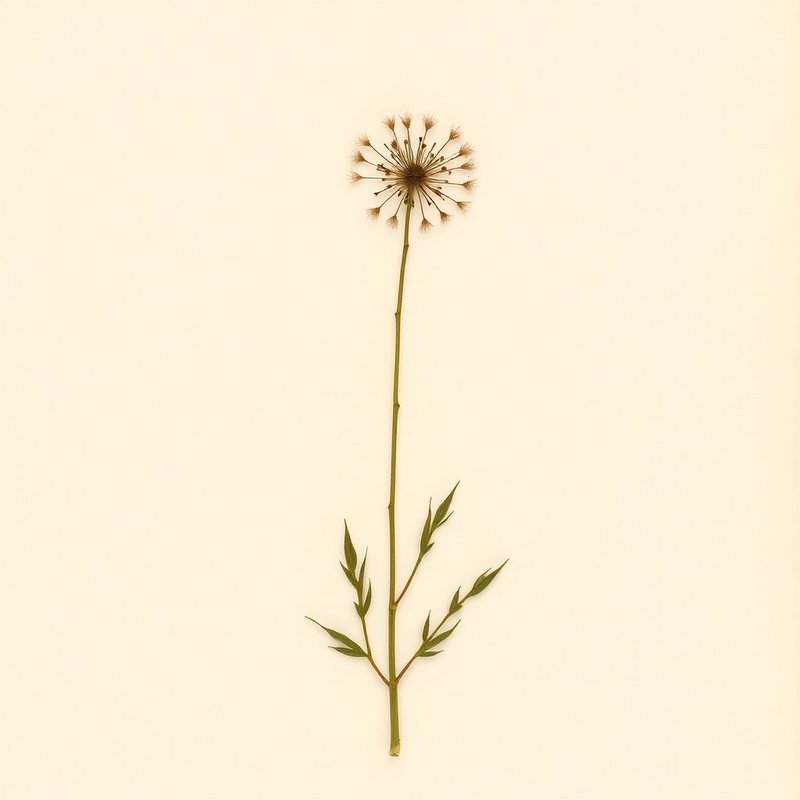
Pl. 3C24 — Taraxacum sinicum
Taraxacum sinicumTaraxacum sinicumTaraxacum sinicumTaraxacum sinicumTaraxacum sinicumTaraxacum sinicumTaraxacum sinicumTaraxacum sinicumTaraxacum sinicumTaraxacum sinicumTaraxacum sinicumTaraxacum sinicumTaraxacum sinicumTaraxacum sinicum
IOverview
Overview
Taraxacum sinicum, commonly known as the Asian dandelion, is a perennial plant native to regions in Asia including Altay, Buryatiya, China North-Central, Chita, Inner Mongolia, Irkutsk, Kirgizstan, Krasnoyarsk. It thrives in various soil types—light (sandy), medium, and heavy (clay)—and prefers moist conditions with full or partial sun exposure. This plant is known for its edible parts, which include the flowers, leaves, and roots, making it a valuable resource in certain culinary traditions. Its adaptability to diverse environments contributes to its widespread presence across its native range.
Quick answers
What is Taraxacum sinicum?
Taraxacum sinicum, commonly known as the Asian dandelion, is a perennial plant native to regions in Asia including Altay, Buryatiya, China North-Central, Chita, Inner Mongolia, Irkutsk, Kirgizstan, Krasnoyarsk.
What is Taraxacum sinicum used for?
Traditionally used for digestion, immune support. Each claim is evidence-rated — see Section II for full citations.
Best for
Top 2 evidence-ranked uses of Taraxacum sinicum
Clinicaluses · safety · chemistry · dosagemedicinal profile
IIBenefits & evidence
2 claims · 0 sources
Benefits & evidence
2 claims · 0 sources- Taraxacum sinicum, like its close relative Taraxacum officinale (dandelion), has been traditionally used in Chinese medicine for digestive issues such as indigestion and constipation. A decoction of the root is commonly prepared to support healthy digestion.
The mechanism involves compounds such as inulin, which can help regulate gut flora and improve bowel function. However, specific pathways are not fully characterised.
- Taraxacum sinicum is traditionally used in Chinese herbal medicine to support the immune system. A tea made from the leaves and roots may help enhance overall resistance against common ailments.
The plant contains polysaccharides that have been shown to modulate immune responses, though specific mechanisms are not fully understood.
Growingconditions · propagation · uses
VCultivation
Cultivation
Taraxacum sinicum thrives in full to partial sun and prefers moist, well-drained soil that can be light (sandy), medium, or heavy (clay). This perennial is hardy in temperate regions and is native to areas like Altay, Buryatiya, China North-Central, Chita, Inner Mongolia, Irkutsk, Kirgizstan, Krasnoyarsk. It can be propagated through division of the root or by seed. The plant's edible parts include flowers, leaves, and roots, making it a versatile addition to any garden.
Light
Full sun, Partial sun/shade
Water
Moist
Soil
Light (sandy), Medium, Heavy (clay)
Life cycle
Perennial
For first-time growers
How to grow Taraxacum sinicum for the first time
8steps
Start with simple soil and light conditions for a successful first planting of Taraxacum sinicum.
- 1
What you'll need
A small pot, quality potting mix, seeds or young plants.
- 2
Best time to plant
Plant in early spring when the soil is moist and warm enough.
- 3
Soil and container prep
Use a well-draining potting mix. Ensure your container has drainage holes.
- 4
Sowing or transplanting
Direct sow seeds just below the surface, or transplant young plants gently.
- 5
First two weeks
Keep soil consistently moist and place in partial sun to avoid wilting.
- 6
Ongoing care
Water when the top inch of soil feels dry. Provide full sun for best growth.
- 7
Harvest or pruning
Prune dead leaves and spent flowers to encourage new growth and prevent spread.
- 8
Common mistakes
Overwatering, planting in heavy clay soil, not providing enough sunlight.
VIEdible & utility
Edible & utility
Edible parts:FlowersLeavesRoot
Edible uses: Coffee, Tea
Contextrange · companions · related
VIIDistribution
15 native · 3 introduced
Distribution
15 native · 3 introducedDistribution across2 continents· 15 native· 3 introduced
Europe1 region
introduced (1)Russia
Asia2 regions
native (2)ChinaMongolia
Broader regions
native:Tadzhikistan, Tuva, West Himalaya, Altay, Buryatiya, Chita, Irkutsk, Kirgizstan, Krasnoyarsk
introduced:Primorye, Khabarovsk
IXSpecimen gallery
1 image
Specimen gallery
1 imageXSee also
8 related
See also
8 relatedPlants you might compare or use together — scored by shared family, common use cases, and growing requirements.
shared use cases
Different families, similar therapeutic role — good for comparing.

XI
Explore further
Companion planting
Health goals
Compare with similar plants
XII
About this entry
- Last updated
- Citation
- How to cite this entry · Submit a correction
Back to the cataloguePlant id · 3c2405be-6e5e-4d99-bf6c-f7ecb47833ef
Decision aid
Choosing between Taraxacum sinicum and something else?
Continue reading
❦❦❦❦
Endpaper · archive updates
Get archive updates
Occasional email when substantial new content lands — plant profiles, seasonal growing notes, folk-remedy additions. Free, no tracking, unsubscribe anytime.