
Trapa natans
Trapa natansfam. Lythraceae
Educational content — not medical, botanical, or professional advice. Plant identification, safety, and edibility depend on local conditions, cultivars, and correct identification. Consult a qualified botanist or forager before consuming or handling wild specimens. How we source & review →
Garden journal pausedUse profile notes below
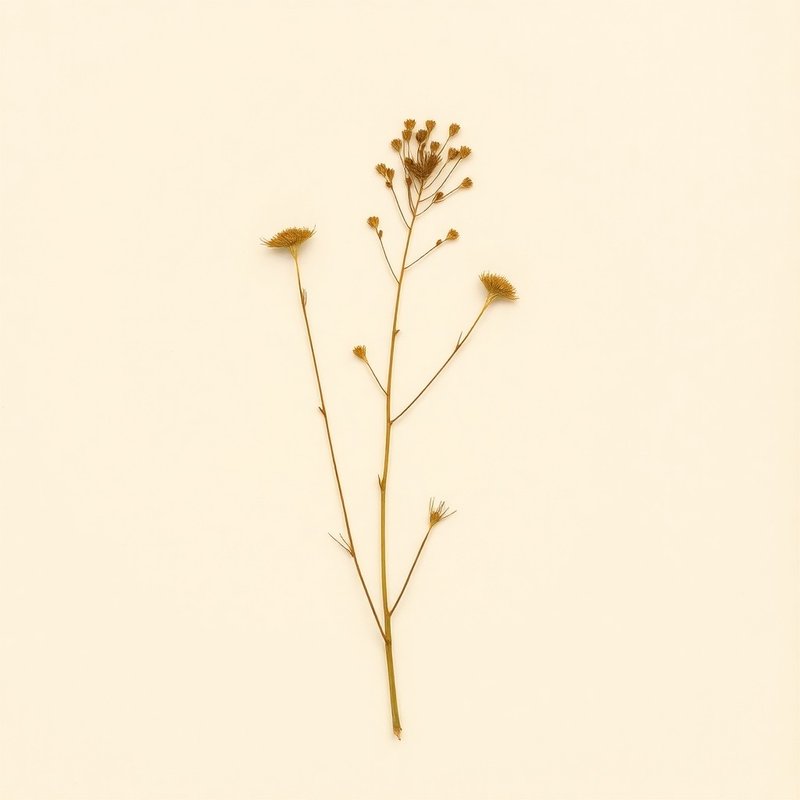
Pl. 9629 — Trapa natans
Trapa natansTrapa natansTrapa natansTrapa natansTrapa natansTrapa natansTrapa natansTrapa natansTrapa natansTrapa natansTrapa natansTrapa natansTrapa natansTrapa natans
IOverview
Overview
Trapa natans, commonly known as water caltrop, is a perennial plant belonging to the Lythraceae family. Native to a wide range of regions including Europe, Asia, and Africa, this plant is adaptable to various soil types, thriving in light, medium, or heavy soil with a pH between 6.5 and 7. Water caltrop is often found in waterlogged areas, where its light-to-medium growth habit allows it to flourish. The plant's native range includes countries such as Albania, Algeria, Altay, Amur, Angola, and Austria, among others. Its seeds are edible and can be prepared in various ways, though they are typically harvested and cooked or dried before consumption due to their hard outer shell. Trapa natans is known for its ornamental value and is occasionally introduced into new regions like Spain and Sweden, though it can have weed potential. This plant is hardy in zones 6-12 and requires ample water, making it a notable presence in diverse ecosystems across its habitat.
Quick answers
What is Trapa natans?
Trapa natans, commonly known as water caltrop, is a perennial plant belonging to the Lythraceae family. Native to a wide range of regions including Europe, Asia, and Africa, this plant is adaptable to various soil types, thriving in light, medium, or heavy soil with a pH between 6.
Growingconditions · propagation · uses
VCultivation
Cultivation
Trapa natans thrives in light to medium soils and prefers a pH between 6.5 and 7. It is adaptable to various soil types but performs best in sandy, medium, or clay soils. This perennial plant requires ample water and can be found in its native range across temperate regions. For cultivation, it should be planted in areas with light to moderate sunlight. Hardy from zones 6-12, Trapa natans is suitable for gardeners in similar climates. Propagation can occur through seeds, which are edible parts of the plant.
Light
8/10
Water
Water
Soil
Light (sandy), Medium, Heavy (clay)
Hardiness
6-12
Life cycle
Perennial
Habit
Forb/herb
Soil pH
6.5–7
For first-time growers
How to grow Trapa natans for the first time
8steps
Start with a simple water garden setup and basic care to grow Skip successfully.
- 1
What you'll need
A large container or pond, seeds or small plants.
- 2
Best time to plant
Plant in spring when temperatures are consistently above 60°F (15°C).
- 3
Soil and container prep
Use a mix of light sandy soil, medium soil, or heavy clay. Ensure good drainage.
- 4
Sowing or transplanting
Sow seeds directly into the container or transplant small plants gently.
- 5
First two weeks
Keep water levels stable and monitor for any signs of stress in the plant.
- 6
Ongoing care
Provide plenty of light, keep water clean, and adjust pH to 6.5–7 if needed.
- 7
Harvest or pruning
Prune occasionally to maintain shape and remove dead leaves for better appearance.
- 8
Common mistakes
Overcrowding the container, using incorrect soil types, neglecting water quality.
VIEdible & utility
Edible & utility
Edible parts:Seed
Edible uses: The seed of Trapa natans is edible and can be prepared in various ways. Typically, the seeds are harvested and either cooked or dried before consumption. They are not commonly eaten raw due to their hard outer shell. Skip
Other uses:Crafting
Contextrange · companions · related
VIIDistribution
83 native · 17 introduced
Distribution
83 native · 17 introducedDistribution across3 continents· 83 native· 17 introduced
Europe17 regions
native (15)AlbaniaAustriaBelarusBulgariaFranceGermanyGreeceHungaryItalyPolandRomaniaRussiaSpainSwitzerlandUkraine
introduced (2)SpainSweden
Asia17 regions
native (17)BangladeshCambodiaChinaIndiaIranJapanKazakhstanLaosMyanmarNepalPakistanPhilippinesSouth KoreaSri LankaTaiwanThailandVietnam
Africa17 regions
native (17)AlgeriaAngolaBotswanaBurkina FasoCameroonChadGuinea-BissauMalawiMozambiqueNamibiaNigeriaSudanTanzaniaTunisiaUgandaZambiaZimbabwe
Broader regions
native:Altay, Amur, Baltic States, Buryatiya, Central African Repu, Chita, Congo, Czechoslovakia, Hainan, Irkutsk, Jawa, Khabarovsk, Krasnoyarsk, KwaZulu-Natal, Primorye, Sumatera, Transcaucasus, Turkey-in-Europe, West Himalaya, Yugoslavia, Zaïre
introduced:Connecticut, Delaware, District of Columbia, Maine, Maryland, Masachusettes, Nansei-shoto, New Hampshire, New Jersey, New York, Pennsylvania, Québec, Rhode I., Vermont, Virginia
IXSpecimen gallery
1 image
Specimen gallery
1 imageXSee also
2 related
See also
2 relatedPlants you might compare or use together — scored by shared family (Lythraceae), common use cases, and growing requirements.
same family · Lythraceae
Botanical relatives — often share phytochemistry + growing needs.

XI
Explore further
Companion planting
Compare with similar plants
Growing zone
XII
About this entry
- Last updated
- Citation
- How to cite this entry · Submit a correction
Back to the cataloguePlant id · 9629af1d-20e6-4caf-8395-45abf7eb5694
Decision aid
Choosing between Trapa natans and something else?
Continue reading
❦❦❦❦
Endpaper · archive updates
Get archive updates
Occasional email when substantial new content lands — plant profiles, seasonal growing notes, folk-remedy additions. Free, no tracking, unsubscribe anytime.
Newsletter returning soon.
We are rebuilding the update list around a lightweight editorial workflow. New dispatches will resume after the next content review cycle.