
Olluco
IOverview
Overview
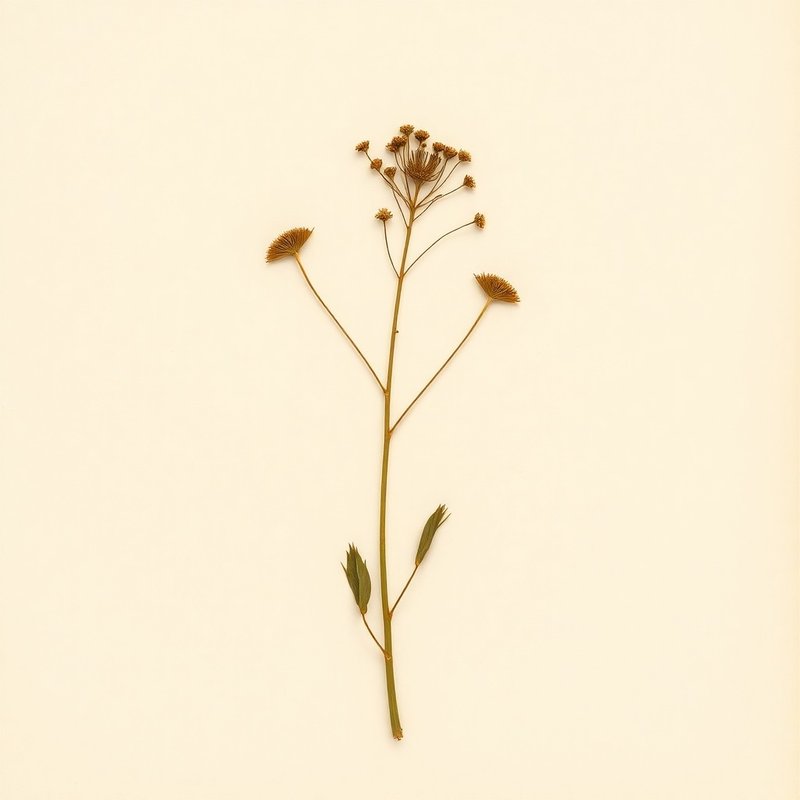
Olluco, scientifically known as Ullucus tuberosus, is a perennial plant native to the highlands of Argentina Northwest, Bolivia, and Peru. Thriving in full sun and moist, light (sandy) to medium soil conditions, olluco is adaptable but requires careful cultivation for optimal growth. The plant typically reaches a height of only 0.3 meters, making it a small but significant part of local agriculture and culinary traditions. Known for its edible tubers, which are often used in traditional Andean cuisine, olluco is a valued crop in the region. These tubers can be prepared in various ways, though they are commonly cooked or boiled before consumption, though they may also be eaten raw. Olluco has been introduced into Chile North, Colombia, Ecuador, and Venezuela, expanding its cultural and culinary significance beyond its native range. Its small stature and adaptability make it a versatile addition to gardens and agricultural practices in suitable climates.
What is Olluco?
Olluco, scientifically known as Ullucus tuberosus, is a perennial plant native to the highlands of Argentina Northwest, Bolivia, and Peru. Thriving in full sun and moist, light (sandy) to medium soil conditions, olluco is adaptable but requires careful cultivation for optimal growth.
VCultivation
Cultivation
How to grow Olluco for the first time
Start with a simple, sunny spot and basic soil preparation for your first attempt at growing Olluco.
- 1
What you'll need
Olluco tubers, garden tools like a trowel, and containers if planting in pots.
- 2
Best time to plant
Plant in spring when the soil has warmed up and all frost danger is past.
- 3
Soil and container prep
Choose a well-draining spot with light or medium soil. Amend the soil with compost if needed.
- 4
Sowing or transplanting
Plant tubers 5-10 cm deep, spaced about 20-30 cm apart in rows 60 cm apart.
- 5
First two weeks
Keep the soil moist but not waterlogged. Mulch lightly to retain moisture and suppress weeds.
- 6
Ongoing care
Water regularly, especially during dry spells, ensuring the soil stays consistently moist but not soggy.
- 7
Harvest or pruning
Prune any dead leaves to maintain plant health. Harvest tubers after 6-8 months when they are fully developed.
VIEdible & utility
Edible & utility
VIIDistribution
3 native · 4 introduced
Distribution
3 native · 4 introducedIXSpecimen gallery
1 image
Specimen gallery
1 imageExplore further
About this entry
- Last updated
- Citation
- How to cite this entry · Submit a correction
Continue reading
Get archive updates
Occasional email when substantial new content lands — plant profiles, seasonal growing notes, folk-remedy additions. Free, no tracking, unsubscribe anytime.