
Pennywort
IOverview
Overview
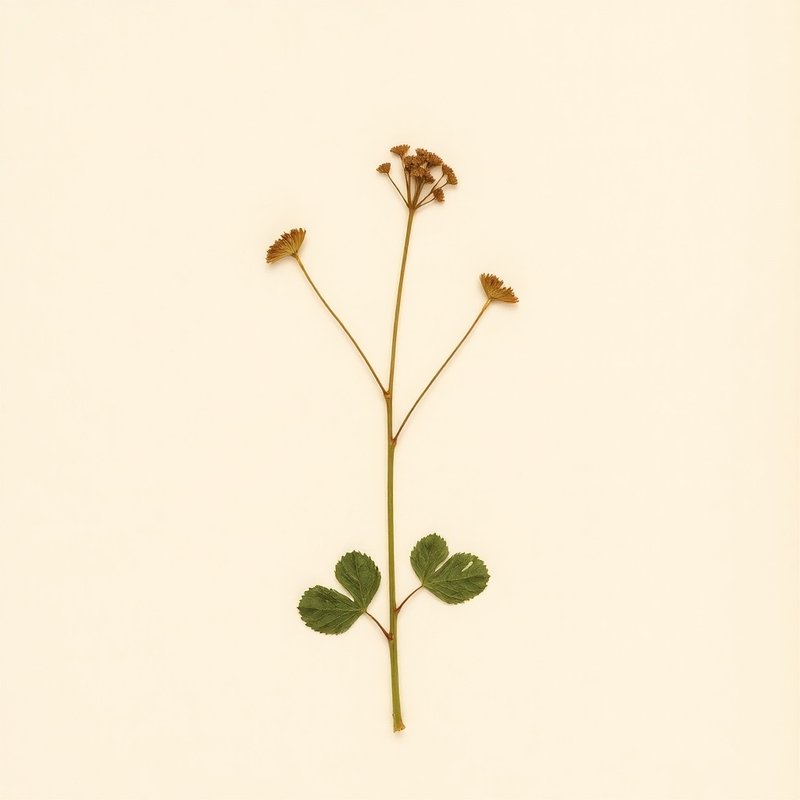
Pennywort, scientifically known as Umbilicus rupestris, is a hardy perennial plant native to a wide range of regions including Albania, Algeria, Bulgaria, and various Mediterranean islands such as the Azores and Baleares. This plant thrives in light to partial sun and prefers moist, well-draining soil that is light (sandy) or medium-textured, making it adaptable to diverse climates. Growing up to 0.3 meters tall, Pennywort is known for its edible leaves, which can be consumed fresh in salads or cooked as a vegetable. Its native range extends across the Mediterranean and into parts of Europe and North Africa, showcasing its adaptability in various environments. Pennywort is a valuable addition to gardens, particularly in areas with limited space, due to its compact form. The plant's leaves, which are typically white in color, are the primary edible part. While not traditionally used for medicinal purposes, its edible nature makes it a useful plant for culinary enthusiasts. Cultivation is relatively straightforward, as Pennywort can be easily propagated from cuttings. Given its hardiness in zones 6-9, it can be grown outdoors year-round within its hardiness zone, making it a versatile choice for gardeners in temperate climates.
What is Pennywort?
Pennywort, scientifically known as Umbilicus rupestris, is a hardy perennial plant native to a wide range of regions including Albania, Algeria, Bulgaria, and various Mediterranean islands such as the Azores and Baleares.
VCultivation
Cultivation
How to grow Pennywort for the first time
Start with easy-to-grow Pennywort for a simple gardening experience.
- 1
What you'll need
Pennywort plants or seeds, small pots, potting soil.
- 2
Best time to plant
Plant in spring when the weather starts warming up.
- 3
Soil and container prep
Use a light, well-draining potting mix. Ensure containers have drainage holes.
- 4
Sowing or transplanting
Transplant young Pennywort plants from small pots into larger ones as they grow.
- 5
First two weeks
Keep the soil moist and place in a sunny spot, but avoid direct sunlight for now.
- 6
Ongoing care
Place in full sun or partial shade. Water when the top inch of soil feels dry.
- 7
Harvest or pruning
Prune occasionally to maintain shape and encourage new growth.
VIEdible & utility
Edible & utility
VIIDistribution
28 native · 0 introduced
Distribution
28 native · 0 introducedIXSpecimen gallery
1 image
Specimen gallery
1 imageExplore further
About this entry
- Last updated
- Citation
- How to cite this entry · Submit a correction
Continue reading
Get archive updates
Occasional email when substantial new content lands — plant profiles, seasonal growing notes, folk-remedy additions. Free, no tracking, unsubscribe anytime.