
Kamchatka Bilberry
IOverview
Overview
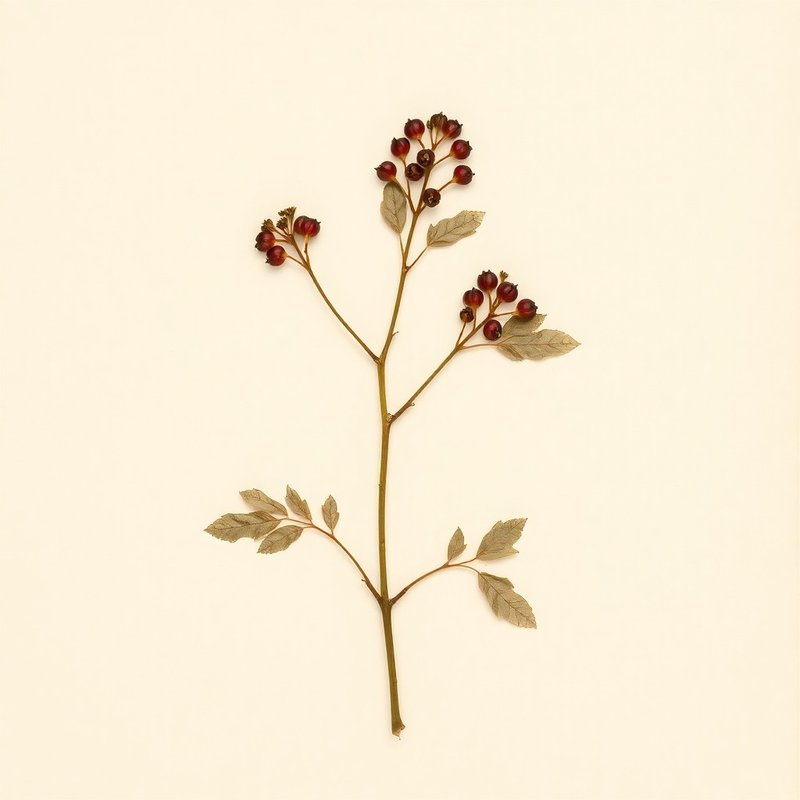
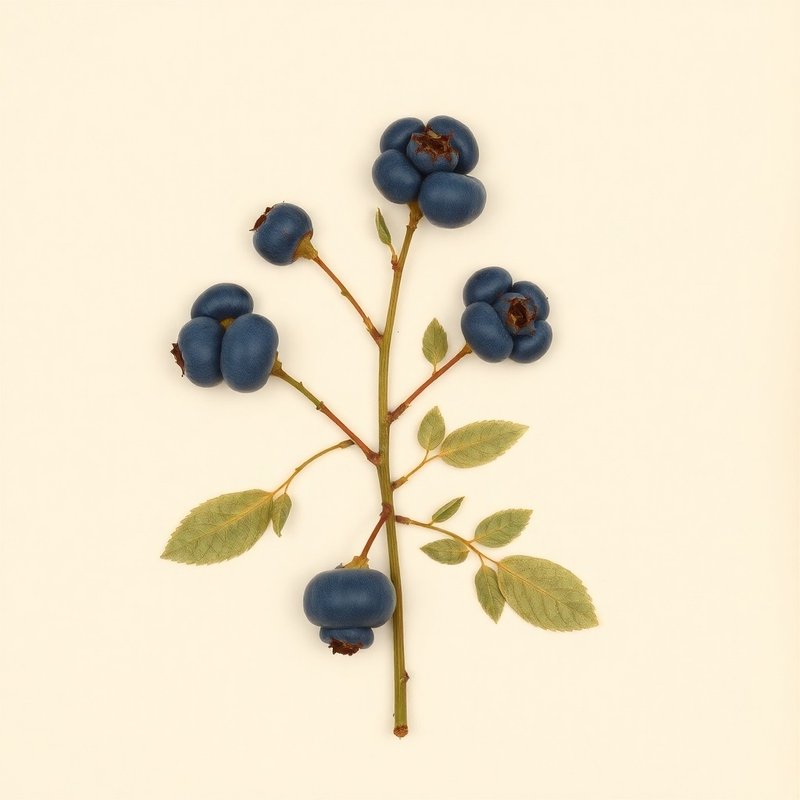
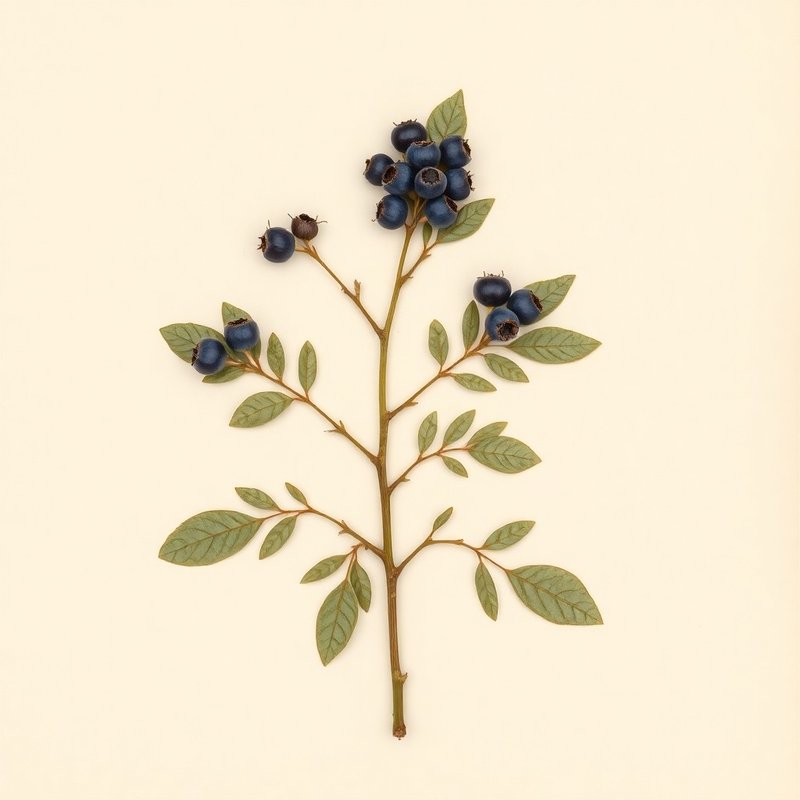
Kamchatka Bilberry, scientifically known as Vaccinium praestans, is a small shrub native to the cooler regions of Japan, Kamchatka, Khabarovsk, Kuril Islands, and Sakhalin. This plant thrives in partial sun or shade and prefers moist, light (sandy) to medium soil. It is hardy in zones 4-8 and grows to a height of about 20 cm, making it an ideal ground cover. Known for its edible fruit, which can be enjoyed fresh or used in various culinary applications, Kamchatka Bilberry's small, dark blue berries ripen in late summer and are often eaten raw but can also be used to make jams and preserves. The berries have a distinct flavor and are sometimes incorporated into desserts for added sweetness. Additionally, the plant has documented medicinal uses, though caution is advised when using it for any health purposes. In its native habitat, Kamchatka Bilberry is a valuable addition to both ornamental and edible gardens. Its slow growth and partial sun/shade preference make it suitable for a variety of garden settings. While the plant is not drought-resistant, it requires consistent moisture to thrive. Propagation can be done through seeds or by dividing established plants. Overall, Kamchatka Bilberry is a versatile and attractive plant with both culinary and ornamental value.
What is Kamchatka Bilberry?
Kamchatka Bilberry, scientifically known as Vaccinium praestans, is a small shrub native to the cooler regions of Japan, Kamchatka, Khabarovsk, Kuril Islands, and Sakhalin. This plant thrives in partial sun or shade and prefers moist, light (sandy) to medium soil.
IV·bMixology suggestions
2 drafts
Mixology suggestions
2 draftsVCultivation
Cultivation
How to grow Kamchatka Bilberry for the first time
Start with planting Kamchatka Bilberry in a partially shaded area, ensuring the soil is well-draining and moist.
- 1
What you'll need
Seeds or small plants, potting mix suitable for ericaceous plants, containers or garden bed.
- 2
Best time to plant
Plant in spring after the last frost or fall before the first freeze.
- 3
Soil and container prep
Use a well-draining potting mix with added perlite for sandy soil, ensuring pH is between 4.5-6.0.
- 4
Sowing or transplanting
Direct sow seeds in the ground or start them indoors 8 weeks before planting outside. Transplant small plants carefully to avoid damaging roots.
- 5
First two weeks
Keep soil consistently moist and provide partial shade if direct sunlight is strong.
- 6
Ongoing care
Water regularly, especially during dry spells, and mulch around the base to retain moisture. Prune lightly in late winter to maintain shape.
- 7
Harvest or pruning
Prune after fruiting to encourage new growth and remove dead branches. Harvest fruits when they turn a deep purple color.
VIEdible & utility
Edible & utility
VIIDistribution
5 native · 0 introduced
Distribution
5 native · 0 introducedIXSpecimen gallery
1 image
Specimen gallery
1 imageXSee also
8 related
See also
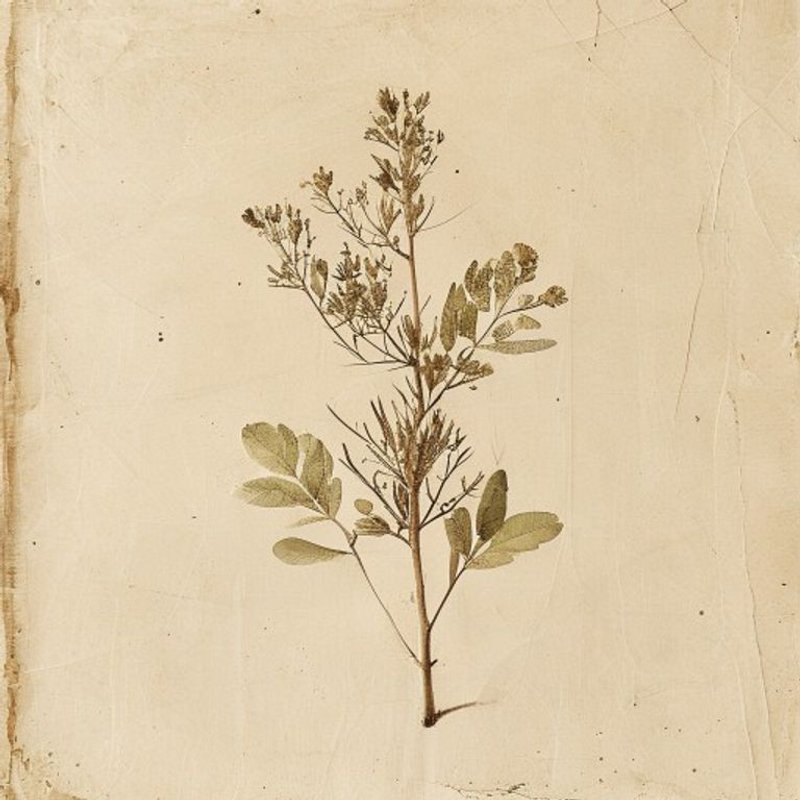
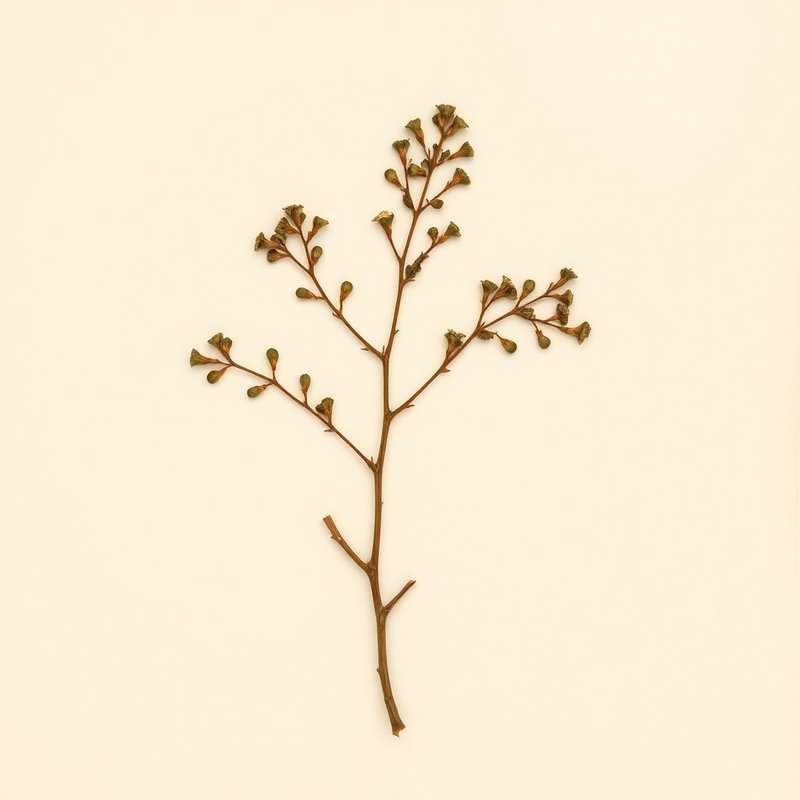
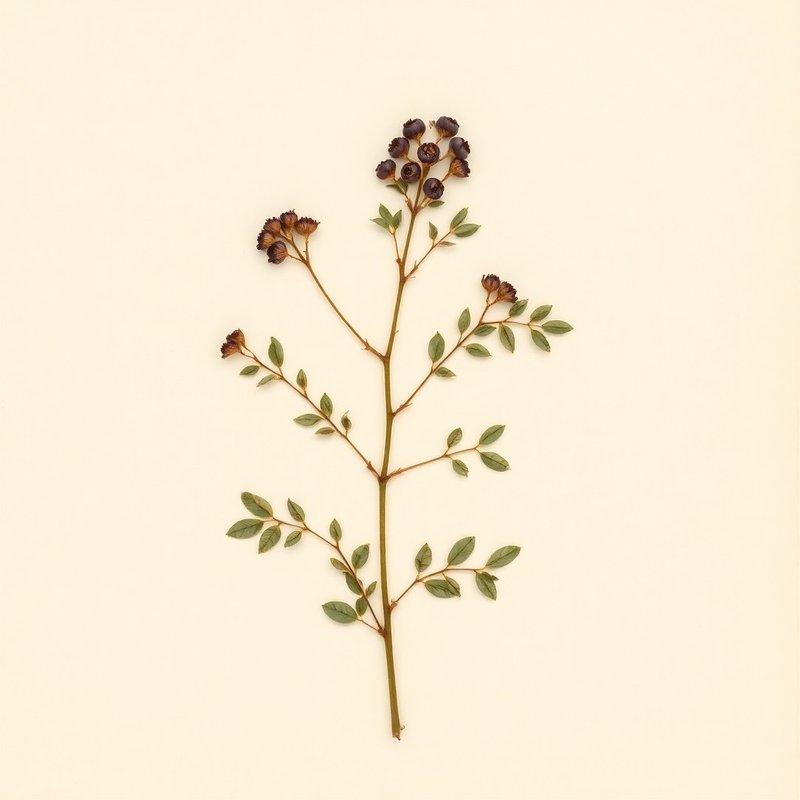
8 relatedPlants you might compare or use together — scored by shared family (Ericaceae), common use cases, and growing requirements.

Explore further
About this entry
- Last updated
- Citation
- How to cite this entry · Submit a correction
Continue reading
Get archive updates
Occasional email when substantial new content lands — plant profiles, seasonal growing notes, folk-remedy additions. Free, no tracking, unsubscribe anytime.