
Shittim Wood
Vachellia seyalfam. Fabaceae
Educational content — not medical, botanical, or professional advice. Plant identification, safety, and edibility depend on local conditions, cultivars, and correct identification. Consult a qualified botanist or forager before consuming or handling wild specimens. How we source & review →
Garden journal pausedUse profile notes below
Pl. CCFF — Vachellia seyal
Vachellia seyalVachellia seyalVachellia seyalVachellia seyalVachellia seyalVachellia seyalVachellia seyalVachellia seyalVachellia seyalVachellia seyalVachellia seyalVachellia seyalVachellia seyalVachellia seyal
IOverview
Overview
Shittim Wood, scientifically known as Vachellia seyal and belonging to the Fabaceae family, is a tree native to arid regions of Mauritania, Algeria, Benin, and Burkina Faso. Thriving in full sun, this adaptable tree can tolerate both dry and moist conditions, making it suitable for various soil types, from medium to heavy clay. Standing up to 10 meters tall, Shittim Wood is notable for its edible inner bark, which has been used by local communities. The tree's distinctive feature is its ability to grow in harsh environments, contributing to its significance as both an ornamental and a valuable resource in its native range. Cultivation highlights include its utility as a fire starter, cosmetic, dye, fencing, fiber, animal feed, gum, ink, pest control, erosion control, weaving material, tannin, lumber, nitrogen fixer, and fragrance. Shittim Wood has been introduced into numerous countries, including Algeria, Benin, Burkina, Burundi, Cameroon, Central African Republic, Chad, Djibouti, Egypt, Eritrea, Ethiopia, Gambia, Ivory Coast, Kenya, Mali, Mozambique, Niger, Nigeria, Saudi Arabia, Senegal, Somalia, Sudan, Tanzania, Uganda, Yemen, and Zambia. While the inner bark is edible, caution is advised against recommending specific medicinal uses or dosages.
Quick answers
What is Shittim Wood?
Shittim Wood, scientifically known as Vachellia seyal and belonging to the Fabaceae family, is a tree native to arid regions of Mauritania, Algeria, Benin, and Burkina Faso.
Growingconditions · propagation · uses
VCultivation
Cultivation
Shittim Wood thrives in full sun and is adaptable to both dry and moist conditions. It prefers medium to heavy clay soil but can tolerate various soil types. This tree grows up to 10 meters tall and is hardy in zones 10-12. For propagation, use the inner bark, which is edible. Ensure the plant receives adequate water during establishment but allow it to dry out between watering once established.
Light
Full sun
Water
Dry, Moist
Soil
Medium, Heavy (clay)
Hardiness
10-12
Mature size
10.0 m tall
For first-time growers
How to grow Shittim Wood for the first time
8steps
Start with a simple, full-sun planting to get familiar with Shittim Wood.
- 1
What you'll need
A young Shittim Wood sapling and a small shovel.
- 2
Best time to plant
Plant in spring when the soil is moist but not waterlogged.
- 3
Soil and container prep
Choose well-draining soil with some clay content. Ensure containers have drainage holes.
- 4
Sowing or transplanting
Transplant your sapling into a sunny spot, digging a hole slightly larger than the root ball.
- 5
First two weeks
Water sparingly to avoid waterlogging but ensure roots are moist. Monitor for pests and diseases.
- 6
Ongoing care
Provide full sun exposure. Water only when dry, especially in hotter months. Prune lightly if needed.
- 7
Harvest or pruning
Focus on pruning to maintain shape rather than harvesting parts for use.
- 8
Common mistakes
Overwatering, planting in poorly drained soil, and not providing enough sunlight are common issues.
VIEdible & utility
Edible & utility
Edible parts:Inner bark
Edible uses: Gum, Sweetener
Other uses:Fire starterCosmeticDyeFencingFiberAnimal feedGumInkPest controlErosion controlWeaving materialTanninLumberNitrogen fixerFragrance
Contextrange · companions · related
VIIDistribution
27 native · 29 introduced
Distribution
27 native · 29 introducedDistribution across3 continents· 27 native· 29 introduced
Asia4 regions
native (2)Saudi ArabiaYemen
introduced (2)Saudi ArabiaYemen
Americas1 region
introduced (1)Honduras
Africa47 regions
native (24)AlgeriaBeninBurkina FasoBurundiCameroonChadCôte d'IvoireDjiboutiEgyptEritreaEthiopiaGambiaKenyaMaliMauritaniaMozambiqueNigerNigeriaSenegalSomaliaSudanTanzaniaUgandaZambia
introduced (23)AlgeriaBeninBurkina FasoBurundiCameroonChadCôte d'IvoireDjiboutiEgyptEritreaEthiopiaGambiaKenyaMaliMozambiqueNigerNigeriaSenegalSomaliaSudanTanzaniaUgandaZambia
Broader regions
native:Central African Repu
introduced:Central African Repu, Florida, Texas
XSee also
8 related
See also
8 relatedPlants you might compare or use together — scored by shared family (Fabaceae), common use cases, and growing requirements.
same family · Fabaceae
Botanical relatives — often share phytochemistry + growing needs.
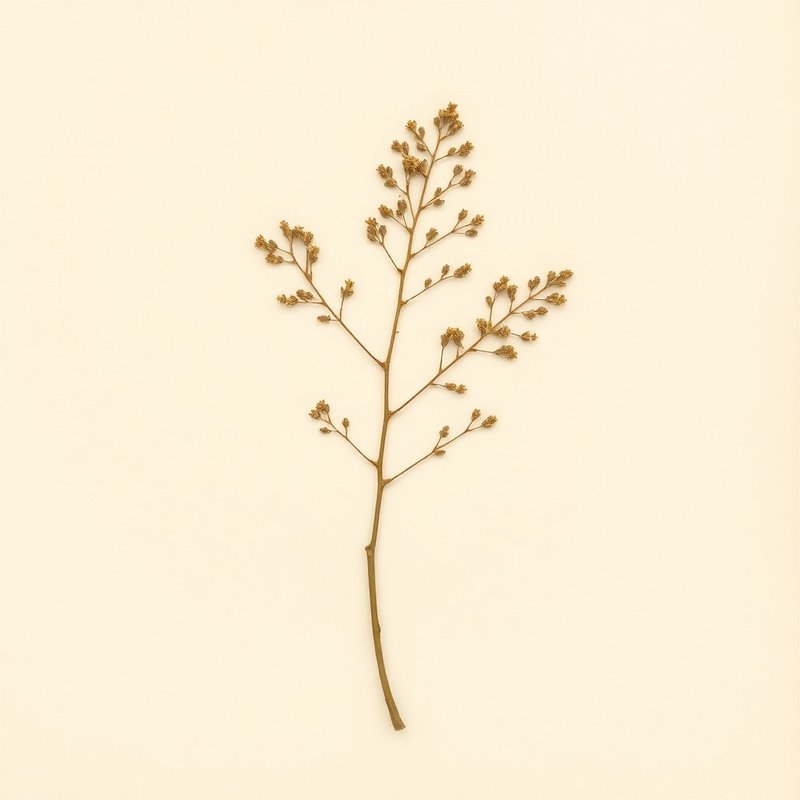
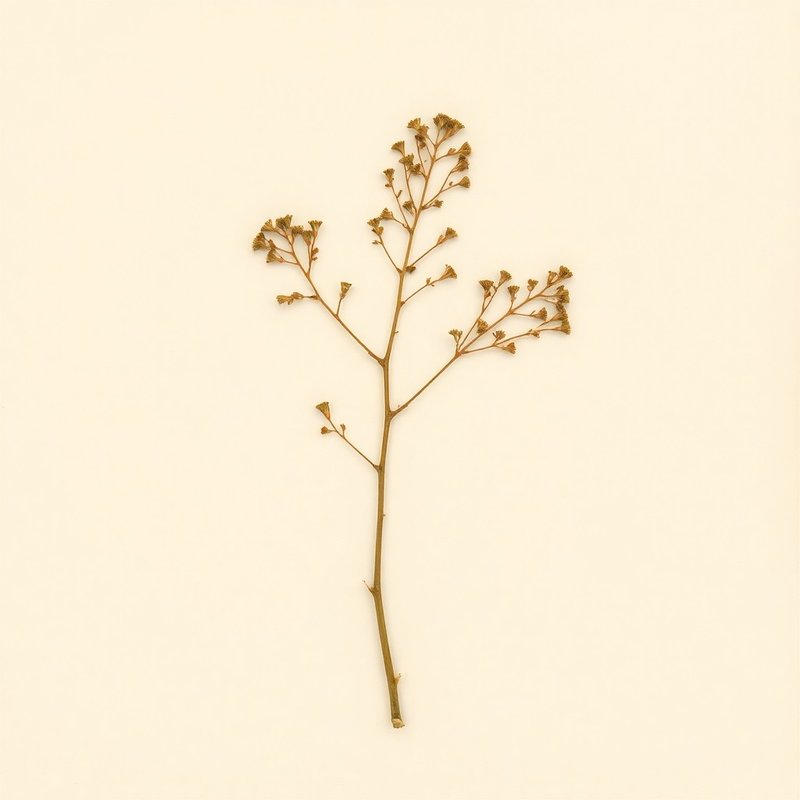
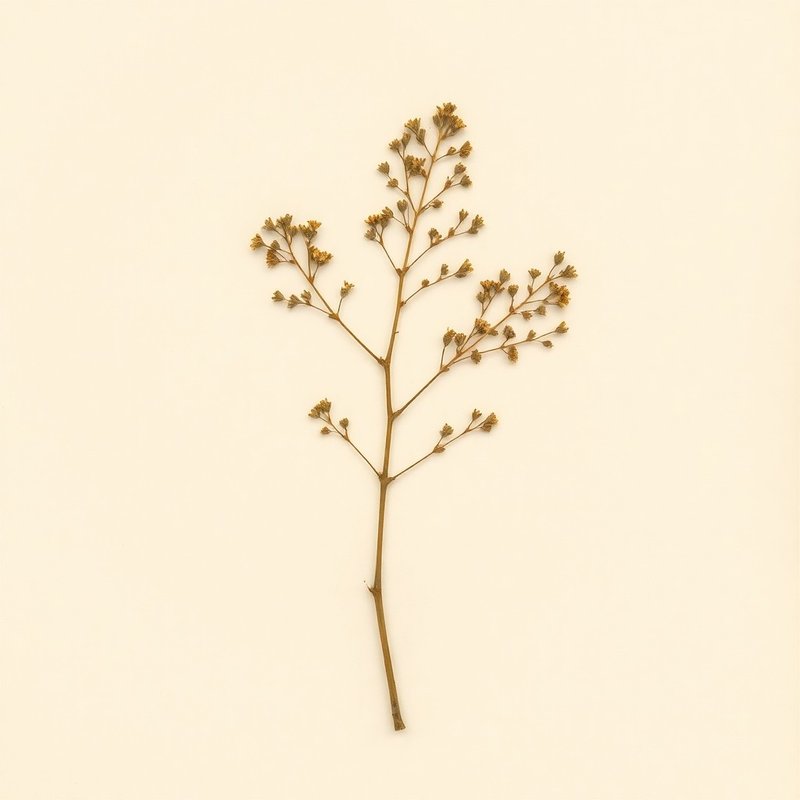
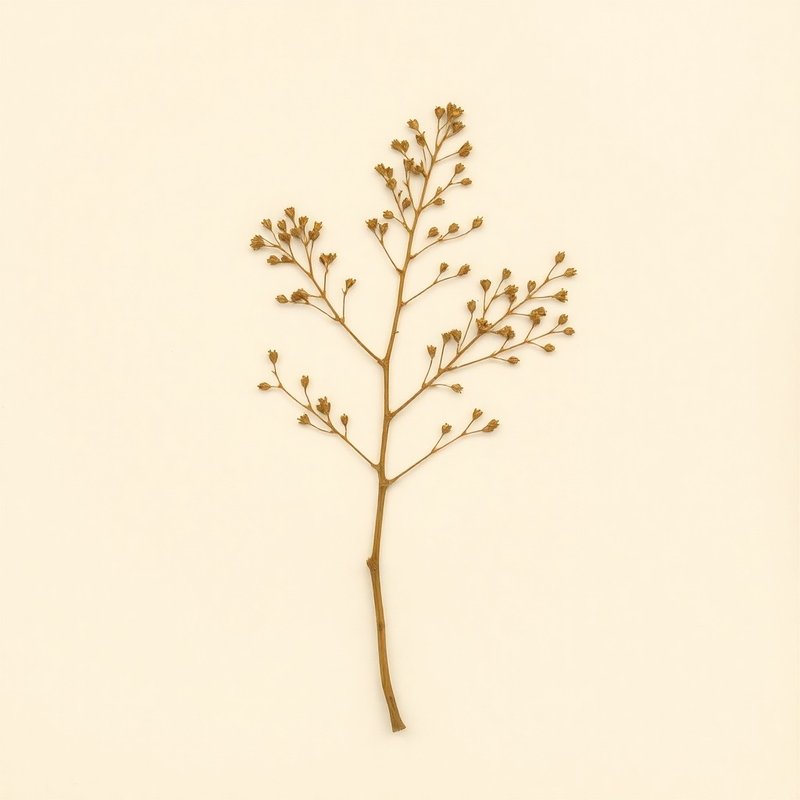
XI
Explore further
Companion planting
Compare with similar plants
Growing zone
XII
About this entry
- Last updated
- Citation
- How to cite this entry · Submit a correction
Back to the cataloguePlant id · ccff4db3-11fc-4e6c-8b17-097ceebc8514
Decision aid
Choosing between Shittim Wood and something else?
Continue reading
❦❦❦❦
Endpaper · archive updates
Get archive updates
Occasional email when substantial new content lands — plant profiles, seasonal growing notes, folk-remedy additions. Free, no tracking, unsubscribe anytime.
Newsletter returning soon.
We are rebuilding the update list around a lightweight editorial workflow. New dispatches will resume after the next content review cycle.