
Umbrella Thorn
Vachellia tortilisfam. Fabaceae
Educational content — not medical, botanical, or professional advice. Plant identification, safety, and edibility depend on local conditions, cultivars, and correct identification. Consult a qualified botanist or forager before consuming or handling wild specimens. How we source & review →
Garden journal pausedUse profile notes below
Pl. 9C78 — Vachellia tortilis
Vachellia tortilisVachellia tortilisVachellia tortilisVachellia tortilisVachellia tortilisVachellia tortilisVachellia tortilisVachellia tortilisVachellia tortilisVachellia tortilisVachellia tortilisVachellia tortilisVachellia tortilisVachellia tortilis
IOverview
Overview
The Umbrella Thorn (Vachellia tortilis), a large deciduous tree from the Fabaceae family, is native to a wide range of countries across Africa, including Algeria, Angola, Botswana, Burkina Faso, and many others. This tree, known for its distinctive umbrella-like canopy of thorny branches, thrives in full sun and adapts to various soil types, from light sandy to medium. It can grow up to 15 meters tall and is both ornamental and edible, with parts such as the seed, seedpod, and stem being utilized. Its native range extends into regions like Algeria, Angola, Botswana, and Burkina Faso, where it plays a significant role in its ecosystem. In cultivation, the Umbrella Thorn thrives in full sun and prefers dry to moist conditions with well-draining soil that is light (sandy) or medium. It grows up to 15 meters tall and is hardy in zones 10-12. This versatile plant can be grown for its edible parts, including seeds, seedpods, and stems, making it a valuable addition to landscapes and gardens. Its hardiness and adaptability make it suitable for various uses, such as crafting, biomass, fire starter, disinfectant, fiber, animal feed, lumber, gum, wind breaker, erosion control, tannin, coppice, and nitrogen fixer. The Umbrella Thorn has been introduced into regions like India, Madagascar, and Pakistan, expanding its utility and presence in diverse environments.
Quick answers
What is Umbrella Thorn?
The Umbrella Thorn (Vachellia tortilis), a large deciduous tree from the Fabaceae family, is native to a wide range of countries across Africa, including Algeria, Angola, Botswana, Burkina Faso, and many others.
Growingconditions · propagation · uses
VCultivation
Cultivation
Umbrella Thorn thrives in full sun and prefers well-draining soil that can be light (sandy) or medium. It is drought-tolerant and does best in dry to moist conditions. This hardy plant, suitable for zones 10-12, can grow up to 15 meters tall. Propagation is typically done through seeds or stem cuttings. Harvest edible parts such as seeds, seedpods, and stems.
Light
Full sun
Water
Dry, Moist
Soil
Light (sandy), Medium
Hardiness
10-12
Mature size
15.0 m tall
For first-time growers
How to grow Umbrella Thorn for the first time
8steps
Start with planting Umbrella Thorn in a sunny spot; it’s perfect for beginners.
- 1
What you'll need
Seeds or young plants, a shovel, and a watering can.
- 2
Best time to plant
Plant in spring when the soil is warm and moist.
- 3
Soil and container prep
Choose well-draining soil; avoid heavy clay. For containers, use a mix of peat moss, perlite, and sand.
- 4
Sowing or transplanting
Direct sow seeds in the ground after last frost or start young plants indoors 6-8 weeks before planting.
- 5
First two weeks
Water regularly to keep soil moist. Avoid overwatering, as it can lead to root rot.
- 6
Ongoing care
Provide full sun and minimal watering once established. Prune lightly in late winter to maintain shape.
- 7
Harvest or pruning
Focus on pruning for shaping; avoid harvesting parts, as this is not a common practice.
- 8
Common mistakes
Overwatering, planting too deep, and neglecting sun exposure are the most common issues beginners face.
VIEdible & utility
Edible & utility
Edible parts:SeedSeedpodStem
Edible uses: Gum
Other uses:CraftingBiomassFire starterDisinfectantFiberAnimal feedLumberGumWind breakerErosion controlTanninCoppiceNitrogen fixer
Contextrange · companions · related
VIIDistribution
42 native · 3 introduced
Distribution
42 native · 3 introducedDistribution across2 continents· 42 native· 3 introduced
Asia6 regions
native (4)OmanPalestineSaudi ArabiaYemen
introduced (2)IndiaPakistan
Africa30 regions
native (29)AlgeriaAngolaBotswanaBurkina FasoChadDjiboutiEgyptEritreaEswatiniEthiopiaKenyaLibyaMalawiMaliMauritaniaMoroccoMozambiqueNamibiaNigerNigeriaSenegalSomaliaSudanTanzaniaTunisiaUgandaWestern SaharaZambiaZimbabwe
introduced (1)Madagascar
Broader regions
native:Cape Provinces, Caprivi Strip, Free State, Gulf States, KwaZulu-Natal, Lebanon-Syria, Northern Provinces, Sinai, Socotra
XSee also
8 related
See also
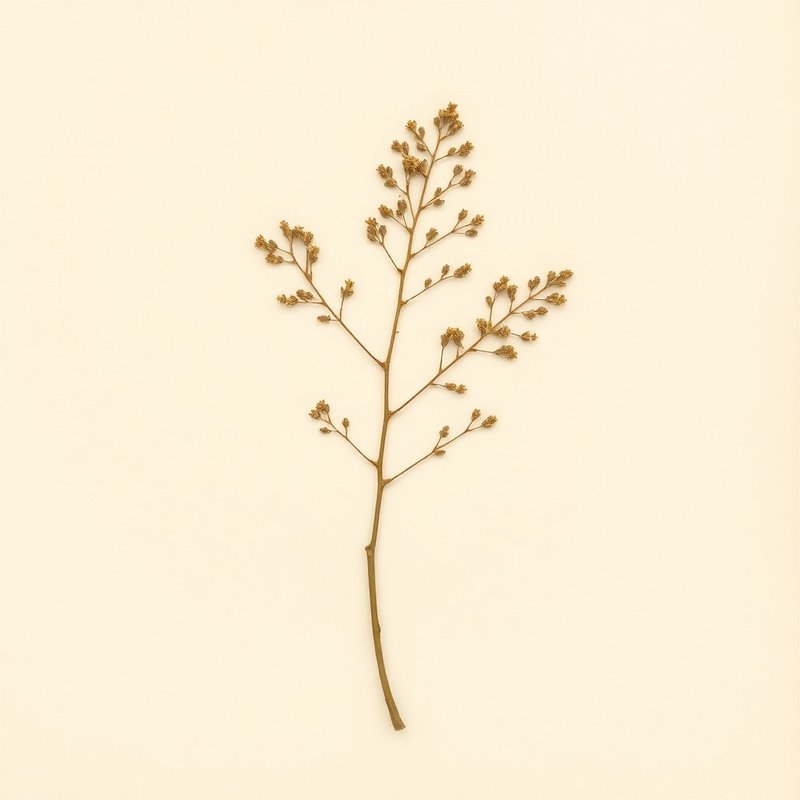
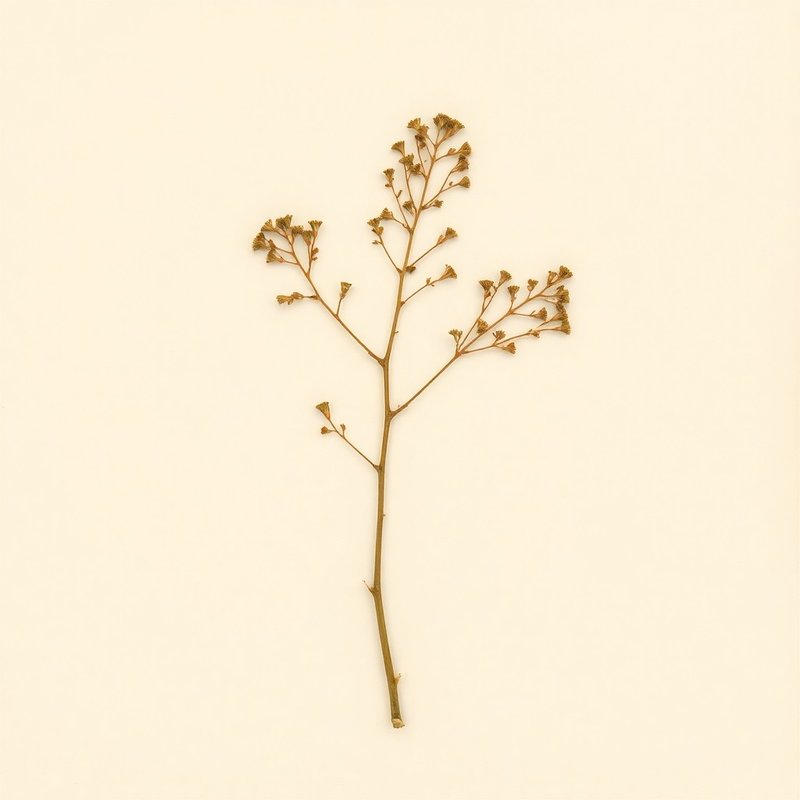
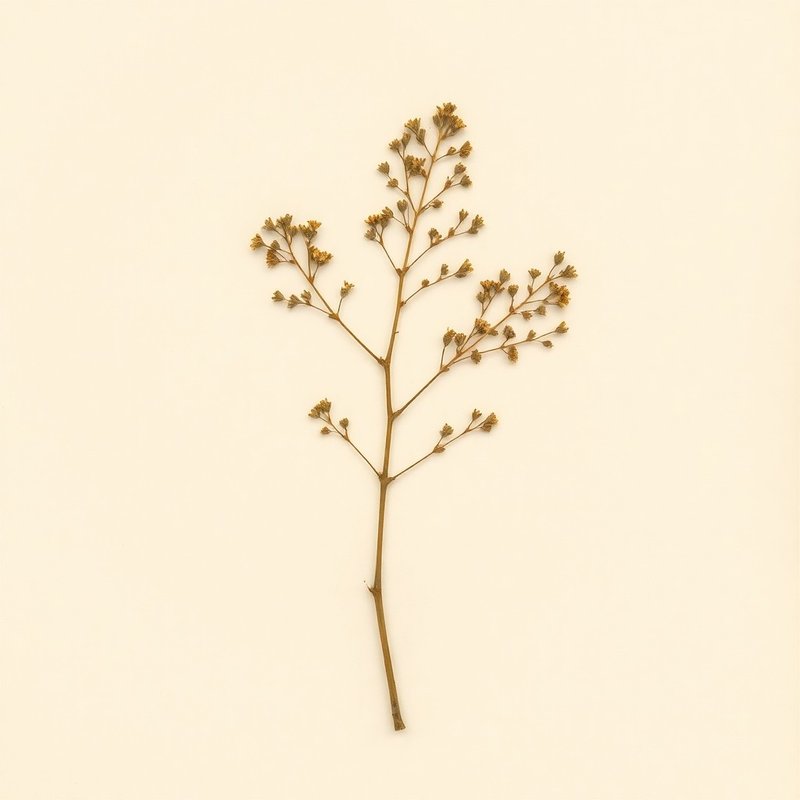
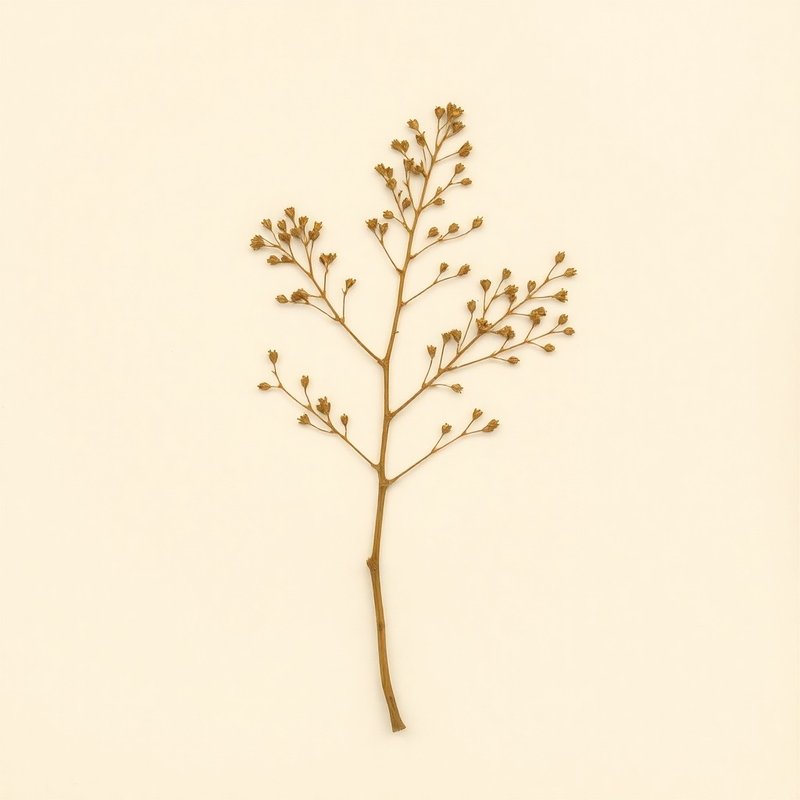
8 relatedPlants you might compare or use together — scored by shared family (Fabaceae), common use cases, and growing requirements.
same family · Fabaceae
Botanical relatives — often share phytochemistry + growing needs.
XI
Explore further
Companion planting
Compare with similar plants
Growing zone
XII
About this entry
- Last updated
- Citation
- How to cite this entry · Submit a correction
Back to the cataloguePlant id · 9c7867fc-c17f-4bba-bc2e-0d92132b6848
Decision aid
Choosing between Umbrella Thorn and something else?
Continue reading
❦❦❦❦
Endpaper · archive updates
Get archive updates
Occasional email when substantial new content lands — plant profiles, seasonal growing notes, folk-remedy additions. Free, no tracking, unsubscribe anytime.
Newsletter returning soon.
We are rebuilding the update list around a lightweight editorial workflow. New dispatches will resume after the next content review cycle.