
Water Speedwell
Veronica anagallis-aquaticafam. Lamiaceae
Educational content — not medical, botanical, or professional advice. Always consult a qualified clinician before using any herbal preparation — especially during pregnancy, breastfeeding, while on medication, or for children. How we source & review →
Garden journal pausedUse profile notes below
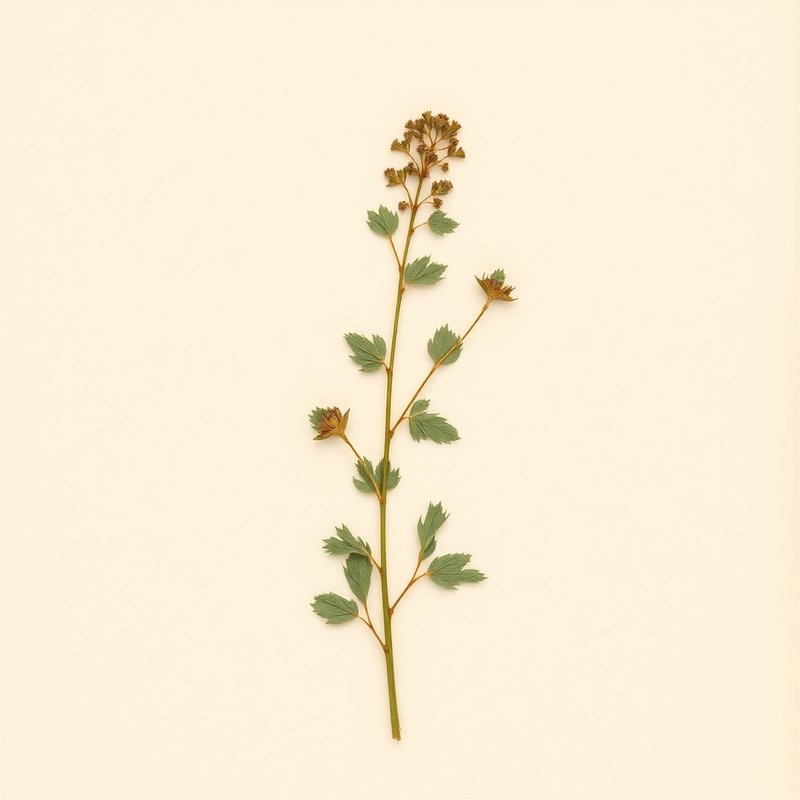
Pl. 080A — Veronica anagallis-aquatica
Veronica anagallis-aquaticaVeronica anagallis-aquaticaVeronica anagallis-aquaticaVeronica anagallis-aquaticaVeronica anagallis-aquaticaVeronica anagallis-aquaticaVeronica anagallis-aquaticaVeronica anagallis-aquaticaVeronica anagallis-aquaticaVeronica anagallis-aquaticaVeronica anagallis-aquaticaVeronica anagallis-aquaticaVeronica anagallis-aquaticaVeronica anagallis-aquatica
IOverview
Overview
Water Speedwell (Veronica anagallis-aquatica) is a perennial herb belonging to the Lamiaceae family, commonly found in wet habitats across Europe, Asia, and Africa, from Albania to Yemen, including countries like Nepal and Namibia. This adaptable plant can grow up to 0.3 meters tall and is known for its edible leaves, which can be consumed raw or cooked, adding a mild flavor to salads or other dishes. Its ability to thrive in various soil types, including light (sandy), medium, and heavy (clay) soils, with a preference for a pH between 7 and 7.5, makes it a versatile addition to gardens or natural settings where moisture is consistent. Water Speedwell is often found in diverse environments, making it a valuable ornamental plant. While not extensively documented for medicinal uses, it is worth noting that its leaves and other parts may contain compounds that could have potential benefits, though further research is needed.
Quick answers
What is Water Speedwell?
Water Speedwell (Veronica anagallis-aquatica) is a perennial herb belonging to the Lamiaceae family, commonly found in wet habitats across Europe, Asia, and Africa, from Albania to Yemen, including countries like Nepal and Namibia. This adaptable plant can grow up to 0.
IV·bMixology suggestions
2 drafts
Mixology suggestions
2 draftsEditorial drafts. These pairings are AI-suggested from traditional herbal lore. Always verify with a qualified herbalist before brewing.
Water Speedwell & Willow
immunetincture
Traditional use for boosting the immune system.
Soothing Dewberry
skintea
Traditional use for soothing skin irritations.
Growingconditions · propagation · uses
VCultivation
Cultivation
Water Speedwell thrives in wet conditions and prefers light to heavy soil, with a pH of 7–7.5. It is a perennial forb/herb that grows to about 0.3 meters tall. For optimal growth, provide it with plenty of light, as it rates light sensitivity at 8/10. Water it regularly to keep the soil consistently moist. Propagate through division or seed sowing. This plant is hardy in temperate regions and can be found in various parts of the world. Its edible leaves and documented medicinal uses make it a versatile addition to gardens and landscapes.
Light
8/10
Water
Wet, Water
Soil
Light (sandy), Medium, Heavy (clay)
Life cycle
Perennial
Habit
Forb/herb
Mature size
0.3 m tall
Soil pH
7–7.5
For first-time growers
How to grow Water Speedwell for the first time
8steps
Start with Water Speedwell as a simple, low-maintenance perennial for your garden.
- 1
What you'll need
A packet of seeds or young plants, a small trowel, and some compost.
- 2
Best time to plant
Plant in spring after the last frost or in autumn for better root establishment.
- 3
Soil and container prep
Ensure soil is well-draining with a pH of 7–7.5, and prepare containers at least 10 inches wide and deep.
- 4
Sowing or transplanting
Direct sow seeds in the ground or start young plants indoors before transplanting them outside.
- 5
First two weeks
Keep soil consistently moist and protect from direct sunlight for a few days after planting.
- 6
Ongoing care
Water regularly, especially during dry spells, and mulch to retain moisture. Prune occasionally to maintain shape.
- 7
Harvest or pruning
Prune back any dead foliage in early spring to encourage new growth and remove flowers after they fade.
- 8
Common mistakes
Overwatering, planting too deep, neglecting regular pruning, using incorrect soil pH, and not providing enough sunlight.
VIEdible & utility
Edible & utility
Edible parts:Leaves
Edible uses: The leaves of Water Speedwell are edible and can be consumed raw or cooked. Typically, they are prepared fresh in salads or lightly steamed to enhance their mild flavor. Skip the detailed preparation methods as specific recipes were not provided.
Contextrange · companions · related
VIIDistribution
108 native · 62 introduced
Distribution
108 native · 62 introducedDistribution across4 continents· 108 native· 62 introduced
Europe26 regions
native (26)AlbaniaAustriaBelarusBelgiumBulgariaCyprusDenmarkFinlandFranceGermanyGreeceHungaryIcelandIrelandItalyNetherlandsNorwayPolandPortugalRomaniaRussiaSpainSwedenSwitzerlandUkraineUnited Kingdom
Asia19 regions
native (16)BangladeshChinaIndiaIranIraqKazakhstanMongoliaMyanmarNepalPakistanPalestineSaudi ArabiaTurkeyTurkmenistanUzbekistanYemen
introduced (3)GeorgiaJapanSouth Korea
Americas3 regions
introduced (3)BoliviaPeruUruguay
Africa22 regions
native (21)AlgeriaCabo VerdeChadDjiboutiEgyptEritreaEswatiniEthiopiaKenyaLesothoLibyaMoroccoNamibiaRwandaSomaliaSudanTanzaniaTunisiaUgandaZambiaZimbabwe
introduced (1)Mauritius
Broader regions
native:Altay, Baltic States, Buryatiya, Cape Provinces, Chita, Czechoslovakia, East Aegean Is., East Himalaya, Free State, Irkutsk, Kirgizstan, Krasnoyarsk, Kriti, KwaZulu-Natal, Lebanon-Syria, Northern Provinces, Tadzhikistan, Transcaucasus, Turkey-in-Europe, Tuva, West Himalaya, Yugoslavia, Zaïre
introduced:Alabama, Alberta, Argentina Northeast, Argentina Northwest, Argentina South, Arizona, Brazil South, Brazil Southeast, British Columbia, California, Chile Central, Chile North, Chile South, Colorado, Connecticut, Delaware, District of Columbia, Florida, Illinois, Indiana, Iowa, Juan Fernández Is., Kansas, Kentucky, Maine, Maryland, Michigan, Missouri, Montana, Nebraska, Nevada, New Jersey, New Mexico, New York, New Zealand North, North Carolina, North Dakota, Ohio, Oklahoma, Ontario, Oregon, Pennsylvania, Primorye, Rhode I., South Dakota, St.Helena, Tennessee, Texas, Utah, Vermont, Virginia, Washington, West Virginia, Wisconsin, Wyoming
XSee also
8 related
See also
8 relatedPlants you might compare or use together — scored by shared family (Lamiaceae), common use cases, and growing requirements.
same family · Lamiaceae
Botanical relatives — often share phytochemistry + growing needs.
XI
Explore further
Companion planting
Compare with similar plants
XII
About this entry
- Last updated
- Citation
- How to cite this entry · Submit a correction
Back to the cataloguePlant id · 080ac354-2aa3-41ce-b371-b64d4067a469
Decision aid
Choosing between Water Speedwell and something else?
Continue reading
❦❦❦❦
Endpaper · archive updates
Get archive updates
Occasional email when substantial new content lands — plant profiles, seasonal growing notes, folk-remedy additions. Free, no tracking, unsubscribe anytime.
Newsletter returning soon.
We are rebuilding the update list around a lightweight editorial workflow. New dispatches will resume after the next content review cycle.