
Pea Vetch
IOverview
Overview
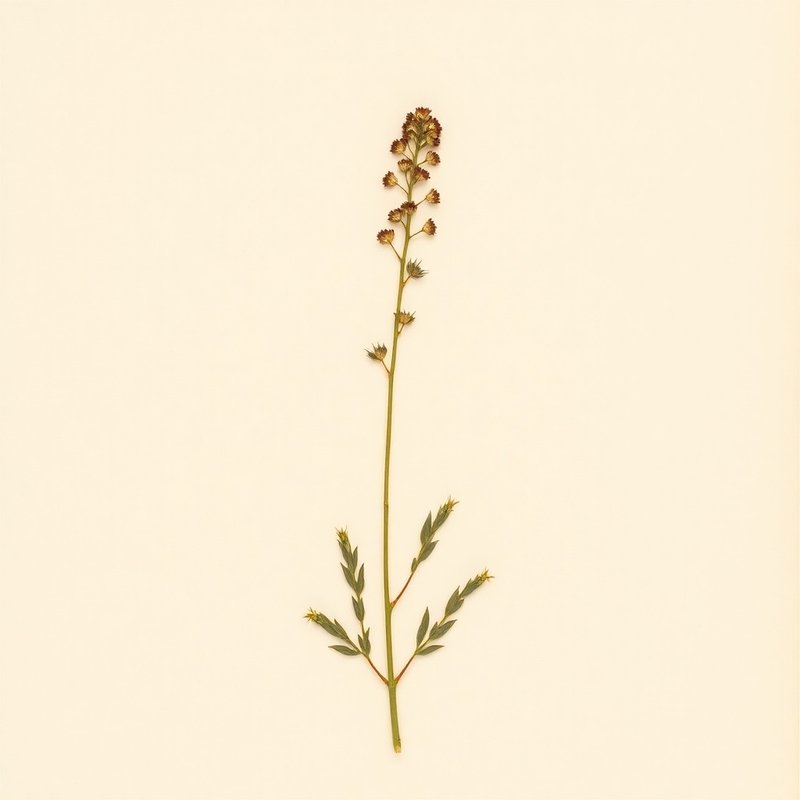
Pea Vetch, scientifically known as *Vicia pisiformis*, is a perennial legume native to central and eastern European regions such as Albania, Austria, Belarus, Bulgaria, and Ukraine. This plant thrives in moist, light to heavy soil with a pH range of 7.5–8, making it adaptable to various growing conditions. Pea Vetch is known for its edible leaves and seeds, which can be consumed fresh or dried. The leaves are often used as forage or green manure due to the plant's nitrogen-fixing abilities, enhancing soil fertility. This legume can grow up to 1.8 meters in height, providing a striking presence in landscapes while contributing to soil health through its root nodules that host beneficial bacteria. Pea Vetch is particularly suited to environments with partial shade and requires consistently moist but not waterlogged soil. For cultivation, it can be propagated by seed sowing in spring or dividing established plants in early spring. Pea Vetch's distinctive feature includes its yellow flowers, which typically bloom in May, adding a splash of color to the garden. While primarily used for its edible and nitrogen-fixing properties, this plant is also valuable as an ornamental addition to gardens and landscapes. However, it is important to note that while Pea Vetch can be beneficial for soil health, direct consumption or medicinal use should be approached with caution due to potential allergenic compounds.
What is Pea Vetch?
Pea Vetch, scientifically known as *Vicia pisiformis*, is a perennial legume native to central and eastern European regions such as Albania, Austria, Belarus, Bulgaria, and Ukraine. This plant thrives in moist, light to heavy soil with a pH range of 7.
VCultivation
Cultivation
- Seed viability
- 3-5 years
How to grow Pea Vetch for the first time
Pea Vetch is a hardy perennial that's easy to grow for beginners, making it perfect for your first gardening project.
- 1
What you'll need
Seeds or seedlings of Pea Vetch, a small trowel, and a watering can.
- 2
Best time to plant
Plant in early spring when the soil is workable, or in late summer for fall germination.
- 3
Soil and container prep
Choose a location with well-draining soil that's light (sandy), medium, or heavy. Ensure the pH is between 7.5 and 8.
- 4
Sowing or transplanting
Direct sow seeds 1-2 cm deep in rows spaced about 30 cm apart. Alternatively, plant seedlings at the same depth as they were in their container.
- 5
First two weeks
Keep soil consistently moist but not waterlogged during germination. Thin plants to ensure good air circulation once they sprout.
- 6
Ongoing care
Pea Vetch prefers light shade and regular watering, especially in dry periods. Mulch around the base for moisture retention.
- 7
Harvest or pruning
Prune back any dead or leggy growth to encourage bushy foliage and prevent disease.
- 8
Common mistakes
Overwatering, planting too deep, neglecting to mulch, and not providing enough light are common pitfalls for beginners.
VIEdible & utility
Edible & utility
VIIDistribution
24 native · 1 introduced
Distribution
24 native · 1 introducedIXSpecimen gallery
1 image
Specimen gallery
1 imageExplore further
About this entry
- Last updated
- Citation
- How to cite this entry · Submit a correction
Continue reading
Get archive updates
Occasional email when substantial new content lands — plant profiles, seasonal growing notes, folk-remedy additions. Free, no tracking, unsubscribe anytime.