Skip to content
IIIFolio · plant profile№ ED2Bmedicinal · edible
Data provenancePermapeopleTreflePFAFeditorially reviewedreviewed 22 Oct 2026methodology → read
Home/Plants/Fabaceae

Winter Tares

Vicia sativa leucospermafam. Fabaceae
Educational content — not medical, botanical, or professional advice. Always consult a qualified clinician before using any herbal preparation — especially during pregnancy, breastfeeding, while on medication, or for children. How we source & review →
medicinaledibleannualvinesannualedibleedible leafedible seedherbmedicinalnitrogen fixervine
Updated·Quick Q&A →
Garden journal pausedUse profile notes below
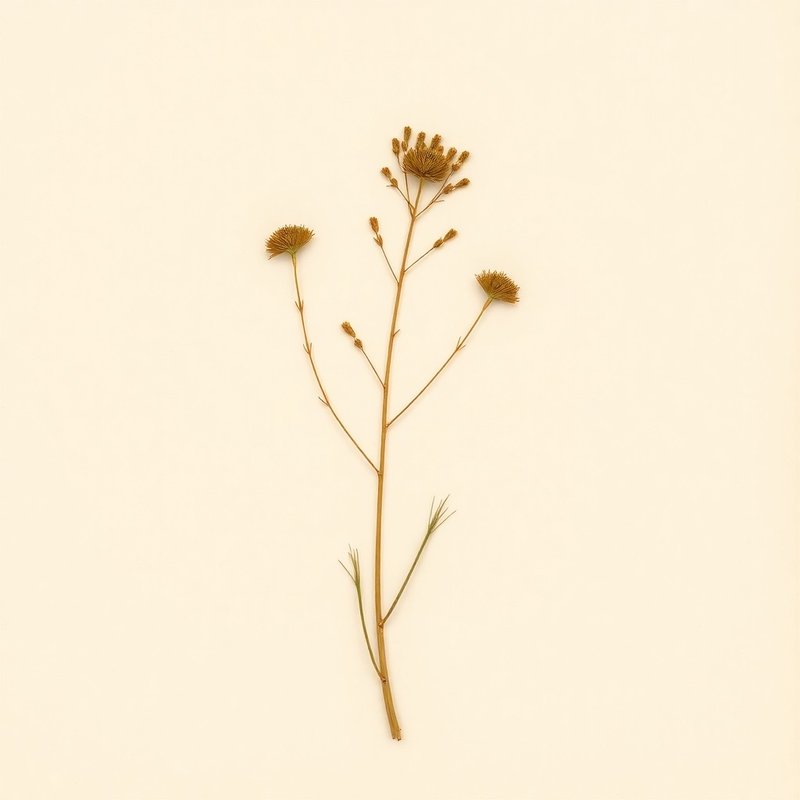
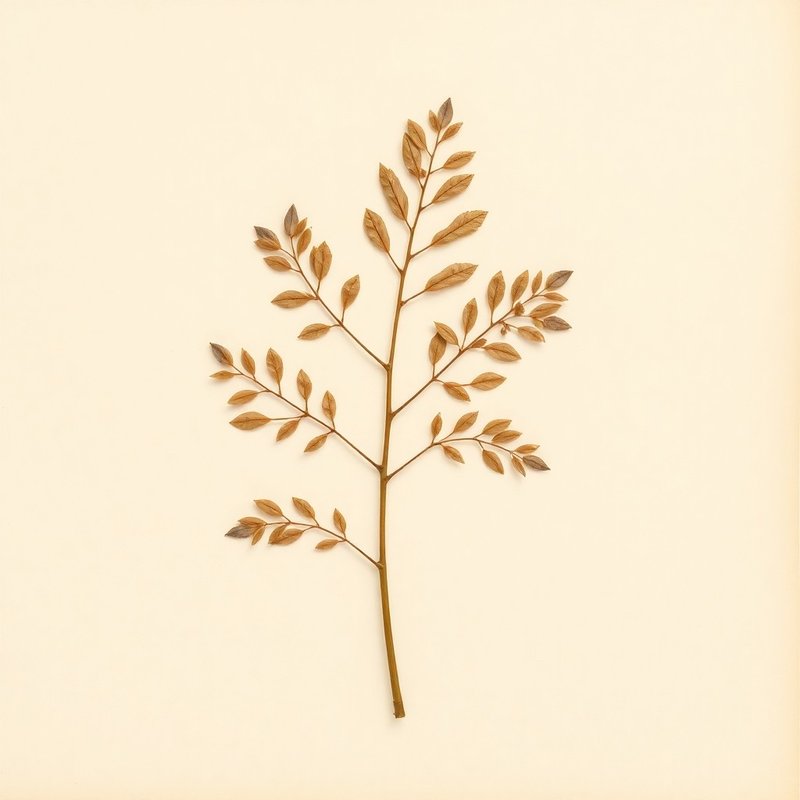
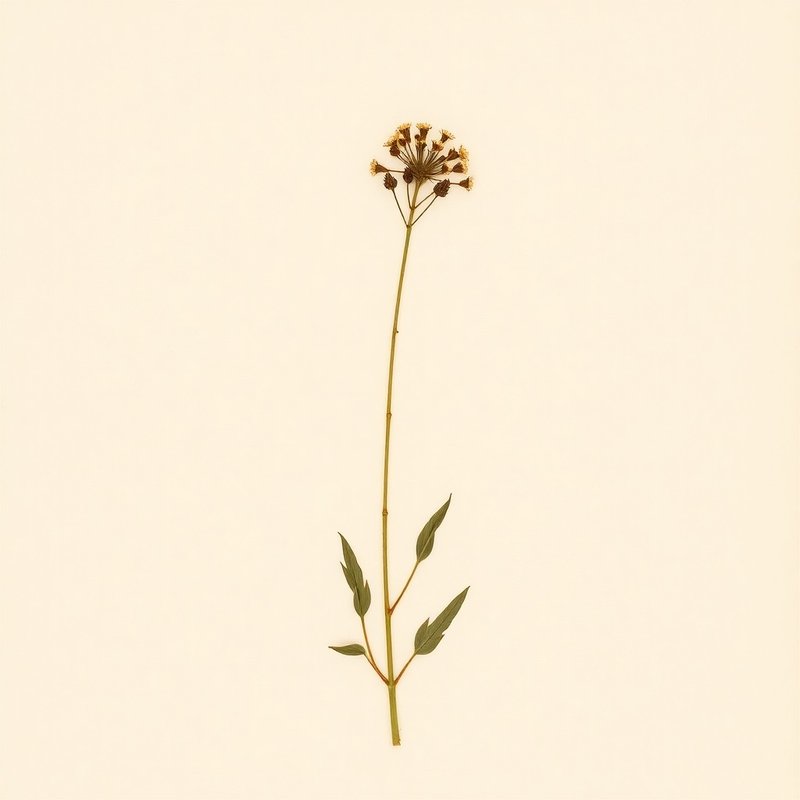
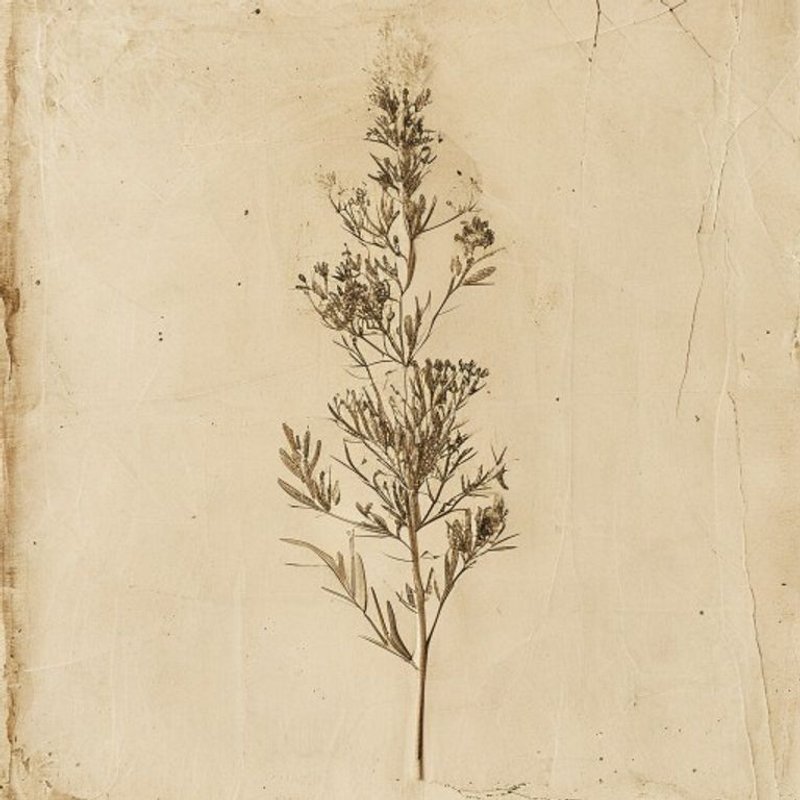
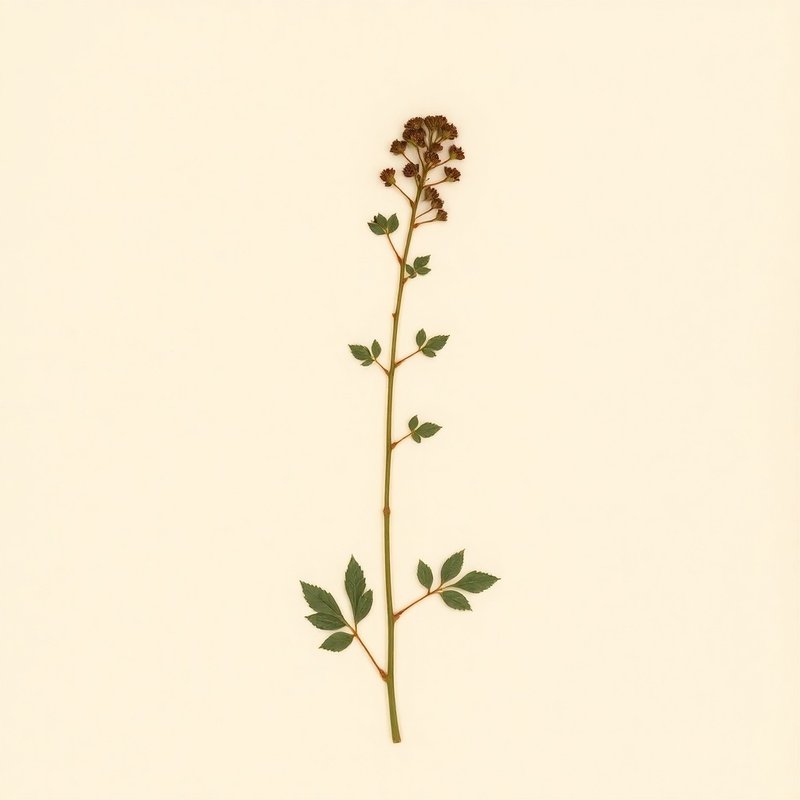
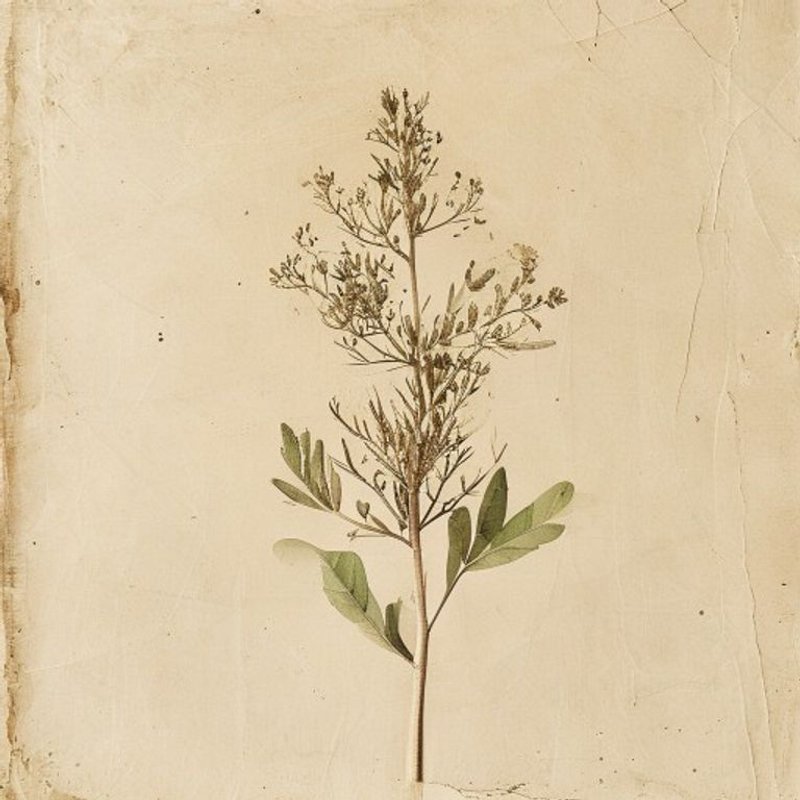
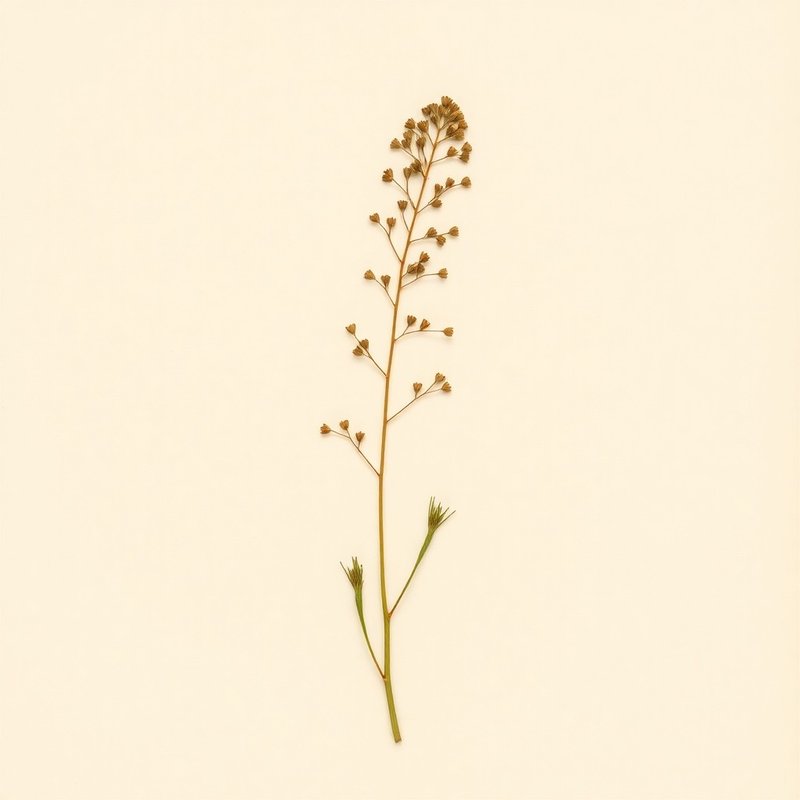
pressed specimen — winter tares
Pl. ED2B — Vicia sativa leucosperma
Vicia sativa leucospermaVicia sativa leucospermaVicia sativa leucospermaVicia sativa leucospermaVicia sativa leucospermaVicia sativa leucospermaVicia sativa leucospermaVicia sativa leucospermaVicia sativa leucospermaVicia sativa leucospermaVicia sativa leucospermaVicia sativa leucospermaVicia sativa leucospermaVicia sativa leucosperma
I

Overview

Winter Tares, scientifically known as Vicia sativa leucosperma, is an annual plant belonging to the Fabaceae family. Native to regions such as Afghanistan, Albania, Austria, Bangladesh, Belgium, and parts of Asia, this vine or herb is adaptable and can thrive in various growing conditions. Winter Tares grow up to 1.2 meters tall and are known for their ability to grow in light to partial shade, with a preference for moist, well-draining soil that can be light (sandy), medium, or heavy (clay). This plant is often used as a cover crop, a dynamic accumulator, and a nitrogen fixer, making it valuable in agricultural practices. Edible parts of Winter Tares include the leaves, shoots, and seeds, which can be used to make tea. Cultivated for both its edible and ornamental value, this plant is appreciated for its distinctive growth habit and light requirements. While Winter Tares is generally safe, caution should be exercised when using it for medicinal purposes, as its specific compounds and benefits have not been extensively documented in medical literature. In cultivation, Winter Tares thrive in soil with a pH between 6 and 7, and require regular watering, especially during dry periods. They are hardy in temperate regions with zones 4-8, making them suitable for gardens in these climates. Propagation is typically done by direct sowing of seeds into the garden bed.

Quick answers

What is Winter Tares?

Winter Tares, scientifically known as Vicia sativa leucosperma, is an annual plant belonging to the Fabaceae family. Native to regions such as Afghanistan, Albania, Austria, Bangladesh, Belgium, and parts of Asia, this vine or herb is adaptable and can thrive in various growing conditions.

Compare with:Laportea macrostachya→Rhodesian Teak→Sidalcea acuta→all comparisons →
IV·b

Mixology suggestions

1 draft
Editorial drafts. These pairings are AI-suggested from traditional herbal lore. Always verify with a qualified herbalist before brewing.
Digestive Harmony
digestion
tincture
Traditional use for digestive support.
Growingconditions · propagation · uses
V

Cultivation

Winter Tares thrive in full sun to partial shade and require moist, well-draining soil that can be light (sandy), medium, or heavy (clay). They are hardy in temperate regions with zones 4-8 and grow as annual vines or forbs/herbs reaching up to 1.2 meters tall. Propagate by seed directly sown into the garden bed. Ensure the soil pH is between 6 and 7 for best growth. Regular watering is essential, especially during dry periods.
Light
Full sun, Partial sun/shade
Water
Moist
Soil
Light (sandy), Medium, Heavy (clay)
Hardiness
4-8
Life cycle
Annual
Habit
Vine, Forb/herb
Mature size
1.2 m tall
Soil pH
6–7
For first-time growers

How to grow Winter Tares for the first time

8steps

Start with Winter Tares as an easy-to-grow annual for beginners, focusing on basic care.

  1. 1

    What you'll need

    Seeds or seedlings, a garden plot or container, soil, water.

  2. 2

    Best time to plant

    Plant in spring after the last frost, when temperatures are mild.

  3. 3

    Soil and container prep

    Choose a location with light to partial sun. Ensure well-draining soil with a pH of 6-7.

  4. 4

    Sowing or transplanting

    Direct sow seeds 1 cm deep, spacing them about 20 cm apart. Alternatively, start seedlings indoors and transplant when they have two sets of true leaves.

  5. 5

    First two weeks

    Water regularly to keep the soil moist but not waterlogged. Monitor for pests and diseases.

  6. 6

    Ongoing care

    Provide support for climbing vines, ensure consistent moisture, and mulch to retain soil moisture and suppress weeds.

  7. 7

    Harvest or pruning

    Prune regularly to encourage bushy growth and prevent leggy stems. Harvest leaves and shoots when young.

  8. 8

    Common mistakes

    Overwatering, planting in heavy clay soils, neglecting support for climbing vines, not providing enough sunlight.

VI

Edible & utility

Edible parts:LeavesSeedShoots
Edible uses: Tea
Other uses:Cover cropDynamic accumulatorNitrogen fixer
Contextrange · companions · related
VII

Distribution

71 native · 71 introduced
Distribution across4 continents· 71 native· 71 introduced
Europe28 regions
native (19)AlbaniaAustriaBelgiumBulgariaDenmarkFranceGermanyGreeceHungaryIrelandItalyNetherlandsPolandPortugalRomaniaRussiaSpainSwitzerlandUkraine
introduced (9)BelarusCyprusFinlandIcelandNorwayPortugalSpainSwedenUnited Kingdom
Asia21 regions
native (17)AfghanistanBangladeshIndiaIranIraqKazakhstanMongoliaNepalOmanPakistanPalestineSaudi ArabiaSri LankaTurkeyTurkmenistanUzbekistanYemen
introduced (4)ChinaMyanmarTaiwanVietnam
Americas8 regions
introduced (8)ColombiaCubaDominican RepublicEcuadorHaitiJamaicaUruguayVenezuela
Africa8 regions
native (1)Egypt
introduced (7)AlgeriaAngolaKenyaLibyaMoroccoRwandaTunisia
Broader regions
native:Altay, Buryatiya, Czechoslovakia, East Himalaya, Gulf States, Irkutsk, Kamchatka, Kirgizstan, Krasnoyarsk, Kriti, Kuril Is., Lebanon-Syria, Magadan, Primorye, Sakhalin, Tadzhikistan, Transcaucasus, Turkey-in-Europe, Tuva, West Himalaya, Yakutskiya, Yugoslavia
introduced:Alabama, Amsterdam-St.Paul Is, Argentina Northeast, Argentina South, Baltic States, Bermuda, California, Cape Provinces, Chatham Is., Chile Central, Falkland Is., Føroyar, Free State, Idaho, Illinois, Kermadec Is., KwaZulu-Natal, Mexico Southwest, Nevada, New South Wales, New Zealand North, New Zealand South, Newfoundland, Northern Provinces, Oregon, Queensland, South Australia, St.Helena, Svalbard, Tasmania, Tennessee, Vermont, Victoria, Virginia, Washington, Western Australia, Wisconsin
X

See also

8 related
XI

Explore further

XII

About this entry

Last updated
Citation
How to cite this entry · Submit a correction
Back to the cataloguePlant id · ed2bd3b7-3e03-4f8f-b62a-c164d939432f
Decision aid
Choosing between Winter Tares and something else?
Compare with another plant

Continue reading

❦❦❦❦
Endpaper · archive updates

Get archive updates

Occasional email when substantial new content lands — plant profiles, seasonal growing notes, folk-remedy additions. Free, no tracking, unsubscribe anytime.

Newsletter returning soon.
We are rebuilding the update list around a lightweight editorial workflow. New dispatches will resume after the next content review cycle.
iCare notes