
Crimson Glory Vine
IOverview
Overview
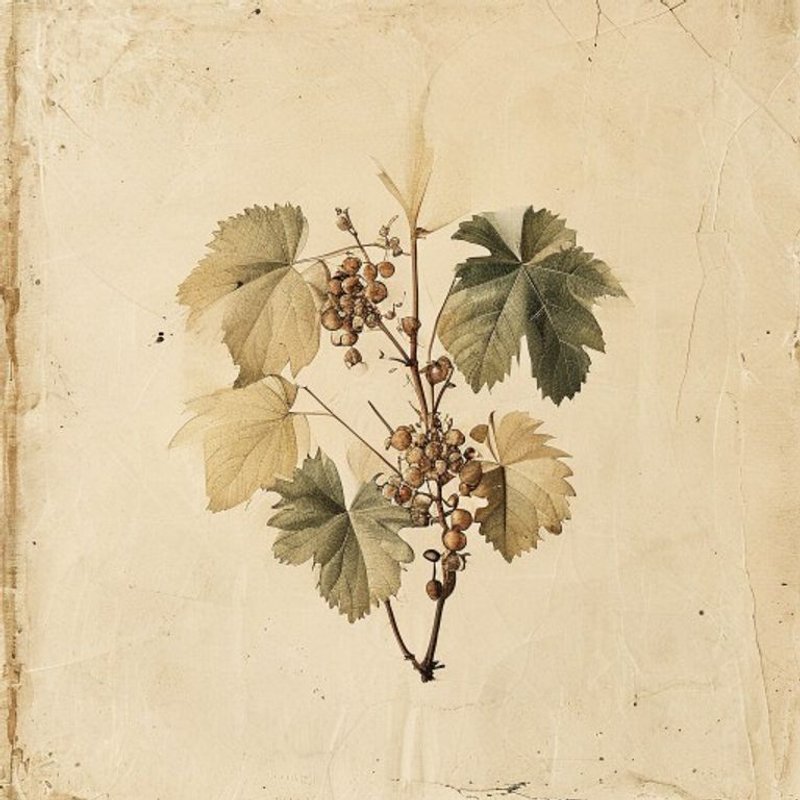
Crimson Glory Vine, scientifically known as Vitis coignetiae and belonging to the Vitaceae family, is a fast-growing vine native to Japan, Korea, the Kuril Islands, and Sakhalin. This vine can reach heights of up to 20 meters and thrives in full sun or partial shade. It is both ornamental and edible, with its leaves often used in cooking. Typically, the leaves are prepared by boiling or steaming before being incorporated into various dishes. They can also be dried for later use, though raw consumption is not recommended as they may require preparation to become palatable. The vine prefers well-drained soil that can be light (sandy), medium, or heavy (clay) and can tolerate a range of moisture levels from dry to moist conditions. Hardy in zones 4-8, the Crimson Glory Vine is adaptable but requires full sun for optimal growth. It has been introduced into Tadzhikistan, expanding its range beyond its native regions.
What is Crimson Glory Vine?
Crimson Glory Vine, scientifically known as Vitis coignetiae and belonging to the Vitaceae family, is a fast-growing vine native to Japan, Korea, the Kuril Islands, and Sakhalin. This vine can reach heights of up to 20 meters and thrives in full sun or partial shade.
VCultivation
Cultivation
How to grow Crimson Glory Vine for the first time
Start with a simple Crimson Glory Vine to gain experience in vine care.
- 1
What you'll need
A young Crimson Glory Vine plant, suitable potting soil, and a trellis or support system.
- 2
Best time to plant
Plant the vine in spring after the last frost, when temperatures are mild.
- 3
Soil and container prep
Use well-draining soil with a mix of light (sandy), medium, and heavy (clay) textures. Ensure containers have drainage holes.
- 4
Sowing or transplanting
Transplant the vine from its nursery pot to a larger container if needed, ensuring roots are not damaged.
- 5
First two weeks
Water the vine regularly to keep the soil moist but not waterlogged. Place it in partial shade for acclimatization.
- 6
Ongoing care
Provide full sun exposure and regular watering, especially during dry periods. Prune lightly to encourage growth.
- 7
Harvest or pruning
Focus on pruning the vine to maintain shape and remove any dead or weak branches. Leaves are edible but not commonly harvested.
- 8
Common mistakes
Overwatering, planting in full sun without partial shade, neglecting regular pruning, using unsuitable soil types, and not providing support.
VIEdible & utility
Edible & utility
VIIDistribution
4 native · 1 introduced
Distribution
4 native · 1 introducedXSee also
8 related
See also
8 relatedPlants you might compare or use together — scored by shared family (Vitaceae), common use cases, and growing requirements.
Explore further
About this entry
- Last updated
- Citation
- How to cite this entry · Submit a correction
Continue reading
Get archive updates
Occasional email when substantial new content lands — plant profiles, seasonal growing notes, folk-remedy additions. Free, no tracking, unsubscribe anytime.