
Muscadine Grape
IOverview
Overview
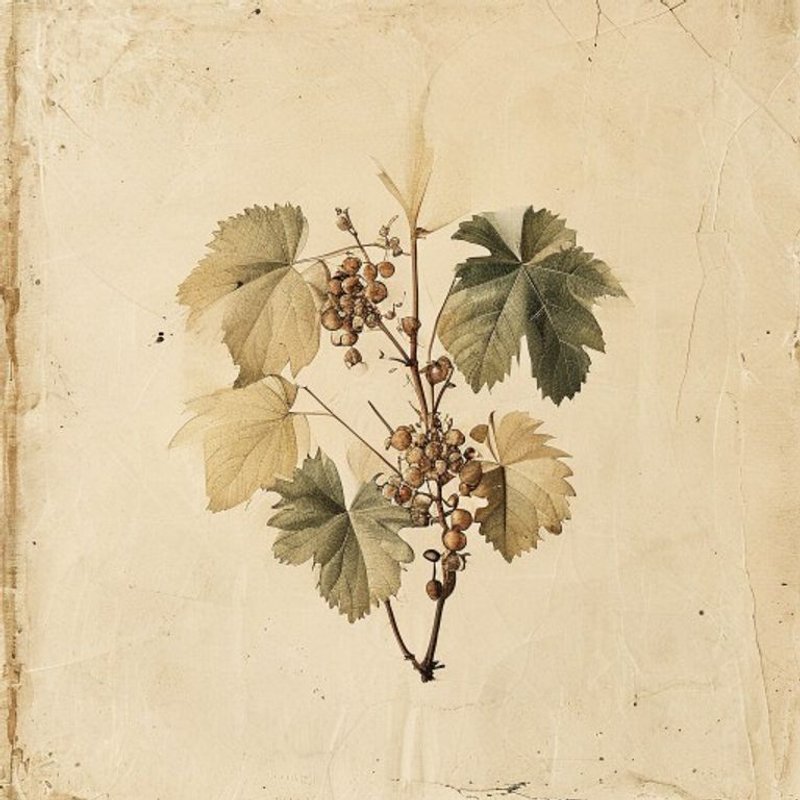
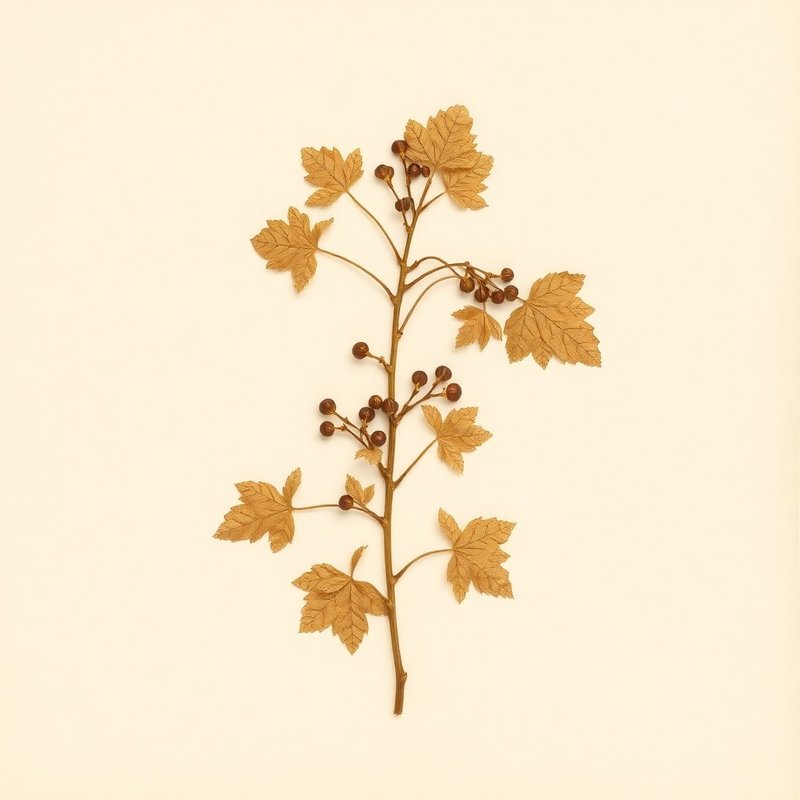
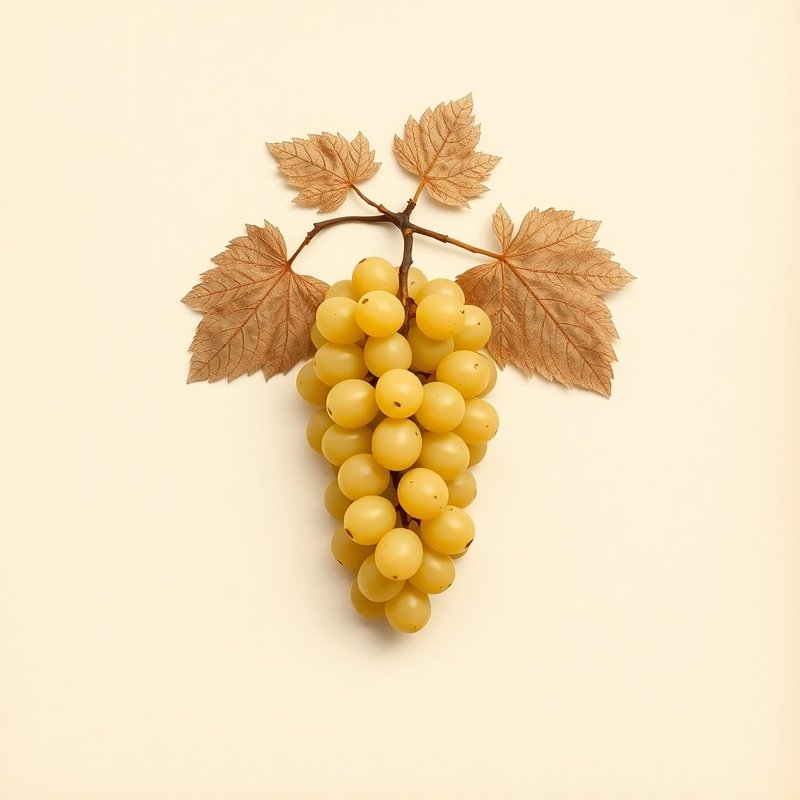
Muscadine Grape (Vitis rotundifolia), a native American vine, is found in the southeastern United States, ranging from Florida to Texas and as far north as Indiana and West Virginia. This plant thrives in a variety of soil types, including light (sandy), medium, and heavy (clay) soils, and prefers well-drained conditions. It grows best in full sun to partial shade and is hardy in USDA hardiness zones 5-9. With a potential height of up to 25 meters, muscadine grapes are an ornamental addition to gardens, providing a striking visual appeal with their green, fine-textured foliage and white flowers. The fruits of the muscadine grape are edible and are prized for their rich flavor, making them a versatile ingredient in cooking and wine-making. They can be consumed raw or used in jams, jellies, and wines, adding a sweet and distinctive taste to various dishes. Additionally, the grapes can be dried for later use, extending their culinary utility. Muscadine grapes are native to the southeastern United States and have been introduced to other regions such as Hawaii, India, Leeward Islands, and Seychelles, showcasing their adaptability. While primarily known for their culinary uses, muscadine grapes also serve as a valuable food source and can be an attractive ornamental plant in gardens. However, it is important to note that no specific health claims or medicinal uses are made for this plant.
What is Muscadine Grape?
Muscadine Grape (Vitis rotundifolia), a native American vine, is found in the southeastern United States, ranging from Florida to Texas and as far north as Indiana and West Virginia.
VCultivation
Cultivation
How to grow Muscadine Grape for the first time
Start with a simple, low-maintenance vine that thrives in full sun and well-draining soil.
- 1
What you'll need
A muscadine grape plant, garden gloves, pruning shears.
- 2
Best time to plant
Plant in spring after the last frost or in fall before the first freeze.
- 3
Soil and container prep
Choose a location with well-draining soil and full sun. Amend soil with compost if needed.
- 4
Sowing or transplanting
Transplant young plants directly into the garden, spacing them 6-10 feet apart.
- 5
First two weeks
Water regularly to keep the soil moist but not waterlogged. Monitor for pests and diseases.
- 6
Ongoing care
Prune in late winter or early spring to maintain shape and remove dead wood. Water deeply once a week.
- 7
Harvest or pruning
Prune annually after harvest to encourage new growth and fruit production. Harvest fruits when they are plump and dark.
- 8
Common mistakes
Overwatering, not providing enough support for the vine, neglecting winter protection in colder zones.
VIEdible & utility
Edible & utility
VIIDistribution
25 native · 5 introduced
Distribution
25 native · 5 introducedVIIIGarden companions
2 pairs
Garden companions
2 pairsThese plants help — by repelling pests, fixing nitrogen, attracting pollinators, or sharing space well.
XSee also
8 related
See also
8 relatedPlants you might compare or use together — scored by shared family (Vitaceae), common use cases, and growing requirements.
Explore further
About this entry
- Last updated
- Citation
- How to cite this entry · Submit a correction
Continue reading
Get archive updates
Occasional email when substantial new content lands — plant profiles, seasonal growing notes, folk-remedy additions. Free, no tracking, unsubscribe anytime.