Skip to content
IIIFolio · plant profile№ 93A1edible
Data provenancePermapeopleTreflePFAFPOWOreviewed 17 Oct 2026methodology → read
Home/Plants/Amaranthaceae

Amaranthus thunbergii
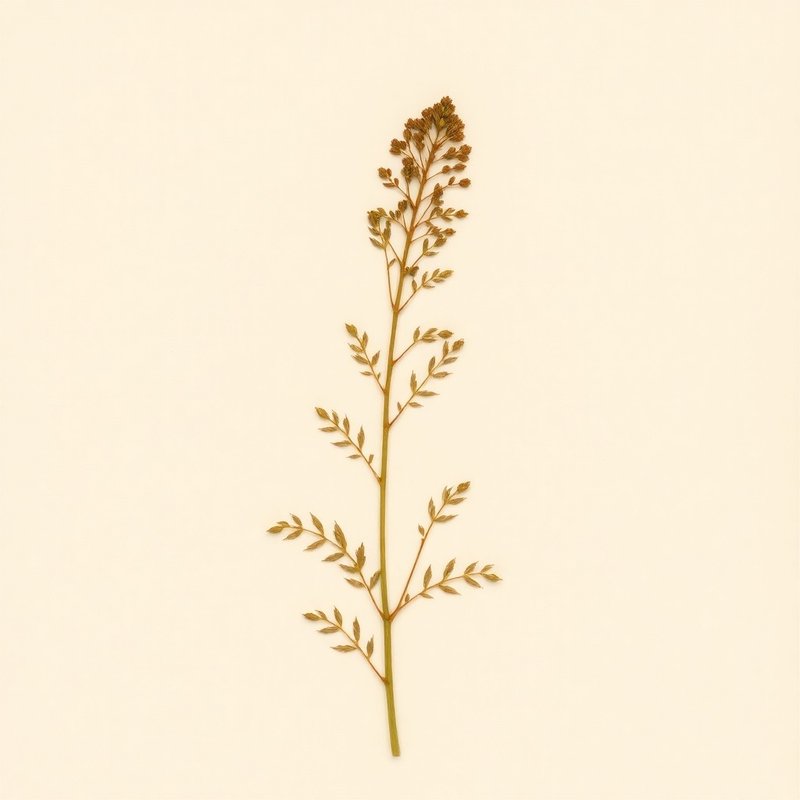
Amaranthus thunbergiifam. Amaranthaceae
Educational content — not medical, botanical, or professional advice. Plant identification, safety, and edibility depend on local conditions, cultivars, and correct identification. Consult a qualified botanist or forager before consuming or handling wild specimens. How we source & review →
edibleannualedibleedible leaf
Updated·Quick Q&A →
Garden journal pausedUse profile notes below
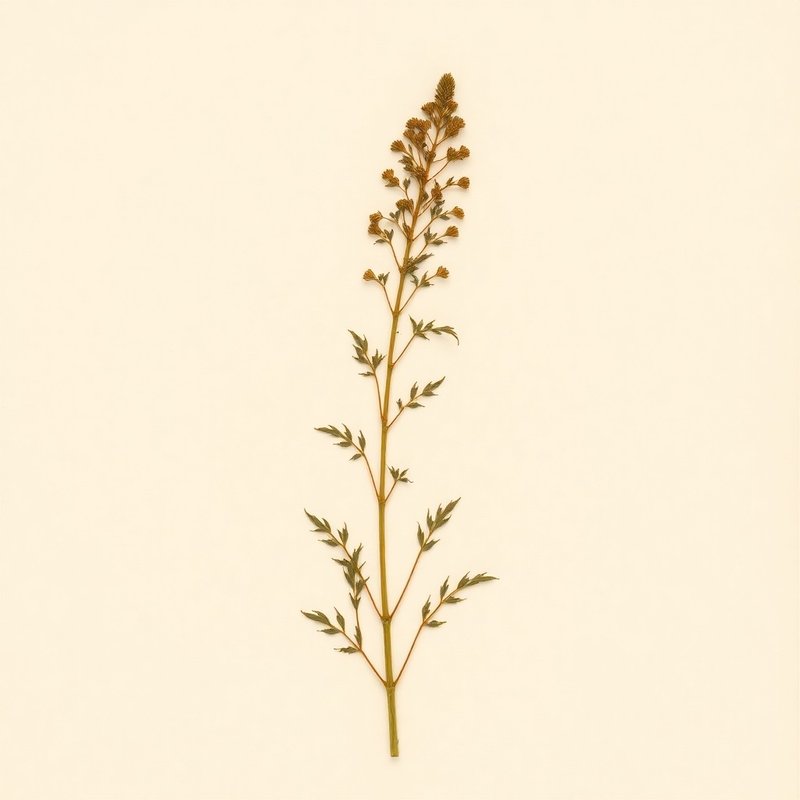
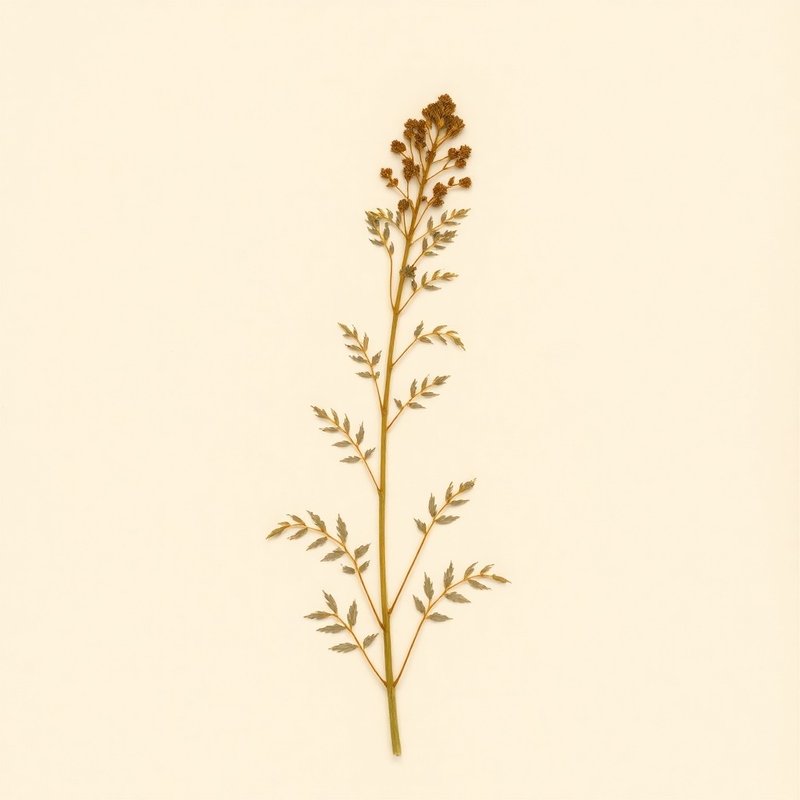
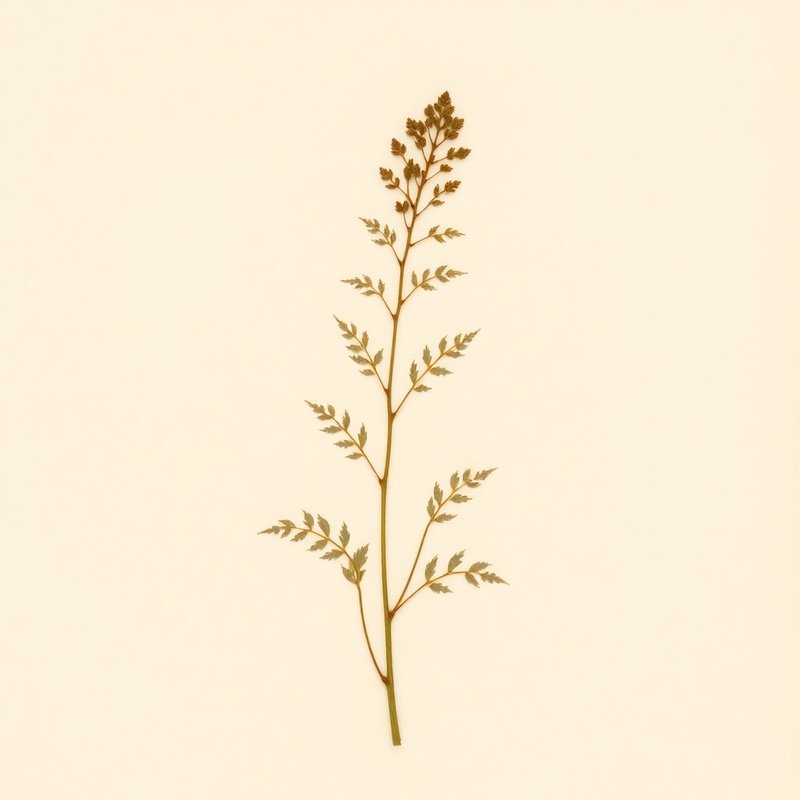
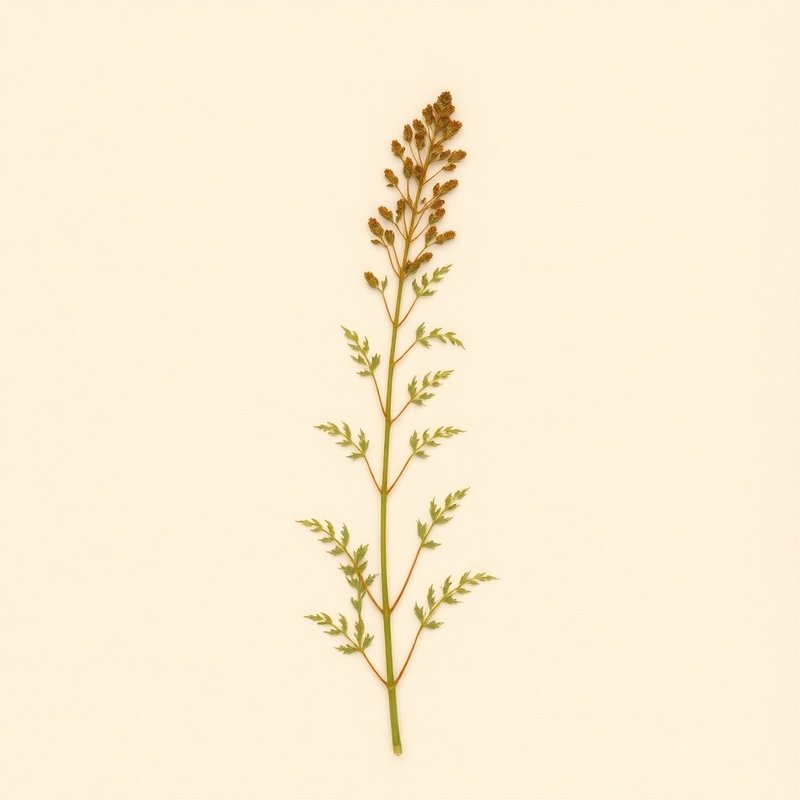
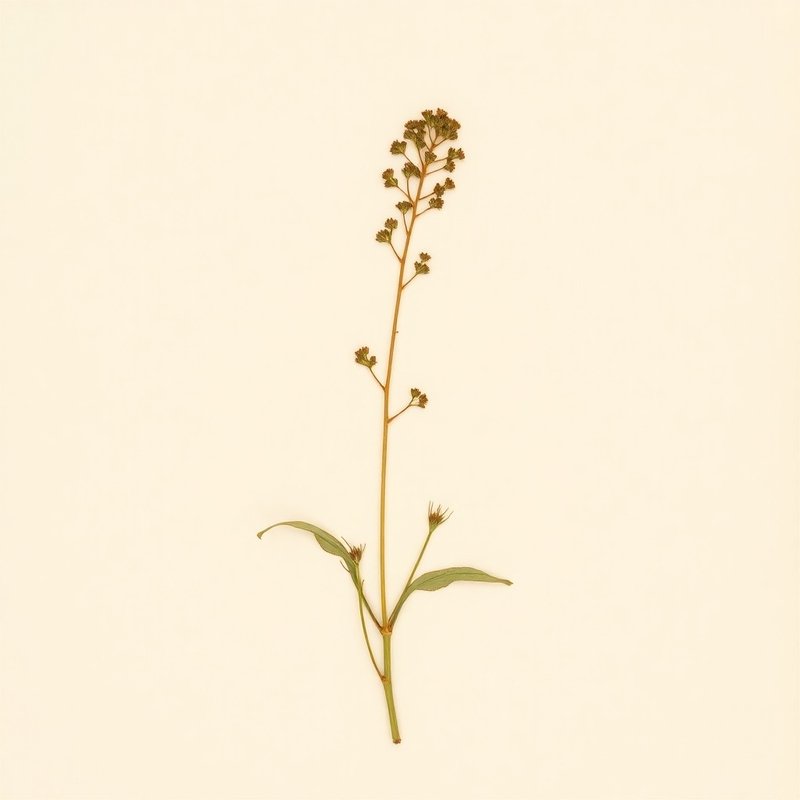
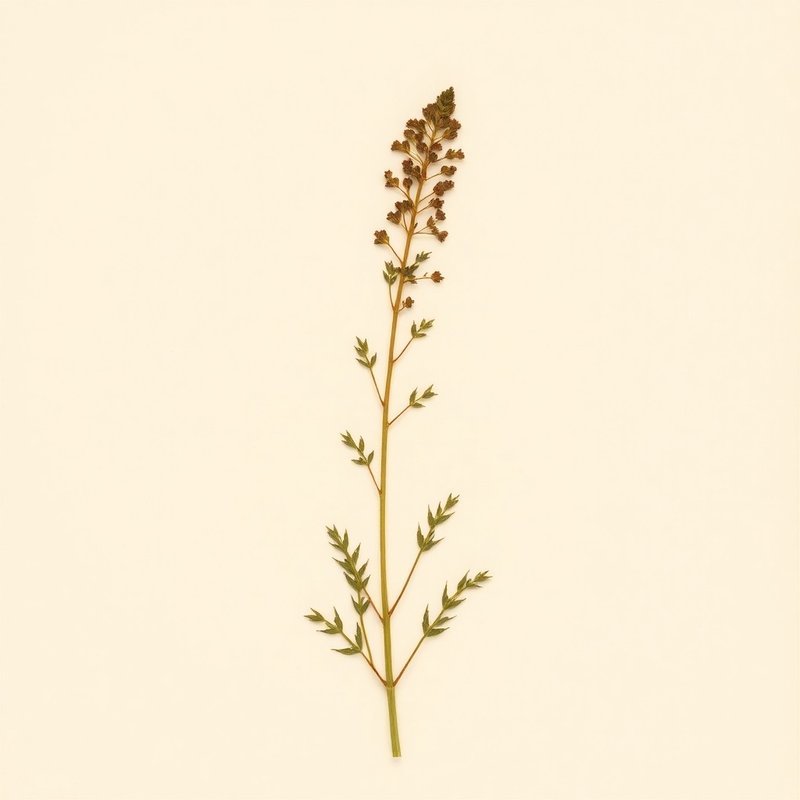
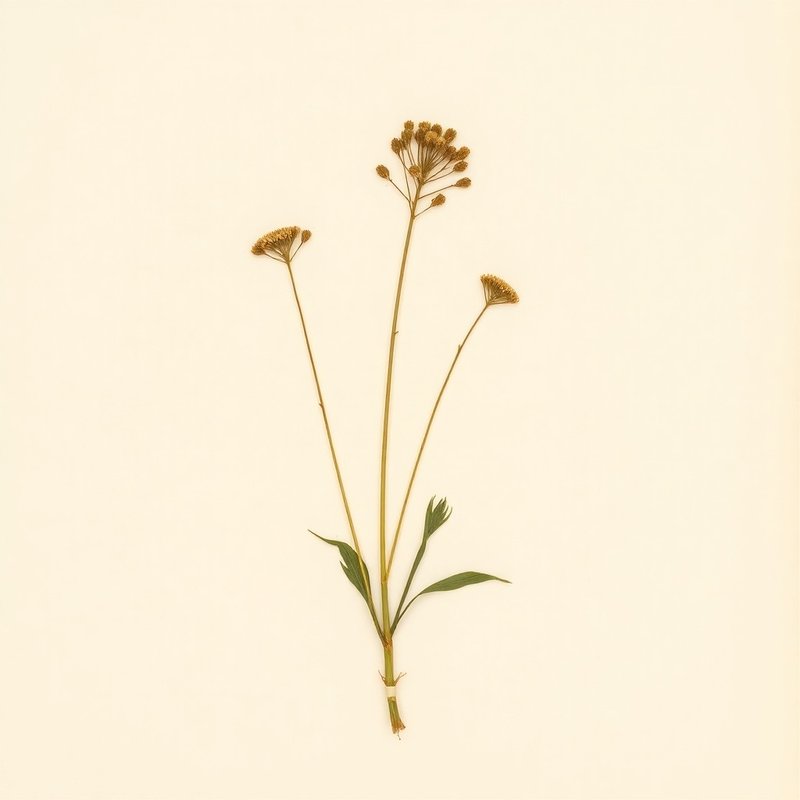
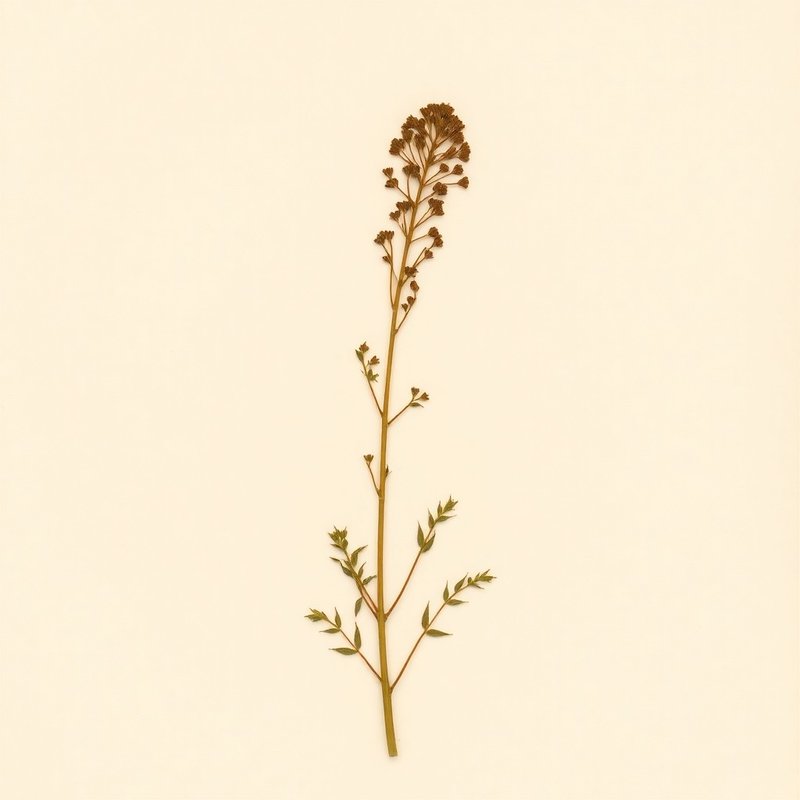
Amaranthus thunbergii (Amaranthus thunbergii) — botanical photograph
Pl. 93A1 — Amaranthus thunbergii
Amaranthus thunbergiiAmaranthus thunbergiiAmaranthus thunbergiiAmaranthus thunbergiiAmaranthus thunbergiiAmaranthus thunbergiiAmaranthus thunbergiiAmaranthus thunbergiiAmaranthus thunbergiiAmaranthus thunbergiiAmaranthus thunbergiiAmaranthus thunbergiiAmaranthus thunbergiiAmaranthus thunbergii
I

Prezentare

Amaranthus thunbergii, o hrăciană anuală preferantă luminoasă cu o înălțime maximă de 0,5 m, este originar din regiuni precum Angola, Botswana și Etiopia. Această plantă se dezvolte în condiții umide și poate adapta la diverse tipuri de sol, de la soluri săptămâne până la soluri cu conținut mare de argilă. Cunoscut pentru frunzele și semințele sale edibile, a fost cultivat pentru valorile sale nutriționale în rândul regiunilor lor originale. Caracteristică distinctivă este capacitatea sa de creștere în diverse mediuni, făcând-o o adăugare versatilă la gardenuri sau setări agricole.

Quick answers

What is Amaranthus thunbergii?

Amaranthus thunbergii, o hrăciană anuală preferantă luminoasă cu o înălțime maximă de 0,5 m, este originar din regiuni precum Angola, Botswana și Etiopia. Această plantă se dezvolte în condiții umide și poate adapta la diverse tipuri de sol, de la soluri săptămâne până la soluri cu conținut mare de argilă.

Compare with:Amaranthus albus→Amaranthus frumentaceus→Amaranthus tenuifolius→all comparisons →
Growingconditions · propagation · uses
V

Cultivare

Amaranthus thunbergii se dezvolte în soare și necesită un sol umed care poate fi ușor (săptămâne), mediu sau greu (argilă). Această plantă anuală crește până la aproximativ 0,5 m în înălțime și este cel mai potrivit pentru regiuni temperate. Pentru propagare, semeneți direct în gardena dvs. odată cu cea de a-va pericol de gheare. Părțile edibile includ frunze și semințe. Asigurați-vă umiditate constantă pentru a menține solul umed în timpul sezonului de creștere.
Light
Full sun
Water
Moist
Soil
Light (sandy), Medium, Heavy (clay)
Life cycle
Annual
Habit
Forb/herb
Mature size
0.5 m tall
For first-time growers

How to grow Amaranthus thunbergii for the first time

8steps

Start with Skip as a simple, low-maintenance annual plant for your garden.

  1. 1

    What you'll need

    Seeds or seedlings, a small trowel, and a watering can.

  2. 2

    Best time to plant

    Plant Skip in late spring after the last frost date in your area.

  3. 3

    Soil and container prep

    Choose a location with well-draining soil that is light (sandy), medium, or heavy. Ensure it gets full sun.

  4. 4

    Sowing or transplanting

    Direct sow seeds 0.5 meters apart in the garden bed or start seedlings indoors and transplant them later.

  5. 5

    First two weeks

    Water regularly to keep soil moist, especially during dry spells. Monitor for pests and diseases.

  6. 6

    Ongoing care

    Continue regular watering as needed, especially in hot weather. Mulch around the base to retain moisture.

  7. 7

    Harvest or pruning

    Prune back any leggy growth to encourage bushy foliage. Remove spent flowers to promote more blooms.

  8. 8

    Common mistakes

    Overwatering, planting in poor soil, and not providing enough sunlight are common issues beginners face with Skip.

VI

Edible & utility

Edible parts:LeavesSeed
Edible uses: The leaves and seeds of Amaranthus thunbergii are edible. The leaves can be eaten raw or cooked, while the seeds are often dried before consumption. This versatile plant thrives in full sun and various soil types, making it a useful addition to gardens where its nutritious parts can be harvested for culinary use.
Other uses:DyeDynamic accumulator
Contextrange · companions · related
VII

Distribuție

20 native · 3 introduced
Distribution across2 continents· 20 native· 3 introduced
Europe1 region
introduced (1)Germany
Africa15 regions
native (15)AngolaBotswanaEritreaEswatiniEthiopiaKenyaLesothoMalawiMozambiqueNamibiaSomaliaTanzaniaUgandaZambiaZimbabwe
Broader regions
native:Cape Provinces, Free State, KwaZulu-Natal, Northern Provinces, Zaïre
introduced:South Carolina, St.Helena
IX

Specimen gallery

1 image
Amaranthus thunbergii (Amaranthus thunbergii) — botanical photograph
Amaranthus thunbergii (Amaranthus thunbergii)
X

See also

8 related
XI

Explore further

XII

About this entry

Last updated
Citation
How to cite this entry · Submit a correction
Back to the cataloguePlant id · 93a16a7c-4c15-49ce-9d95-b6325cf23988
❦❦❦❦
Endpaper · archive updates

Primește digest-ul săptămânal

Un email curat pe săptămână — profile noi de plante, note sezoniere de cultivare, adăugiri în arhiva de remedii. Gratuit, fără tracking, dezabonare oricând.

Newsletter returning soon.
We are rebuilding the update list around a lightweight editorial workflow. New dispatches will resume after the next content review cycle.
iCare notes