
Manzanilla
IPrezentare
Prezentare
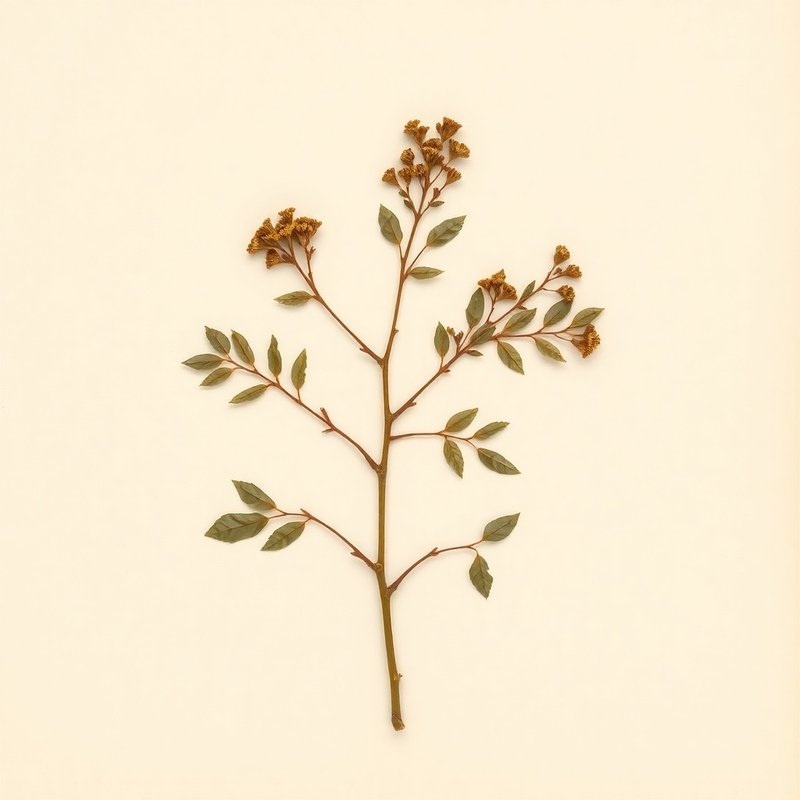
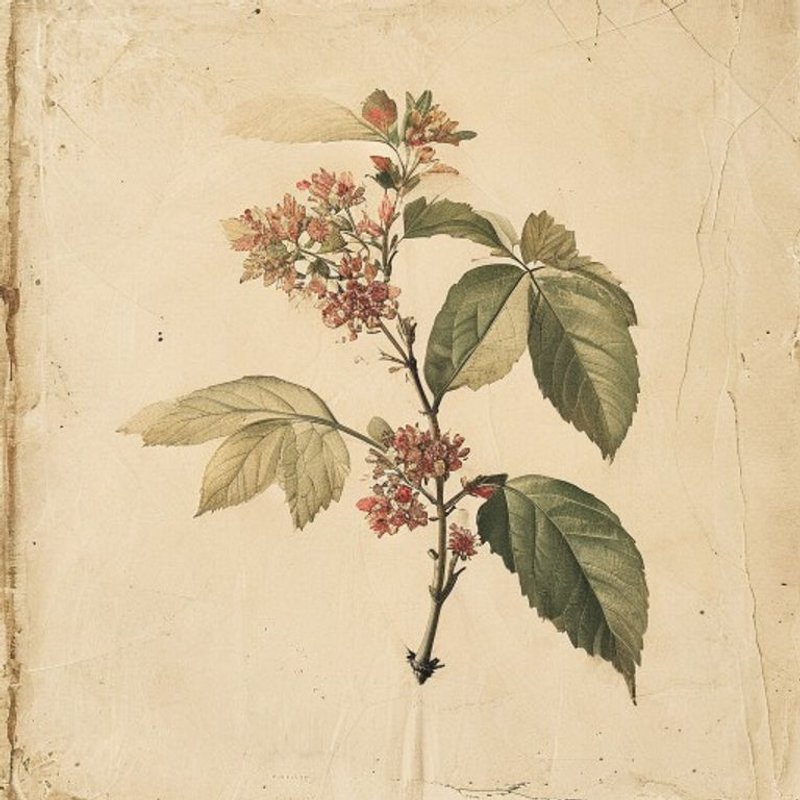
Manzanilla, cunoscută scientific ca Crataegus pubescens, este un arbore decidu sau o buște mică nativă în păduri și țărănițe din Guatemala și diverse regiuni din Mexic inclusiv zonele Centrale, de Golful, Nord-Est, Sud-Est și Sud-Vest. Această plantă se dezvolte în condiții umide sau bogate în apă și preferă soluri ușoare (sândal), medii și grele (argila). Puteți crește-o până la 10 metri de înălțime și necesită soare plin sau parțial pentru creșterea optimă. Manzanilla este notabilă nu doar din punct de vedere ornamental, ci și din punct de vedere al fructului său comestibil, care face din această plantă o resursă valoroasă în zonele unde se crește.
What is Manzanilla?
Manzanilla, cunoscută scientific ca Crataegus pubescens, este un arbore decidu sau o buște mică nativă în păduri și țărănițe din Guatemala și diverse regiuni din Mexic inclusiv zonele Centrale, de Golful, Nord-Est, Sud-Est și Sud-Vest.
What is Manzanilla used for?
Traditionally used for digestion, stress & anxiety. Each claim is evidence-rated — see Section II for full citations.
IIBeneficii și dovezi
2 claims · traditional-use context
Beneficii și dovezi
2 claims · traditional-use context- Crataegus species, including Manzanilla, have been traditionally used in European and American herbal medicine for digestive issues such as bloating and indigestion. A decoction of the fruit may help alleviate these symptoms.
The mechanism involves flavonoids like hyperoside and rutin which act on smooth muscle relaxation and improve blood flow to the heart and gastrointestinal tract, though specific pathways for digestion are not fully characterised.
▲ ModerateDigestion → - Traditional-use note: Manzanilla appears in herbal sources around calming and relaxation traditions, often as a tincture. PlantSage presents this as ethnobotanical context, not as medical advice.
Traditional context only. This reviewed claim keeps the original moderate confidence level, but avoids treatment, disease, dosage, or guaranteed-effect language.
▲ ModerateStress & anxiety →
IV·bMixology suggestions
1 draft
Mixology suggestions
1 draftVCultivare
Cultivare
How to grow Manzanilla for the first time
Start with a simple, light-loving Manzanilla tree for your first gardening project.
- 1
What you'll need
A young Manzanilla sapling and some basic gardening tools like a trowel.
- 2
Best time to plant
Plant in spring or early fall when temperatures are mild.
- 3
Soil and container prep
Choose a well-draining soil with medium texture. Ensure the area gets plenty of sunlight.
- 4
Sowing or transplanting
Transplant your sapling to a prepared hole that's slightly larger than its root ball.
- 5
First two weeks
Water regularly, keeping the soil moist but not waterlogged. Monitor for pests and diseases.
- 6
Ongoing care
Provide regular watering, especially during dry spells. Prune lightly to shape the tree.
- 7
Harvest or pruning
Prune in late winter to early spring to maintain the tree's shape and encourage fruiting.
- 8
Common mistakes
Overwatering, planting too deep, neglecting regular pruning, using harsh pesticides, and not providing enough sunlight.
VIEdible & utility
Edible & utility
VIIDistribuție
6 native · 0 introduced
Distribuție
6 native · 0 introducedIXSpecimen gallery
1 image
Specimen gallery
1 imageXSee also
8 related
See also
8 relatedPlants you might compare or use together — scored by shared family, common use cases, and growing requirements.


Explore further
About this entry
- Last updated
- Citation
- How to cite this entry · Submit a correction
Continue reading
Primește digest-ul săptămânal
Un email curat pe săptămână — profile noi de plante, note sezoniere de cultivare, adăugiri în arhiva de remedii. Gratuit, fără tracking, dezabonare oricând.