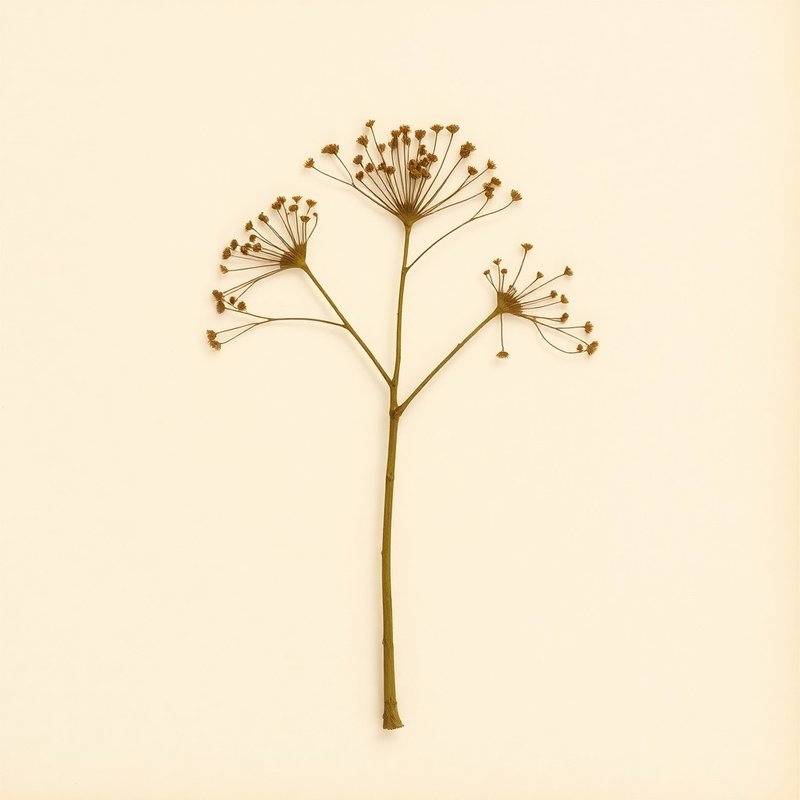
SIDE A
Red Maple
Acer rubrum
Sapindaceaeediblemedicinal
Traditional-use note: Red Maple appears in herbal sources around clarity and study-routine traditions, often as a tincture. PlantSage presents this as ethnobotanical context, not as medical advice.
Traditional-use note: Chinese Parasol Tree appears in herbal sources around clarity and study-routine traditions, often as a tea. PlantSage presents this as ethnobotanical context, not as medical advice.
Chinese Parasol Tree has the stronger documented effect (low confidence vs low for Red Maple). Both work; this one has more clinical backing.
Red Maple (Acer rubrum) and Chinese Parasol Tree (Firmiana simplex) are both in the Sapindaceae family. See the side-by-side table above for cultivation needs, edible parts, and medicinal uses.
Chinese Parasol Tree has stronger documented evidence for Energy & focus. See the "Both used for same goals" section for cited statements from each.
Plant combinations should be evaluated case by case. Check the safety/contraindications section on each plant's profile (Red Maple and Chinese Parasol Tree) before mixing. Some combinations are synergistic, others can interact with medication.
Every plant profile includes a Cautions section with contraindications, drug interactions, and population warnings. Consult a healthcare professional before using either for medicinal purposes.
Occasional email when substantial new content lands — plant profiles, seasonal growing notes, folk-remedy additions. Free, no tracking, unsubscribe anytime.