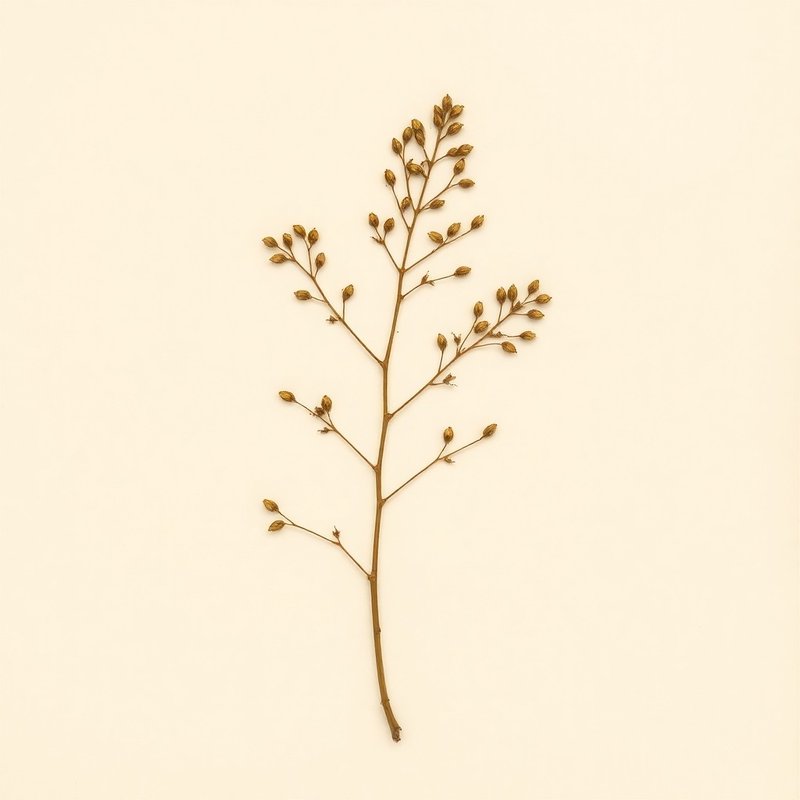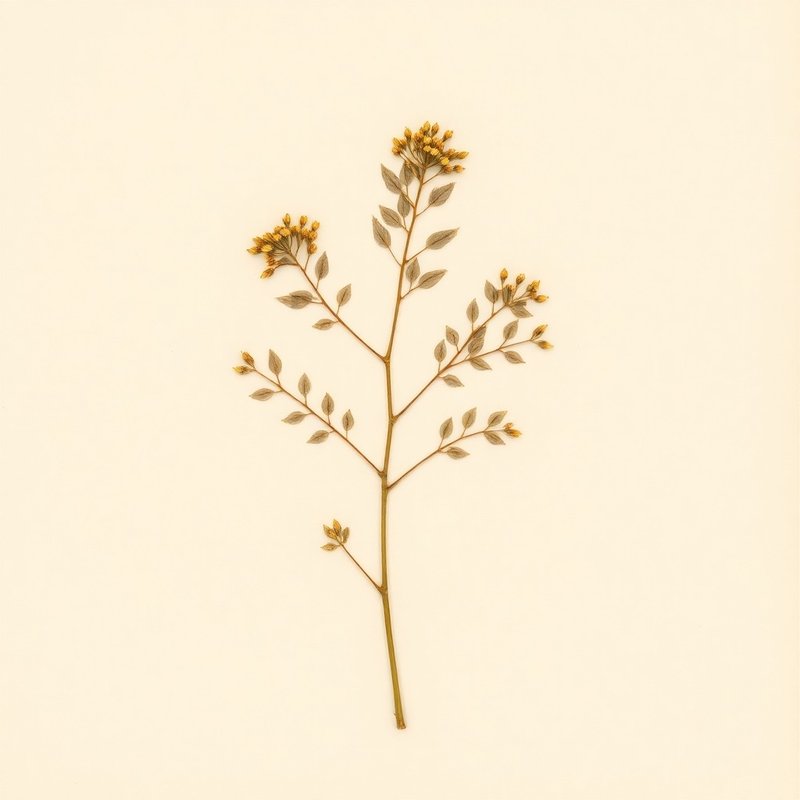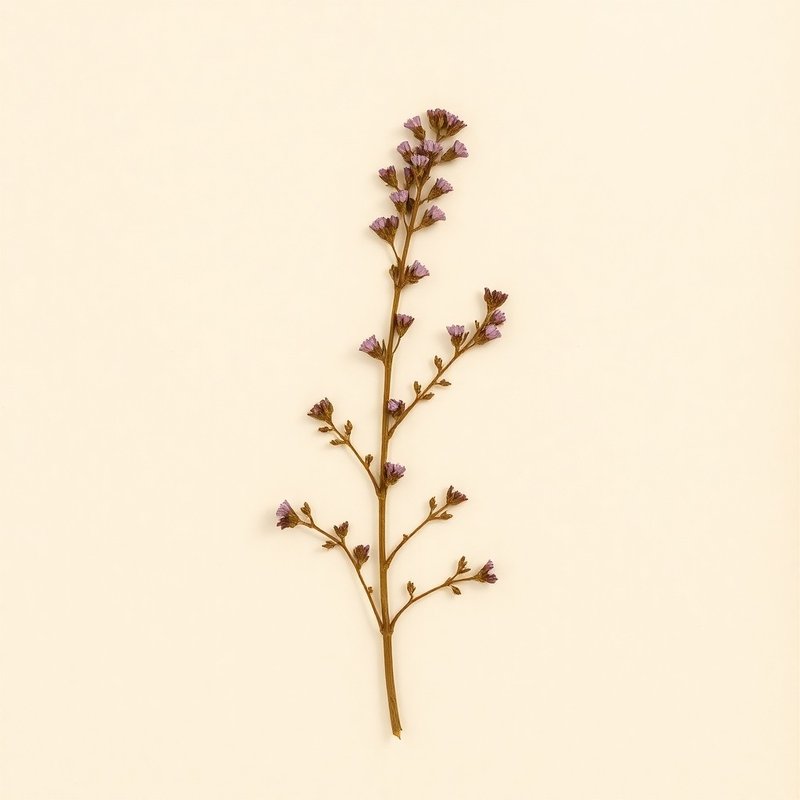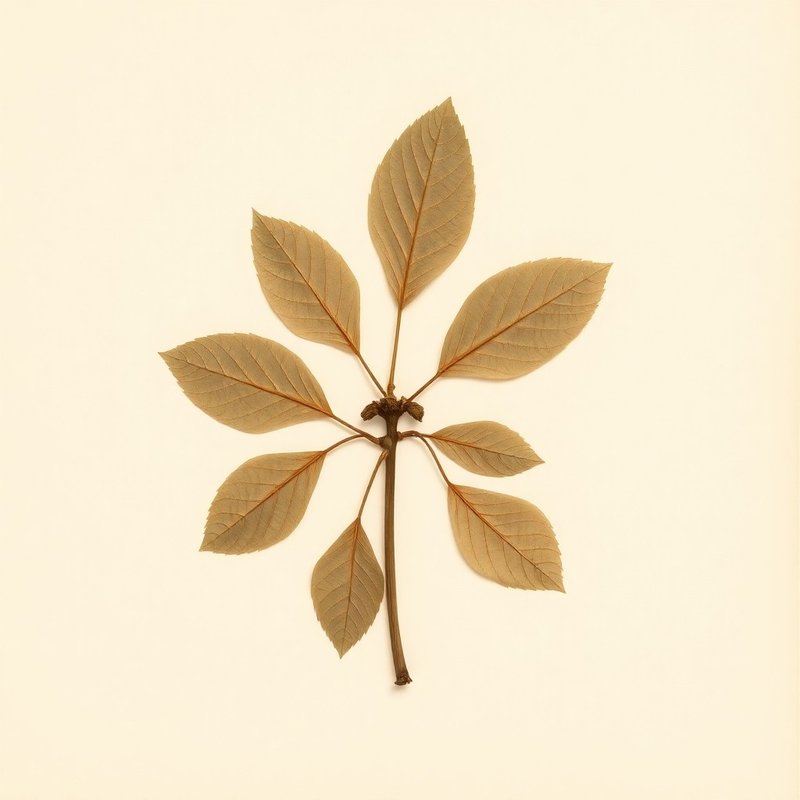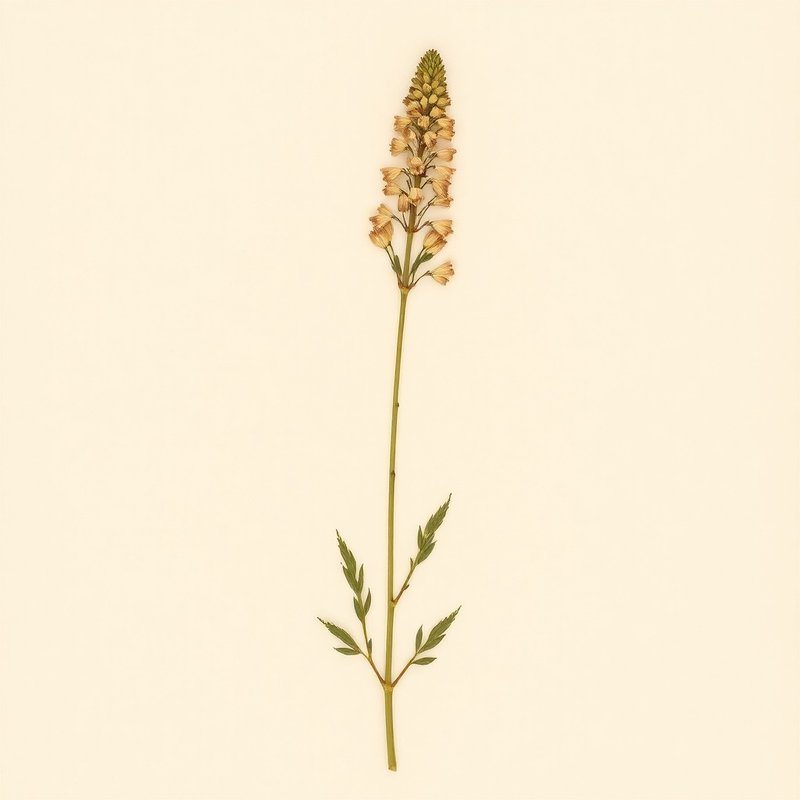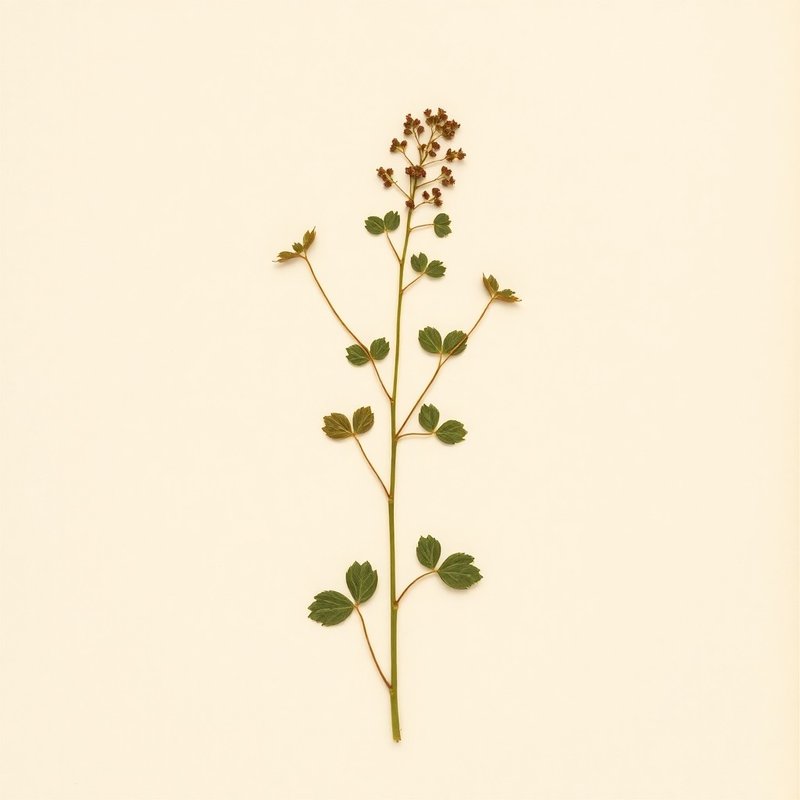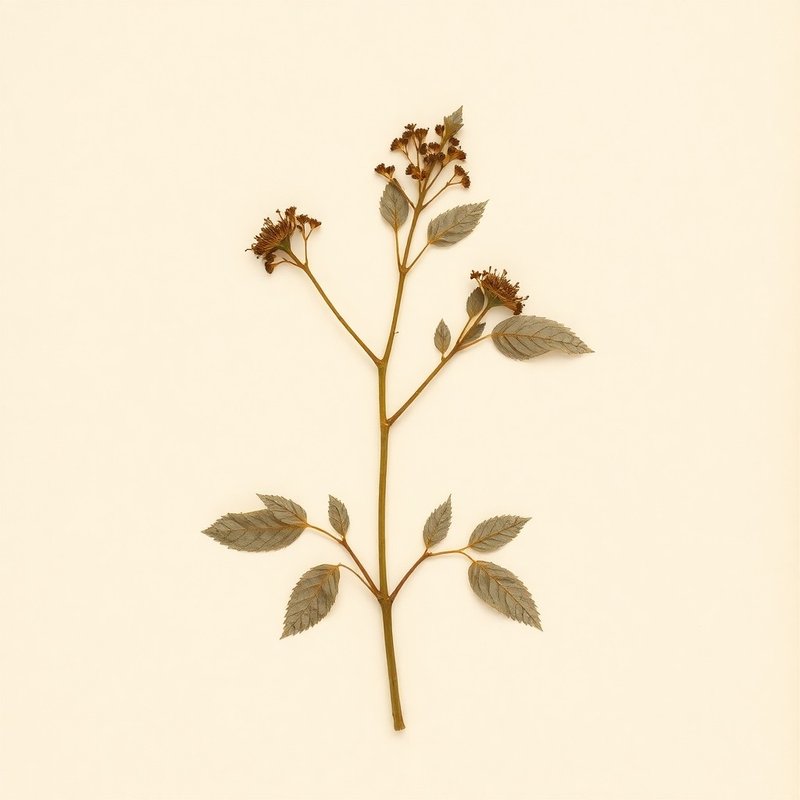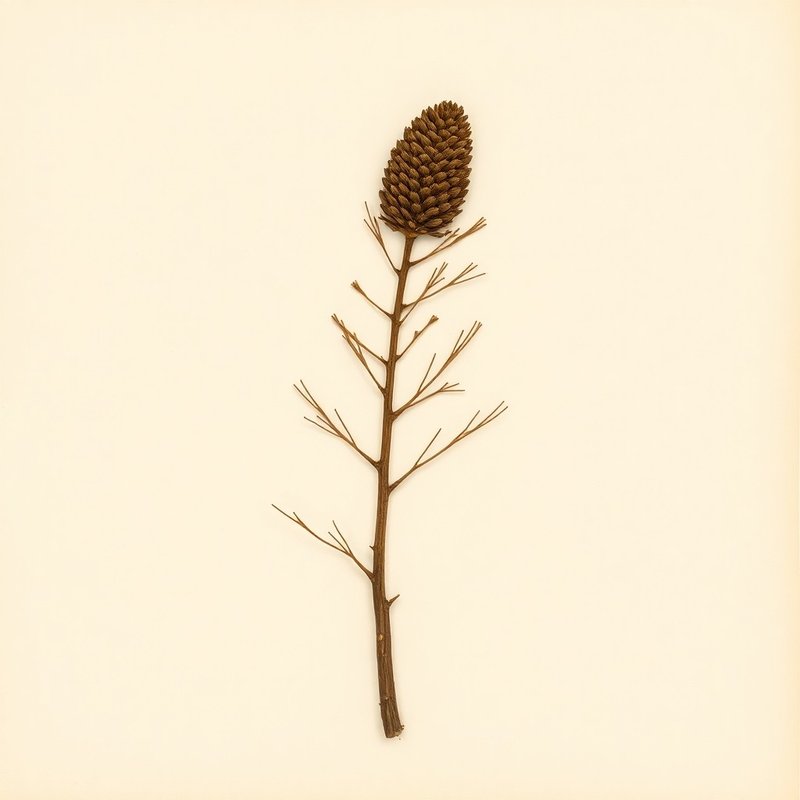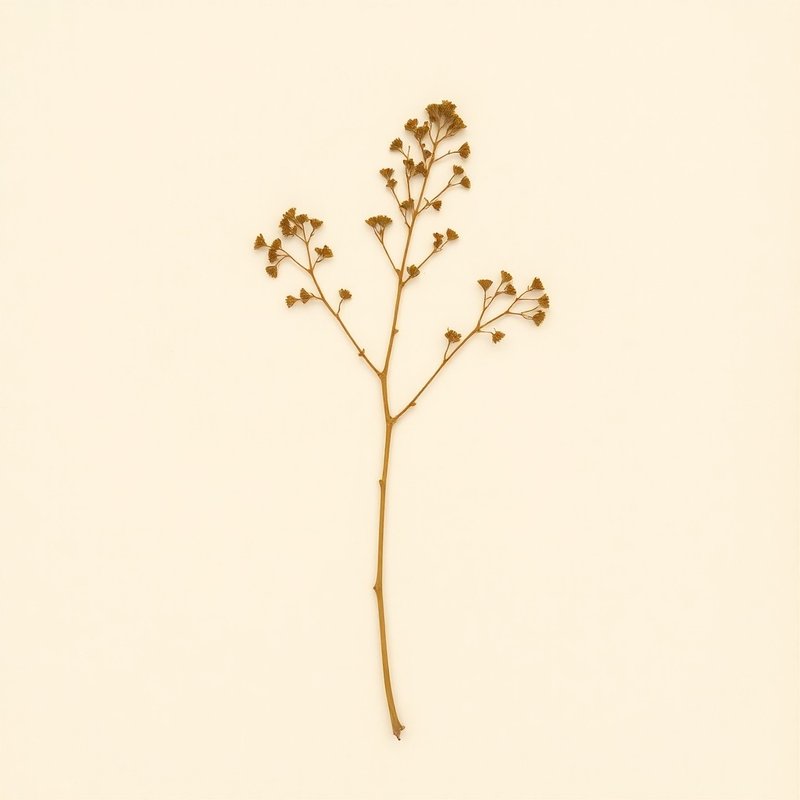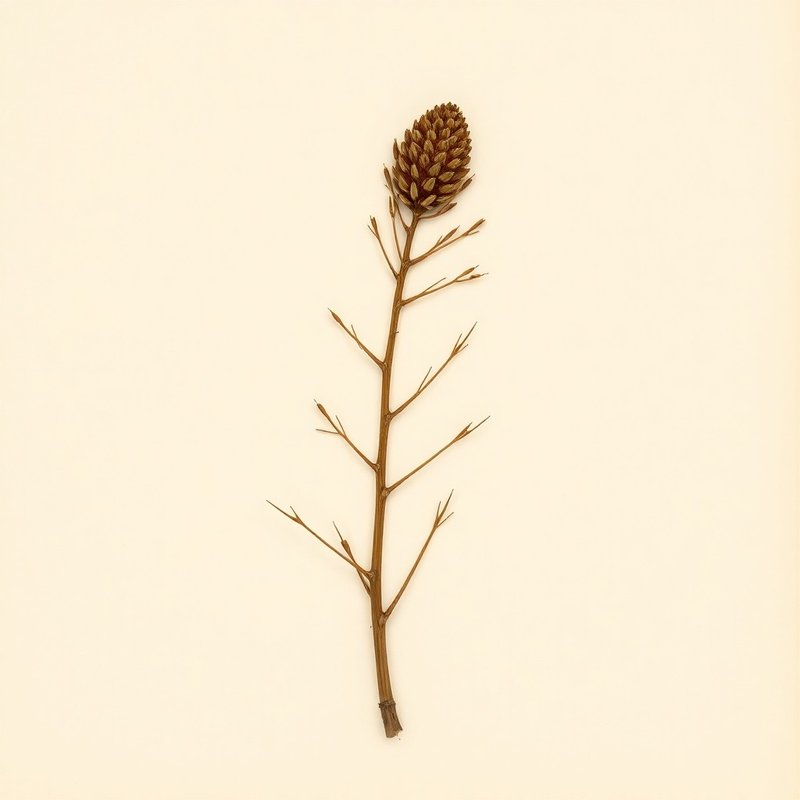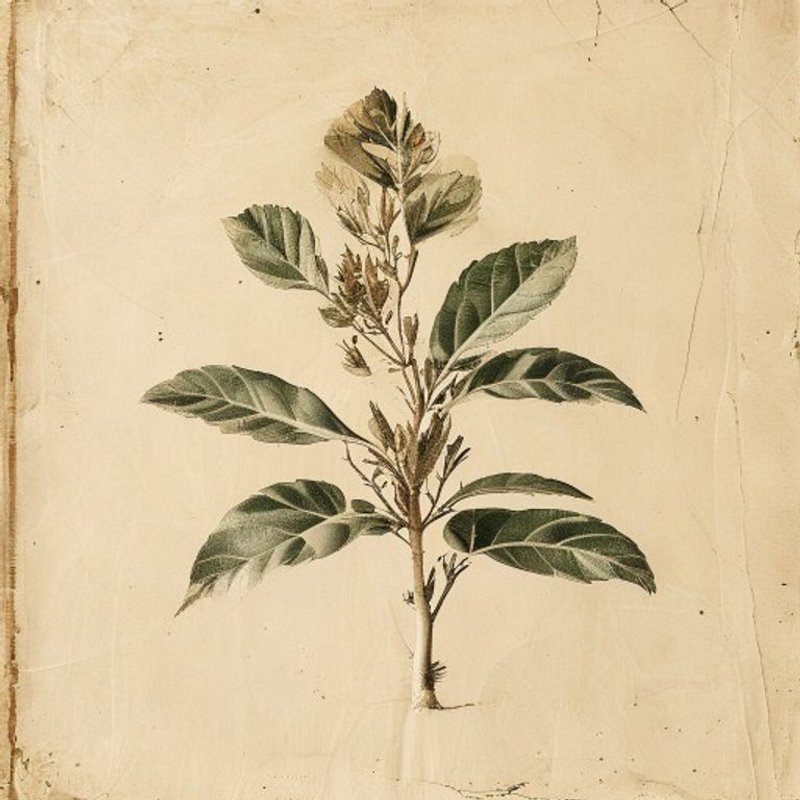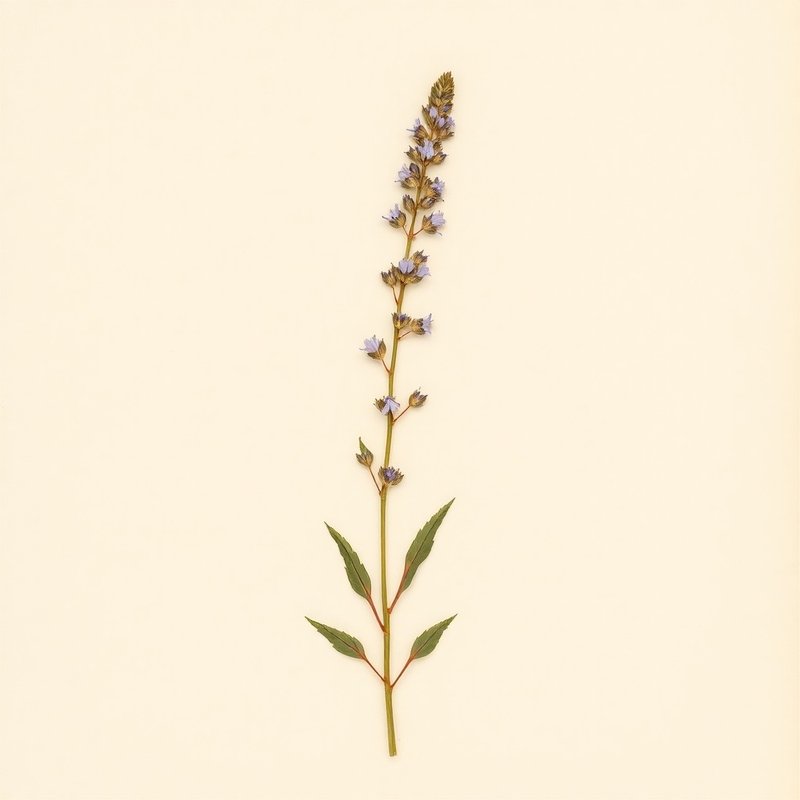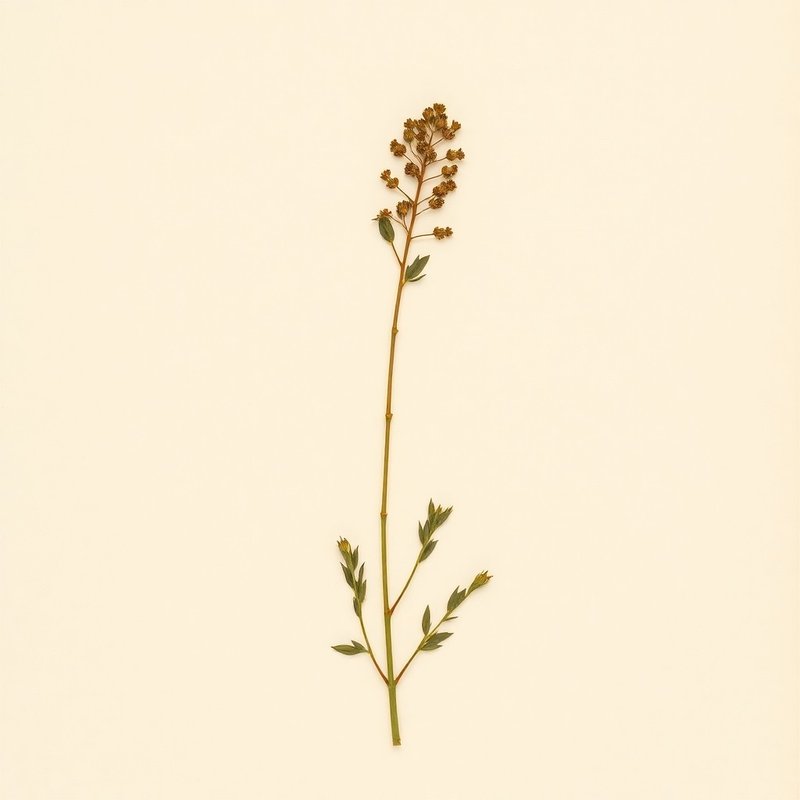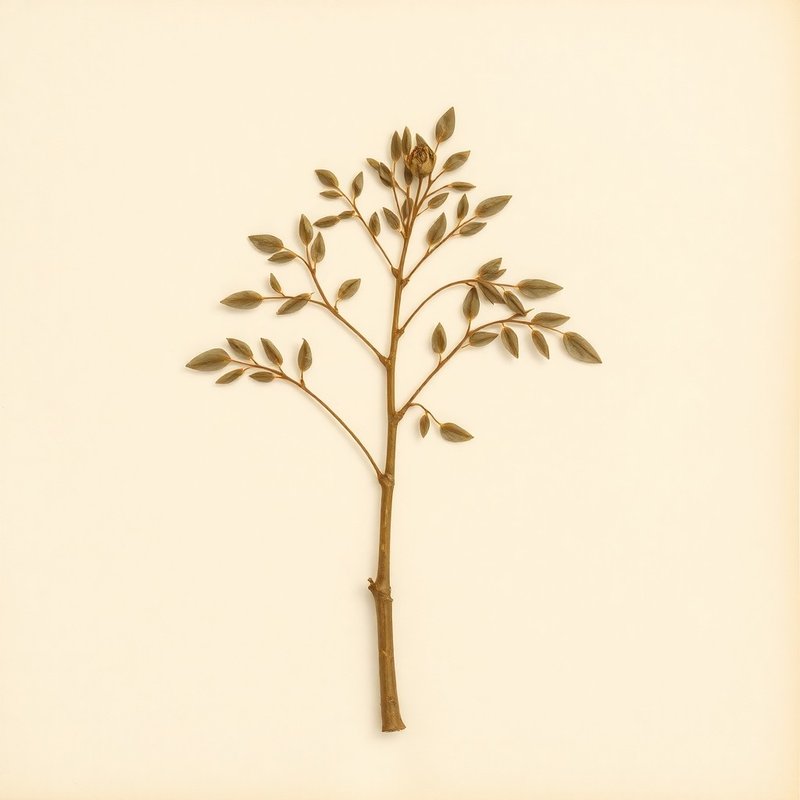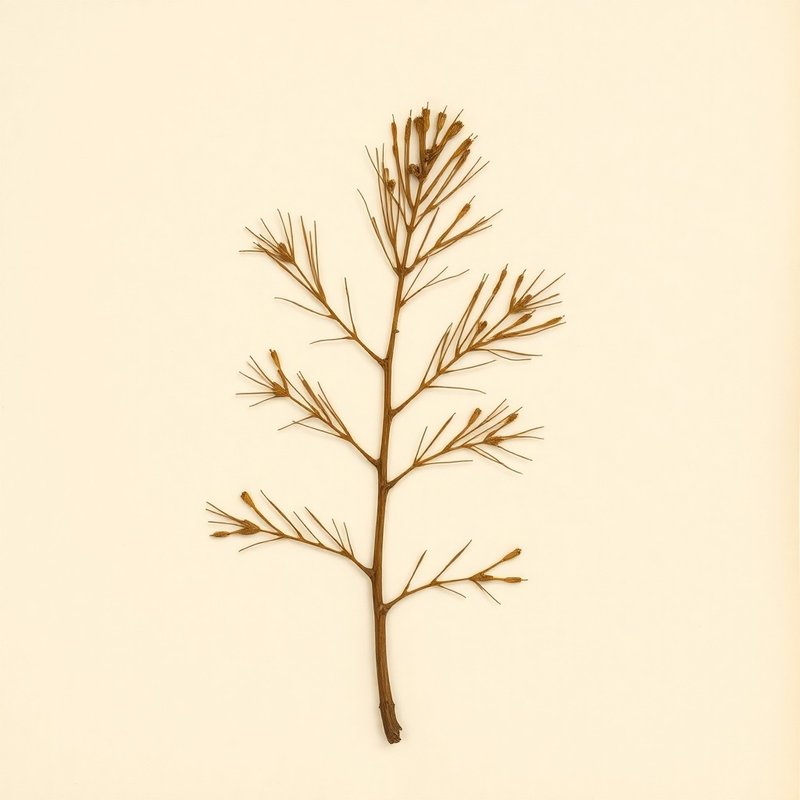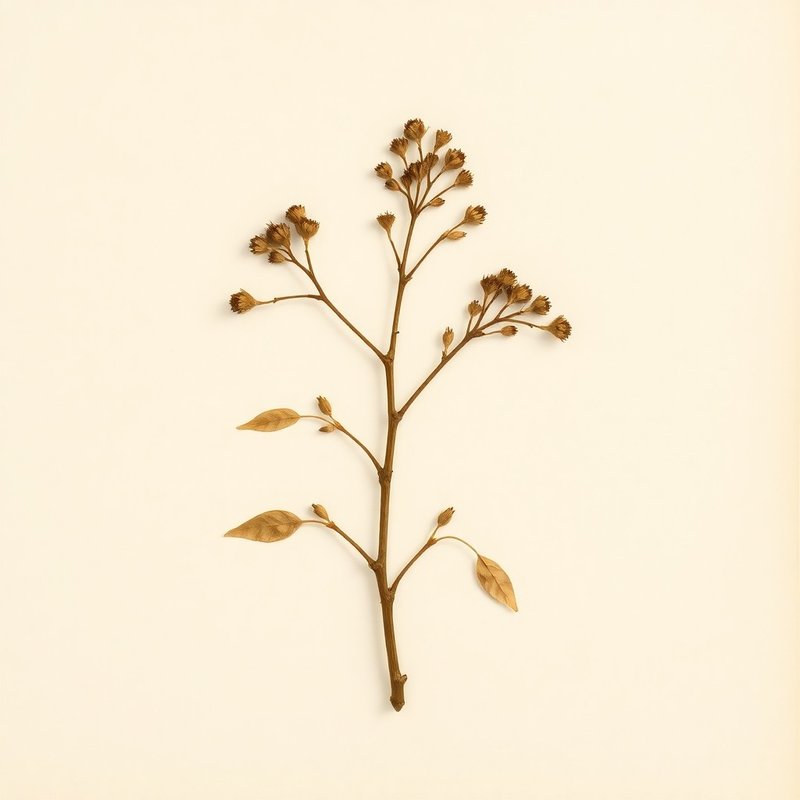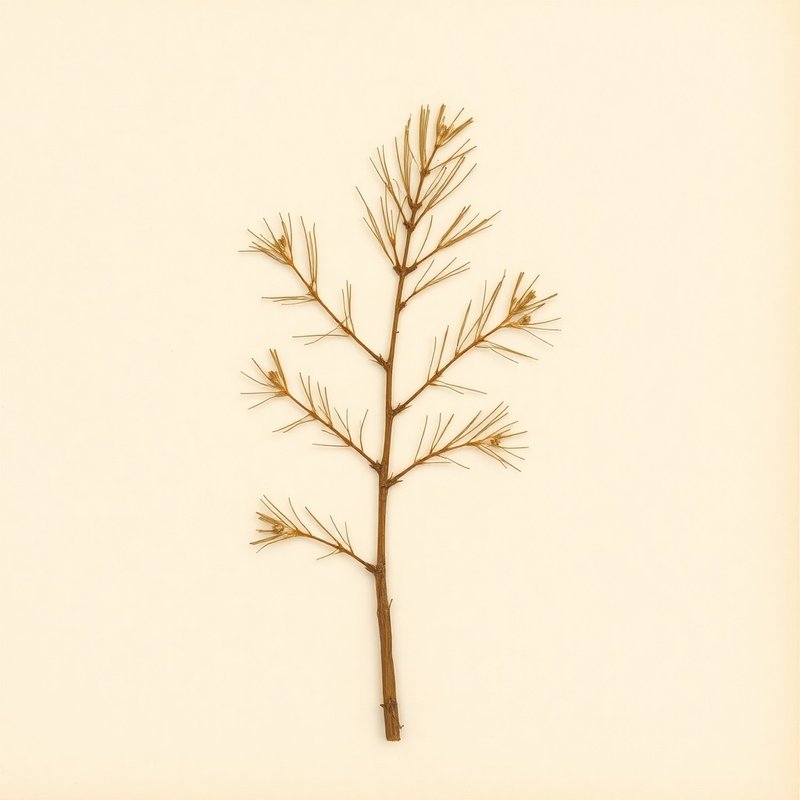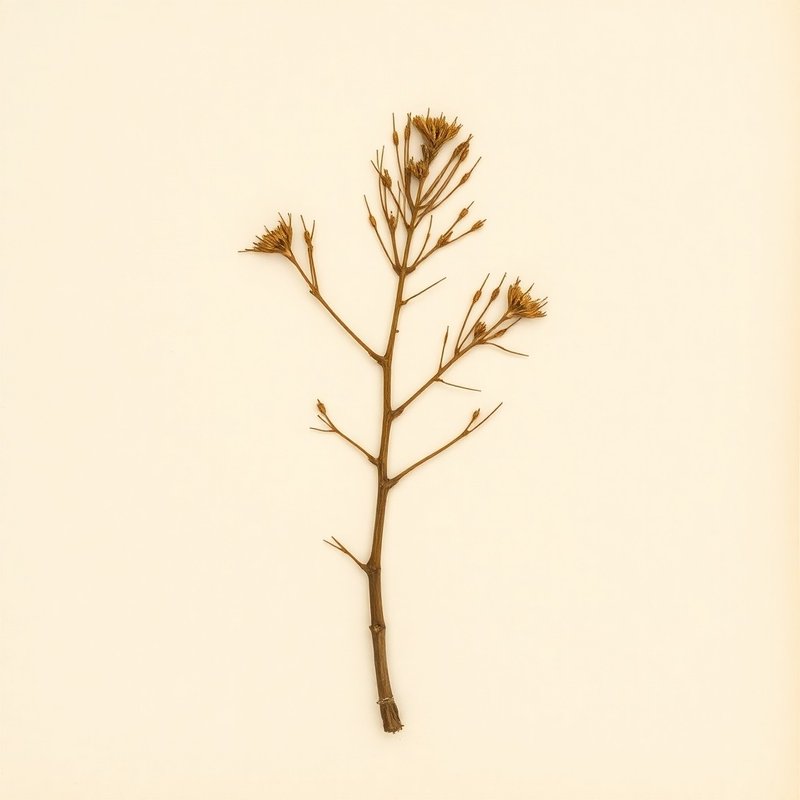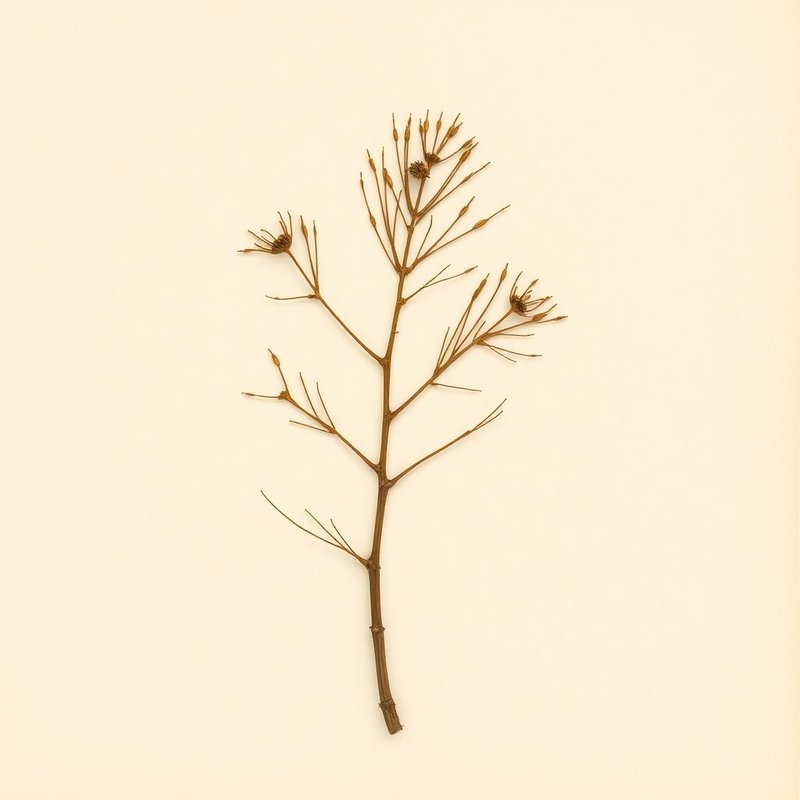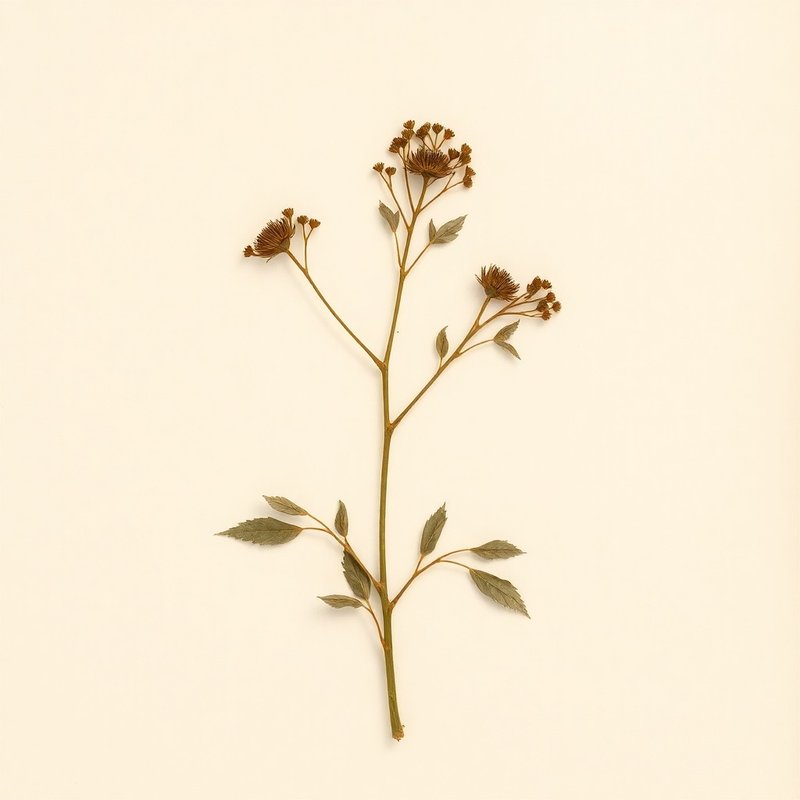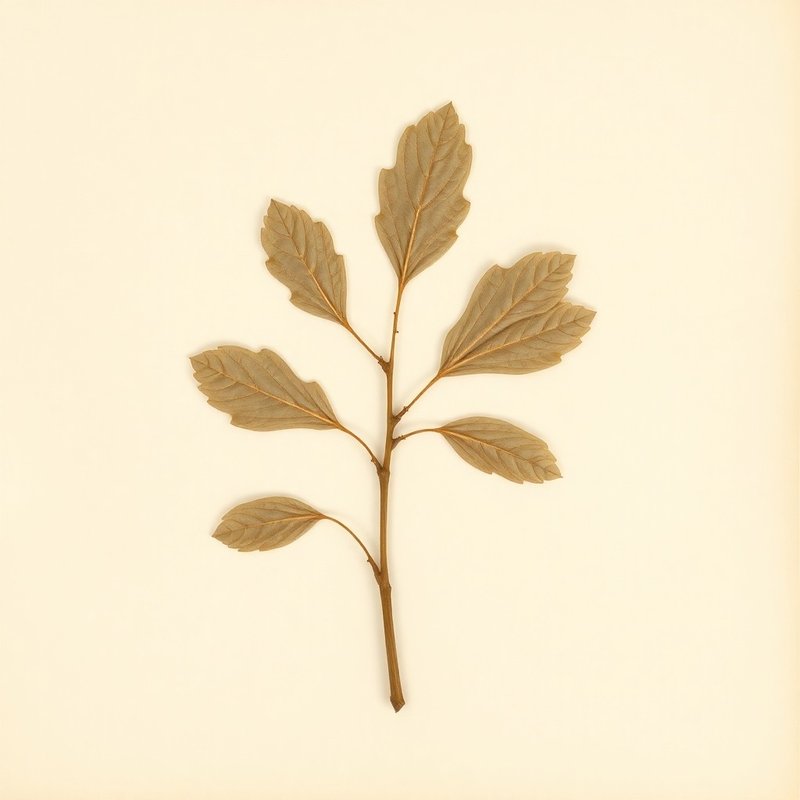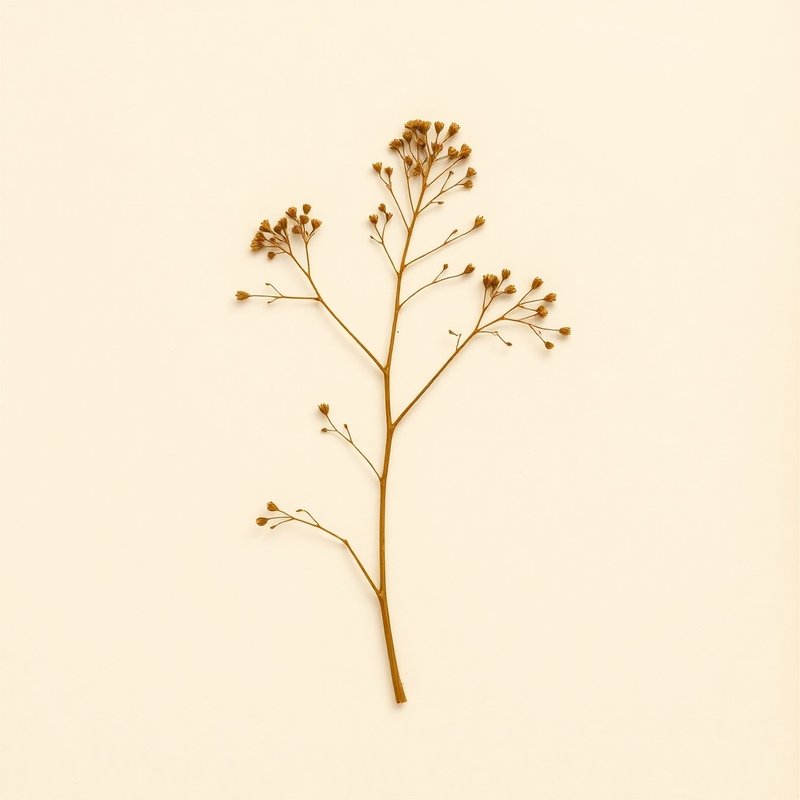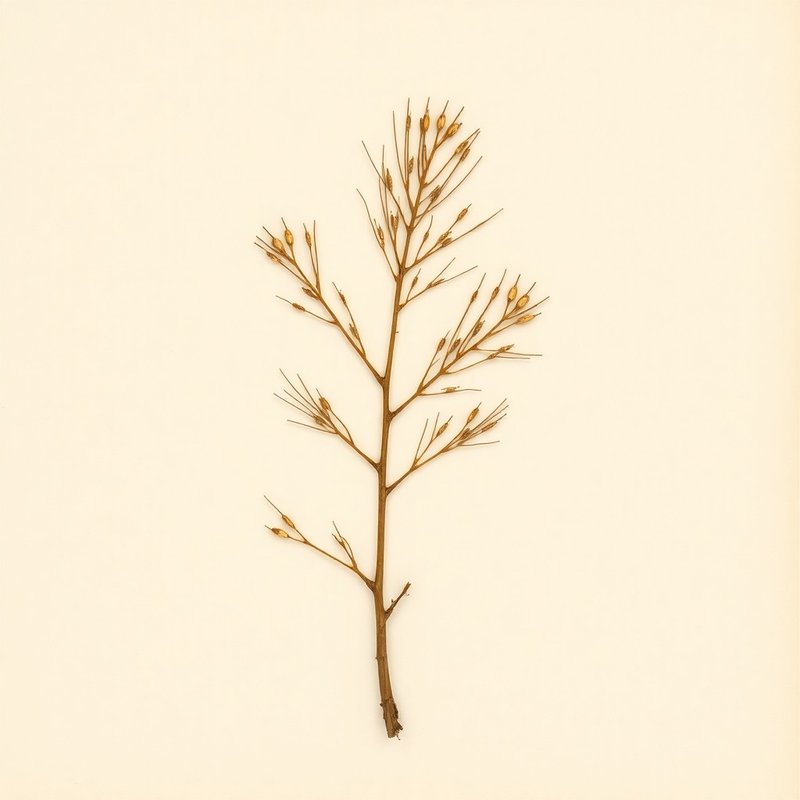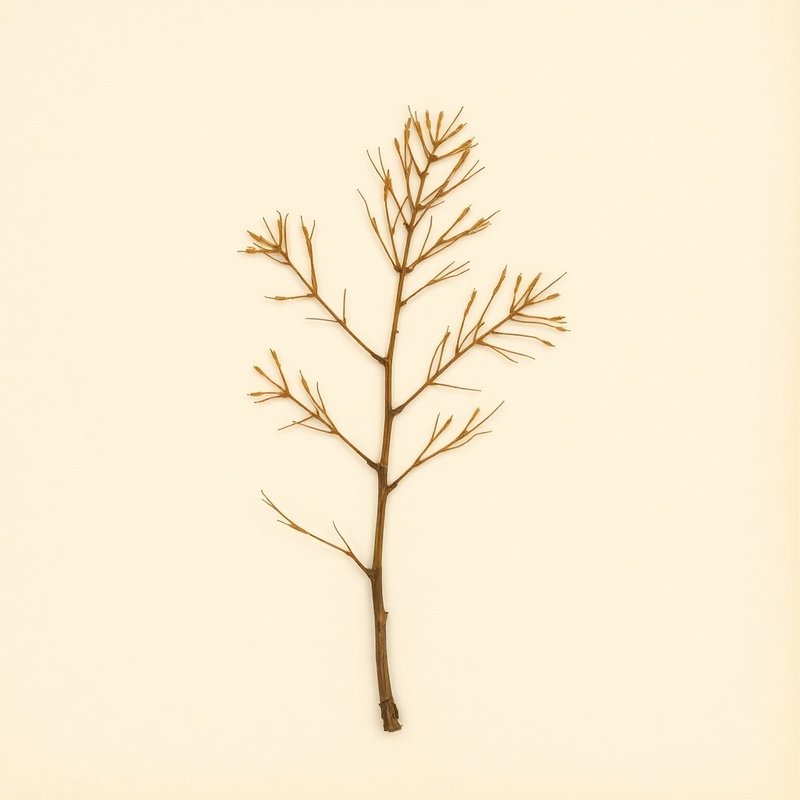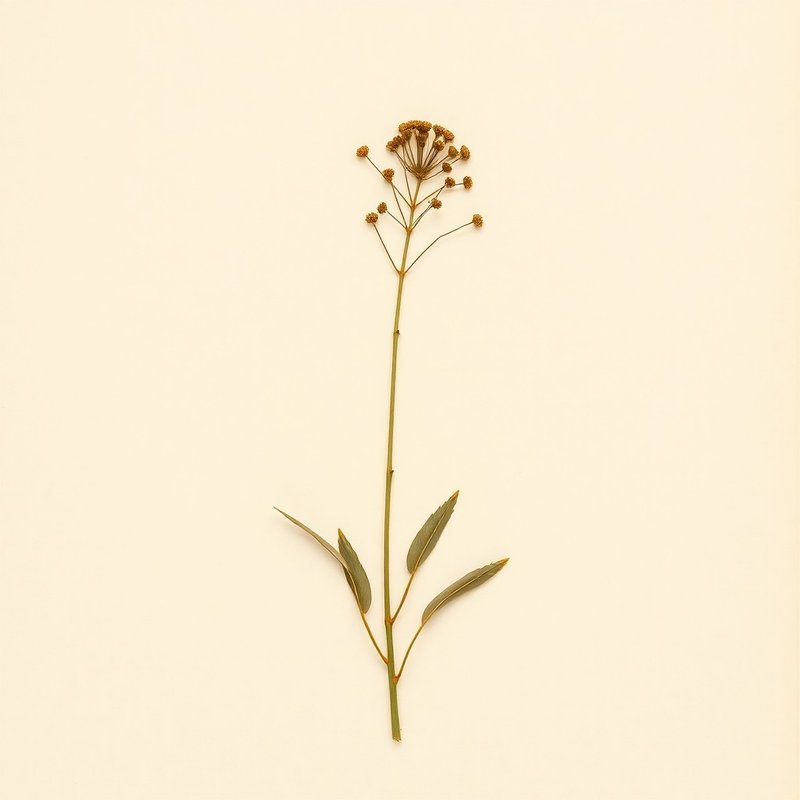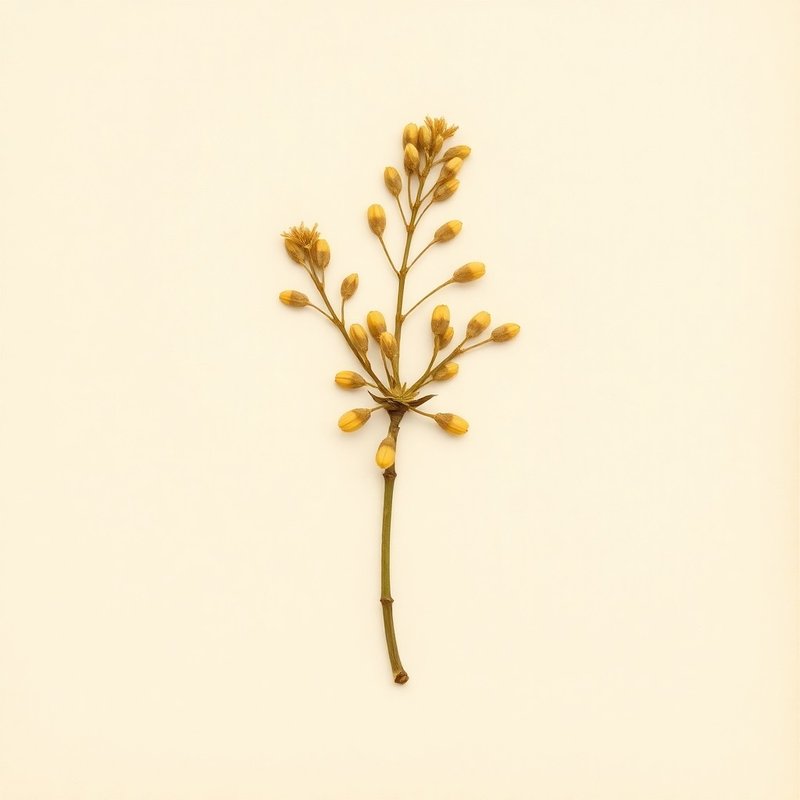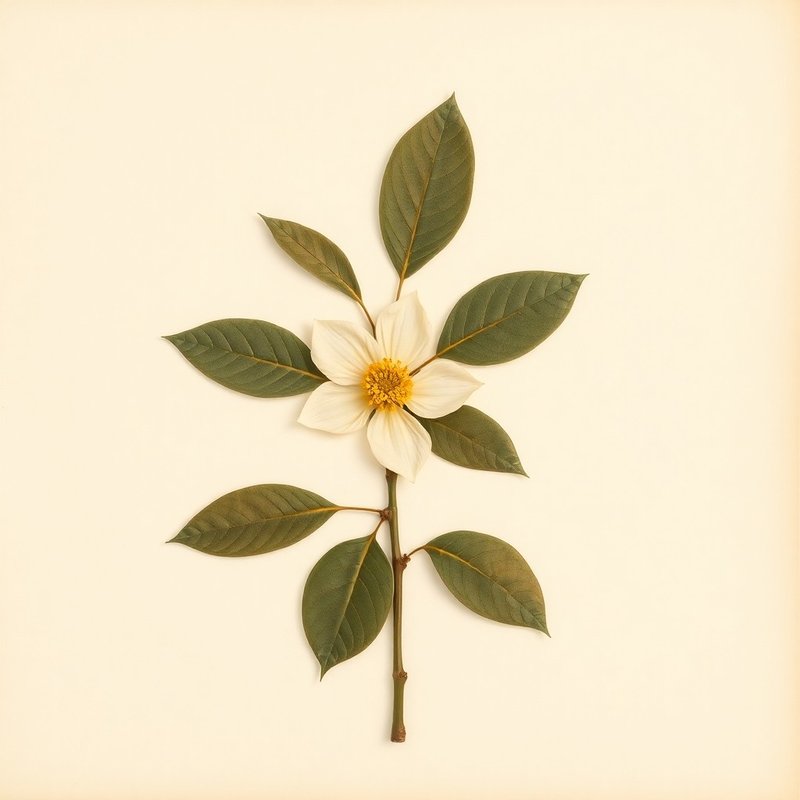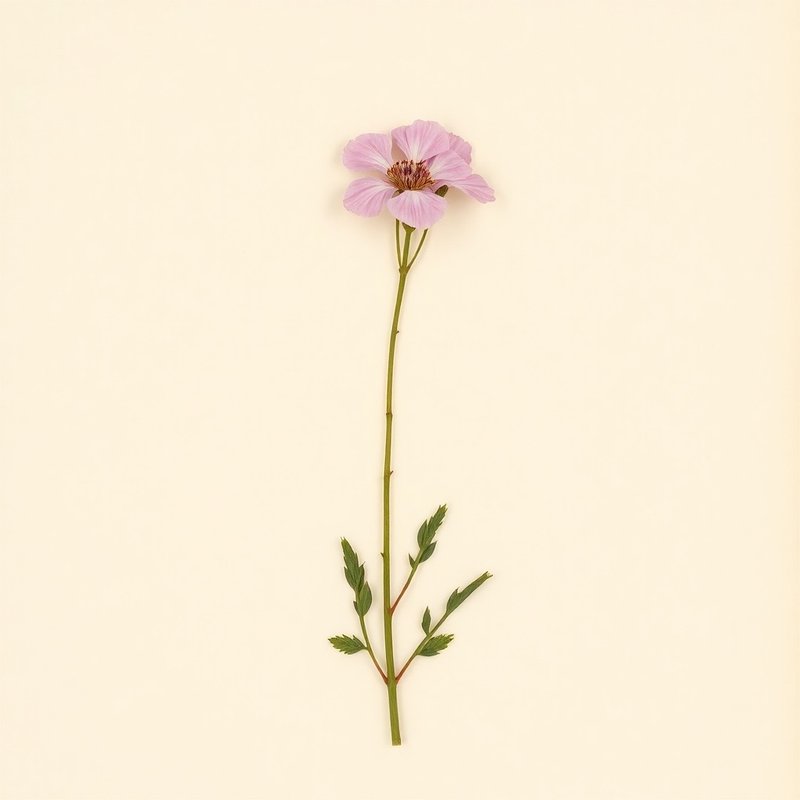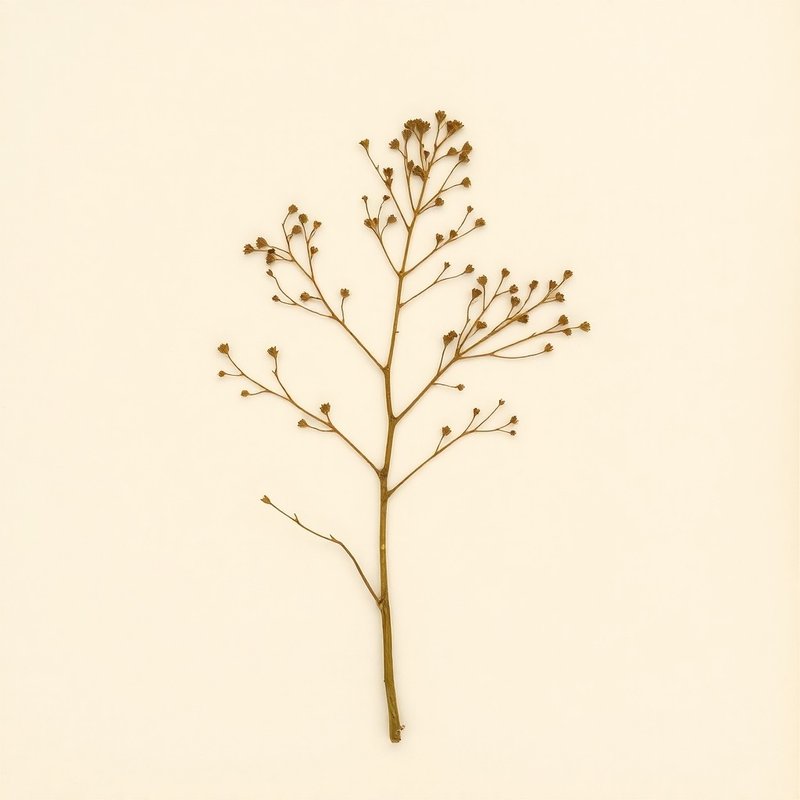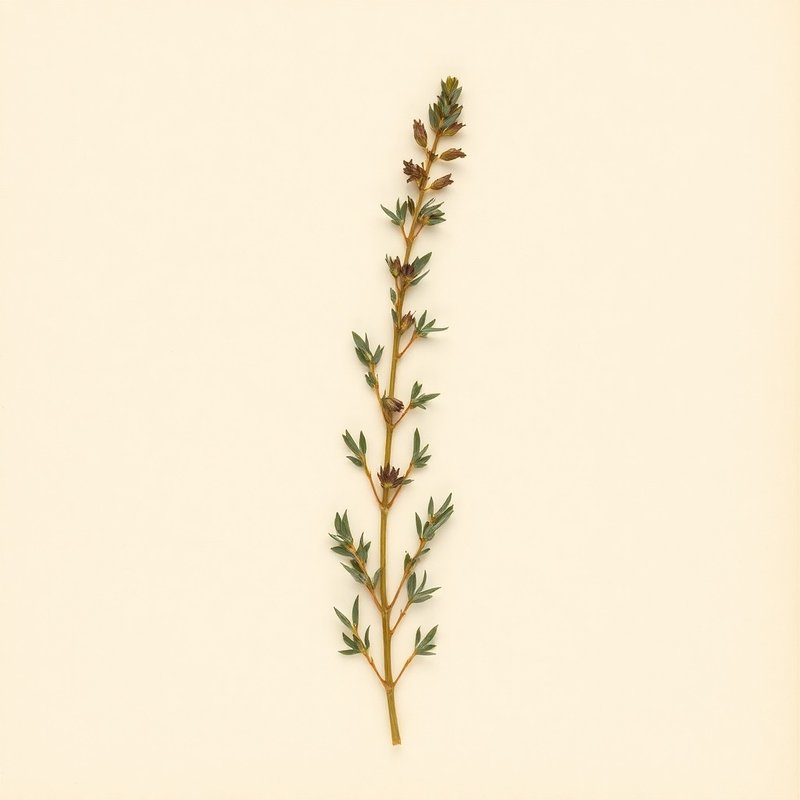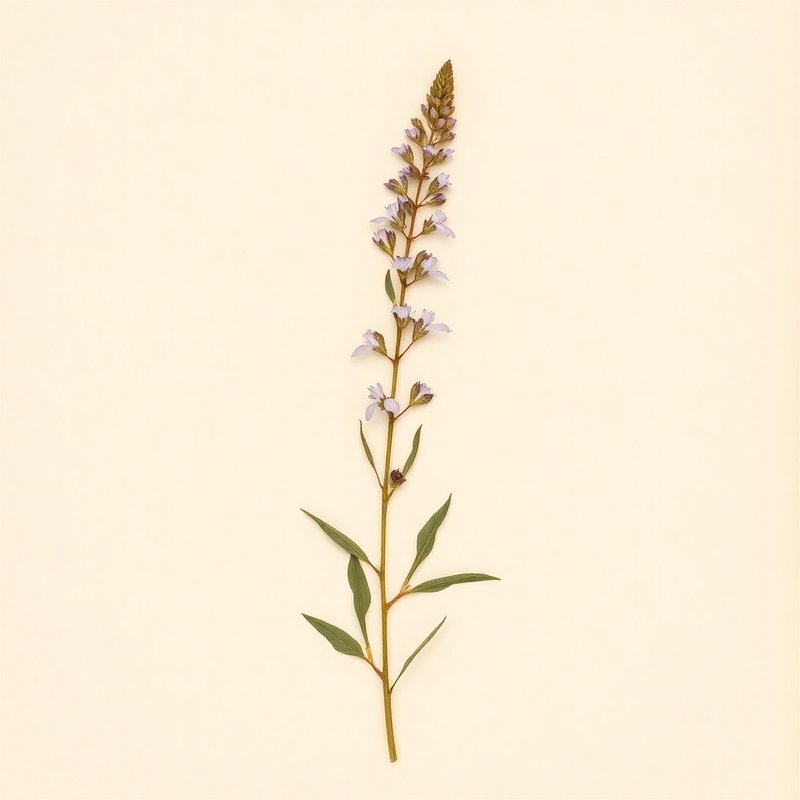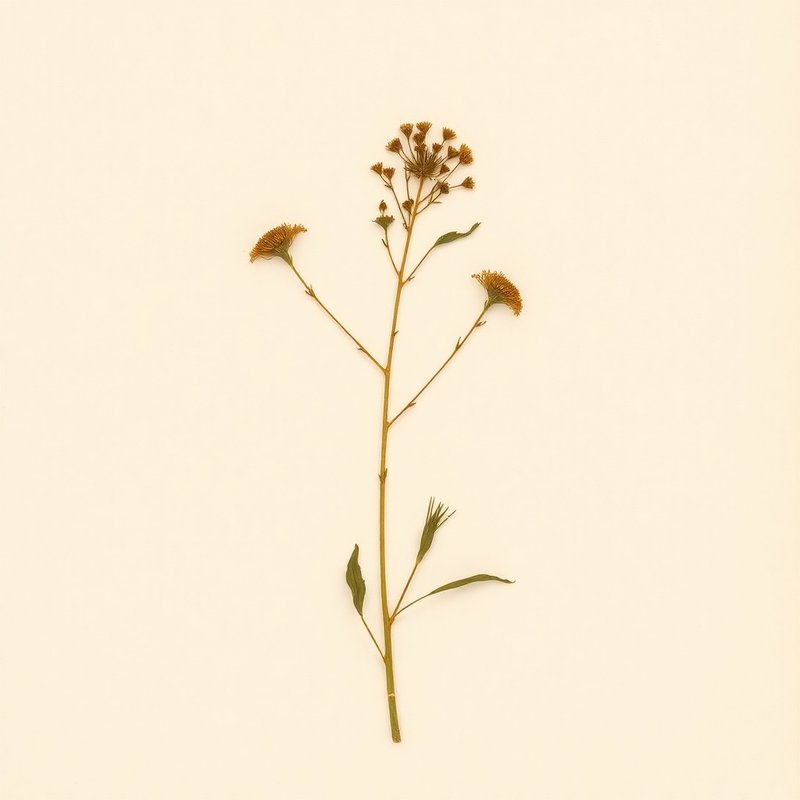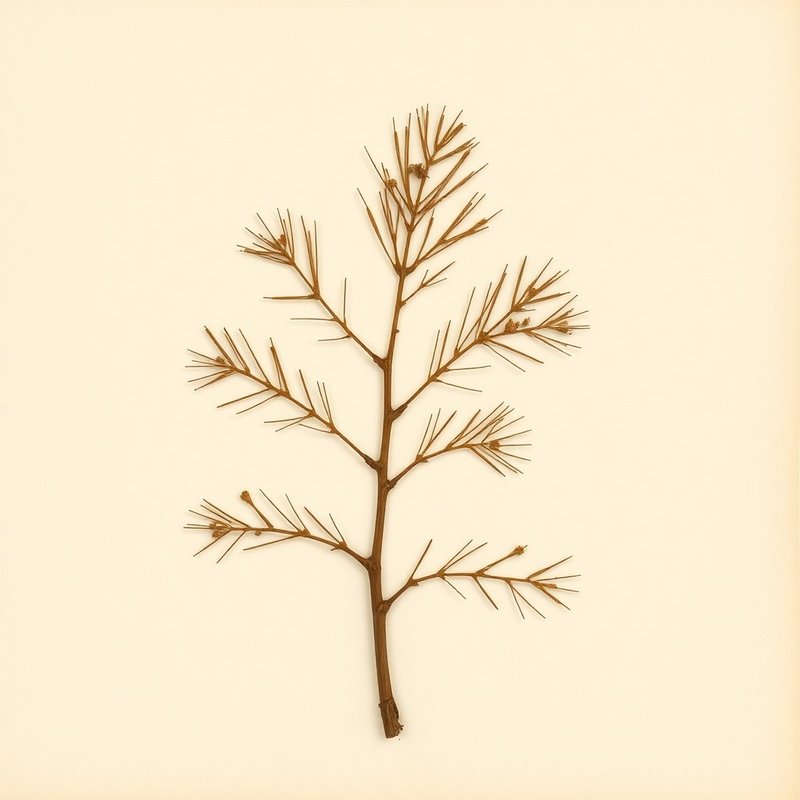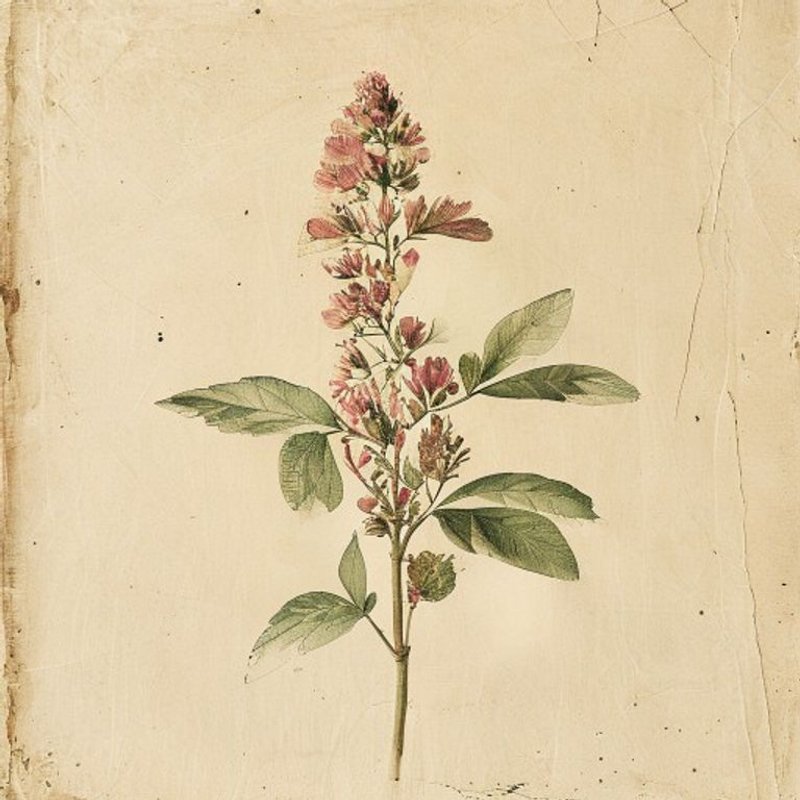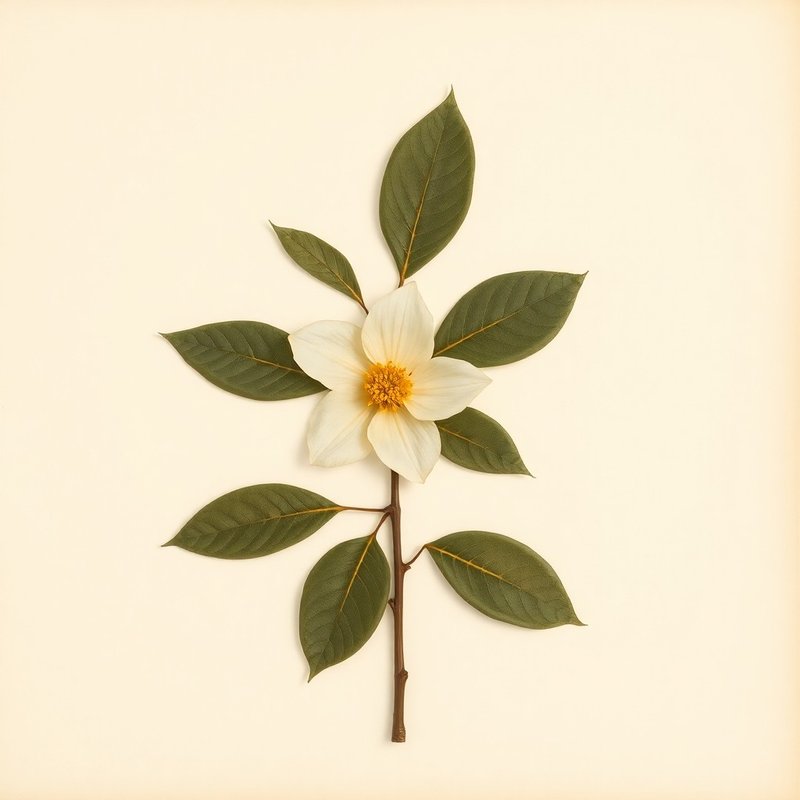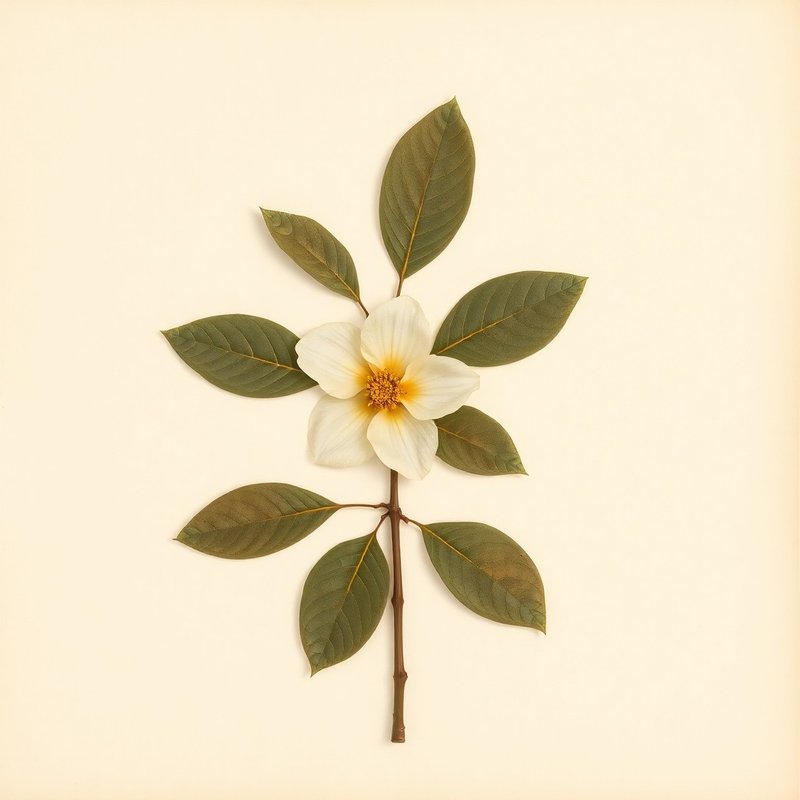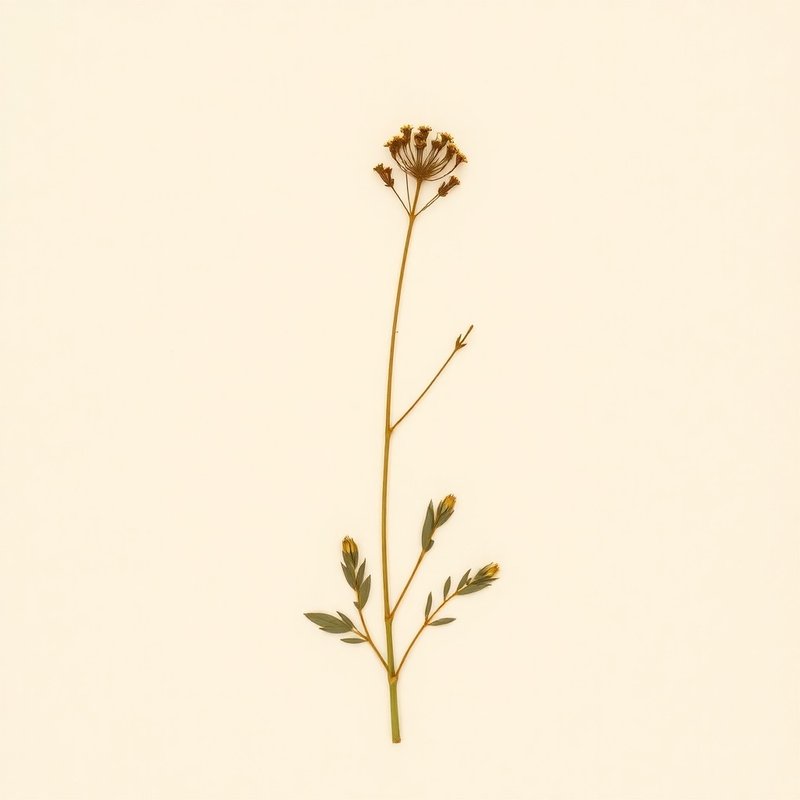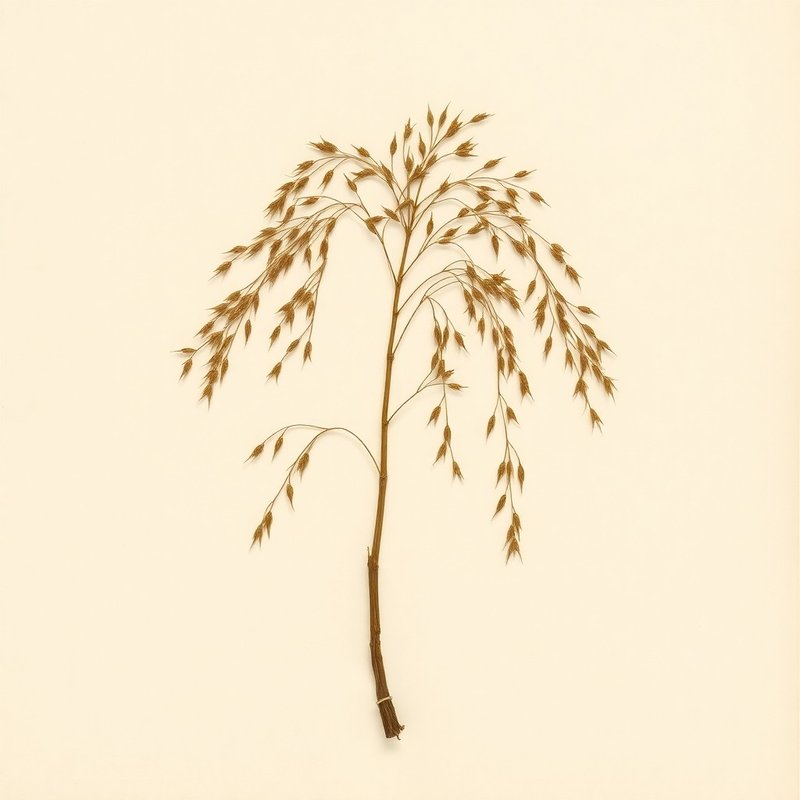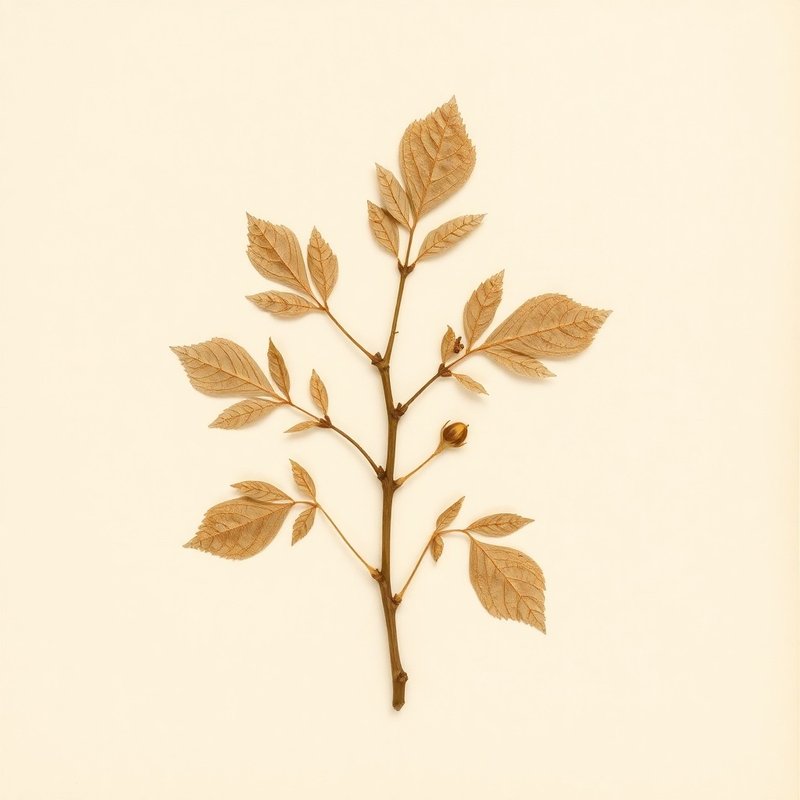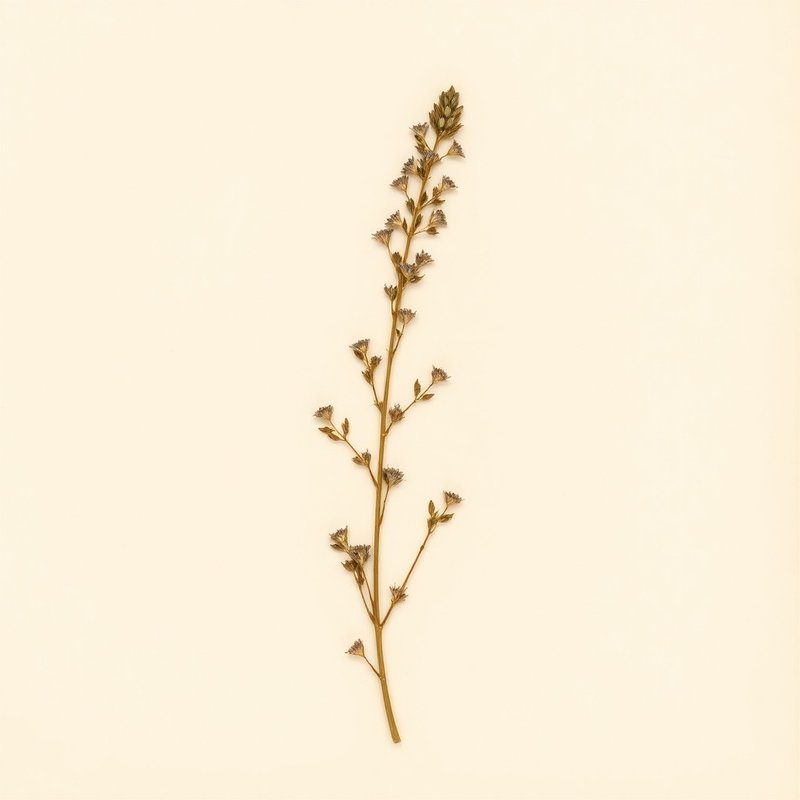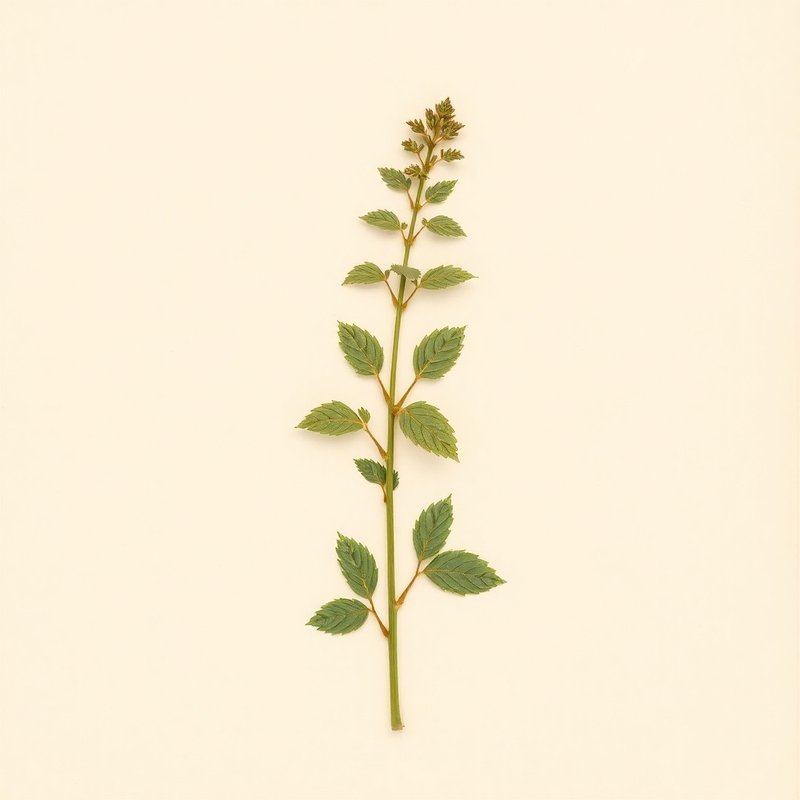
Lemon balm is one of the better-evidenced choices for Energy & focus — 1 cited reference with moderate evidence quality. Effect size d=0.45 (moderate). Modest cholinergic activity; acute single-dose studies show improvements in alertness and accuracy.
Best plants for Energy & focus
We catalogue 105 plants traditionally used or clinically studied for Energy & focus. Each entry shows its mechanism and evidence quality — pick by what works, not what trends.
Editor's top picks
ranked · citedRanked by confidence × effect-size × evidence count. These are the plants we'd reach for first for Energy & focus. Click through for the full profile.
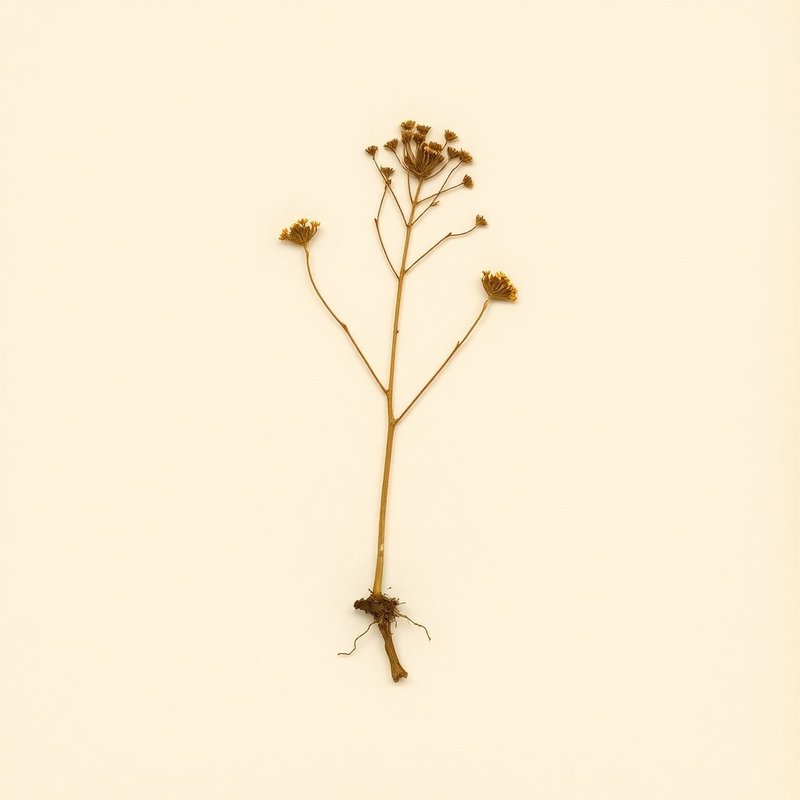
California Walnut is one of the better-evidenced choices for Energy & focus — traditional-use record only; no cited clinical references catalogued yet. Effect size d=0.30 (small). Traditional context only.
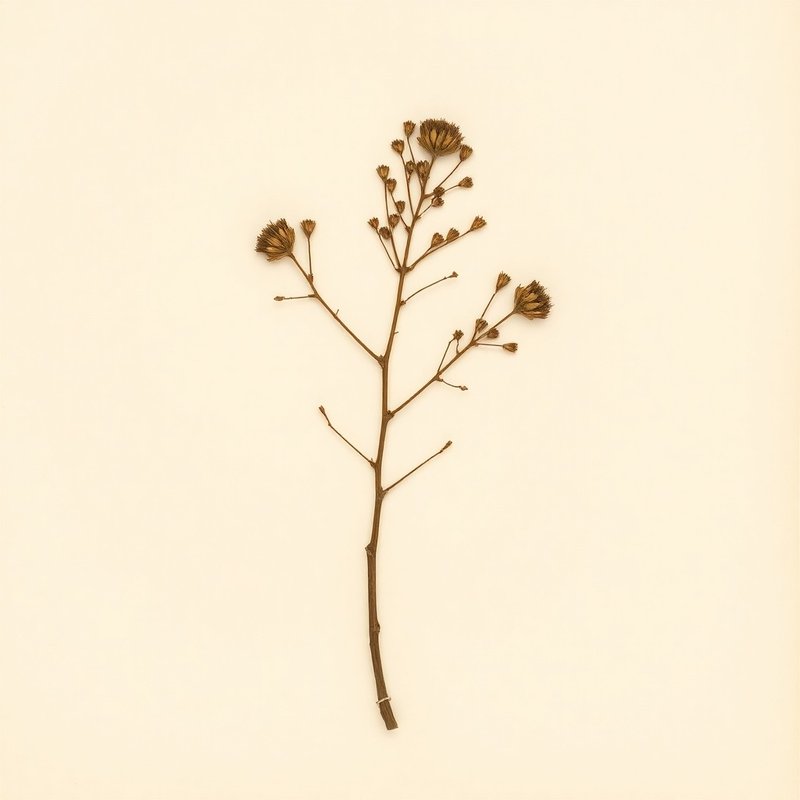
Citrus sinensis is one of the better-evidenced choices for Energy & focus — traditional-use record only; no cited clinical references catalogued yet. Effect size d=0.35 (small). Traditional context only.
At a glance
top 10Use the Decision guide below to filter for pregnancy-safe, gentle, or specific preparation forms. Or open any plant recommendation above for full evidence detail.
High-confidence evidence
1 plantTraditional-use note: California Walnut appears in herbal sources around clarity and study-routine traditions, often as a traditional preparation. PlantSage presents this as ethnobotanical context, not as medical advice.
Mechanism: Traditional context only. This reviewed claim keeps the original high confidence level, but avoids treatment, disease, dosage, or guaranteed-effect language.
Moderate evidence
53 plantsImproves cognitive performance (acute)
Mechanism: Modest cholinergic activity; acute single-dose studies show improvements in alertness and accuracy.
Traditional-use note: Citrus sinensis appears in herbal sources around clarity and study-routine traditions, often as a tea. PlantSage presents this as ethnobotanical context, not as medical advice.
Mechanism: Traditional context only. This reviewed claim keeps the original moderate confidence level, but avoids treatment, disease, dosage, or guaranteed-effect language.
Traditional-use note: Isodon rugosus appears in herbal sources around clarity and study-routine traditions, often as a tea. PlantSage presents this as ethnobotanical context, not as medical advice.
Mechanism: Traditional context only. This reviewed claim keeps the original moderate confidence level, but avoids treatment, disease, dosage, or guaranteed-effect language.
Traditional-use note: Nepeta raphanorrhiza appears in herbal sources around clarity and study-routine traditions, often as a tea. PlantSage presents this as ethnobotanical context, not as medical advice.
Mechanism: Traditional context only. This reviewed claim keeps the original moderate confidence level, but avoids treatment, disease, dosage, or guaranteed-effect language.
Traditional-use note: Salvia stachyoides appears in herbal sources around clarity and study-routine traditions, often as a tea. PlantSage presents this as ethnobotanical context, not as medical advice.
Mechanism: Traditional context only. This reviewed claim keeps the original moderate confidence level, but avoids treatment, disease, dosage, or guaranteed-effect language.
Traditional-use note: Wild Thyme appears in herbal sources around clarity and study-routine traditions, often as a tea. PlantSage presents this as ethnobotanical context, not as medical advice.
Mechanism: Traditional context only. This reviewed claim keeps the original moderate confidence level, but avoids treatment, disease, dosage, or guaranteed-effect language.
Traditional-use note: Aconitum heterophyllum appears in herbal sources around clarity and study-routine traditions, often as a capsule. PlantSage presents this as ethnobotanical context, not as medical advice.
Mechanism: Traditional context only. This reviewed claim keeps the original moderate confidence level, but avoids treatment, disease, dosage, or guaranteed-effect language.
Traditional-use note: Barrenwort appears in herbal sources around clarity and study-routine traditions, often as a decoction. PlantSage presents this as ethnobotanical context, not as medical advice.
Mechanism: Traditional context only. This reviewed claim keeps the original moderate confidence level, but avoids treatment, disease, dosage, or guaranteed-effect language.
Traditional-use note: Berlandier's wolfberry appears in herbal sources around clarity and study-routine traditions, often as a tea. PlantSage presents this as ethnobotanical context, not as medical advice.
Mechanism: Traditional context only. This reviewed claim keeps the original moderate confidence level, but avoids treatment, disease, dosage, or guaranteed-effect language.
Traditional-use note: Big-Cone Pine appears in herbal sources around clarity and study-routine traditions, often as a tincture. PlantSage presents this as ethnobotanical context, not as medical advice.
Mechanism: Traditional context only. This reviewed claim keeps the original moderate confidence level, but avoids treatment, disease, dosage, or guaranteed-effect language.
Traditional-use note: Bittersweet appears in herbal sources around clarity and study-routine traditions, often as a decoction. PlantSage presents this as ethnobotanical context, not as medical advice.
Mechanism: Traditional context only. This reviewed claim keeps the original moderate confidence level, but avoids treatment, disease, dosage, or guaranteed-effect language.
Traditional-use note: Bristle-Cone Pine appears in herbal sources around clarity and study-routine traditions, often as a tincture. PlantSage presents this as ethnobotanical context, not as medical advice.
Mechanism: Traditional context only. This reviewed claim keeps the original moderate confidence level, but avoids treatment, disease, dosage, or guaranteed-effect language.
Traditional-use note: Buartnut appears in herbal sources around clarity and study-routine traditions, often as a tincture. PlantSage presents this as ethnobotanical context, not as medical advice.
Mechanism: Traditional context only. This reviewed claim keeps the original moderate confidence level, but avoids treatment, disease, dosage, or guaranteed-effect language.
Traditional-use note: Chia appears in herbal sources around clarity and study-routine traditions, often as a traditional preparation. PlantSage presents this as ethnobotanical context, not as medical advice.
Mechanism: Traditional context only. This reviewed claim keeps the original moderate confidence level, but avoids treatment, disease, dosage, or guaranteed-effect language.
Traditional-use note: Chinese White Pine appears in herbal sources around clarity and study-routine traditions, often as a decoction. PlantSage presents this as ethnobotanical context, not as medical advice.
Mechanism: Traditional context only. This reviewed claim keeps the original moderate confidence level, but avoids treatment, disease, dosage, or guaranteed-effect language.
Traditional-use note: Chir Pine appears in herbal sources around clarity and study-routine traditions, often as a tea. PlantSage presents this as ethnobotanical context, not as medical advice.
Mechanism: Traditional context only. This reviewed claim keeps the original moderate confidence level, but avoids treatment, disease, dosage, or guaranteed-effect language.
Traditional-use note: Codonopsis ussuriensis appears in herbal sources around clarity and study-routine traditions, often as a tea. PlantSage presents this as ethnobotanical context, not as medical advice.
Mechanism: Traditional context only. This reviewed claim keeps the original moderate confidence level, but avoids treatment, disease, dosage, or guaranteed-effect language.
Traditional-use note: Eleutherococcus divaricatus appears in herbal sources around clarity and study-routine traditions, often as a tincture. PlantSage presents this as ethnobotanical context, not as medical advice.
Mechanism: Traditional context only. This reviewed claim keeps the original moderate confidence level, but avoids treatment, disease, dosage, or guaranteed-effect language.
Traditional-use note: Eleutherococcus gracylistylus appears in herbal sources around clarity and study-routine traditions, often as a decoction. PlantSage presents this as ethnobotanical context, not as medical advice.
Mechanism: Traditional context only. This reviewed claim keeps the original moderate confidence level, but avoids treatment, disease, dosage, or guaranteed-effect language.
Traditional-use note: Eleutherococcus seoulensis appears in herbal sources around clarity and study-routine traditions, often as a decoction. PlantSage presents this as ethnobotanical context, not as medical advice.
Mechanism: Traditional context only. This reviewed claim keeps the original moderate confidence level, but avoids treatment, disease, dosage, or guaranteed-effect language.
Traditional-use note: European milkvetch appears in herbal sources around clarity and study-routine traditions, often as a tea. PlantSage presents this as ethnobotanical context, not as medical advice.
Mechanism: Traditional context only. This reviewed claim keeps the original moderate confidence level, but avoids treatment, disease, dosage, or guaranteed-effect language.
Traditional-use note: Hardy rubber tree appears in herbal sources around clarity and study-routine traditions, often as a decoction. PlantSage presents this as ethnobotanical context, not as medical advice.
Mechanism: Traditional context only. This reviewed claim keeps the original moderate confidence level, but avoids treatment, disease, dosage, or guaranteed-effect language.
Traditional-use note: Himalayan Blue Pine appears in herbal sources around clarity and study-routine traditions, often as a tea. PlantSage presents this as ethnobotanical context, not as medical advice.
Mechanism: Traditional context only. This reviewed claim keeps the original moderate confidence level, but avoids treatment, disease, dosage, or guaranteed-effect language.
Traditional-use note: Jack Pine appears in herbal sources around clarity and study-routine traditions, often as a tea. PlantSage presents this as ethnobotanical context, not as medical advice.
Mechanism: Traditional context only. This reviewed claim keeps the original moderate confidence level, but avoids treatment, disease, dosage, or guaranteed-effect language.
Traditional-use note: Japanese Horse Chestnut appears in herbal sources around clarity and study-routine traditions, often as a decoction. PlantSage presents this as ethnobotanical context, not as medical advice.
Mechanism: Traditional context only. This reviewed claim keeps the original moderate confidence level, but avoids treatment, disease, dosage, or guaranteed-effect language.
Traditional-use note: Japanese White Pine appears in herbal sources around clarity and study-routine traditions, often as a tea. PlantSage presents this as ethnobotanical context, not as medical advice.
Mechanism: Traditional context only. This reviewed claim keeps the original moderate confidence level, but avoids treatment, disease, dosage, or guaranteed-effect language.
Traditional-use note: Jeffrey Pine appears in herbal sources around clarity and study-routine traditions, often as a tea. PlantSage presents this as ethnobotanical context, not as medical advice.
Mechanism: Traditional context only. This reviewed claim keeps the original moderate confidence level, but avoids treatment, disease, dosage, or guaranteed-effect language.
Traditional-use note: Johann's pine appears in herbal sources around clarity and study-routine traditions, often as a tincture. PlantSage presents this as ethnobotanical context, not as medical advice.
Mechanism: Traditional context only. This reviewed claim keeps the original moderate confidence level, but avoids treatment, disease, dosage, or guaranteed-effect language.
Traditional-use note: Limber pine appears in herbal sources around clarity and study-routine traditions, often as a tincture. PlantSage presents this as ethnobotanical context, not as medical advice.
Mechanism: Traditional context only. This reviewed claim keeps the original moderate confidence level, but avoids treatment, disease, dosage, or guaranteed-effect language.
Traditional-use note: Lycium barbarum appears in herbal sources around clarity and study-routine traditions, often as a traditional preparation. PlantSage presents this as ethnobotanical context, not as medical advice.
Mechanism: Traditional context only. This reviewed claim keeps the original moderate confidence level, but avoids treatment, disease, dosage, or guaranteed-effect language.
Traditional-use note: Ohio Buckeye appears in herbal sources around clarity and study-routine traditions, often as a tincture. PlantSage presents this as ethnobotanical context, not as medical advice.
Mechanism: Traditional context only. This reviewed claim keeps the original moderate confidence level, but avoids treatment, disease, dosage, or guaranteed-effect language.
Traditional-use note: Panax pseudoginseng appears in herbal sources around clarity and study-routine traditions, often as a capsule. PlantSage presents this as ethnobotanical context, not as medical advice.
Mechanism: Traditional context only. This reviewed claim keeps the original moderate confidence level, but avoids treatment, disease, dosage, or guaranteed-effect language.
Traditional-use note: Papoose Root appears in herbal sources around clarity and study-routine traditions, often as a tea. PlantSage presents this as ethnobotanical context, not as medical advice.
Mechanism: Traditional context only. This reviewed claim keeps the original moderate confidence level, but avoids treatment, disease, dosage, or guaranteed-effect language.
Traditional-use note: Parry Piñon appears in herbal sources around clarity and study-routine traditions, often as a tincture. PlantSage presents this as ethnobotanical context, not as medical advice.
Mechanism: Traditional context only. This reviewed claim keeps the original moderate confidence level, but avoids treatment, disease, dosage, or guaranteed-effect language.
Traditional-use note: Pinus californiarum appears in herbal sources around clarity and study-routine traditions, often as a tincture. PlantSage presents this as ethnobotanical context, not as medical advice.
Mechanism: Traditional context only. This reviewed claim keeps the original moderate confidence level, but avoids treatment, disease, dosage, or guaranteed-effect language.
Traditional-use note: Polygonatum falcatum appears in herbal sources around clarity and study-routine traditions, often as a decoction. PlantSage presents this as ethnobotanical context, not as medical advice.
Mechanism: Traditional context only. This reviewed claim keeps the original moderate confidence level, but avoids treatment, disease, dosage, or guaranteed-effect language.
Traditional-use note: Polygonatum inflatum appears in herbal sources around clarity and study-routine traditions, often as a decoction. PlantSage presents this as ethnobotanical context, not as medical advice.
Mechanism: Traditional context only. This reviewed claim keeps the original moderate confidence level, but avoids treatment, disease, dosage, or guaranteed-effect language.
Traditional-use note: Polygonatum involucratum appears in herbal sources around clarity and study-routine traditions, often as a decoction. PlantSage presents this as ethnobotanical context, not as medical advice.
Mechanism: Traditional context only. This reviewed claim keeps the original moderate confidence level, but avoids treatment, disease, dosage, or guaranteed-effect language.
Traditional-use note: Polygonatum macropodum appears in herbal sources around clarity and study-routine traditions, often as a decoction. PlantSage presents this as ethnobotanical context, not as medical advice.
Mechanism: Traditional context only. This reviewed claim keeps the original moderate confidence level, but avoids treatment, disease, dosage, or guaranteed-effect language.
Traditional-use note: Qin Ling Huang Qi appears in herbal sources around clarity and study-routine traditions, often as a tea. PlantSage presents this as ethnobotanical context, not as medical advice.
Mechanism: Traditional context only. This reviewed claim keeps the original moderate confidence level, but avoids treatment, disease, dosage, or guaranteed-effect language.
Traditional-use note: Quinine tree appears in herbal sources around clarity and study-routine traditions, often as a decoction. PlantSage presents this as ethnobotanical context, not as medical advice.
Mechanism: Traditional context only. This reviewed claim keeps the original moderate confidence level, but avoids treatment, disease, dosage, or guaranteed-effect language.
Traditional-use note: Red Buckeye appears in herbal sources around clarity and study-routine traditions, often as a decoction. PlantSage presents this as ethnobotanical context, not as medical advice.
Mechanism: Traditional context only. This reviewed claim keeps the original moderate confidence level, but avoids treatment, disease, dosage, or guaranteed-effect language.
Traditional-use note: Schisandra henryi appears in herbal sources around clarity and study-routine traditions, often as a decoction. PlantSage presents this as ethnobotanical context, not as medical advice.
Mechanism: Traditional context only. This reviewed claim keeps the original moderate confidence level, but avoids treatment, disease, dosage, or guaranteed-effect language.
Traditional-use note: Soledad Pine appears in herbal sources around clarity and study-routine traditions, often as a tincture. PlantSage presents this as ethnobotanical context, not as medical advice.
Mechanism: Traditional context only. This reviewed claim keeps the original moderate confidence level, but avoids treatment, disease, dosage, or guaranteed-effect language.
Traditional-use note: Southwestern White Pine appears in herbal sources around clarity and study-routine traditions, often as a tea. PlantSage presents this as ethnobotanical context, not as medical advice.
Mechanism: Traditional context only. This reviewed claim keeps the original moderate confidence level, but avoids treatment, disease, dosage, or guaranteed-effect language.
Traditional-use note: Specklepod Milkvetch appears in herbal sources around clarity and study-routine traditions, often as a traditional preparation. PlantSage presents this as ethnobotanical context, not as medical advice.
Mechanism: Traditional context only. This reviewed claim keeps the original moderate confidence level, but avoids treatment, disease, dosage, or guaranteed-effect language.
Traditional-use note: Squawthorn appears in herbal sources around clarity and study-routine traditions, often as a decoction. PlantSage presents this as ethnobotanical context, not as medical advice.
Mechanism: Traditional context only. This reviewed claim keeps the original moderate confidence level, but avoids treatment, disease, dosage, or guaranteed-effect language.
Traditional-use note: Sugar Pine appears in herbal sources around clarity and study-routine traditions, often as a tea. PlantSage presents this as ethnobotanical context, not as medical advice.
Mechanism: Traditional context only. This reviewed claim keeps the original moderate confidence level, but avoids treatment, disease, dosage, or guaranteed-effect language.
Traditional-use note: Tundra milkvetch appears in herbal sources around clarity and study-routine traditions, often as a decoction. PlantSage presents this as ethnobotanical context, not as medical advice.
Mechanism: Traditional context only. This reviewed claim keeps the original moderate confidence level, but avoids treatment, disease, dosage, or guaranteed-effect language.
Traditional-use note: Western White Pine appears in herbal sources around clarity and study-routine traditions, often as a tincture. PlantSage presents this as ethnobotanical context, not as medical advice.
Mechanism: Traditional context only. This reviewed claim keeps the original moderate confidence level, but avoids treatment, disease, dosage, or guaranteed-effect language.
Traditional-use note: White-Bark Pine appears in herbal sources around clarity and study-routine traditions, often as a tea. PlantSage presents this as ethnobotanical context, not as medical advice.
Mechanism: Traditional context only. This reviewed claim keeps the original moderate confidence level, but avoids treatment, disease, dosage, or guaranteed-effect language.
Traditional-use note: Wu La Te Huang Qi appears in herbal sources around clarity and study-routine traditions, often as a decoction. PlantSage presents this as ethnobotanical context, not as medical advice.
Mechanism: Traditional context only. This reviewed claim keeps the original moderate confidence level, but avoids treatment, disease, dosage, or guaranteed-effect language.
Traditional-use note: Yellow buckeye appears in herbal sources around clarity and study-routine traditions, often as a tincture. PlantSage presents this as ethnobotanical context, not as medical advice.
Mechanism: Traditional context only. This reviewed claim keeps the original moderate confidence level, but avoids treatment, disease, dosage, or guaranteed-effect language.
Low / traditional evidence only
51 plantsTraditional use: ginkgo improves cerebral circulation and short-term memory in mild cognitive impairment.
Mechanism: Flavonoids + terpenoids — vasodilation + antioxidant
Traditional use: gotu kola supports focus during mental exhaustion. Ayurvedic tradition + modern evidence.
Mechanism: Triterpenes — BDNF
Traditional use: bacopa for memory and focus. Multiple RCTs confirm benefit in older adults. 8-12 week onset.
Mechanism: Bacosides — neuroprotective + cholinergic
Traditional use: tulsi morning tea for clarity + focus. Daily.
Mechanism: Eugenol + adaptogenic
Traditional use: maca for cognitive vigor at high altitudes. Andean preparation.
Mechanism: Macamides + glucosinolates
Traditional use: ginseng for acute mental fatigue. Morning dosing.
Mechanism: Ginsenosides
Traditional use: American ginseng for focus without overstimulation. Suitable for hot constitutions.
Mechanism: Ginsenosides Rb1
Traditional use: rhodiola sustains mental performance under sleep deprivation and high workload.
Mechanism: Salidroside on adaptogenic
Traditional use: sage extract improves memory and word recall. Acetylcholinesterase inhibition.
Mechanism: Camphor + 1,8-cineole
Traditional use: green tea (L-theanine + caffeine) improves focused attention without jitters.
Mechanism: L-theanine + caffeine synergy
Traditional use: yuan zhi in TCM for memory + focus weakness. Pairs with bacopa.
Mechanism: Saponins on cholinergic transmission
Traditional-use note: Aerial Yam appears in herbal sources around clarity and study-routine traditions, often as a tea. PlantSage presents this as ethnobotanical context, not as medical advice.
Mechanism: Traditional context only. This reviewed claim keeps the original low confidence level, but avoids treatment, disease, dosage, or guaranteed-effect language.
Traditional-use note: American Blue Vervain appears in herbal sources around clarity and study-routine traditions, often as a tincture. PlantSage presents this as ethnobotanical context, not as medical advice.
Mechanism: Traditional context only. This reviewed claim keeps the original low confidence level, but avoids treatment, disease, dosage, or guaranteed-effect language.
Traditional-use note: Angelica appears in herbal sources around clarity and study-routine traditions, often as a tincture. PlantSage presents this as ethnobotanical context, not as medical advice.
Mechanism: Traditional context only. This reviewed claim keeps the original low confidence level, but avoids treatment, disease, dosage, or guaranteed-effect language.
Traditional-use note: Aralia nudicaulis appears in herbal sources around clarity and study-routine traditions, often as a tincture. PlantSage presents this as ethnobotanical context, not as medical advice.
Mechanism: Traditional context only. This reviewed claim keeps the original low confidence level, but avoids treatment, disease, dosage, or guaranteed-effect language.
Traditional-use note: Artemisia dracunculus appears in herbal sources around clarity and study-routine traditions, often as a tea. PlantSage presents this as ethnobotanical context, not as medical advice.
Mechanism: Traditional context only. This reviewed claim keeps the original low confidence level, but avoids treatment, disease, dosage, or guaranteed-effect language.
Traditional-use note: Borage appears in herbal sources around clarity and study-routine traditions, often as a tincture. PlantSage presents this as ethnobotanical context, not as medical advice.
Mechanism: Traditional context only. This reviewed claim keeps the original low confidence level, but avoids treatment, disease, dosage, or guaranteed-effect language.
Traditional-use note: Bugle appears in herbal sources around clarity and study-routine traditions, often as a tea. PlantSage presents this as ethnobotanical context, not as medical advice.
Mechanism: Traditional context only. This reviewed claim keeps the original low confidence level, but avoids treatment, disease, dosage, or guaranteed-effect language.
Traditional-use note: Chinese Parasol Tree appears in herbal sources around clarity and study-routine traditions, often as a tea. PlantSage presents this as ethnobotanical context, not as medical advice.
Mechanism: Traditional context only. This reviewed claim keeps the original low confidence level, but avoids treatment, disease, dosage, or guaranteed-effect language.
Traditional-use note: English walnut appears in herbal sources around clarity and study-routine traditions, often as a tincture. PlantSage presents this as ethnobotanical context, not as medical advice.
Mechanism: Traditional context only. This reviewed claim keeps the original low confidence level, but avoids treatment, disease, dosage, or guaranteed-effect language.
Traditional-use note: Japanese Primrose appears in herbal sources around clarity and study-routine traditions, often as a tincture. PlantSage presents this as ethnobotanical context, not as medical advice.
Mechanism: Traditional context only. This reviewed claim keeps the original low confidence level, but avoids treatment, disease, dosage, or guaranteed-effect language.
Traditional-use note: Korean mugwort appears in herbal sources around clarity and study-routine traditions, often as a tea. PlantSage presents this as ethnobotanical context, not as medical advice.
Mechanism: Traditional context only. This reviewed claim keeps the original low confidence level, but avoids treatment, disease, dosage, or guaranteed-effect language.
Traditional-use note: Manna Gum appears in herbal sources around clarity and study-routine traditions, often as a tincture. PlantSage presents this as ethnobotanical context, not as medical advice.
Mechanism: Traditional context only. This reviewed claim keeps the original low confidence level, but avoids treatment, disease, dosage, or guaranteed-effect language.
Traditional-use note: Mexican Tea appears in herbal sources around clarity and study-routine traditions, often as a tea. PlantSage presents this as ethnobotanical context, not as medical advice.
Mechanism: Traditional context only. This reviewed claim keeps the original low confidence level, but avoids treatment, disease, dosage, or guaranteed-effect language.
Traditional-use note: Nootka Rose appears in herbal sources around clarity and study-routine traditions, often as a tincture. PlantSage presents this as ethnobotanical context, not as medical advice.
Mechanism: Traditional context only. This reviewed claim keeps the original low confidence level, but avoids treatment, disease, dosage, or guaranteed-effect language.
Traditional-use note: Perennial Lettuce appears in herbal sources around clarity and study-routine traditions, often as a tincture. PlantSage presents this as ethnobotanical context, not as medical advice.
Mechanism: Traditional context only. This reviewed claim keeps the original low confidence level, but avoids treatment, disease, dosage, or guaranteed-effect language.
Traditional-use note: Pink appears in herbal sources around clarity and study-routine traditions, often as a tea. PlantSage presents this as ethnobotanical context, not as medical advice.
Mechanism: Traditional context only. This reviewed claim keeps the original low confidence level, but avoids treatment, disease, dosage, or guaranteed-effect language.
Traditional-use note: Polygonatum stenanthum appears in herbal sources around clarity and study-routine traditions, often as a traditional preparation. PlantSage presents this as ethnobotanical context, not as medical advice.
Mechanism: Traditional context only. This reviewed claim keeps the original low confidence level, but avoids treatment, disease, dosage, or guaranteed-effect language.
Traditional-use note: Prickly Juniper appears in herbal sources around clarity and study-routine traditions, often as a aromatherapy. PlantSage presents this as ethnobotanical context, not as medical advice.
Mechanism: Traditional context only. This reviewed claim keeps the original low confidence level, but avoids treatment, disease, dosage, or guaranteed-effect language.
Traditional-use note: Prunus x eminens appears in herbal sources around clarity and study-routine traditions, often as a tea. PlantSage presents this as ethnobotanical context, not as medical advice.
Mechanism: Traditional context only. This reviewed claim keeps the original low confidence level, but avoids treatment, disease, dosage, or guaranteed-effect language.
Traditional-use note: Red Maple appears in herbal sources around clarity and study-routine traditions, often as a tincture. PlantSage presents this as ethnobotanical context, not as medical advice.
Mechanism: Traditional context only. This reviewed claim keeps the original low confidence level, but avoids treatment, disease, dosage, or guaranteed-effect language.
Traditional-use note: Red Pagoda Tree appears in herbal sources around clarity and study-routine traditions, often as a tea. PlantSage presents this as ethnobotanical context, not as medical advice.
Mechanism: Traditional context only. This reviewed claim keeps the original low confidence level, but avoids treatment, disease, dosage, or guaranteed-effect language.
Traditional-use note: Red River Gum appears in herbal sources around clarity and study-routine traditions, often as a aromatherapy. PlantSage presents this as ethnobotanical context, not as medical advice.
Mechanism: Traditional context only. This reviewed claim keeps the original low confidence level, but avoids treatment, disease, dosage, or guaranteed-effect language.
Traditional-use note: Rio Grande Cottonwood appears in herbal sources around clarity and study-routine traditions, often as a tincture. PlantSage presents this as ethnobotanical context, not as medical advice.
Mechanism: Traditional context only. This reviewed claim keeps the original low confidence level, but avoids treatment, disease, dosage, or guaranteed-effect language.
Traditional-use note: Rosemary appears in herbal sources around clarity and study-routine traditions, often as a tea. PlantSage presents this as ethnobotanical context, not as medical advice.
Mechanism: Traditional context only. This reviewed claim keeps the original low confidence level, but avoids treatment, disease, dosage, or guaranteed-effect language.
Traditional-use note: Salvia mellifera appears in herbal sources around clarity and study-routine traditions, often as a tincture. PlantSage presents this as ethnobotanical context, not as medical advice.
Mechanism: Traditional context only. This reviewed claim keeps the original low confidence level, but avoids treatment, disease, dosage, or guaranteed-effect language.
Traditional-use note: Satureja montana appears in herbal sources around clarity and study-routine traditions, often as a tea. PlantSage presents this as ethnobotanical context, not as medical advice.
Mechanism: Traditional context only. This reviewed claim keeps the original low confidence level, but avoids treatment, disease, dosage, or guaranteed-effect language.
Traditional-use note: Siberian Pine appears in herbal sources around clarity and study-routine traditions, often as a tincture. PlantSage presents this as ethnobotanical context, not as medical advice.
Mechanism: Traditional context only. This reviewed claim keeps the original low confidence level, but avoids treatment, disease, dosage, or guaranteed-effect language.
Traditional-use note: Spotted Wintergreen appears in herbal sources around clarity and study-routine traditions, often as a tincture. PlantSage presents this as ethnobotanical context, not as medical advice.
Mechanism: Traditional context only. This reviewed claim keeps the original low confidence level, but avoids treatment, disease, dosage, or guaranteed-effect language.
Traditional-use note: Tea Plant appears in herbal sources around clarity and study-routine traditions, often as a tea. PlantSage presents this as ethnobotanical context, not as medical advice.
Mechanism: Traditional context only. This reviewed claim keeps the original low confidence level, but avoids treatment, disease, dosage, or guaranteed-effect language.
Traditional-use note: Tea-Oil Plant appears in herbal sources around clarity and study-routine traditions, often as a tea. PlantSage presents this as ethnobotanical context, not as medical advice.
Mechanism: Traditional context only. This reviewed claim keeps the original low confidence level, but avoids treatment, disease, dosage, or guaranteed-effect language.
Traditional-use note: Trifolium pratense appears in herbal sources around clarity and study-routine traditions, often as a tea. PlantSage presents this as ethnobotanical context, not as medical advice.
Mechanism: Traditional context only. This reviewed claim keeps the original low confidence level, but avoids treatment, disease, dosage, or guaranteed-effect language.
Traditional-use note: Ukogi appears in herbal sources around clarity and study-routine traditions, often as a tincture. PlantSage presents this as ethnobotanical context, not as medical advice.
Mechanism: Traditional context only. This reviewed claim keeps the original low confidence level, but avoids treatment, disease, dosage, or guaranteed-effect language.
Traditional-use note: Walking onion appears in herbal sources around clarity and study-routine traditions, often as a tincture. PlantSage presents this as ethnobotanical context, not as medical advice.
Mechanism: Traditional context only. This reviewed claim keeps the original low confidence level, but avoids treatment, disease, dosage, or guaranteed-effect language.
Traditional-use note: Weeping Willow appears in herbal sources around clarity and study-routine traditions, often as a tea. PlantSage presents this as ethnobotanical context, not as medical advice.
Mechanism: Traditional context only. This reviewed claim keeps the original low confidence level, but avoids treatment, disease, dosage, or guaranteed-effect language.
Traditional-use note: White mulberry appears in herbal sources around clarity and study-routine traditions, often as a tea. PlantSage presents this as ethnobotanical context, not as medical advice.
Mechanism: Traditional context only. This reviewed claim keeps the original low confidence level, but avoids treatment, disease, dosage, or guaranteed-effect language.
Traditional-use note: White Sage appears in herbal sources around clarity and study-routine traditions, often as a tincture. PlantSage presents this as ethnobotanical context, not as medical advice.
Mechanism: Traditional context only. This reviewed claim keeps the original low confidence level, but avoids treatment, disease, dosage, or guaranteed-effect language.
Traditional-use note: Whorled Solomon's Seal appears in herbal sources around clarity and study-routine traditions, often as a tincture. PlantSage presents this as ethnobotanical context, not as medical advice.
Mechanism: Traditional context only. This reviewed claim keeps the original low confidence level, but avoids treatment, disease, dosage, or guaranteed-effect language.
Traditional-use note: Salix bakko appears in herbal sources around clarity and study-routine traditions, often as a tea. PlantSage presents this as ethnobotanical context, not as medical advice.
Mechanism: Traditional context only. This reviewed claim keeps the original low confidence level, but avoids treatment, disease, dosage, or guaranteed-effect language.
Traditional-use note: Saussurea grandifolia appears in herbal sources around clarity and study-routine traditions, often as a tea. PlantSage presents this as ethnobotanical context, not as medical advice.
Mechanism: Traditional context only. This reviewed claim keeps the original low confidence level, but avoids treatment, disease, dosage, or guaranteed-effect language.
Traditional-use note: Scotch heather appears in herbal sources around clarity and study-routine traditions, often as a tea. PlantSage presents this as ethnobotanical context, not as medical advice.
Mechanism: Traditional context only. This reviewed claim keeps the original low confidence level, but avoids treatment, disease, dosage, or guaranteed-effect language.
How to pick
Quick decision shortcuts for Energy & focus. Jump to a candidate that fits your constraints.
Plants without pregnancy contraindications in our database.
Plants with documented tea or decoction dosing.
No published tea dosages yet for this goal.
Plants with documented alcohol-extract dosing.
No published tincture dosages yet for this goal.
Frequently asked
What is the best plant for Energy & focus?
Based on confidence × effect-size ranking, the top plants are Lemon balm, California Walnut, Citrus sinensis. See the High-confidence section above for full evidence and mechanism notes.
Which plants have the strongest clinical evidence for Energy & focus?
California Walnut — each backed by RCTs or meta-analyses cited in the plant profile.
Are these plants safe to use for Energy & focus?
Each plant profile includes a Cautions section with contraindications, drug interactions, and population warnings (pregnancy, children, etc.). Always check before use, especially with prescription medication.
How do you rank evidence quality?
High = systematic reviews or multiple RCTs. Moderate = single RCT or strong observational data. Low = traditional use or in-vitro evidence only. We never inflate confidence — if a claim is shaky, we say so.
More on Energy & focus + herbal evidence
Weekly notes from the PlantSage editorial team — new evidence, dosage updates, and monograph highlights. No spam; unsubscribe in one click.
Other goals
Related concepts
Herbal terminology relevant to plants targeting energy & focus.
Get archive updates
Occasional email when substantial new content lands — plant profiles, seasonal growing notes, folk-remedy additions. Free, no tracking, unsubscribe anytime.