
Red Maple
Acer rubrumfam. Sapindaceae
Educational content — not medical, botanical, or professional advice. Always consult a qualified clinician before using any herbal preparation — especially during pregnancy, breastfeeding, while on medication, or for children. How we source & review →
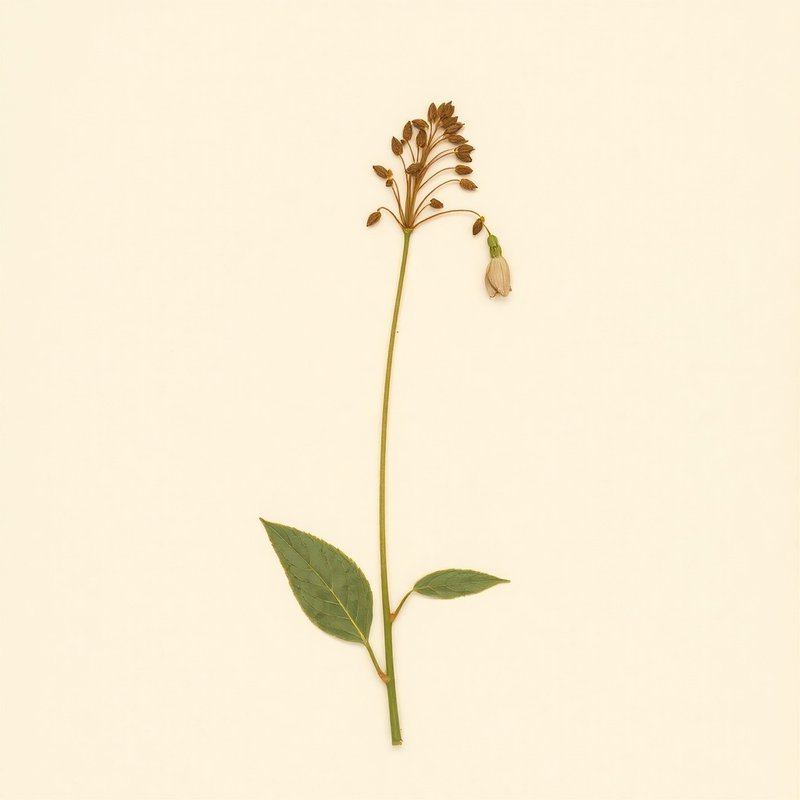
Pl. 1C39 — Acer rubrum
Acer rubrumAcer rubrumAcer rubrumAcer rubrumAcer rubrumAcer rubrumAcer rubrumAcer rubrumAcer rubrumAcer rubrumAcer rubrumAcer rubrumAcer rubrumAcer rubrum
IOverview
Overview
Red Maple (Acer rubrum) is a deciduous tree belonging to the Sapindaceae family and is native to eastern North America. It thrives in moist, light (sandy), medium, or heavy (clay) soils with a pH ranging from 4.7 to 7.3, making it adaptable to various growing conditions. Native to states like Alabama, Arkansas, Delaware, Florida, Georgia, Illinois, Indiana, and Kentucky, Red Maple is also found in parts of Canada such as Ontario and Québec. Known for its ornamental value with vibrant red autumn foliage, this tree is both edible and medicinal. Its inner bark, leaves, sap, and seeds can be used for various purposes. With a height of up to 30 meters and a spread of 15 meters, Red Maple offers a striking presence in landscapes while providing ecological benefits.
Quick answers
What is Red Maple?
Red Maple (Acer rubrum) is a deciduous tree belonging to the Sapindaceae family and is native to eastern North America. It thrives in moist, light (sandy), medium, or heavy (clay) soils with a pH ranging from 4.7 to 7.3, making it adaptable to various growing conditions.
What is Red Maple used for?
Traditionally used for energy & focus. Each claim is evidence-rated — see Section II for full citations.
Best for
Top 1 evidence-ranked use of Red Maple
Clinicaluses · safety · chemistry · dosagemedicinal profile
IIBenefits & evidence
1 claim · 0 sources
Benefits & evidence
1 claim · 0 sources- Traditional-use note: Red Maple appears in herbal sources around clarity and study-routine traditions, often as a tincture. PlantSage presents this as ethnobotanical context, not as medical advice.
Traditional context only. This reviewed claim keeps the original low confidence level, but avoids treatment, disease, dosage, or guaranteed-effect language.
IV·bMixology suggestions
1 draft
Mixology suggestions
1 draftEditorial drafts. These pairings are AI-suggested from traditional herbal lore. Always verify with a qualified herbalist before brewing.
Growingconditions · propagation · uses
VCultivation
Cultivation
Red Maple thrives in moist, well-drained soils that are light (sandy), medium, or heavy (clay) and prefers a pH range of 4.7 to 7.3. It requires full sun to part shade for optimal growth but can tolerate various light conditions. This tree is hardy in zones 4-10, making it adaptable to temperate regions. For propagation, use seeds or inner bark cuttings. Regular watering is essential, especially during dry periods, while ensuring the soil does not become waterlogged. Leaves, sap, and seed are edible parts of the plant.
Light
7/10
Water
Moist
Soil
Light (sandy), Medium, Heavy (clay)
Hardiness
4-10
Habit
Tree
Mature size
30.0 m × 15 m
Soil pH
4.7–7.3
For first-time growers
How to grow Red Maple for the first time
7steps
Start with planting a young Red Maple tree for a beginner-friendly experience.
- 1
What you'll need
A young Red Maple sapling, garden gloves, and a shovel.
- 2
Best time to plant
Plant in spring or fall when the weather is cooler.
- 3
Soil and container prep
Ensure soil drains well; mix compost into the planting area. For containers, use a pot with drainage holes filled with a light, well-draining potting mix.
- 4
Sowing or transplanting
Dig a hole twice as wide but not deeper than the root ball. Place the sapling and fill around it gently, watering to settle soil.
- 5
First two weeks
Keep the soil moist but not soggy. Water regularly, especially during dry spells.
- 6
Ongoing care
Water deeply once a week, more often in hot weather. Fertilize lightly in early spring with a balanced fertilizer.
- 7
Harvest or pruning
Prune dead or damaged branches as needed to maintain the tree's health and shape.
VIEdible & utility
Edible & utility
Edible parts:Inner barkLeavesSapSeed
Edible uses: Sweetener
Other uses:Weaving materialCompanionDyePioneerPreservativeLumber
Contextrange · companions · related
VIIDistribution
27 native · 2 introduced
Distribution
27 native · 2 introducedDistribution across2 continents· 27 native· 2 introduced
Europe2 regions
introduced (2)PolandUnited Kingdom
Asia1 region
native (1)Georgia
Broader regions
native:North Carolina, Delaware, Florida, Illinois, Indiana, Kentucky, Maryland, Minnesota, New Jersey, New Mexico, New York, Newfoundland, North Dakota, Ohio, Ontario, Pennsylvania, Québec, South Carolina, South Dakota, Tennessee, Texas, Vermont, Virginia, Wisconsin, Alabama, Arkansas
XSee also
8 related
See also
8 relatedPlants you might compare or use together — scored by shared family (Sapindaceae), common use cases, and growing requirements.
same family · Sapindaceae
Botanical relatives — often share phytochemistry + growing needs.
shared use cases
Different families, similar therapeutic role — good for comparing.
XI
Explore further
Companion planting
Health goals
Compare with similar plants
Growing zone
XII
About this entry
- Last updated
- Citation
- How to cite this entry · Submit a correction
Back to the cataloguePlant id · 1c39eb45-30e0-443d-85ce-f8366af3f497
Decision aid
Choosing between Red Maple and something else?
Continue reading
❦❦❦❦
Endpaper · archive updates
Get archive updates
Occasional email when substantial new content lands — plant profiles, seasonal growing notes, folk-remedy additions. Free, no tracking, unsubscribe anytime.