
Silver Fir
IOverview
Overview
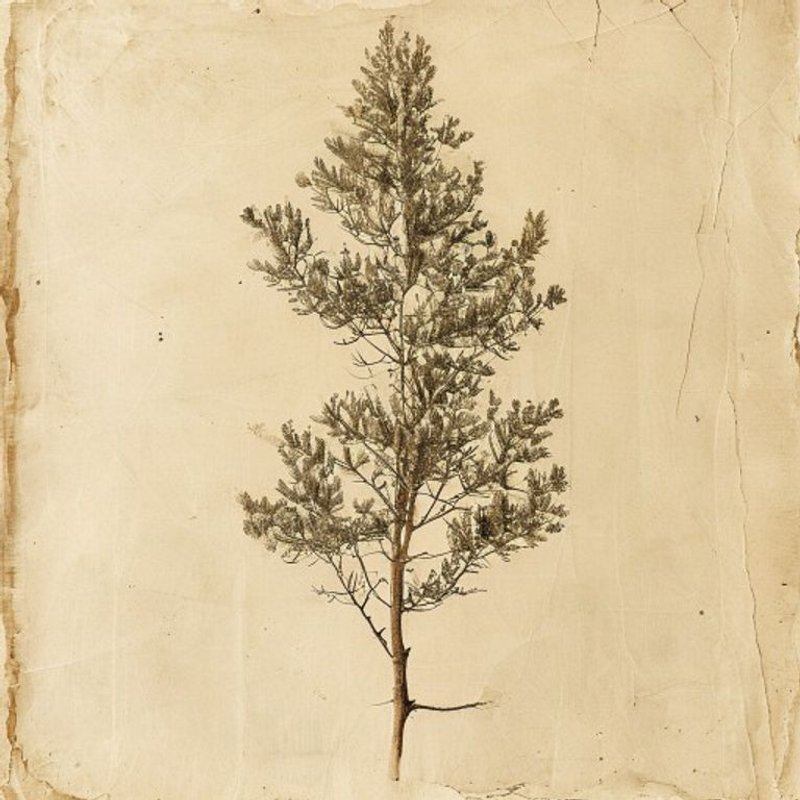
Silver Fir (Abies alba) is a tall tree belonging to the Pinaceae family, native to Central Europe, including Albania, Austria, Belarus, Bulgaria, and other countries in the region. This evergreen species can grow up to 45 meters in height and is commonly found in forests and mountainous areas. Known for its ornamental value, the Silver Fir is often used in gardens and parks due to its attractive silvery-blue needles. The tree thrives in various soil types, from light sandy to heavy clay, and prefers moist conditions, making it adaptable to different environments. It can tolerate a range of light conditions, from full sun to partial shade, and is hardy in zones 5-8, allowing it to withstand cold temperatures. The inner bark of the Silver Fir is edible and has been traditionally consumed during times of scarcity. To access the inner bark, the outer layers of the tree must be peeled away, and the inner part can be dried, eaten raw, or cooked. This tree is also valued for its utility, as it provides essential oils, lacquer, paint, resin, tannin, and lumber, making it a versatile resource. Its fragrance is also used in various applications, adding to its practical value. Silver Fir is native to Central Europe and has been introduced to other regions such as Belgium, Denmark, Finland, and Great Britain. Its adaptability and ornamental appeal make it a popular choice for landscaping and horticulture. While the plant is not medicinal, its inner bark can be safely consumed in small quantities.
What is Silver Fir?
Silver Fir (Abies alba) is a tall tree belonging to the Pinaceae family, native to Central Europe, including Albania, Austria, Belarus, Bulgaria, and other countries in the region. This evergreen species can grow up to 45 meters in height and is commonly found in forests and mountainous areas.
VCultivation
Cultivation
How to grow Silver Fir for the first time
Start with planting a young Silver Fir tree in your garden for a simple and rewarding beginner project.
- 1
What you'll need
A young Silver Fir sapling, well-draining soil, and a container or planting site.
- 2
Best time to plant
Plant in early spring when the ground is moist but not waterlogged.
- 3
Soil and container prep
Ensure the soil is light (sandy), medium, or heavy with good drainage. Containers should have holes for proper drainage.
- 4
Sowing or transplanting
Transplant a young sapling from a nursery pot into your prepared site or container.
- 5
First two weeks
Water regularly to keep the soil moist but not soggy. Monitor for any signs of stress or pests.
- 6
Ongoing care
Provide full sun to partial shade, water when dry, and mulch around the base to retain moisture.
- 7
Harvest or pruning
Prune young branches in late winter to shape the tree. Avoid harvesting inner bark as it is not commonly done for this species.
- 8
Common mistakes
Overwatering, planting in heavy clay soil, and neglecting to provide enough sunlight are common issues beginners should avoid.
VIEdible & utility
Edible & utility
VIIDistribution
18 native · 9 introduced
Distribution
18 native · 9 introducedXSee also
8 related
See also
8 relatedPlants you might compare or use together — scored by shared family (Pinaceae), common use cases, and growing requirements.
Explore further
About this entry
- Last updated
- Citation
- How to cite this entry · Submit a correction
Continue reading
Get archive updates
Occasional email when substantial new content lands — plant profiles, seasonal growing notes, folk-remedy additions. Free, no tracking, unsubscribe anytime.