
Subalpine Fir
Abies lasiocarpafam. Pinaceae
Educational content — not medical, botanical, or professional advice. Plant identification, safety, and edibility depend on local conditions, cultivars, and correct identification. Consult a qualified botanist or forager before consuming or handling wild specimens. How we source & review →
Garden journal pausedUse profile notes below
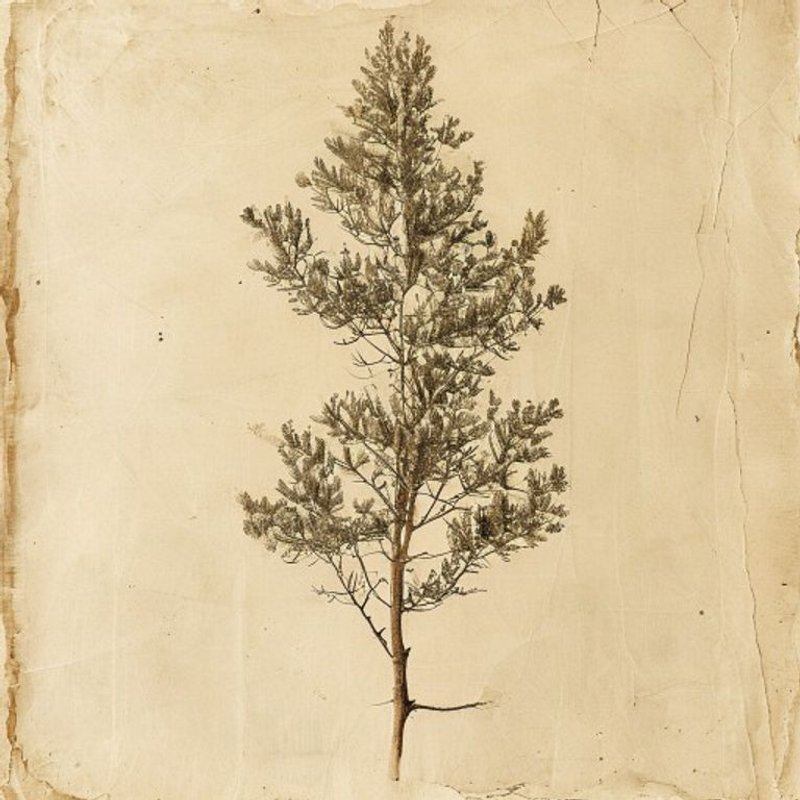
Pl. 1800 — Abies lasiocarpa
Abies lasiocarpaAbies lasiocarpaAbies lasiocarpaAbies lasiocarpaAbies lasiocarpaAbies lasiocarpaAbies lasiocarpaAbies lasiocarpaAbies lasiocarpaAbies lasiocarpaAbies lasiocarpaAbies lasiocarpaAbies lasiocarpaAbies lasiocarpa
IOverview
Overview
Subalpine Fir (Abies lasiocarpa) is a coniferous tree belonging to the Pinaceae family, widely distributed across North America, from Alaska and Alberta in the north to Arizona and California in the south. This evergreen species thrives in various habitats, including moist forests and mountain slopes, making it adaptable to different environmental conditions. Known for its ornamental value and as a source of edible parts, subalpine fir is valued by both nature enthusiasts and those seeking sustainable food sources. One distinctive feature of this tree is its ability to grow in partial sun to full shade, withstanding a range of soil types from light sandy to heavy clay. Its hardiness spans USDA zones 5-6, allowing it to survive in regions with moderate winter temperatures. The inner bark, seeds, seedpods, and shoots are edible parts that can be harvested for consumption, making subalpine fir not only an attractive addition to landscapes but also a useful resource for those interested in foraging. Subalpine Fir thrives in full sun to partial shade and prefers moist soil that is light (sandy), medium, or heavy (clay). It is hardy in zones 5-6, making it suitable for temperate regions. For propagation, seeds can be sown directly in the ground after collection. This evergreen can grow up to 25 meters tall and is native to a wide range of North American locations including Alaska, Alberta, Arizona, British Columbia, California, Colorado, Idaho, Montana, and parts of Wyoming.
Quick answers
What is Subalpine Fir?
Subalpine Fir (Abies lasiocarpa) is a coniferous tree belonging to the Pinaceae family, widely distributed across North America, from Alaska and Alberta in the north to Arizona and California in the south.
Growingconditions · propagation · uses
VCultivation
Cultivation
Subalpine Fir thrives in full sun to partial shade and prefers moist soil that is light (sandy), medium, or heavy (clay). It is hardy in zones 5-6, making it suitable for temperate regions. For propagation, seeds can be sown directly in the ground after collection. This evergreen can grow up to 25 meters tall and is native to a wide range of North American locations including Alaska, Alberta, Arizona, British Columbia, California, Colorado, Idaho, Montana, and parts of Wyoming.
Light
Full sun, Partial sun/shade, Full shade
Water
Moist
Soil
Light (sandy), Medium, Heavy (clay)
Hardiness
5-6
Mature size
25.0 m tall
For first-time growers
How to grow Subalpine Fir for the first time
8steps
Start with planting a Subalpine Fir in the ground or a large container, focusing on basic care and maintenance.
- 1
What you'll need
A young Subalpine Fir sapling, well-draining soil, and a shovel.
- 2
Best time to plant
Plant in early spring or late fall when the ground is not frozen.
- 3
Soil and container prep
Ensure the soil is light (sandy), medium, or heavy with good drainage. For containers, use a mix of peat moss, perlite, and compost.
- 4
Sowing or transplanting
Transplant young saplings directly into the ground or a large container. Water thoroughly after planting.
- 5
First two weeks
Keep the soil moist but not waterlogged. Shield from strong winds and direct sunlight if necessary.
- 6
Ongoing care
Water regularly, especially during dry spells. Fertilize once a year with a balanced fertilizer in early spring.
- 7
Harvest or pruning
Prune dead branches as needed to maintain the tree's shape and health.
- 8
Common mistakes
Overwatering, planting too deep, neglecting winter protection, using improper soil, not providing enough light during early growth.
VIEdible & utility
Edible & utility
Edible parts:Inner barkSeedSeedpodShoots
Edible uses: Gum, Tea
Other uses:Baby careDeodorantGumHairFragranceLumber
Contextrange · companions · related
VIIDistribution
15 native · 4 introduced
Distribution
15 native · 4 introducedDistribution across2 continents· 15 native· 4 introduced
Europe4 regions
introduced (4)DenmarkIcelandNorwaySweden
Americas1 region
native (1)United States
Broader regions
native:Alberta, Arizona, British Columbia, California, Colorado, Idaho, Montana, Nevada, New Mexico, Northwest Territorie, Oregon, Washington, Wyoming, Yukon
XSee also
8 related
See also
8 relatedPlants you might compare or use together — scored by shared family (Pinaceae), common use cases, and growing requirements.
same family · Pinaceae
Botanical relatives — often share phytochemistry + growing needs.
XI
Explore further
Companion planting
Compare with similar plants
Growing zone
XII
About this entry
- Last updated
- Citation
- How to cite this entry · Submit a correction
Back to the cataloguePlant id · 18000f74-8f96-4ad7-b8a7-4a8266cf6c25
Decision aid
Choosing between Subalpine Fir and something else?
Continue reading
❦❦❦❦
Endpaper · archive updates
Get archive updates
Occasional email when substantial new content lands — plant profiles, seasonal growing notes, folk-remedy additions. Free, no tracking, unsubscribe anytime.
Newsletter returning soon.
We are rebuilding the update list around a lightweight editorial workflow. New dispatches will resume after the next content review cycle.