Skip to content
IIIFolio · plant profile№ 9F5Bmedicinal · edible
Data provenancePermapeopleTrefleWikipediaPFAFPOWOeditorially reviewedreviewed 22 Oct 2026methodology → read
Home/Plants/Malvaceae

China Jute

Abutilon theophrastifam. Malvaceae
Educational content — not medical, botanical, or professional advice. Always consult a qualified clinician before using any herbal preparation — especially during pregnancy, breastfeeding, while on medication, or for children. How we source & review →
medicinaledibleannualannualedibleedible leafherbmedicinal
Updated·Quick Q&A →
Garden journal pausedUse profile notes below
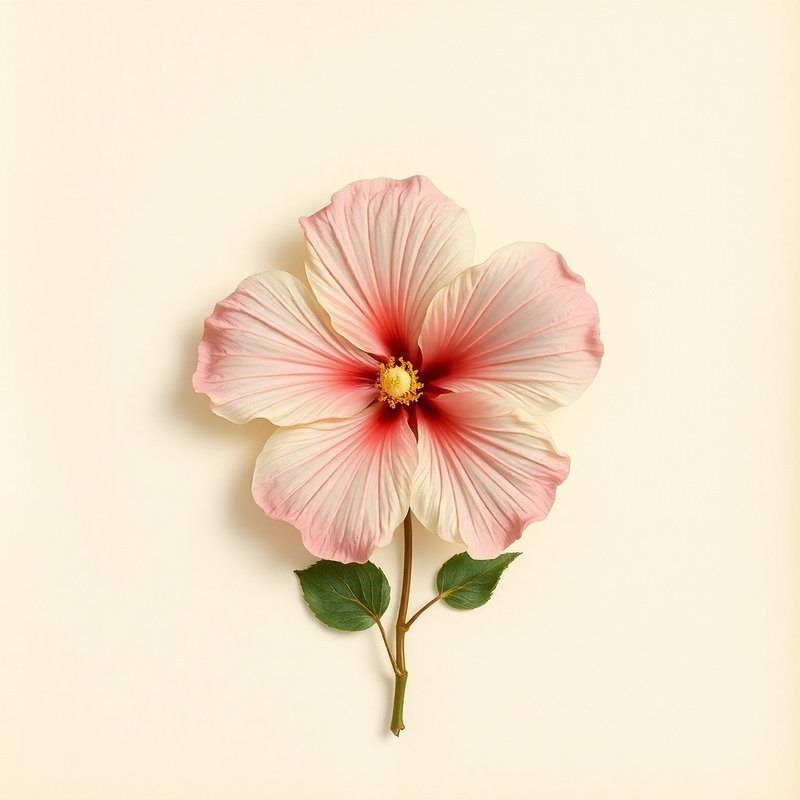
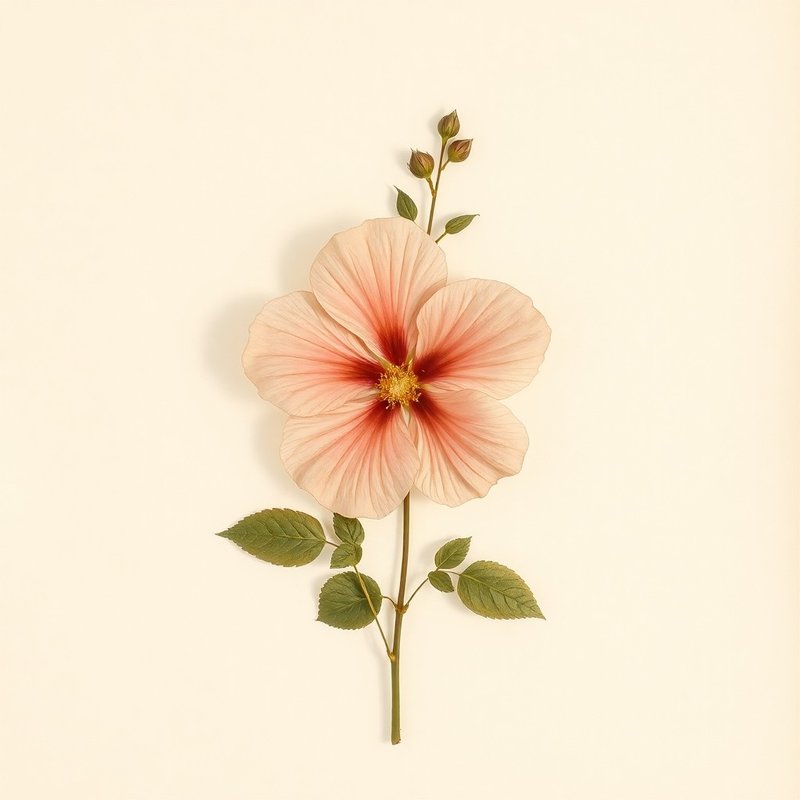
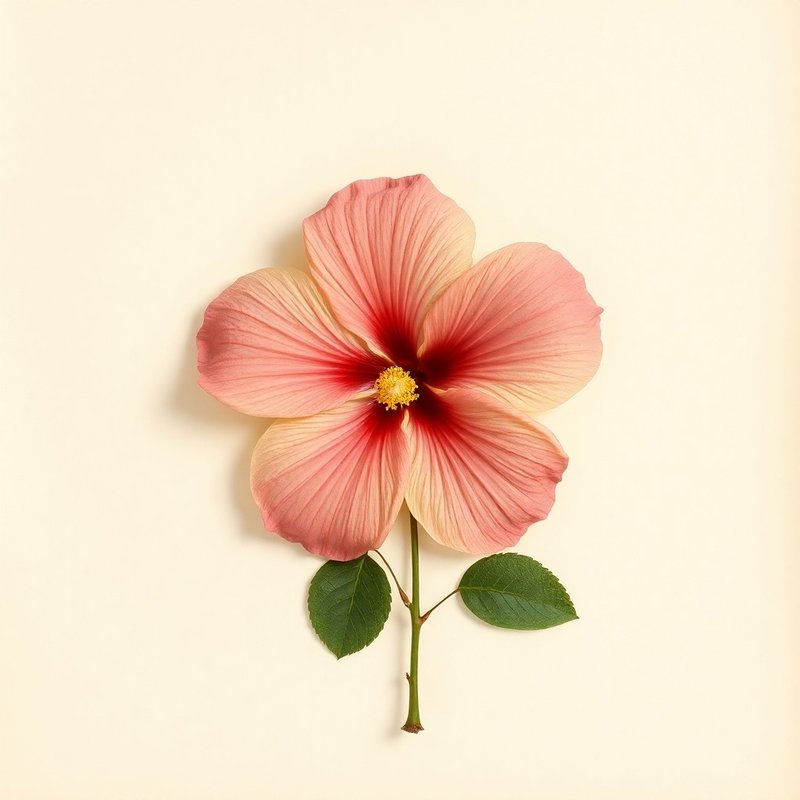
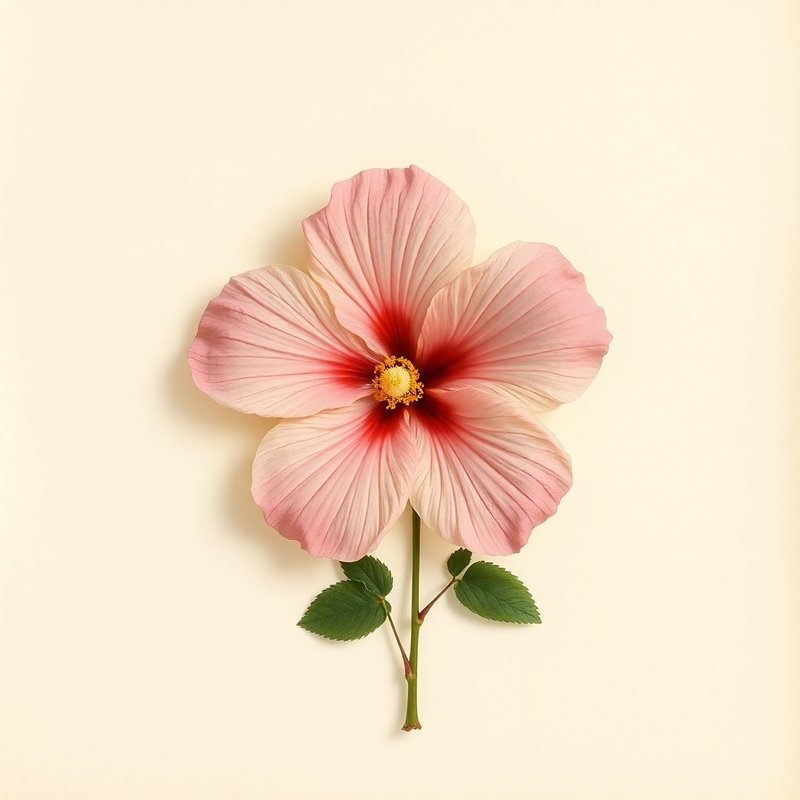
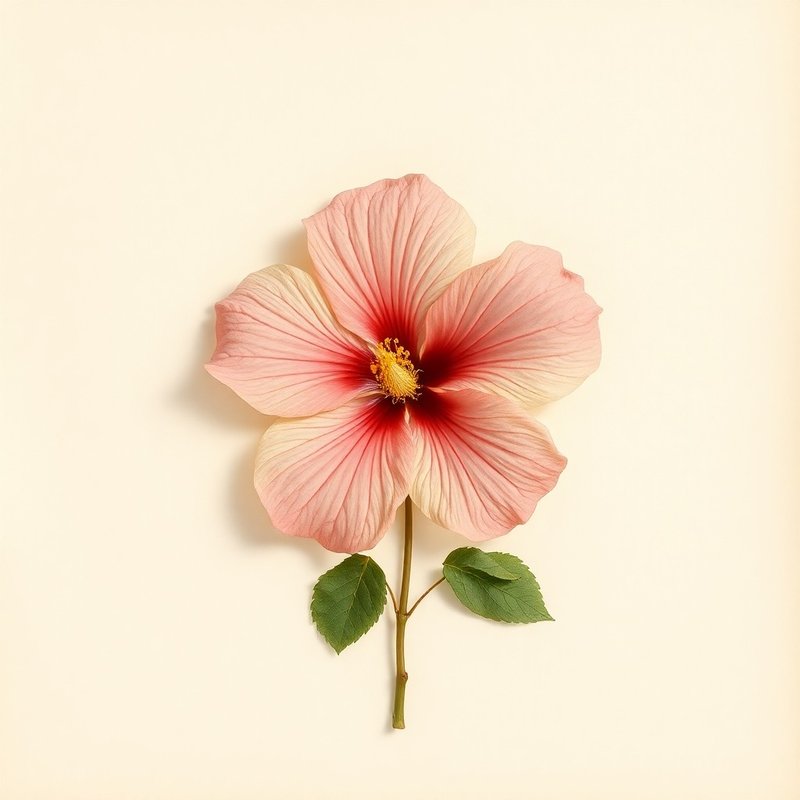
pressed specimen — china jute
Pl. 9F5B — Abutilon theophrasti
Abutilon theophrastiAbutilon theophrastiAbutilon theophrastiAbutilon theophrastiAbutilon theophrastiAbutilon theophrastiAbutilon theophrastiAbutilon theophrastiAbutilon theophrastiAbutilon theophrastiAbutilon theophrastiAbutilon theophrastiAbutilon theophrastiAbutilon theophrasti
I

Overview

China Jute, scientifically known as Abutilon theophrasti and belonging to the Malvaceae family, is an annual forb or herb that can grow up to 1 meter in height. Native to regions including China North-Central, South-Central, Southeast, Inner Mongolia, Kazakhstan, Kirgizstan, Manchuria, Mongolia, as well as parts of Central Asia such as Tadzhikistan, Turkmenistan, and Uzbekistan, this plant thrives in light (sandy), medium, and heavy (clay) soil types with a pH range of 7.5 to 8. Both edible and medicinal uses have been documented for China Jute; its leaves are commonly consumed, and various parts of the plant have been used in traditional medicine due to their properties that align with an energetics profile described as light, dry, or moist. China Jute thrives in light to medium soil and can tolerate heavy clay soils as well. It prefers a pH of 7.5–8, making it slightly alkaline. The plant is drought-tolerant but benefits from moist conditions; ensure the soil remains dry to moist throughout its growing season. Full sun to partial shade is ideal for this annual forb/herb, which can grow up to 1 meter tall. Propagation is best done through seeds sown directly in the garden after all danger of frost has passed. Given its native range across temperate regions, China Jute is hardy in such areas but may require protection in colder climates. Harvest leaves for culinary use during the growing season. Note that while China Jute has potential as a medicinal plant, it should be used with caution and under professional guidance.

Quick answers

What is China Jute?

China Jute, scientifically known as Abutilon theophrasti and belonging to the Malvaceae family, is an annual forb or herb that can grow up to 1 meter in height.

Compare with:Cotton Rose→False Roselle→Monarch Rosemallow Ruby hibiscus→all comparisons →
IV·b

Mixology suggestions

2 drafts
Editorial drafts. These pairings are AI-suggested from traditional herbal lore. Always verify with a qualified herbalist before brewing.
Evening Calm
sleep
tea
Traditional bedtime infusion.
Stress Relief
stress
tincture
Historically used to soothe the mind.
Growingconditions · propagation · uses
V

Cultivation

China Jute thrives in light to medium soil and can tolerate heavy clay soils as well. It prefers a pH of 7.5–8, making it slightly alkaline. The plant is drought-tolerant but benefits from moist conditions; ensure the soil remains dry to moist throughout its growing season. Full sun to partial shade is ideal for this annual forb/herb, which can grow up to 1 meter tall. Propagation is best done through seeds sown directly in the garden after all danger of frost has passed. Given its native range across temperate regions, China Jute is hardy in such areas but may require protection in colder climates. Harvest leaves for culinary use during the growing season.
Light
8/10
Water
Dry, Moist
Soil
Light (sandy), Medium, Heavy (clay)
Life cycle
Annual
Habit
Forb/herb
Mature size
1.0 m tall
Soil pH
7.5–8
For first-time growers

How to grow China Jute for the first time

8steps

Start with China Jute as a simple annual herb, focusing on basic care and harvesting.

  1. 1

    What you'll need

    Seeds or seedlings, potting soil, containers or garden space.

  2. 2

    Best time to plant

    Plant in spring after the last frost, when temperatures are mild.

  3. 3

    Soil and container prep

    Use well-draining soil with a pH of 7.5–8. Ensure containers have drainage holes.

  4. 4

    Sowing or transplanting

    Direct sow seeds in the garden or start seedlings indoors, then transplant outdoors after germination.

  5. 5

    First two weeks

    Water regularly to keep soil moist but not waterlogged. Monitor for pests and diseases.

  6. 6

    Ongoing care

    Provide consistent watering, especially during dry spells. Fertilize lightly every few weeks with a balanced organic fertilizer.

  7. 7

    Harvest or pruning

    Prune to maintain shape and remove dead leaves. Harvest young leaves for culinary use as needed.

  8. 8

    Common mistakes

    Overwatering, using incorrect soil pH, neglecting regular pruning, not providing enough sunlight, and failing to fertilize properly.

VI

Edible & utility

Edible parts:leaves
Edible uses: Oil
Other uses:Fiberoiltextiles
Contextrange · companions · related
VII

Distribution

13 native · 117 introduced
Distribution across4 continents· 13 native· 117 introduced
Europe16 regions
introduced (16)AlbaniaAustriaBulgariaFinlandFranceGermanyGreeceHungaryItalyNetherlandsPolandPortugalRomaniaRussiaSpainUkraine
Asia19 regions
native (6)ChinaKazakhstanMongoliaTaiwanTurkmenistanUzbekistan
introduced (13)AfghanistanBangladeshGeorgiaIndiaIranIraqJapanPakistanPalestineSouth KoreaThailandTurkeyVietnam
Americas2 regions
introduced (2)BahamasCuba
Africa5 regions
introduced (5)EgyptLibyaMalawiMoroccoTunisia
Broader regions
native:Kirgizstan, Tadzhikistan
introduced:Alabama, Altay, Amur, Arizona, Arkansas, Bermuda, California, Colorado, Connecticut, Czechoslovakia, Delaware, East Aegean Is., Florida, Idaho, Illinois, Indiana, Iowa, Irkutsk, Kansas, Kentucky, Kriti, KwaZulu-Natal, Louisiana, Maine, Maryland, Masachusettes, Massachusetts, Mexico Northwest, Michigan, Minnesota, Mississippi, Missouri, Montana, Nebraska, Nevada, New Hampshire, New Jersey, New Mexico, New South Wales, New York, New Zealand North, New Zealand South, North Carolina, North Dakota, Northern Provinces, Ohio, Oklahoma, Ontario, Oregon, Panamá, Pennsylvania, Primorye, Queensland, Rhode I., Sinai, South Australia, South Carolina, South Dakota, Tennessee, Texas, Transcaucasus, Turkey-in-Europe, Utah, Vermont, Victoria, Virginia, Washington, West Himalaya, West Virginia, Western Australia, Wisconsin, Wyoming, Yugoslavia
X

See also

8 related
XI

Explore further

XII

About this entry

Last updated
Citation
How to cite this entry · Submit a correction
Back to the cataloguePlant id · 9f5bb5c5-7e0a-47b2-848c-9f3aef16a3e7
Decision aid
Choosing between China Jute and something else?
Compare with another plant

Continue reading

❦❦❦❦
Endpaper · archive updates

Get archive updates

Occasional email when substantial new content lands — plant profiles, seasonal growing notes, folk-remedy additions. Free, no tracking, unsubscribe anytime.

Newsletter returning soon.
We are rebuilding the update list around a lightweight editorial workflow. New dispatches will resume after the next content review cycle.
iCare notes