
Sea Island Cotton

IOverview
Overview
Sea Island Cotton (Gossypium barbadense), a tree or shrub belonging to the Malvaceae family, is native to Colombia, Ecuador, and Peru. This plant thrives in environments with a hardiness range of 10-12 and prefers full sun and moist, well-draining soil. Growing up to 3 meters in height, Sea Island Cotton is both ornamental and useful, with edible leaves and seeds. Its versatility extends to medicinal uses, though caution is advised when considering its application. Native to tropical regions of South America, Sea Island Cotton has been introduced to various parts of the world, including the Andaman Islands, Angola, Ascension, and many others. Its cultivation requires consistent moisture, especially during dry periods, and prefers light (sandy) to medium soil types. Propagation is typically done via seeds, making it a valuable crop for both its fiber and edible parts. Sea Island Cotton is known for its fast growth and is often used for its fiber, oil, weaving material, and textiles. It can also be coppiced, making it a versatile plant in agricultural and industrial contexts. The plant's leaves and seeds are edible, providing a source of nutrition. Its medicinal properties are recognized, but caution should be exercised when using it for any health-related purposes.
What is Sea Island Cotton?
Sea Island Cotton (Gossypium barbadense), a tree or shrub belonging to the Malvaceae family, is native to Colombia, Ecuador, and Peru. This plant thrives in environments with a hardiness range of 10-12 and prefers full sun and moist, well-draining soil.
IV·bMixology suggestions
2 drafts
Mixology suggestions
2 draftsVCultivation
Cultivation
How to grow Sea Island Cotton for the first time
Start with Sea Island Cotton as a simple, light-loving tree for your garden.
- 1
What you'll need
Seeds or seedlings, potting mix, containers if starting indoors.
- 2
Best time to plant
Plant in spring after the last frost when temperatures are consistently above 20°C.
- 3
Soil and container prep
Use a well-draining soil with plenty of sand for good aeration. Ensure containers are at least 30 cm deep.
- 4
Sowing or transplanting
Start seeds indoors about 6 weeks before the last frost, then transplant to outdoor containers once they have several leaves and warm weather.
- 5
First two weeks
Keep soil moist but not waterlogged. Place in a sunny spot with at least 6 hours of direct sunlight daily.
- 6
Ongoing care
Water regularly, especially during dry spells, ensuring the soil stays consistently moist but not soggy. Fertilize lightly every few months.
- 7
Harvest or pruning
Prune to maintain shape and remove dead branches as needed. Harvest leaves for culinary use when young and tender.
- 8
Common mistakes
Overwatering, planting in heavy soil, not providing enough sunlight, neglecting regular pruning.
VIEdible & utility
Edible & utility
VIIDistribution
3 native · 85 introduced
Distribution
3 native · 85 introducedIXSpecimen gallery
1 image
Specimen gallery
1 imageXSee also
8 related
See also
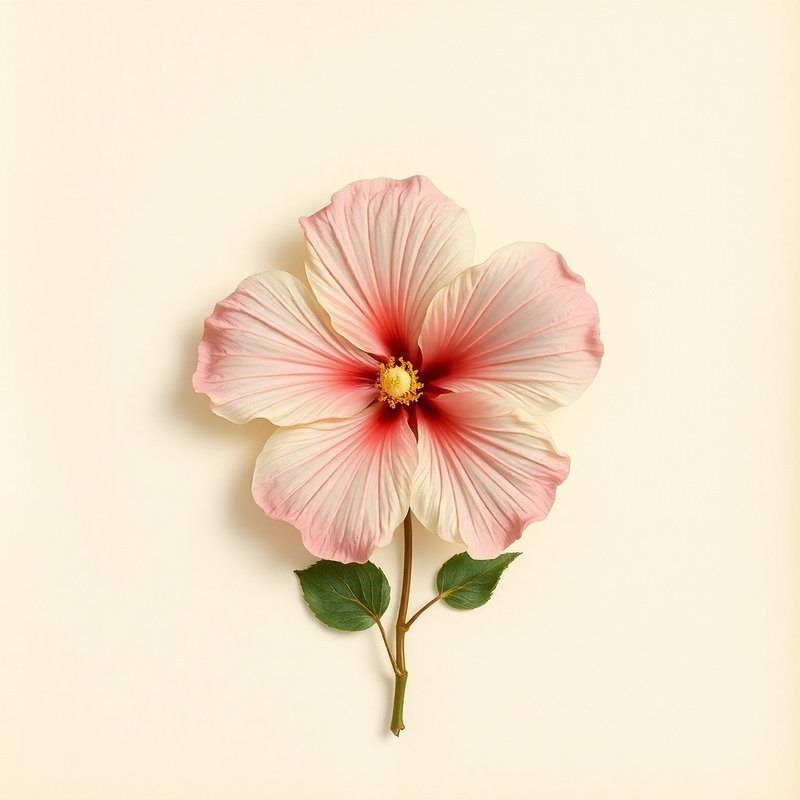
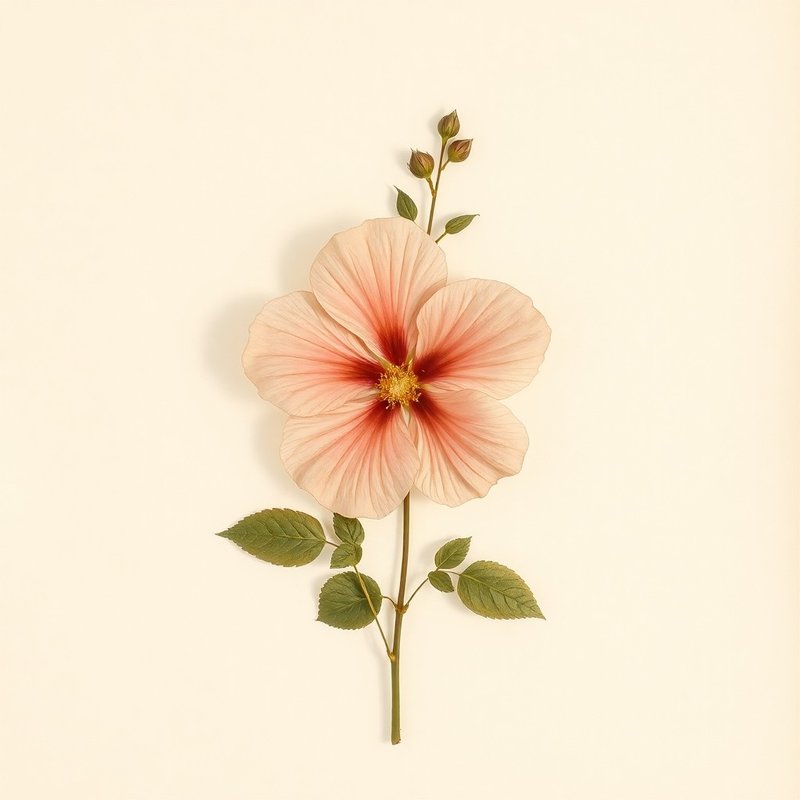
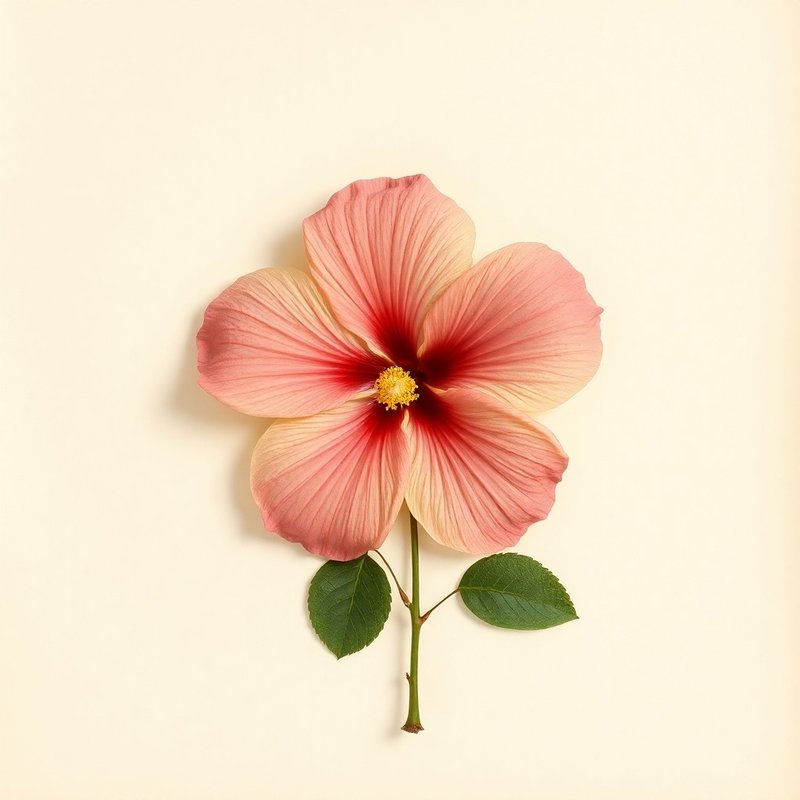
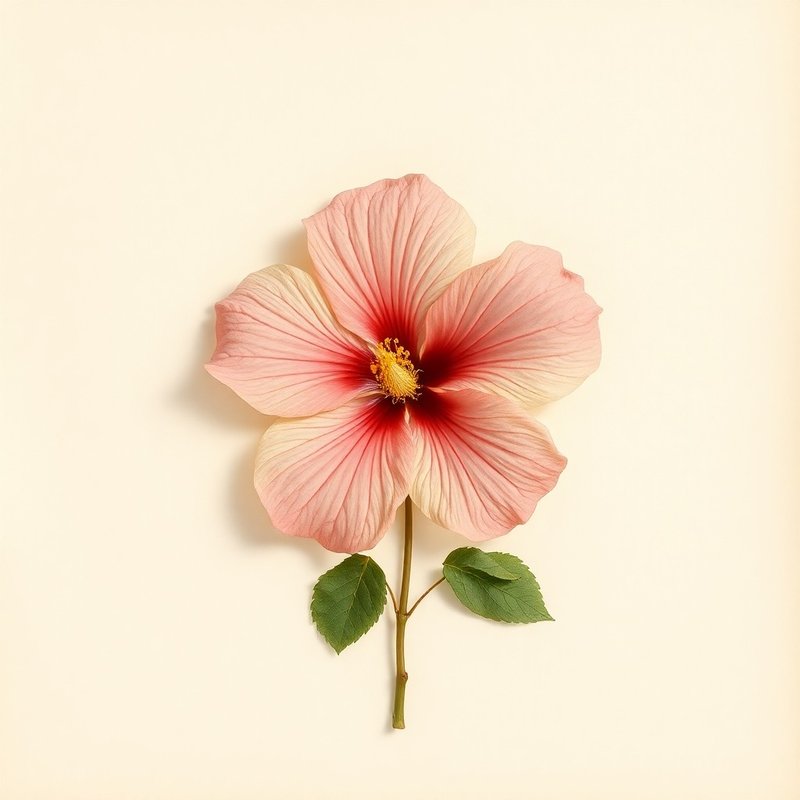
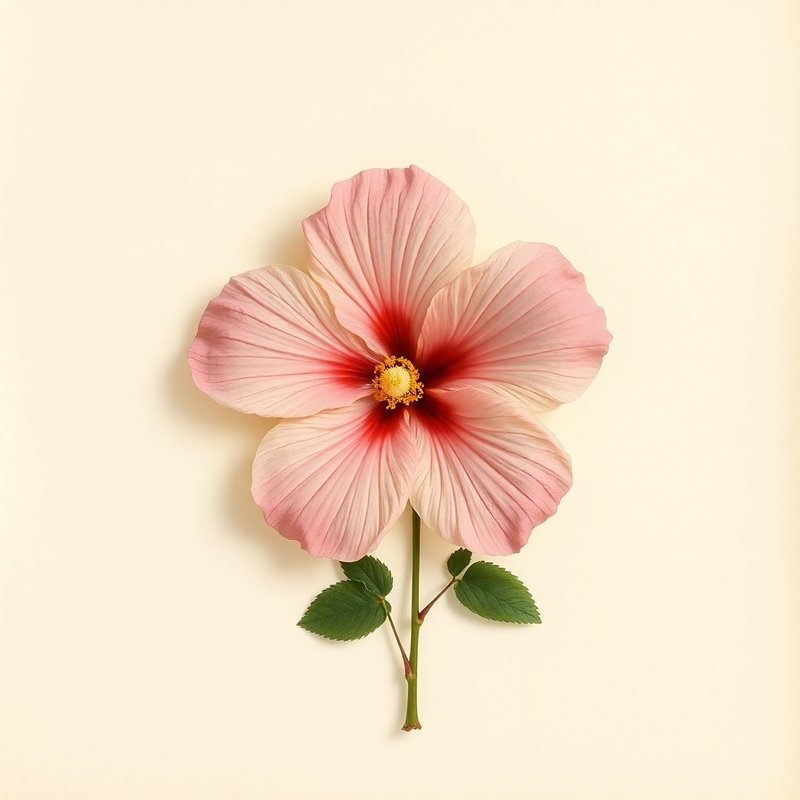
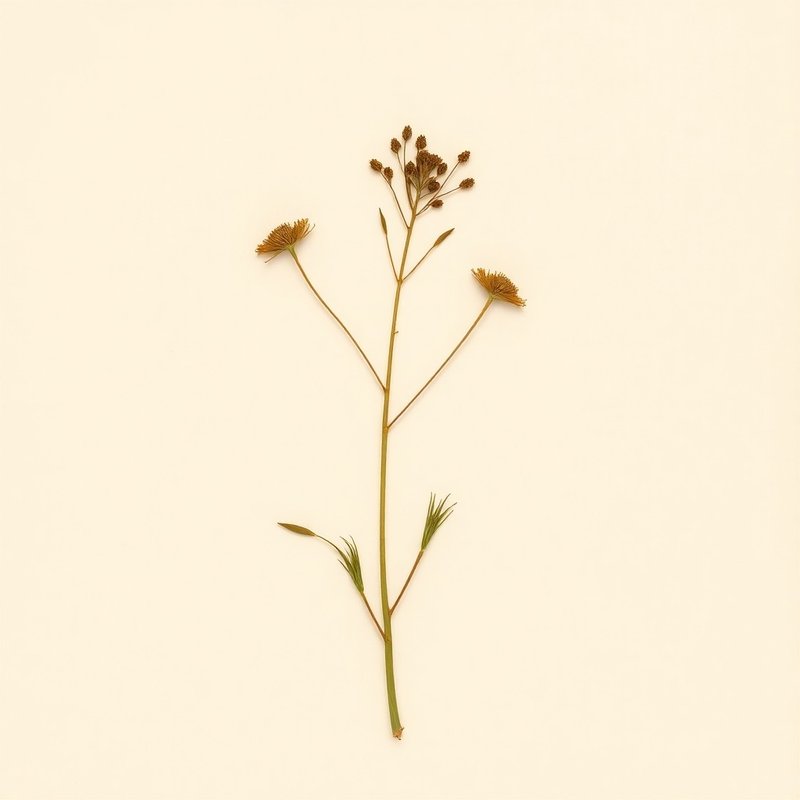
8 relatedPlants you might compare or use together — scored by shared family (Malvaceae), common use cases, and growing requirements.

Explore further
About this entry
- Last updated
- Citation
- How to cite this entry · Submit a correction
Continue reading
Get archive updates
Occasional email when substantial new content lands — plant profiles, seasonal growing notes, folk-remedy additions. Free, no tracking, unsubscribe anytime.