
Trailing Abutilon
Abutilon x millerifam. Malvaceae
Educational content — not medical, botanical, or professional advice. Plant identification, safety, and edibility depend on local conditions, cultivars, and correct identification. Consult a qualified botanist or forager before consuming or handling wild specimens. How we source & review →
Garden journal pausedUse profile notes below
Pl. 5C3E — Abutilon x milleri
Abutilon x milleriAbutilon x milleriAbutilon x milleriAbutilon x milleriAbutilon x milleriAbutilon x milleriAbutilon x milleriAbutilon x milleriAbutilon x milleriAbutilon x milleriAbutilon x milleriAbutilon x milleriAbutilon x milleriAbutilon x milleri
IOverview
Overview
Trailing Abutilon, scientifically known as *Abutilon x milleri* and belonging to the Malvaceae family, is a versatile ornamental plant valued for its light-loving nature and adaptability to various soil types. Native or naturalized in regions with hardiness zones 7-10, this trailing shrub can thrive in full sun to partial shade, making it suitable for gardens where space is limited. Known for its edible flowers, which are often used in culinary applications, Trailing Abutilon also serves as an attractive ground cover or container plant due to its ability to grow up to 3 meters in height. One distinctive feature of this plant is its trailing habit, which allows it to cascade beautifully over walls and edges, adding a vibrant splash of color to any garden setting. The flowers can be consumed raw or used in various preparations, making them a delightful addition to salads or dried as decorative elements or brewed into a light tea. While not medicinal, Trailing Abutilon is a valuable plant for those interested in edible landscaping and ornamental gardening.
Quick answers
What is Trailing Abutilon?
Trailing Abutilon, scientifically known as *Abutilon x milleri* and belonging to the Malvaceae family, is a versatile ornamental plant valued for its light-loving nature and adaptability to various soil types.
Growingconditions · propagation · uses
VCultivation
Cultivation
Trailing Abutilon thrives in full to partial sun, though it can tolerate partial shade. It prefers moist, well-draining soil that can be light (sandy), medium, or heavy (clay). The plant grows to a height of 3 meters and is hardy in zones 7-10. For propagation, use seeds or cuttings. Harvest the edible flowers for culinary use.
Light
Full sun, Partial sun/shade
Water
Moist
Soil
Light (sandy), Medium, Heavy (clay)
Hardiness
7-10
Mature size
3.0 m tall
For first-time growers
How to grow Trailing Abutilon for the first time
8steps
Start with a simple, low-maintenance approach to growing Trailing Abutilon.
- 1
What you'll need
A small pot or garden bed, quality soil, and seeds or young plants.
- 2
Best time to plant
Plant in spring when the last frost has passed.
- 3
Soil and container prep
Use well-draining soil with a mix of light (sandy), medium, and heavy (clay) types. Ensure containers have drainage holes.
- 4
Sowing or transplanting
Direct sow seeds in the garden after danger of frost is past, or start indoors 4-6 weeks before planting outdoors.
- 5
First two weeks
Water regularly to keep soil moist. Place in a sunny spot but protect from intense heat if necessary.
- 6
Ongoing care
Provide full sun to partial shade, water when the top inch of soil feels dry, and mulch to retain moisture.
- 7
Harvest or pruning
Prune regularly to maintain shape and encourage new growth. Remove dead flowers to promote more blooms.
- 8
Common mistakes
Overwatering, planting in full sun without protection, neglecting regular pruning, using unsuitable soil types, and not providing enough support for trailing stems.
VIEdible & utility
Edible & utility
Edible parts:Flowers
Edible uses: Trailing Abutilon's flowers are edible and can be consumed raw or used in various preparations. They are often added to salads for a mild, sweet flavor. The blooms can also be dried and used as a decorative element or brewed into a light tea.
Contextrange · companions · related
VIIDistribution
42 native · 27 introduced
Distribution
42 native · 27 introducedDistribution across5 continents· 42 native· 27 introduced
Europe1 region
introduced (1)Portugal
Asia18 regions
native (17)AfghanistanBangladeshCambodiaChinaIndiaLaosMaldivesMyanmarNepalOmanPakistanPalestinePhilippinesSri LankaTaiwanThailandVietnam
introduced (1)Iraq
Americas7 regions
introduced (7)ColombiaCubaHaitiJamaicaPeruPuerto RicoUnited States
Africa4 regions
native (1)Mauritius
introduced (3)ComorosRwandaSeychelles
Oceania2 regions
native (1)Nauru
introduced (1)Fiji
Broader regions
native:Andaman Is., Caroline Is., East Himalaya, Gilbert Is., Hainan, Howland-Baker Is., Kazan-retto, Laccadive Is., Lesser Sunda Is., Malaya, Marianas, Nansei-shoto, Nicobar Is., Northern Territory, Ogasawara-shoto, Queensland, Réunion, Rodrigues, South China Sea, Sulawesi, Western Australia
introduced:Brazil North, Chagos Archipelago, Leeward Is., Line Is., Niue, Norfolk Is., Society Is., Tokelau-Manihiki, Trinidad-Tobago, Tuamotu, Tubuai Is., Turks-Caicos Is., Wake I., Windward Is.
XSee also
8 related
See also
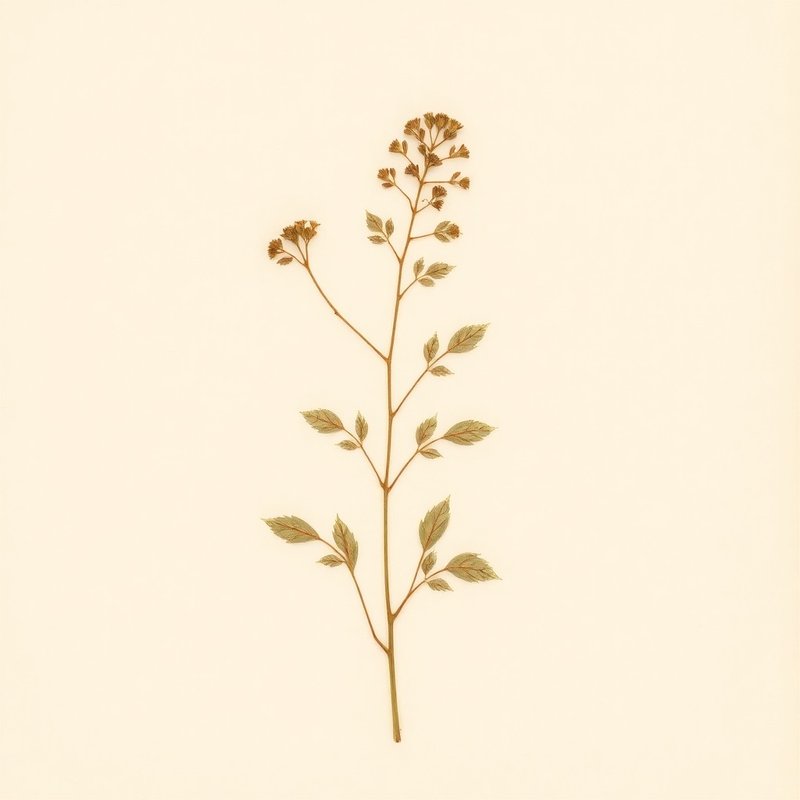
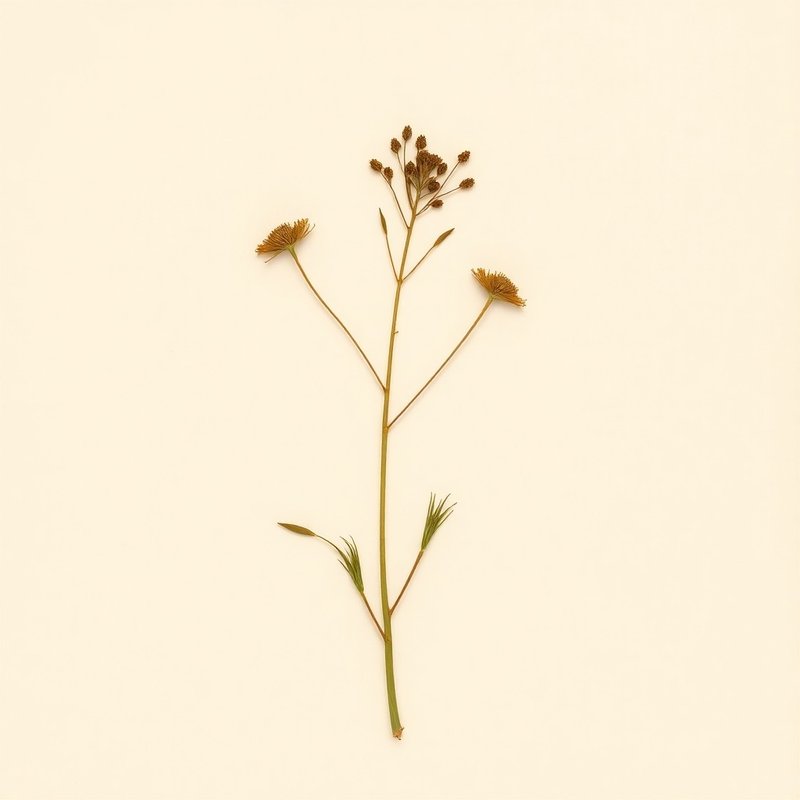
8 relatedPlants you might compare or use together — scored by shared family (Malvaceae), common use cases, and growing requirements.
same family · Malvaceae
Botanical relatives — often share phytochemistry + growing needs.
XI
Explore further
Companion planting
Compare with similar plants
Growing zone
Native to
XII
About this entry
- Last updated
- Citation
- How to cite this entry · Submit a correction
Back to the cataloguePlant id · 5c3e0560-f894-4b13-b0a7-c0f863f84715
Decision aid
Choosing between Trailing Abutilon and something else?
Continue reading
❦❦❦❦
Endpaper · archive updates
Get archive updates
Occasional email when substantial new content lands — plant profiles, seasonal growing notes, folk-remedy additions. Free, no tracking, unsubscribe anytime.
Newsletter returning soon.
We are rebuilding the update list around a lightweight editorial workflow. New dispatches will resume after the next content review cycle.