Skip to content
IIIFolio · plant profile№ CF56edible
Data provenancePermapeopleTreflePFAFPOWOreviewed 12 Oct 2026methodology → read
Home/Plants/Malvaceae

Malva mohileviensis

Malva mohileviensisfam. Malvaceae
Educational content — not medical, botanical, or professional advice. Plant identification, safety, and edibility depend on local conditions, cultivars, and correct identification. Consult a qualified botanist or forager before consuming or handling wild specimens. How we source & review →
edibleannualannualedibleedible leaflightnative asia
Updated·Quick Q&A →
Garden journal pausedUse profile notes below
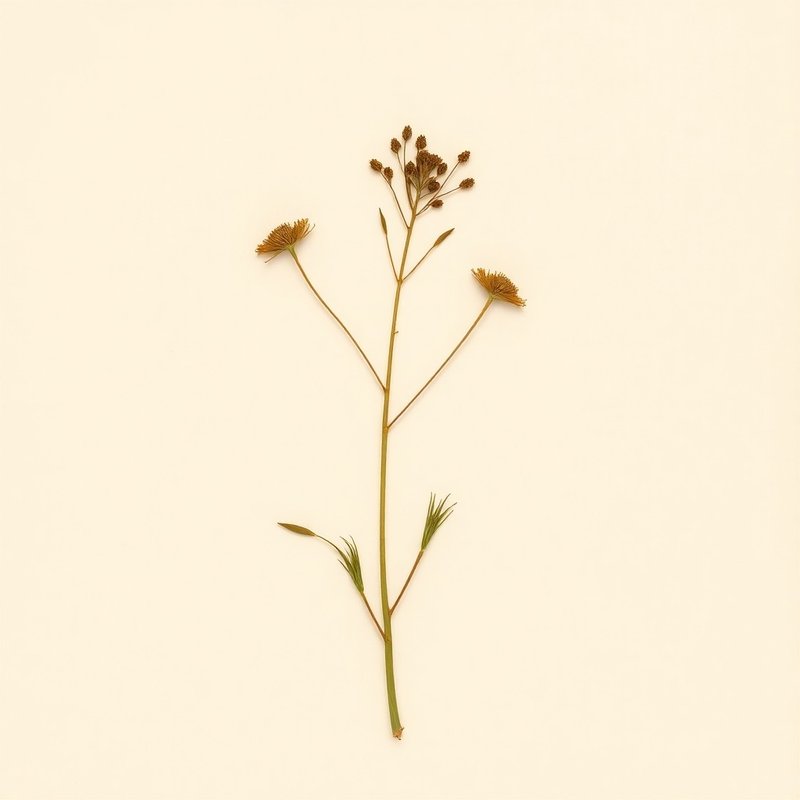
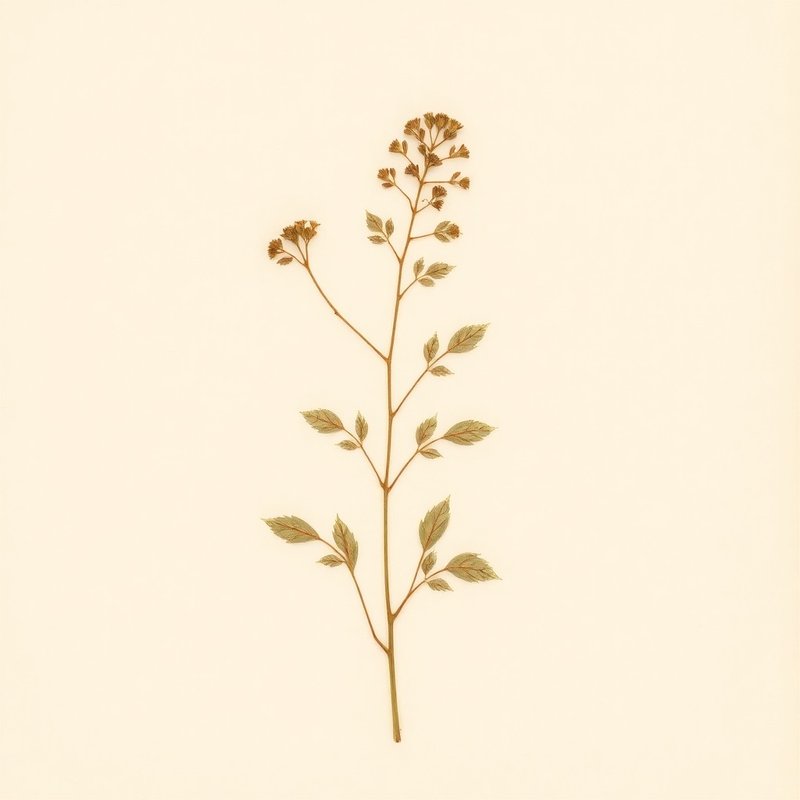
Malva mohileviensis (Malva mohileviensis) — botanical photograph
Pl. CF56 — Malva mohileviensis
Malva mohileviensisMalva mohileviensisMalva mohileviensisMalva mohileviensisMalva mohileviensisMalva mohileviensisMalva mohileviensisMalva mohileviensisMalva mohileviensisMalva mohileviensisMalva mohileviensisMalva mohileviensisMalva mohileviensisMalva mohileviensis
I

Overview

Malva mohileviensis, belonging to the Malvaceae family, is an annual plant known for its adaptability and widespread distribution across regions such as Afghanistan, Altay, China, parts of Asia, and Africa. This hardy plant thrives in moist conditions with light to partial sun exposure and can grow up to 1.2 meters tall. Native to areas including Afghanistan, China's North-Central region, Mongolia, Pakistan, and various parts of Russia, Malva mohileviensis is also found in introduced regions like Europe, North America, and South Africa. The leaves and seeds are edible, making this plant a valuable resource for those seeking wild edibles. This annual can grow in diverse soil types, from light sandy soils to heavy clay, showcasing its resilience in various environments. It thrives in full sun to partial shade and prefers moist conditions, making it suitable for gardens with well-drained but consistently moist soil. Malva mohileviensis is often cultivated for its utility as a dye plant, fiber source, and oil producer. Its ability to grow in diverse regions and adapt to various soil types makes it a versatile addition to both culinary and ornamental gardens.

Quick answers

What is Malva mohileviensis?

Malva mohileviensis, belonging to the Malvaceae family, is an annual plant known for its adaptability and widespread distribution across regions such as Afghanistan, Altay, China, parts of Asia, and Africa. This hardy plant thrives in moist conditions with light to partial sun exposure and can grow up to 1.

Compare with:Abutilon ochsenii→Abutilon vitifolium→Abutilon x suntense→all comparisons →
Growingconditions · propagation · uses
V

Cultivation

Malva mohileviensis thrives in full sun to partial shade and prefers moist soil that is light (sandy), medium, or heavy (clay). This annual plant can grow up to 1.2 meters tall and is native to a wide range of regions including parts of Asia, Africa, and the Middle East. It is hardy in temperate regions but may require protection from extreme cold or heat depending on local conditions. For propagation, seeds can be sown directly into the garden bed after the last frost. The leaves and seeds are edible, making this plant a useful addition to both culinary and ornamental gardens.
Light
Full sun, Partial sun/shade
Water
Moist
Soil
Light (sandy), Medium, Heavy (clay)
Life cycle
Annual
Mature size
1.2 m tall
For first-time growers

How to grow Malva mohileviensis for the first time

8steps

Start with Malva mohileviensis as a simple annual plant, focusing on basic care and harvesting.

  1. 1

    What you'll need

    Seeds or seedlings, a small trowel, a watering can.

  2. 2

    Best time to plant

    Plant in spring after the last frost, when soil is warm.

  3. 3

    Soil and container prep

    Choose a spot with full sun to partial shade. Ensure well-draining soil that's light, medium, or heavy.

  4. 4

    Sowing or transplanting

    Direct sow seeds 1 cm deep and 30-45 cm apart. Transplant seedlings when they have two sets of true leaves.

  5. 5

    First two weeks

    Water regularly to keep the soil moist but not waterlogged. Monitor for pests like aphids.

  6. 6

    Ongoing care

    Continue regular watering, especially during dry spells. Mulch around plants to retain moisture and suppress weeds.

  7. 7

    Harvest or pruning

    Prune back any leggy growth to encourage bushier foliage. Harvest leaves as needed for cooking.

  8. 8

    Common mistakes

    Overwatering, planting in heavy clay soil without drainage, neglecting regular pruning.

VI

Edible & utility

Edible parts:LeavesSeed
Edible uses: Oil
Other uses:DyeFiberoil
Contextrange · companions · related
VII

Distribution

35 native · 76 introduced
Distribution across4 continents· 35 native· 76 introduced
Europe14 regions
native (1)Russia
introduced (13)AustriaBelarusBulgariaFranceGermanyGreeceItalyNetherlandsPolandRomaniaRussiaUkraineUnited Kingdom
Asia13 regions
native (11)AfghanistanChinaIndiaKazakhstanMongoliaMyanmarNepalPakistanSaudi ArabiaSouth KoreaYemen
introduced (2)JapanVietnam
Americas1 region
introduced (1)Peru
Africa13 regions
native (4)EritreaEthiopiaSomaliaSudan
introduced (9)AngolaKenyaLesothoLibyaNamibiaRwandaTanzaniaUgandaZimbabwe
Broader regions
native:Altay, Amur, Buryatiya, Chita, East Himalaya, Irkutsk, Kirgizstan, Krasnoyarsk, Lebanon-Syria, Primorye, West Himalaya, Yakutskiya
introduced:Alberta, Arizona, Baltic States, British Columbia, California, Cape Provinces, Colorado, Connecticut, Czechoslovakia, Delaware, District of Columbia, Free State, Illinois, Iowa, Khabarovsk, Maine, Manitoba, Maryland, Masachusettes, Massachusetts, Mexico Southwest, Michigan, Minnesota, Missouri, Nebraska, New Brunswick, New Hampshire, New Jersey, New Mexico, New York, North Dakota, Northern Provinces, Nova Scotia, Ohio, Ontario, Pennsylvania, Prince Edward I., Québec, Rhode I., Saskatchewan, Utah, Vermont, Washington, West Virginia, Wisconsin, Wyoming, Yugoslavia, Zaïre
IX

Specimen gallery

1 image
Malva mohileviensis (Malva mohileviensis) — botanical photograph
Malva mohileviensis (Malva mohileviensis)
X

See also

8 related
XI

Explore further

XII

About this entry

Last updated
Citation
How to cite this entry · Submit a correction
Back to the cataloguePlant id · cf569bc7-c6b5-49d6-8d64-eb6d4d51d608
❦❦❦❦
Endpaper · archive updates

Get archive updates

Occasional email when substantial new content lands — plant profiles, seasonal growing notes, folk-remedy additions. Free, no tracking, unsubscribe anytime.

Newsletter returning soon.
We are rebuilding the update list around a lightweight editorial workflow. New dispatches will resume after the next content review cycle.
iCare notes