
Abelmoschus esculentus
Abelmoschus esculentusfam. Malvaceae
Educational content — not medical, botanical, or professional advice. Plant identification, safety, and edibility depend on local conditions, cultivars, and correct identification. Consult a qualified botanist or forager before consuming or handling wild specimens. How we source & review →
Garden journal pausedUse profile notes below
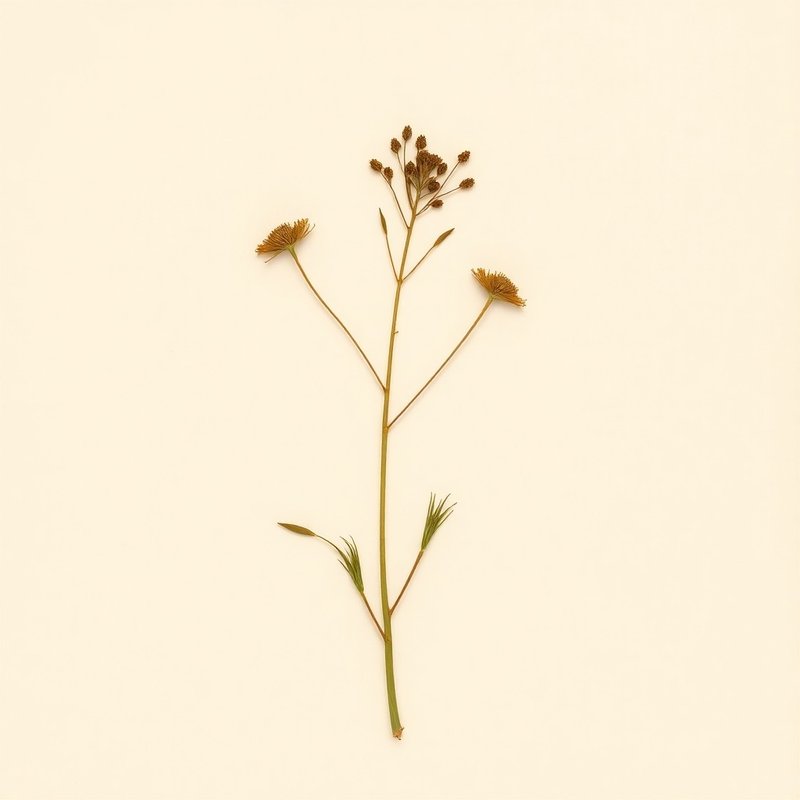
Pl. 7503 — Abelmoschus esculentus
Abelmoschus esculentusAbelmoschus esculentusAbelmoschus esculentusAbelmoschus esculentusAbelmoschus esculentusAbelmoschus esculentusAbelmoschus esculentusAbelmoschus esculentusAbelmoschus esculentusAbelmoschus esculentusAbelmoschus esculentusAbelmoschus esculentusAbelmoschus esculentusAbelmoschus esculentus
IOverview
Overview
Abelmoschus esculentus, commonly known as okra or lady's finger, is a member of the Malvaceae family and thrives in regions including Bangladesh, India, and Myanmar. This plant grows up to 1 meter tall with a spread of about 1.7 meters, making it an attractive addition to gardens or agricultural fields. Okra prefers full sun and moist soil that can be light (sandy), medium, or heavy (clay). It is hardy in zones 5-11, adapting well to temperate to subtropical climates. Okra is highly valued for its culinary uses, with the edible seeds being a key component in various dishes across South Asia and beyond. The distinctive heart-shaped leaves and elongated pods are notable features that make this plant easily recognizable. Additionally, okra has ornamental appeal, making it a desirable choice for landscaping or garden design. While primarily known for its edible seeds, okra also offers utility in other areas such as fiber production, oil extraction, textiles, and the use of pectin in food preservation. However, it should be noted that okra can have weed potential, so careful management is recommended when cultivating this plant.
Quick answers
What is Abelmoschus esculentus?
Abelmoschus esculentus, commonly known as okra or lady's finger, is a member of the Malvaceae family and thrives in regions including Bangladesh, India, and Myanmar. This plant grows up to 1 meter tall with a spread of about 1.7 meters, making it an attractive addition to gardens or agricultural fields.
Growingconditions · propagation · uses
VCultivation
Cultivation
Abelmoschus esculentus thrives in full sun and requires moist soil that can be light (sandy), medium, or heavy (clay). It is hardy in zones 5-11, making it suitable for a wide range of climates. This plant grows to about 1 meter in height and 1.7 meters in width, producing edible seeds. For successful cultivation, ensure the soil remains consistently moist while providing ample sunlight. Propagation can be done through seed sowing directly into the garden bed or starting indoors before transplanting outdoors.
Light
Full sun
Water
Moist
Soil
Light (sandy), Medium, Heavy (clay)
Hardiness
5-11
Life cycle
Annual, Perennial
Mature size
1.0 m × 1.7 m
For first-time growers
How to grow Abelmoschus esculentus for the first time
8steps
Start with a simple, full-sun garden spot for your Skip plant.
- 1
What you'll need
Seeds or seedlings, a trowel, and mulch.
- 2
Best time to plant
Plant in spring after the last frost, when soil is warm.
- 3
Soil and container prep
Choose a spot with well-draining soil that's light or medium. Amend heavy clay soil with compost.
- 4
Sowing or transplanting
Direct sow seeds 1 inch deep, 2-3 feet apart. Transplant seedlings when they have two sets of true leaves.
- 5
First two weeks
Water regularly to keep soil moist but not soggy. Mulch around the base for moisture retention.
- 6
Ongoing care
Provide consistent watering, especially during dry spells. Fertilize every 4-6 weeks with a balanced organic fertilizer.
- 7
Harvest or pruning
Prune regularly to encourage bushy growth and remove any yellowing leaves.
- 8
Common mistakes
Overwatering, planting in heavy clay soil without amending, neglecting regular pruning, not providing enough sunlight, and using chemical fertilizers.
VIEdible & utility
Edible & utility
Edible parts:seeds
Edible uses: Oil, Coffee, Pectin
Other uses:FiberoiltextilesPectin
Contextrange · companions · related
VIIDistribution
3 native · 83 introduced
Distribution
3 native · 83 introducedDistribution across5 continents· 3 native· 83 introduced
Europe6 regions
introduced (6)AlbaniaBulgariaGreeceRomaniaRussiaUkraine
Asia14 regions
native (3)BangladeshIndiaMyanmar
introduced (11)CambodiaChinaGeorgiaIndiaLaosOmanPakistanPhilippinesSri LankaThailandVietnam
Americas8 regions
introduced (8)BahamasCubaDominican RepublicHaitiJamaicaPeruPuerto RicoVenezuela
Africa24 regions
introduced (24)AngolaBeninBurkina FasoCabo VerdeChadComorosCôte d'IvoireEritreaGabonGambiaGuinea-BissauMaliMauritaniaMozambiqueNigerNigeriaSenegalSierra LeoneSudanTanzaniaTogoUgandaZambiaZimbabwe
Oceania1 region
introduced (1)Fiji
Broader regions
introduced:Alabama, Andaman Is., Borneo, Caroline Is., Cayman Is., Central African Repu, Congo, East Himalaya, Florida, Gulf of Guinea Is., Hainan, Illinois, Jawa, KwaZulu-Natal, Leeward Is., Louisiana, Malaya, Marianas, Marshall Is., Maryland, Mexico Southwest, Mississippi, Nicobar Is., North Carolina, Northern Provinces, South Carolina, Southwest Caribbean, Venezuelan Antilles, Virginia, Windward Is., Zaïre
VIIIGarden companions
13 pairs
Garden companions
13 pairsPlant near these
These plants help — by repelling pests, fixing nitrogen, attracting pollinators, or sharing space well.
White Clover
Trifolium repens
Living mulch
Lower-confidence guild pairing: low ground covers protect soil, reduce bare patches, and can be cut back if they compete.
Radish
Raphanus sativus
Trap crop
Lower-confidence guild pairing: trap crops can draw aphids or flea beetles away from the main crop when monitored and removed if overloaded.
Yarrow
Achillea millefolium
Pollinator-friendly
Lower-confidence guild pairing: insectary flowers support pollinators, hoverflies, and parasitic wasps around mixed vegetable beds.
Garlic
Allium sativum
Pest repellent
Lower-confidence guild pairing: aromatic foliage can confuse pests in dense polyculture beds when spacing and airflow are maintained.
Artemisia dracunculus
Artemisia dracunculus
Pest repellent
Lower-confidence guild pairing: aromatic foliage can confuse pests in dense polyculture beds when spacing and airflow are maintained.
Hyssop
Hyssopus officinalis
Pest repellent
Lower-confidence guild pairing: aromatic foliage can confuse pests in dense polyculture beds when spacing and airflow are maintained.
Fagopyrum esculentum
Fagopyrum esculentum
Pollinator-friendly
Lower-confidence guild pairing: insectary flowers support pollinators, hoverflies, and parasitic wasps around mixed vegetable beds.
Anise Hyssop
Agastache foeniculum
Pollinator-friendly
Lower-confidence guild pairing: insectary flowers support pollinators, hoverflies, and parasitic wasps around mixed vegetable beds.
Chives
Allium schoenoprasum
Pest repellent
Lower-confidence guild pairing: aromatic foliage can confuse pests in dense polyculture beds when spacing and airflow are maintained.
Nasturtium
Tropaeolum majus
Trap crop
Lower-confidence guild pairing: trap crops can draw aphids or flea beetles away from the main crop when monitored and removed if overloaded.
Borage
Borago officinalis
Pollinator-friendly
Lower-confidence guild pairing: insectary flowers support pollinators, hoverflies, and parasitic wasps around mixed vegetable beds.
Pot marigold
Calendula officinalis
Pollinator-friendly
Lower-confidence guild pairing: insectary flowers support pollinators, hoverflies, and parasitic wasps around mixed vegetable beds.
Keep away from these
Avoid planting nearby — competition, allelopathy, or shared pests/diseases.
IXSpecimen gallery
1 image
Specimen gallery
1 imageXSee also
8 related
See also
8 relatedPlants you might compare or use together — scored by shared family (Malvaceae), common use cases, and growing requirements.
same family · Malvaceae
Botanical relatives — often share phytochemistry + growing needs.
XI
Explore further
Companion planting
Compare with similar plants
Growing zone
Native to
XII
About this entry
- Last updated
- Citation
- How to cite this entry · Submit a correction
Back to the cataloguePlant id · 75035b8d-c7f8-4270-8ca9-c9961be948c9
Decision aid
Choosing between Abelmoschus esculentus and something else?
Continue reading
❦❦❦❦
Endpaper · archive updates
Get archive updates
Occasional email when substantial new content lands — plant profiles, seasonal growing notes, folk-remedy additions. Free, no tracking, unsubscribe anytime.
Newsletter returning soon.
We are rebuilding the update list around a lightweight editorial workflow. New dispatches will resume after the next content review cycle.