
Niu Xi
IOverview
Overview
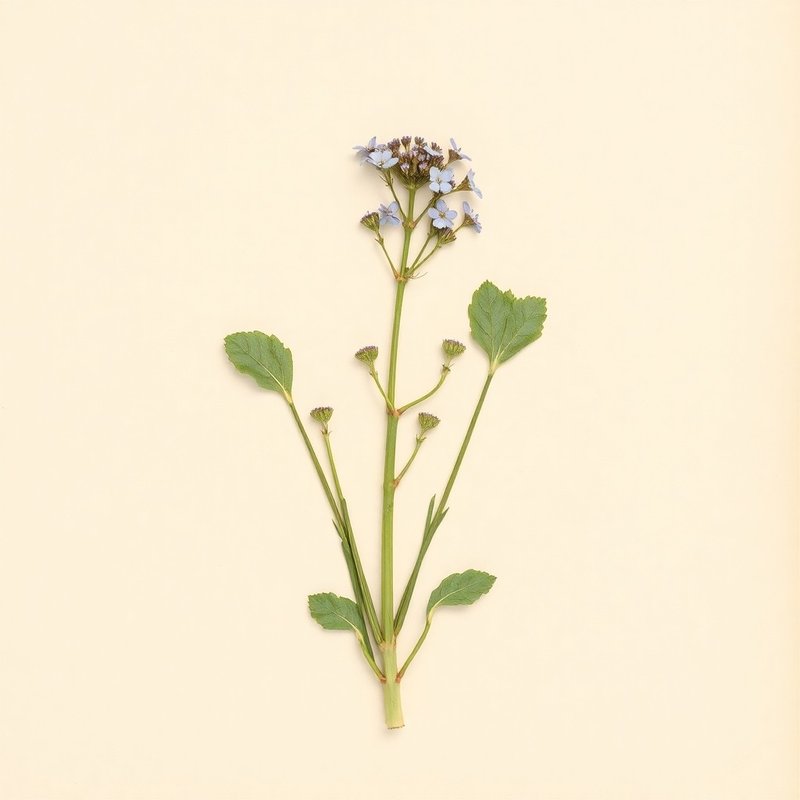
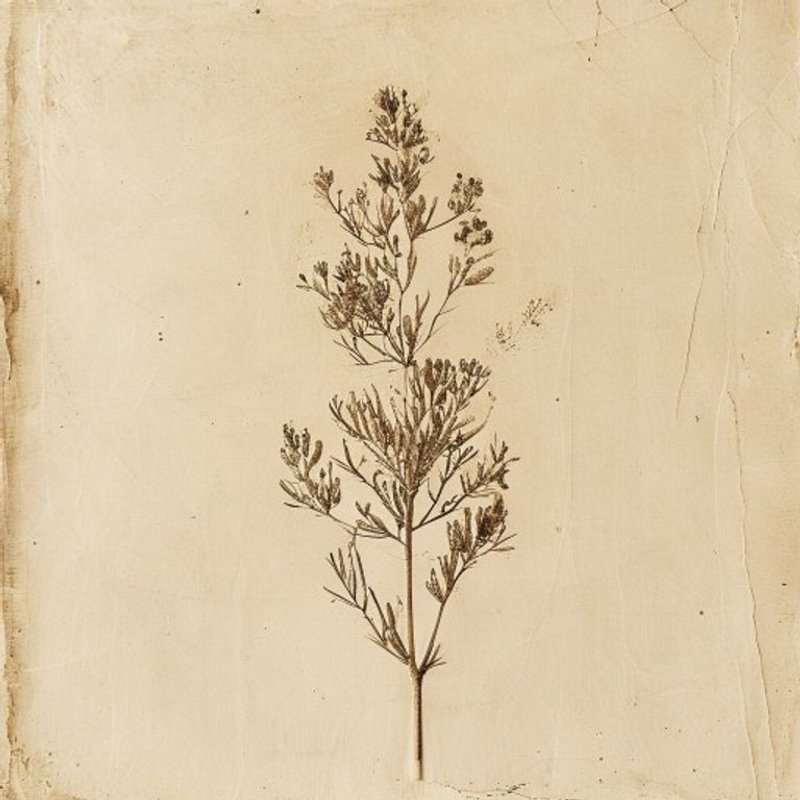
Niu Xi, scientifically known as Achyranthes bidentata and belonging to the Asteraceae family, is a perennial plant native to a wide range of regions including Assam, Bangladesh, Borneo, Cambodia, and various parts of China, as well as countries like Japan, Korea, and Vietnam. This plant thrives in moist conditions with partial sun or shade, preferring light (sandy) to medium soil types. It can grow up to 0.8 meters tall and is hardy in zones 7-10, making it adaptable to diverse habitats across Asia. Niu Xi has both edible and medicinal uses. The leaves and seeds of the plant are edible, with the leaves often prepared fresh in salads or cooked as a vegetable, and the seeds used in various culinary applications. Additionally, Niu Xi is traditionally used for its medicinal properties, though specific benefits are not detailed here. Its adaptability and traditional uses make Niu Xi a notable species within its native range. In cultivation, Niu Xi thrives in full to partial sun and prefers moist, well-draining soil that is light (sandy) or medium. It can be propagated through seeds or by dividing the plant. Harvesting its edible leaves and seeds for culinary use is a practical application of this versatile plant. While Niu Xi is safe for consumption, caution should be exercised when using it medicinally, as specific dosages and applications are not recommended here.
What is Niu Xi?
Niu Xi, scientifically known as Achyranthes bidentata and belonging to the Asteraceae family, is a perennial plant native to a wide range of regions including Assam, Bangladesh, Borneo, Cambodia, and various parts of China, as well as countries like Japan, Korea, and Vietnam.
IV·bMixology suggestions
2 drafts
Mixology suggestions
2 draftsVCultivation
Cultivation
How to grow Niu Xi for the first time
Niu Xi is a hardy perennial that's easy to grow for beginners, especially in moist, light soil.
- 1
What you'll need
Seeds or young plants, garden tools like a trowel and rake.
- 2
Best time to plant
Plant Niu Xi in spring after the last frost or in early fall.
- 3
Soil and container prep
Choose a location with light to partial shade. Ensure soil is well-draining, slightly sandy to medium texture.
- 4
Sowing or transplanting
Direct sow seeds 1 cm deep and 30 cm apart. Transplant young plants in the same spacing.
- 5
First two weeks
Keep soil consistently moist during germination and early growth. Mulch to retain moisture.
- 6
Ongoing care
Water regularly, especially during dry spells. Fertilize with compost once a year in spring.
- 7
Harvest or pruning
Prune dead foliage in late winter to maintain plant health and encourage new growth.
- 8
Common mistakes
Overwatering, planting too deeply, neglecting mulching, not providing enough light, over-fertilizing.
VIEdible & utility
Edible & utility
VIIDistribution
36 native · 12 introduced
Distribution
36 native · 12 introducedXSee also
8 related
See also
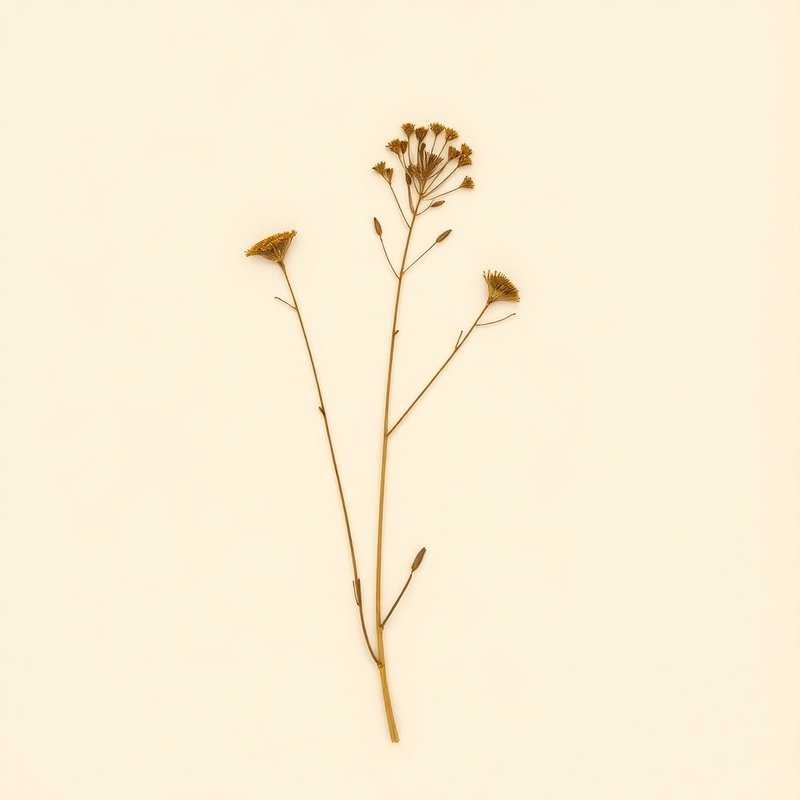
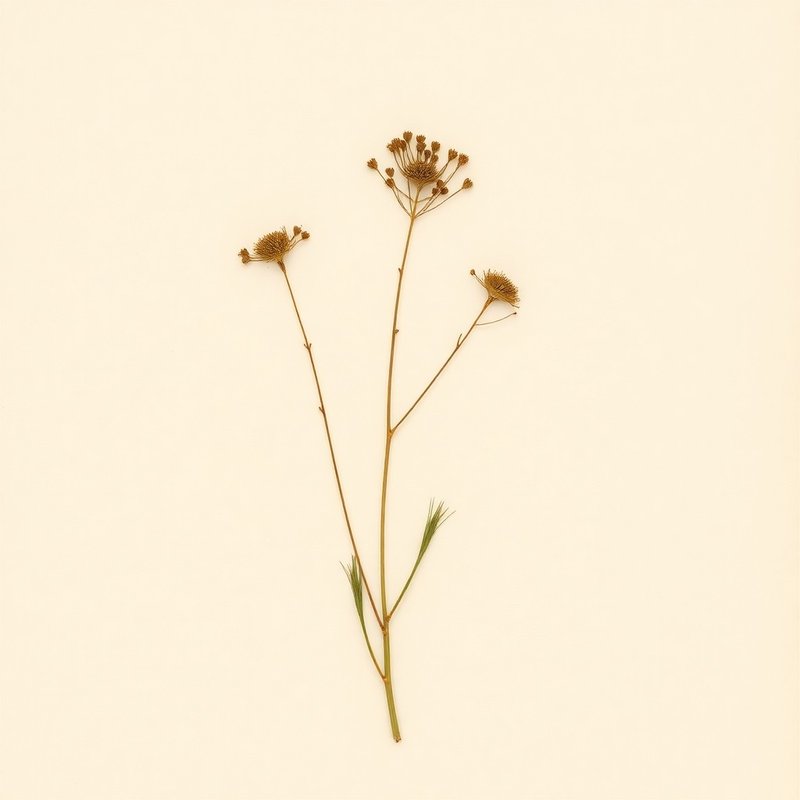
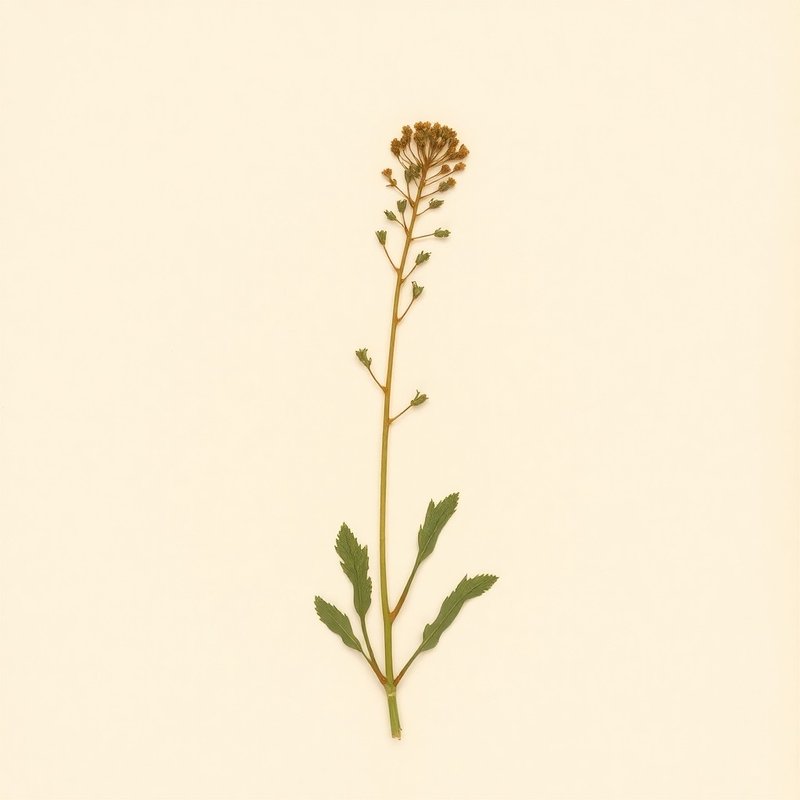
8 relatedPlants you might compare or use together — scored by shared family (Asteraceae), common use cases, and growing requirements.
Explore further
About this entry
- Last updated
- Citation
- How to cite this entry · Submit a correction
Continue reading
Get archive updates
Occasional email when substantial new content lands — plant profiles, seasonal growing notes, folk-remedy additions. Free, no tracking, unsubscribe anytime.