
Celtuce
Lactuca sativa angustanafam. Asteraceae
Educational content — not medical, botanical, or professional advice. Always consult a qualified clinician before using any herbal preparation — especially during pregnancy, breastfeeding, while on medication, or for children. How we source & review →
Garden journal pausedUse profile notes below
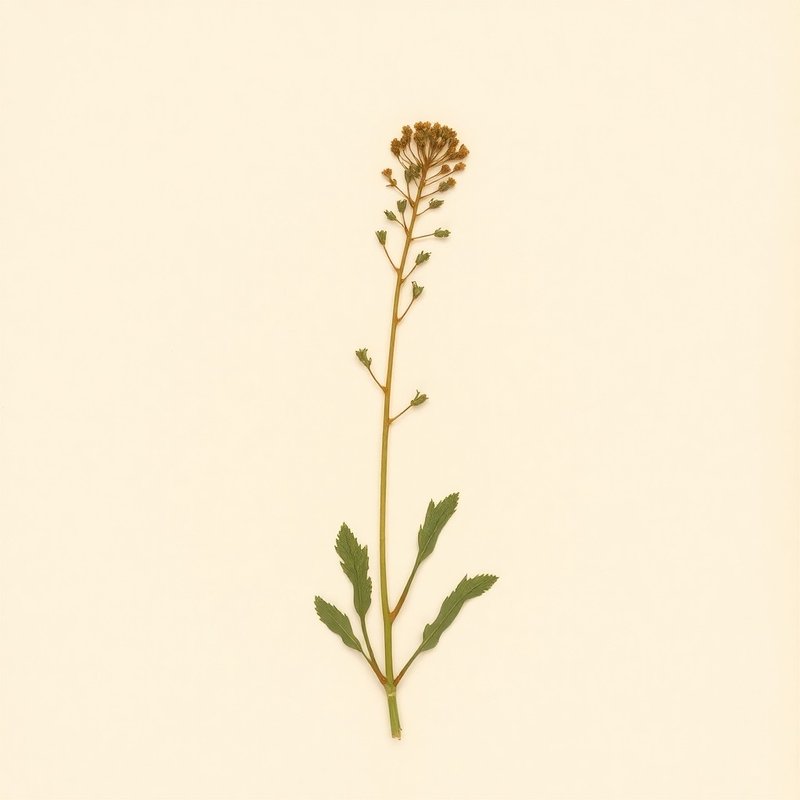
Pl. FB08 — Lactuca sativa angustana
Lactuca sativa angustanaLactuca sativa angustanaLactuca sativa angustanaLactuca sativa angustanaLactuca sativa angustanaLactuca sativa angustanaLactuca sativa angustanaLactuca sativa angustanaLactuca sativa angustanaLactuca sativa angustanaLactuca sativa angustanaLactuca sativa angustanaLactuca sativa angustanaLactuca sativa angustana
IOverview
Overview
Celtuce, scientifically known as *Lactuca sativa angustana*, is an annual or biennial plant belonging to the Asteraceae family. Native to Iraq, this unique variety shares a close relationship with common lettuce. Thriving in light conditions ranging from full sun to partial shade, celtuce prefers moist soil that can be either light (sandy) or medium. Standing at about 0.6 meters tall, the plant features a forb/herb habit and is valued for both its edible and medicinal properties. The edible parts of celtuce, including its leaves and stems, are highly versatile. They can be eaten raw in salads or cooked as a vegetable, making them suitable for a variety of culinary applications. The plant's mild flavor makes it a popular choice for both fresh consumption and preparation in various dishes. Additionally, celtuce can serve as a natural pest control in gardens, contributing to its ornamental and practical value. While celtuce is generally safe for consumption, it is important to exercise caution and ensure proper identification, especially when considering its medicinal uses. This plant's adaptability and versatility make it a notable addition to gardens and agricultural settings, offering a unique blend of culinary and ornamental benefits.
Quick answers
What is Celtuce?
Celtuce, scientifically known as *Lactuca sativa angustana*, is an annual or biennial plant belonging to the Asteraceae family. Native to Iraq, this unique variety shares a close relationship with common lettuce.
IV·bMixology suggestions
2 drafts
Mixology suggestions
2 draftsEditorial drafts. These pairings are AI-suggested from traditional herbal lore. Always verify with a qualified herbalist before brewing.
Evening Calm
sleeptea
Traditional bedtime infusion.
Digestive Ease
digestiontincture
Historically used for digestive issues.
Growingconditions · propagation · uses
VCultivation
Cultivation
Celtuce thrives in full to partial sun and prefers moist, light (sandy) or medium soil. It is hardy in zones 5-9, making it suitable for temperate regions. Water regularly to keep the soil consistently moist. Harvest the edible parts—leaves and stems—throughout the growing season. This annual or biennial plant reaches a height of about 0.6 meters and can be propagated through seeds.
Light
Full sun, Partial sun/shade
Water
Moist
Soil
Light (sandy), Medium
Hardiness
5-9
Life cycle
Annual, Biennial
Habit
Forb/herb
Mature size
0.6 m tall
For first-time growers
How to grow Celtuce for the first time
8steps
Start with simple soil and basic care for a successful beginner's Celtuce planting.
- 1
What you'll need
Seeds or seedlings, a garden bed or container, compost, water.
- 2
Best time to plant
Plant in spring after the last frost, or start seeds indoors 4-6 weeks before planting outdoors.
- 3
Soil and container prep
Choose a light, well-draining soil. Ensure containers are at least 30 cm deep with good drainage holes.
- 4
Sowing or transplanting
Direct sow seeds 1-2 cm deep, spaced about 15 cm apart in rows. For transplants, use seedlings from a nursery.
- 5
First two weeks
Keep soil consistently moist and protect young plants from harsh sun with light shade cloth if needed.
- 6
Ongoing care
Water regularly to keep the soil moist but not soggy. Fertilize lightly every 4-6 weeks with a balanced organic fertilizer.
- 7
Harvest or pruning
Prune by cutting off outer leaves as needed, leaving inner leaves for continued growth. Harvest stems when they reach about 30 cm in height.
- 8
Common mistakes
Overwatering, planting too deep, not providing enough shade, using heavy fertilizers, neglecting regular pruning.
VIEdible & utility
Edible & utility
Edible parts:LeavesStem
Edible uses: Celtuce leaves and stems are edible. They can be eaten raw in salads or cooked as a vegetable. The plant's mild flavor makes it suitable for both fresh consumption and preparation in various dishes.
Other uses:Pest control
Contextrange · companions · related
VIIDistribution
1 native · 124 introduced
Distribution
1 native · 124 introducedDistribution across5 continents· 1 native· 124 introduced
Europe19 regions
introduced (19)AustriaBulgariaCyprusFinlandFranceGermanyHungaryIrelandItalyNetherlandsPolandPortugalRomaniaRussiaSpainSwedenSwitzerlandUkraineUnited Kingdom
Asia15 regions
native (1)Iraq
introduced (14)BangladeshChinaIndiaKazakhstanMyanmarNepalOmanPakistanPhilippinesSouth KoreaTaiwanTurkeyUzbekistanVietnam
Americas18 regions
introduced (18)BelizeBoliviaColombiaCosta RicaCubaDominican RepublicEcuadorEl SalvadorGuatemalaHaitiHondurasJamaicaNicaraguaParaguayPeruPuerto RicoUnited StatesVenezuela
Africa7 regions
introduced (7)Burkina FasoCabo VerdeCameroonChadEgyptMauritaniaMauritius
Oceania1 region
introduced (1)Fiji
Broader regions
introduced:Alabama, Antipodean Is., Argentina Northeast, Baltic States, California, Cape Provinces, Caroline Is., Connecticut, Czechoslovakia, Delaware, District of Columbia, East Himalaya, Free State, Idaho, Illinois, Indiana, Jawa, Khabarovsk, Lebanon-Syria, Maine, Marianas, Marshall Is., Masachusettes, Mexico Southeast, Michigan, Missouri, New Guinea, New Hampshire, New Jersey, New Mexico, New York, Niue, North Carolina, North Dakota, Ohio, Oklahoma, Ontario, Oregon, Panamá, Pennsylvania, Primorye, Réunion, Rhode I., Transcaucasus, Trinidad-Tobago, Tubuai Is., Turkey-in-Europe, Vermont, Wake I., Washington, West Virginia, Yugoslavia
IXSpecimen gallery
1 image
Specimen gallery
1 imageXSee also
8 related
See also
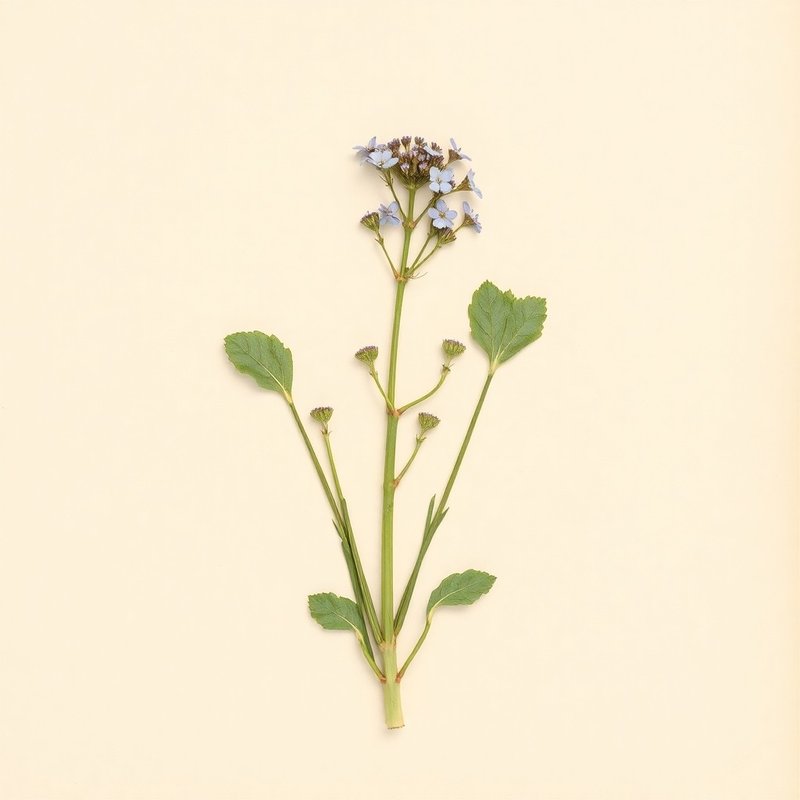
8 relatedPlants you might compare or use together — scored by shared family (Asteraceae), common use cases, and growing requirements.
same family · Asteraceae
Botanical relatives — often share phytochemistry + growing needs.
XI
Explore further
Companion planting
Compare with similar plants
Growing zone
Native to
XII
About this entry
- Last updated
- Citation
- How to cite this entry · Submit a correction
Back to the cataloguePlant id · fb0880f8-281d-4633-8b6d-f0535df7dea4
Decision aid
Choosing between Celtuce and something else?
Continue reading
❦❦❦❦
Endpaper · archive updates
Get archive updates
Occasional email when substantial new content lands — plant profiles, seasonal growing notes, folk-remedy additions. Free, no tracking, unsubscribe anytime.
Newsletter returning soon.
We are rebuilding the update list around a lightweight editorial workflow. New dispatches will resume after the next content review cycle.