
Horse Chestnut

IOverview
Overview
Horse Chestnut (Aesculus hippocastanum), a deciduous tree native to the Balkans and Turkey, is known for its ornamental value due to large, white flowers and distinctive conical seed pods. This tree has been cultivated in gardens worldwide, thriving in well-drained soils with a pH between 5.5 and 6.5, making it adaptable but preferring light (sandy), medium, or heavy (clay) textures. Horse Chestnut is both edible and medicinal; its seeds are used for food after processing to remove toxic compounds. The tree's light requirements and hardiness range from zones 4-7, making it suitable for various climates. Its native range includes Albania, Bulgaria, Greece, Turkey, Turkmenistan, and Yugoslavia, where it grows in diverse habitats. The tree can tolerate dry conditions but also performs well in moist environments, making it adaptable to different growing contexts. Horse Chestnut is also valued for its utility, providing dye, soap, starch, tannin, lumber, and fragrance. While the plant is generally safe, caution should be exercised when handling or consuming parts of the tree, as some components can be toxic.
What is Horse Chestnut?
Horse Chestnut (Aesculus hippocastanum), a deciduous tree native to the Balkans and Turkey, is known for its ornamental value due to large, white flowers and distinctive conical seed pods. This tree has been cultivated in gardens worldwide, thriving in well-drained soils with a pH between 5.
IV·bMixology suggestions
1 draft
Mixology suggestions
1 draftVCultivation
Cultivation
How to grow Horse Chestnut for the first time
Start with planting a young horse chestnut tree for the best beginner experience.
- 1
What you'll need
A young horse chestnut sapling, garden gloves, and a shovel.
- 2
Best time to plant
Plant in early spring or late autumn when temperatures are mild.
- 3
Soil and container prep
Ensure the soil is well-draining with a pH between 5.5 and 6.5, and loosen it to a depth of about 30 cm.
- 4
Sowing or transplanting
Dig a hole twice as wide but not deeper than the root ball, then place the sapling and backfill with soil.
- 5
First two weeks
Water regularly to keep the soil moist but not waterlogged. Monitor for any signs of stress.
- 6
Ongoing care
Water deeply once a week during dry spells, mulch around the base to retain moisture and suppress weeds.
- 7
Harvest or pruning
Prune in late winter before new growth starts. Harvest seeds when they are ripe and easily detach from the pod.
VIEdible & utility
Edible & utility
VIIDistribution
6 native · 36 introduced
Distribution
6 native · 36 introducedIXSpecimen gallery
1 image
Specimen gallery
1 imageXSee also
8 related
See also
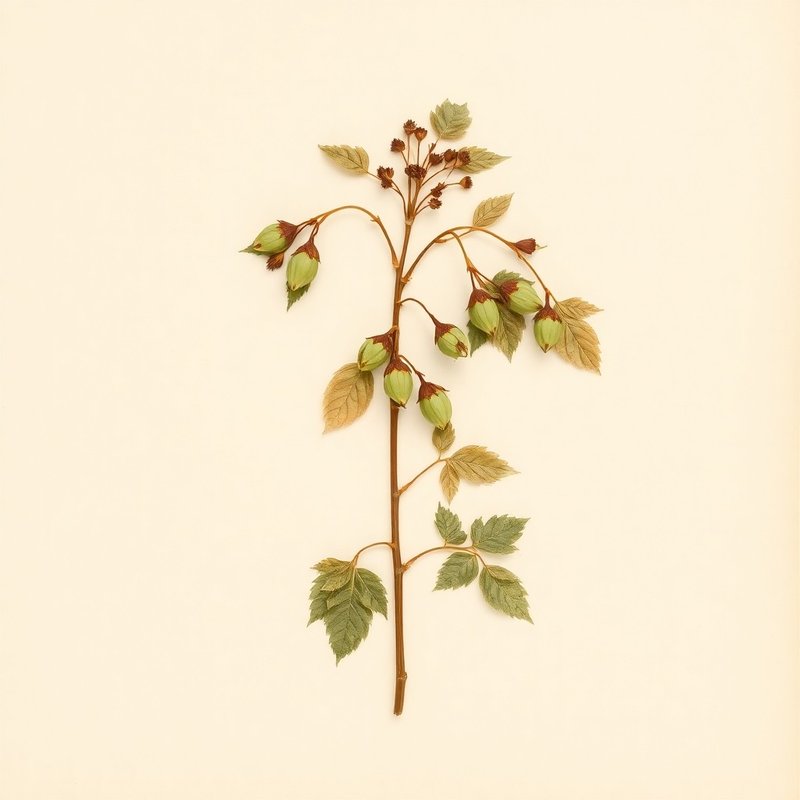
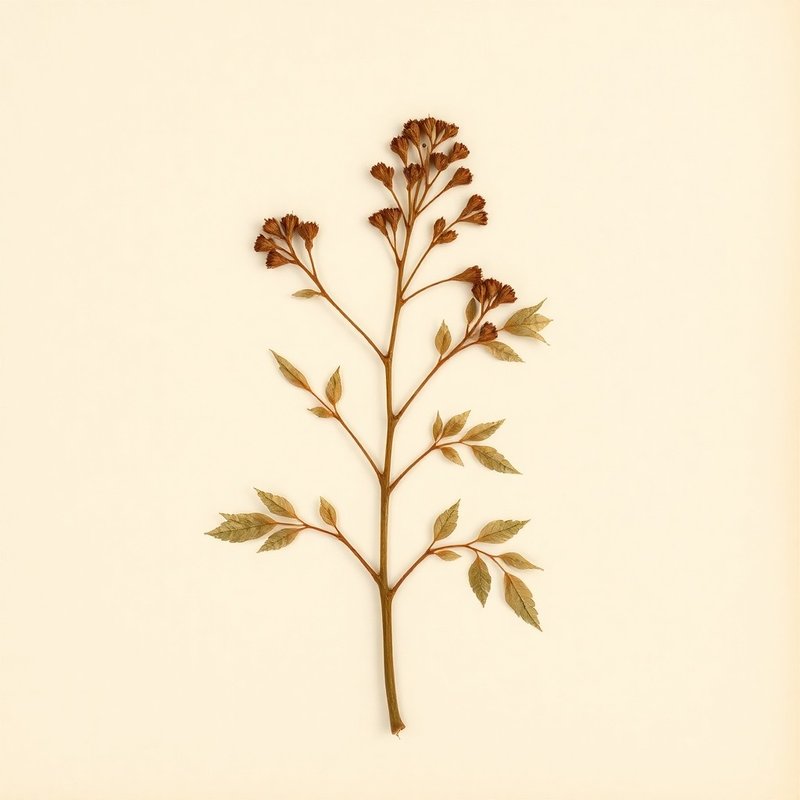
8 relatedPlants you might compare or use together — scored by shared family (Sapindaceae), common use cases, and growing requirements.
Explore further
About this entry
- Last updated
- Citation
- How to cite this entry · Submit a correction
Continue reading
Get archive updates
Occasional email when substantial new content lands — plant profiles, seasonal growing notes, folk-remedy additions. Free, no tracking, unsubscribe anytime.