
Allium cupanii
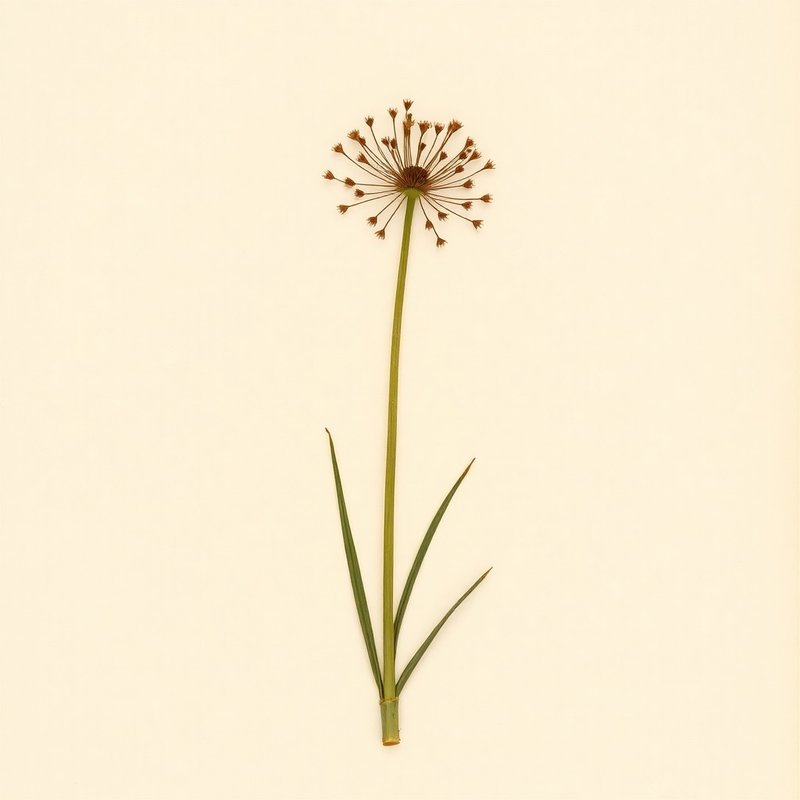
IOverview
Overview
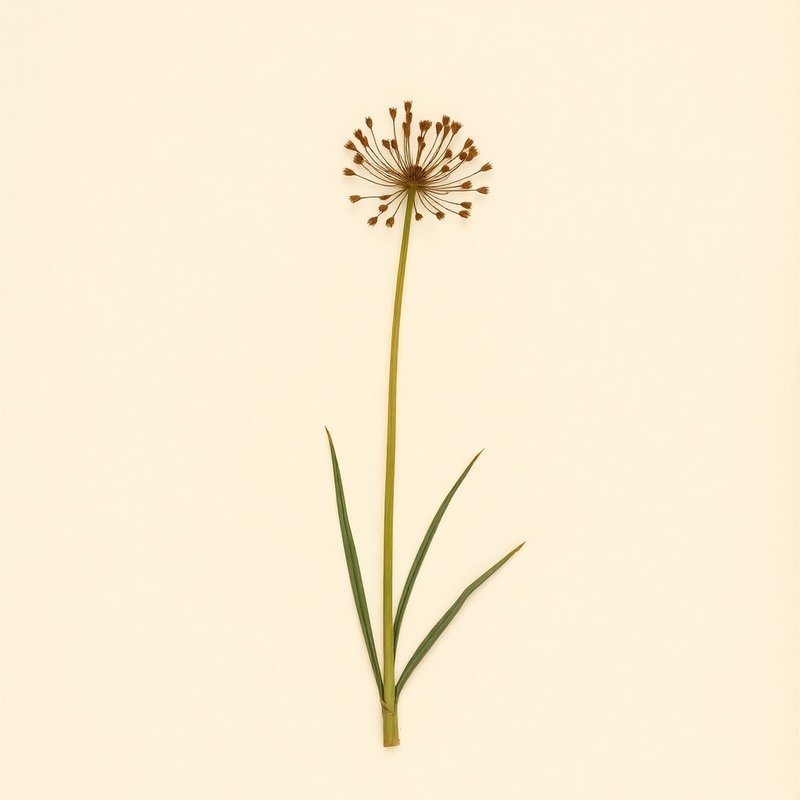
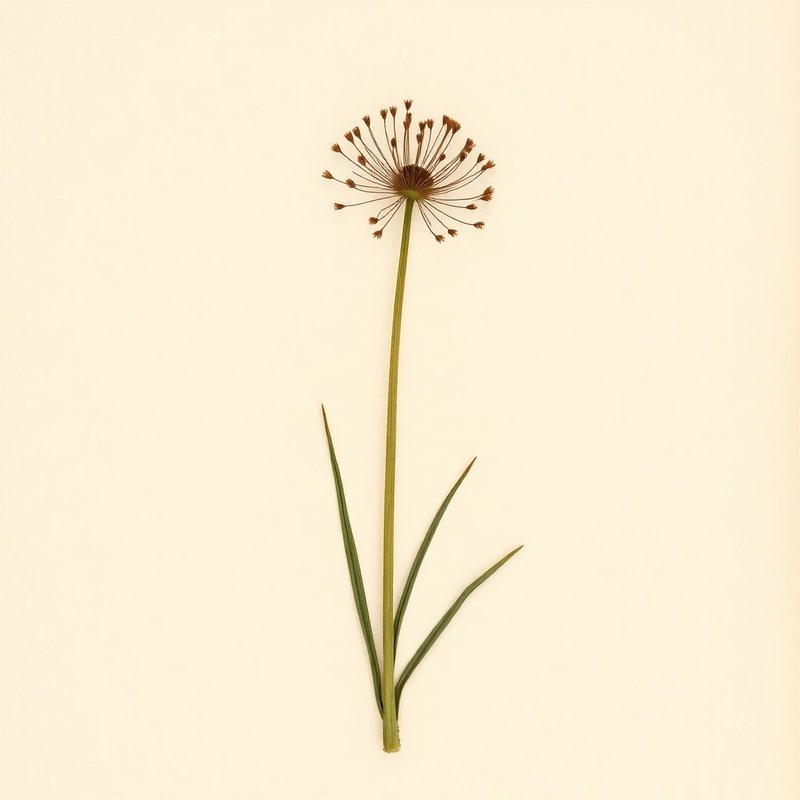
Allium cupanii, commonly known as the New Zealand native onion, is a member of the Alliaceae family and thrives in full sun to partial shade. Native to New Zealand, this plant is valued for its edible parts, which include flowers, leaves, and roots. It prefers well-drained soil that can be either light (sandy) or medium, and it tolerates both dry and moist conditions. Hardy from zones 7-10, A. cupanii reaches a height of about 30 cm, making it an attractive addition to gardens for its ornamental value as well as its culinary uses. One distinctive feature is its ability to grow in a variety of soil types while still thriving in full sun or partial shade. The leaves can be eaten raw or cooked, while the flowers and roots are typically used in cooked dishes. Roots may also be dried for later use. In traditional Chinese medicine, Allium species, including A. cupanii, have been used for digestive issues such as bloating and indigestion, often prepared as a decoction. However, it is important to use caution and seek professional guidance when incorporating any plant into a medicinal regimen.
What is Allium cupanii?
Allium cupanii, commonly known as the New Zealand native onion, is a member of the Alliaceae family and thrives in full sun to partial shade. Native to New Zealand, this plant is valued for its edible parts, which include flowers, leaves, and roots.
What is Allium cupanii used for?
Traditionally used for digestion. Each claim is evidence-rated — see Section II for full citations.
IIBenefits & evidence
1 claim · traditional-use context
Benefits & evidence
1 claim · traditional-use context- Allium species, including closely related A. cupanii, have been traditionally used in Chinese medicine for digestive issues such as bloating and indigestion, often prepared as a decoction.
The mechanism involves the presence of sulfur compounds like allicin which can help stimulate gastric juice secretion and improve digestion.
▲ ModerateDigestion →
IV·bMixology suggestions
1 draft
Mixology suggestions
1 draftVCultivation
Cultivation
How to grow Allium cupanii for the first time
Start with Allium cupanii for a simple, low-maintenance addition to your garden.
- 1
What you'll need
Seeds or small plants, a trowel, and a watering can.
- 2
Best time to plant
Plant in spring after the last frost or in fall before the first freeze.
- 3
Soil and container prep
Choose well-draining soil with a pH between 6.0 and 7.5 for best results.
- 4
Sowing or transplanting
Direct sow seeds 1 cm deep, or plant small bulbs about 2-3 cm apart in the ground.
- 5
First two weeks
Water sparingly to keep soil moist but not soggy. Avoid overwatering.
- 6
Ongoing care
Provide full sun and water only when the soil is dry, about once a week.
- 7
Harvest or pruning
Prune dead leaves and spent flowers to maintain plant health and appearance.
- 8
Common mistakes
Overwatering, planting in heavy soil, neglecting to prune dead foliage.
VIEdible & utility
Edible & utility
IXSpecimen gallery
1 image
Specimen gallery
1 imageXSee also
8 related
See also
8 relatedPlants you might compare or use together — scored by shared family, common use cases, and growing requirements.



Explore further
About this entry
- Last updated
- Citation
- How to cite this entry · Submit a correction
Continue reading
Get archive updates
Occasional email when substantial new content lands — plant profiles, seasonal growing notes, folk-remedy additions. Free, no tracking, unsubscribe anytime.