
Allium platycaule
IOverview
Overview
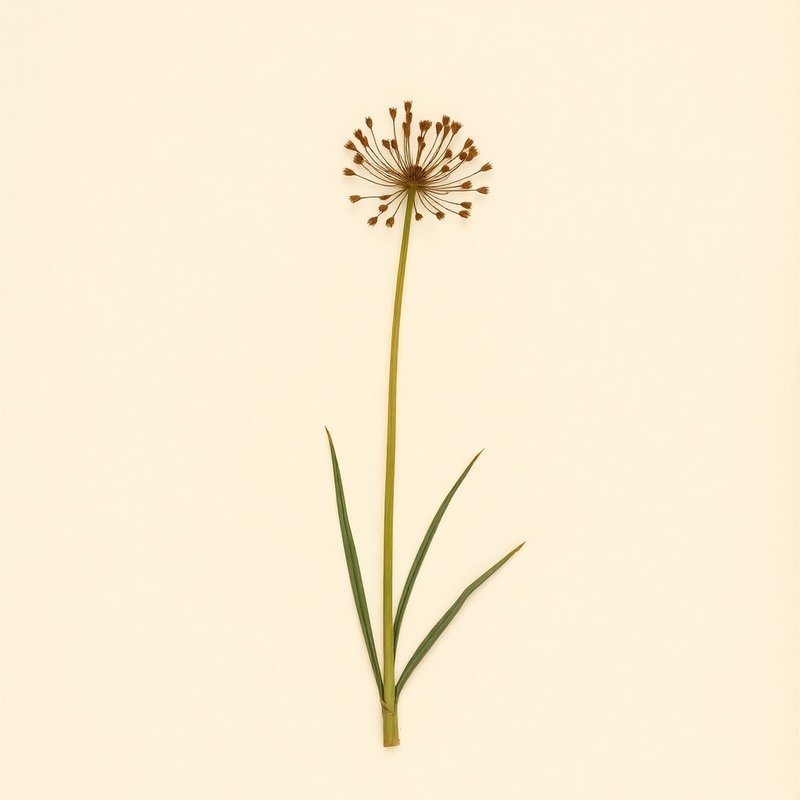
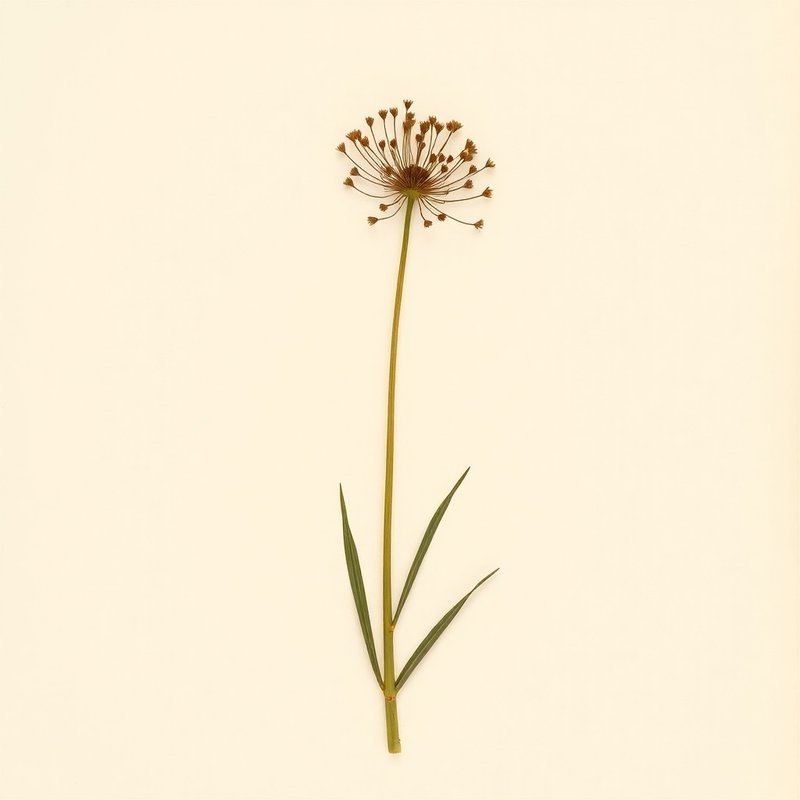
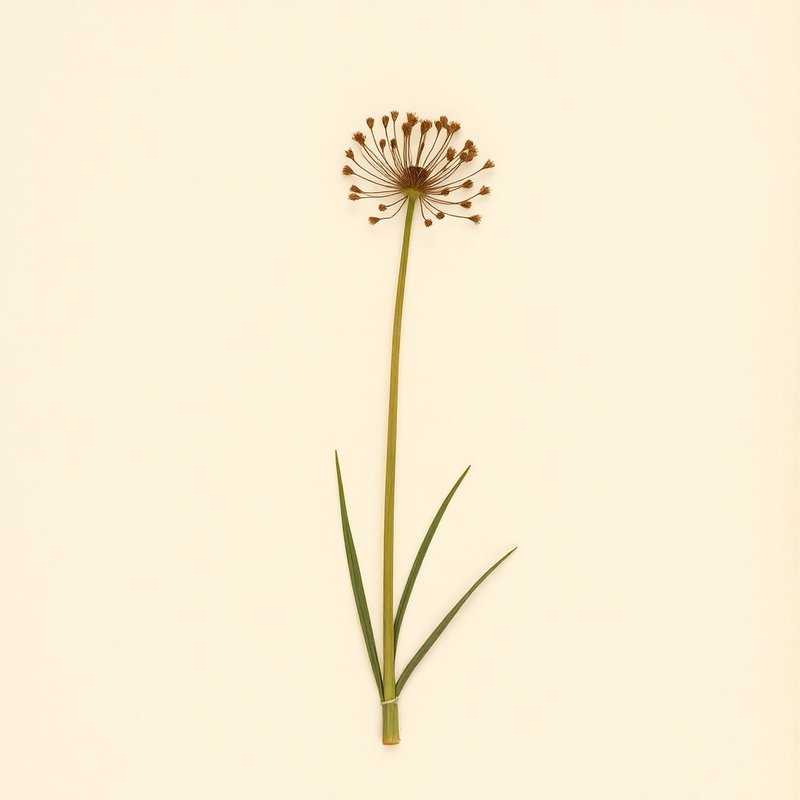
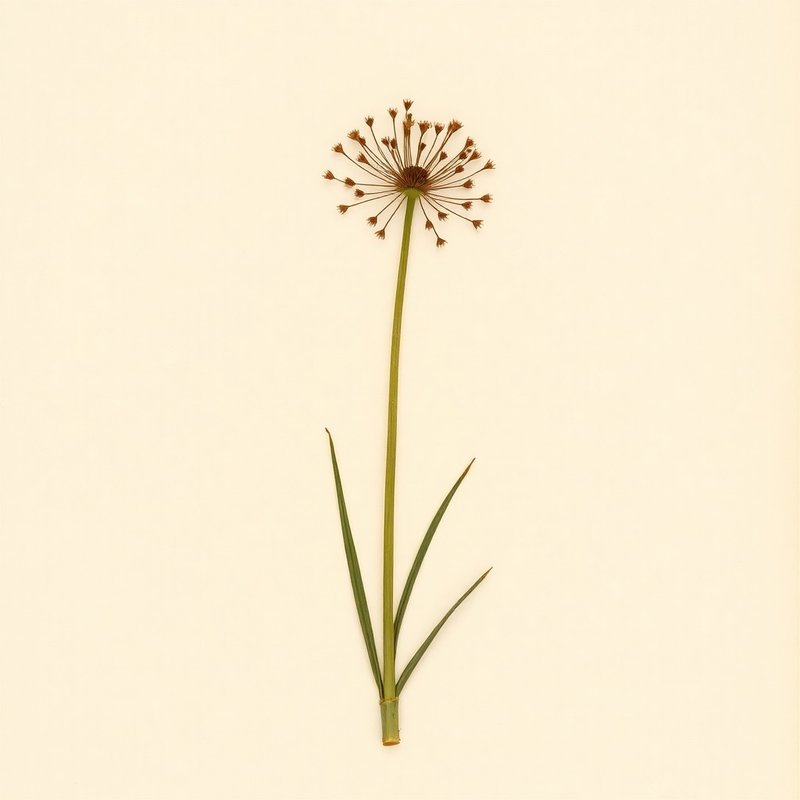
Allium platycaule, commonly known as California garlic, is a small herbaceous plant native to the arid and semi-arid regions of California, Nevada, and Oregon. This member of the Alliaceae family thrives in full sun with well-draining soil that can range from light sandy to medium-textured. It is adaptable to various moisture levels but prefers dry conditions. Known for its edible parts—flowers, leaves, roots, and seeds—it has been utilized by local communities for culinary purposes. One distinctive feature of this plant is its compact stature, typically reaching only 0.1 meters in height, making it an attractive addition to rock gardens or as a low-growing ground cover.
What is Allium platycaule?
Allium platycaule, commonly known as California garlic, is a small herbaceous plant native to the arid and semi-arid regions of California, Nevada, and Oregon. This member of the Alliaceae family thrives in full sun with well-draining soil that can range from light sandy to medium-textured.
What is Allium platycaule used for?
Traditionally used for digestion, immune support. Each claim is evidence-rated — see Section II for full citations.
IIBenefits & evidence
2 claims · traditional-use context
Benefits & evidence
2 claims · traditional-use context- Allium platycaule, like other Allium species, has been traditionally used in Native American medicine for digestive issues such as bloating and indigestion. A decoction of the leaves or roots may help alleviate these symptoms.
The mechanism is not fully characterised but likely involves compounds such as flavonoids and organosulfur compounds that have anti-inflammatory and carminative properties.
▲ ModerateDigestion → - Allium platycaule, similar to other Allium species like garlic (A. sativum), has been traditionally used for immune support in various cultures. A tea made from the leaves or roots may help boost the body's defenses.
The mechanism is not fully characterised but likely involves compounds such as allicin and other organosulfur compounds that have antimicrobial properties.
▲ ModerateImmune support →
IV·bMixology suggestions
1 draft
Mixology suggestions
1 draftVCultivation
Cultivation
How to grow Allium platycaule for the first time
Start with Allium platycaule as a simple, low-maintenance addition to your garden.
- 1
What you'll need
Allium platycaule bulbs or seeds, potting soil, containers if planting in pots.
- 2
Best time to plant
Plant in early spring or late fall when the soil is cool.
- 3
Soil and container prep
Use well-draining soil. Containers should have drainage holes.
- 4
Sowing or transplanting
For seeds, sow them shallowly; for bulbs, plant 2-3 cm deep.
- 5
First two weeks
Water sparingly to avoid rotting the roots. Keep soil slightly moist.
- 6
Ongoing care
Provide full sun and water only when the soil is dry. Fertilize lightly if needed.
- 7
Harvest or pruning
Prune dead leaves and spent flowers to maintain plant health.
- 8
Common mistakes
Overwatering, planting in heavy soil, neglecting to remove dead foliage.
VIEdible & utility
Edible & utility
VIIDistribution
3 native · 0 introduced
Distribution
3 native · 0 introducedIXSpecimen gallery
1 image
Specimen gallery
1 imageXSee also
8 related
See also
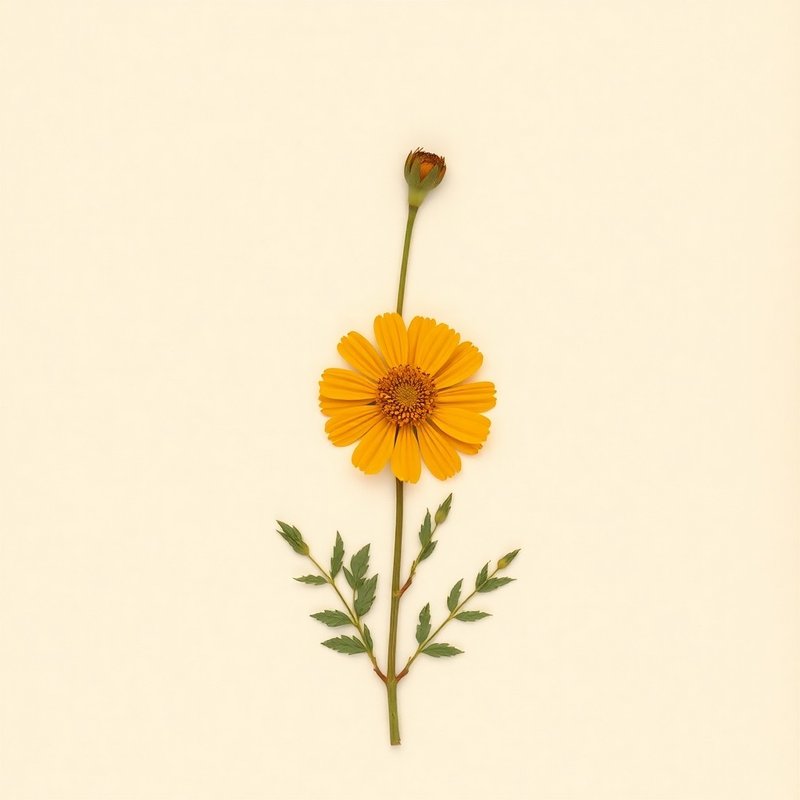
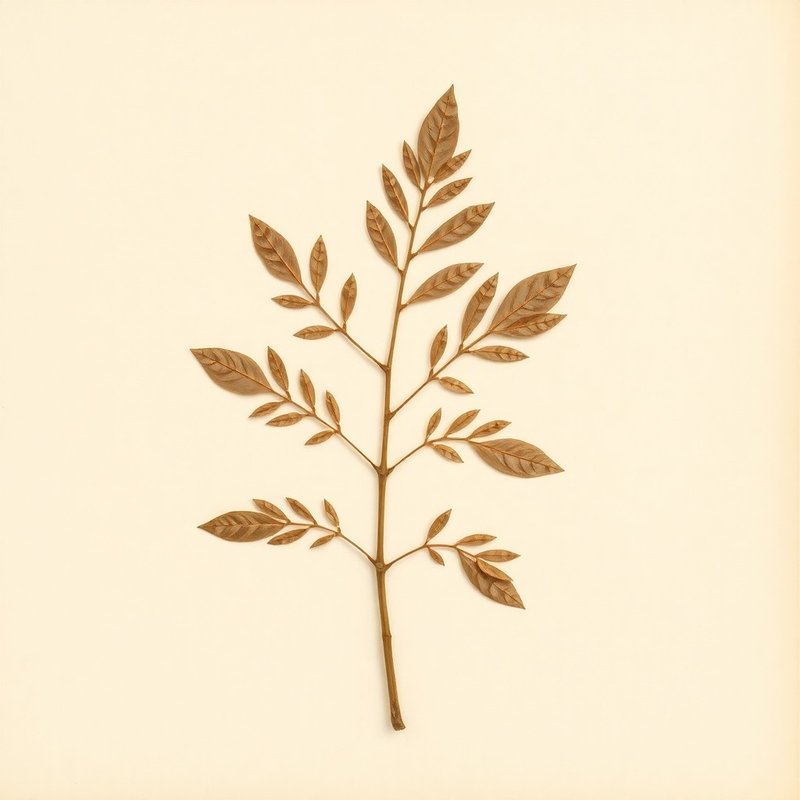
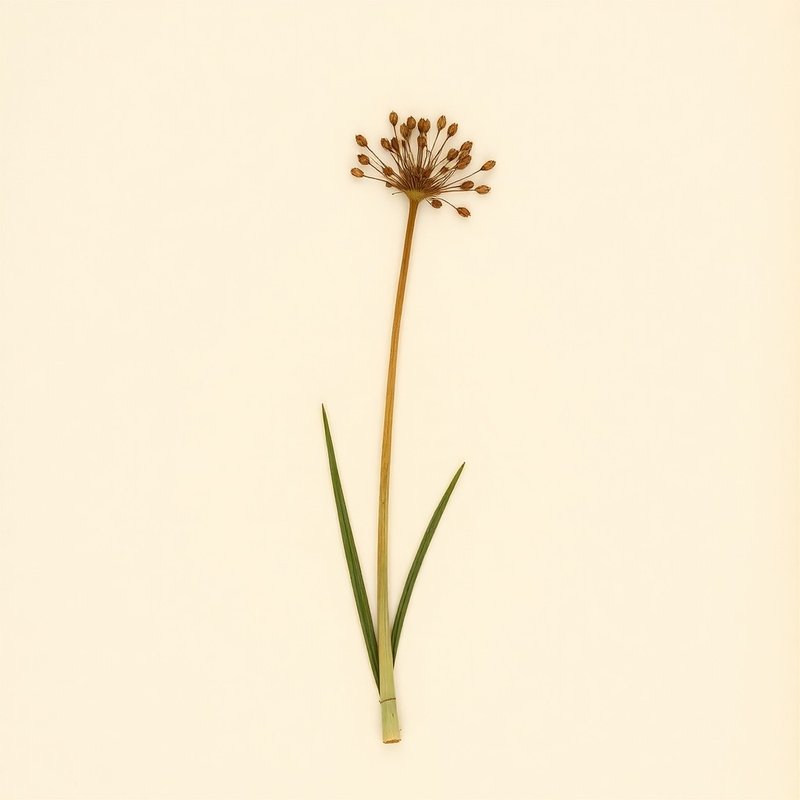
8 relatedPlants you might compare or use together — scored by shared family, common use cases, and growing requirements.

Explore further
About this entry
- Last updated
- Citation
- How to cite this entry · Submit a correction
Continue reading
Get archive updates
Occasional email when substantial new content lands — plant profiles, seasonal growing notes, folk-remedy additions. Free, no tracking, unsubscribe anytime.