
Allium galanthum
Allium galanthumfam. Liliaceae
Educational content — not medical, botanical, or professional advice. Always consult a qualified clinician before using any herbal preparation — especially during pregnancy, breastfeeding, while on medication, or for children. How we source & review →
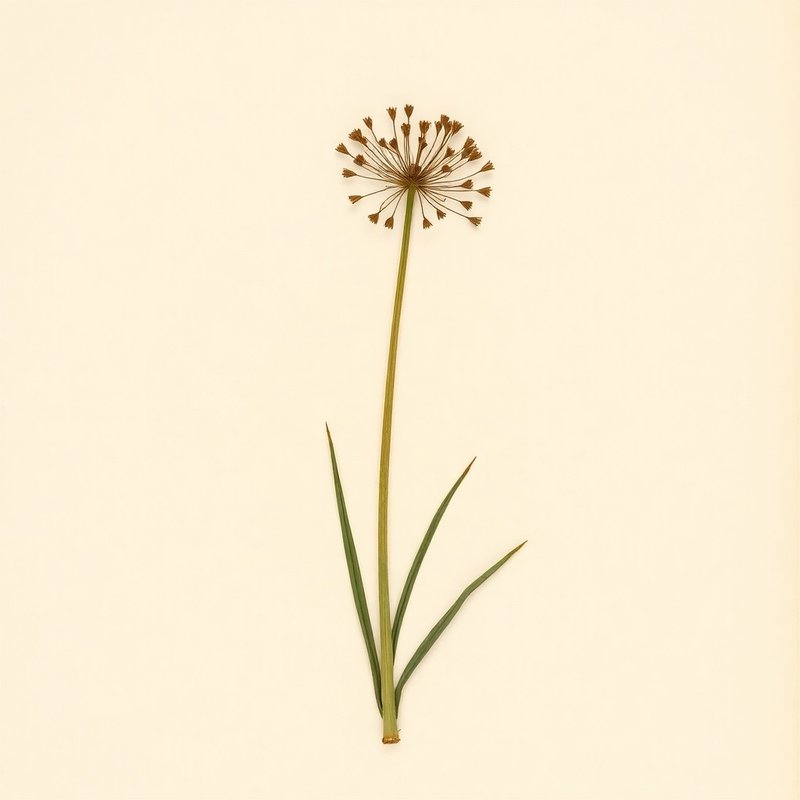
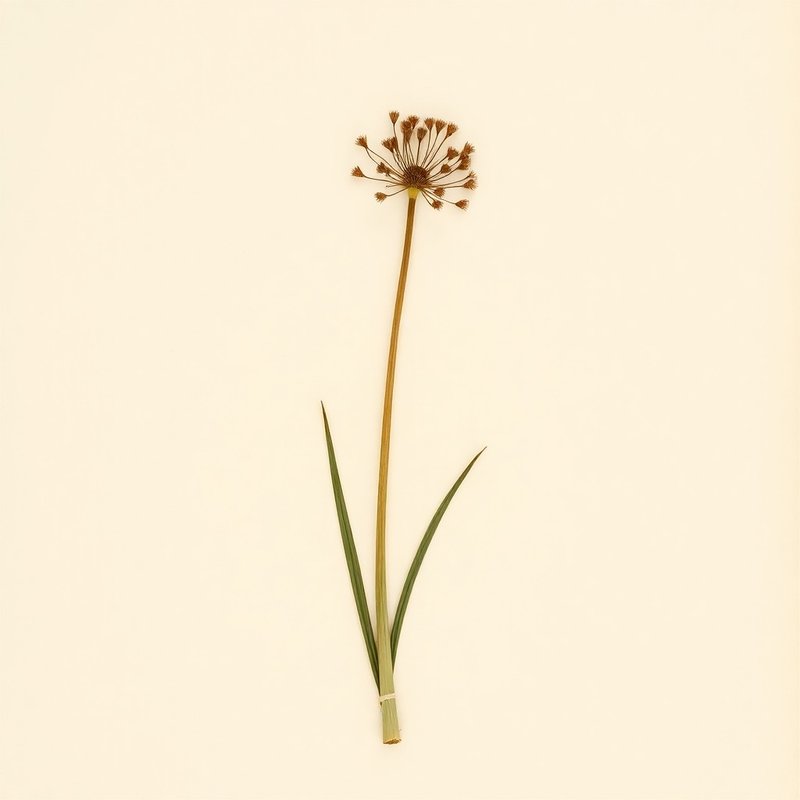
Pl. 35CB — Allium galanthum
Allium galanthumAllium galanthumAllium galanthumAllium galanthumAllium galanthumAllium galanthumAllium galanthumAllium galanthumAllium galanthumAllium galanthumAllium galanthumAllium galanthumAllium galanthumAllium galanthum
IOverview
Overview
Allium galanthum, commonly known as the Altai onion, is a member of the Alliaceae family and is native to the mountainous regions of Central Asia, including areas such as Altay, Kazakhstan, Kirgizstan, Mongolia, Tadzhikistan, and Xinjiang. This plant thrives in full sun and prefers moist, well-drained soil that is light (sandy) or medium in texture, reaching a height of about 0.3 meters. It is both edible and medicinal; its leaves, flowers, and roots can be used for culinary purposes. Additionally, the plant has documented uses in traditional medicine due to its various beneficial properties. One distinctive feature of Allium galanthum is its ability to grow in diverse mountainous environments across Central Asia.
Quick answers
What is Allium galanthum?
Allium galanthum, commonly known as the Altai onion, is a member of the Alliaceae family and is native to the mountainous regions of Central Asia, including areas such as Altay, Kazakhstan, Kirgizstan, Mongolia, Tadzhikistan, and Xinjiang.
IV·bMixology suggestions
2 drafts
Mixology suggestions
2 draftsEditorial drafts. These pairings are AI-suggested from traditional herbal lore. Always verify with a qualified herbalist before brewing.
Digestive Harmony
digestiontincture
Used traditionally to aid digestion and soothe the stomach.
Skin Revitalizer
skindecoction
Applied topically for its purported skin benefits.
Growingconditions · propagation · uses
VCultivation
Cultivation
Allium galanthum thrives in full sun and prefers moist, light to medium soil. It grows to about 0.3 meters tall and is hardy in temperate regions. For cultivation, ensure the soil is well-draining but keep it consistently moist. Propagate through seeds or by dividing established plants. The edible parts include flowers, leaves, and roots, making this a versatile addition to your garden.
Light
Full sun
Water
Moist
Soil
Light (sandy), Medium
Mature size
0.3 m tall
For first-time growers
How to grow Allium galanthum for the first time
8steps
Start with Allium galanthum for a simple, low-maintenance project.
- 1
What you'll need
Seeds or small plants, potting soil, containers, and water.
- 2
Best time to plant
Plant in early spring when the ground is workable.
- 3
Soil and container prep
Use a light, well-draining mix. Containers should have drainage holes.
- 4
Sowing or transplanting
Direct sow seeds 1 cm deep or plant small bulbs at 5-7 cm apart in the soil.
- 5
First two weeks
Water regularly to keep the soil moist but not waterlogged. Avoid direct sunlight.
- 6
Ongoing care
Provide full sun and regular watering, especially during dry spells. Fertilize lightly once a month.
- 7
Harvest or pruning
Prune dead leaves to maintain the plant's appearance but avoid cutting flowers for display.
- 8
Common mistakes
Overwatering, planting in heavy soil, and not providing enough sunlight are common issues.
VIEdible & utility
Edible & utility
Edible parts:FlowersLeavesRoot
Edible uses: The Allium galanthum is edible and its flowers, leaves, and roots can be consumed. Typically, the leaves are used fresh in salads or cooked as a vegetable. The flowers may also be eaten raw or added to dishes for flavor. Roots can be dug up and prepared similarly to other alliums, such as garlic or onions, often being sautéed or roasted.
Contextrange · companions · related
VIIDistribution
6 native · 0 introduced
Distribution
6 native · 0 introducedDistribution across1 continent· 6 native
Asia3 regions
native (3)ChinaKazakhstanMongolia
Broader regions
native:Altay, Kirgizstan, Tadzhikistan
IXSpecimen gallery
1 image
Specimen gallery
1 imageXSee also
8 related
See also
8 relatedPlants you might compare or use together — scored by shared family (Liliaceae), common use cases, and growing requirements.
same family · Liliaceae
Botanical relatives — often share phytochemistry + growing needs.
XI
Explore further
Companion planting
Compare with similar plants
XII
About this entry
- Last updated
- Citation
- How to cite this entry · Submit a correction
Back to the cataloguePlant id · 35cb57cc-cb08-43c8-af94-e2b5e7708a6d
Decision aid
Choosing between Allium galanthum and something else?
Continue reading
❦❦❦❦
Endpaper · archive updates
Get archive updates
Occasional email when substantial new content lands — plant profiles, seasonal growing notes, folk-remedy additions. Free, no tracking, unsubscribe anytime.