
Largeflower Wild Onion
IOverview
Overview
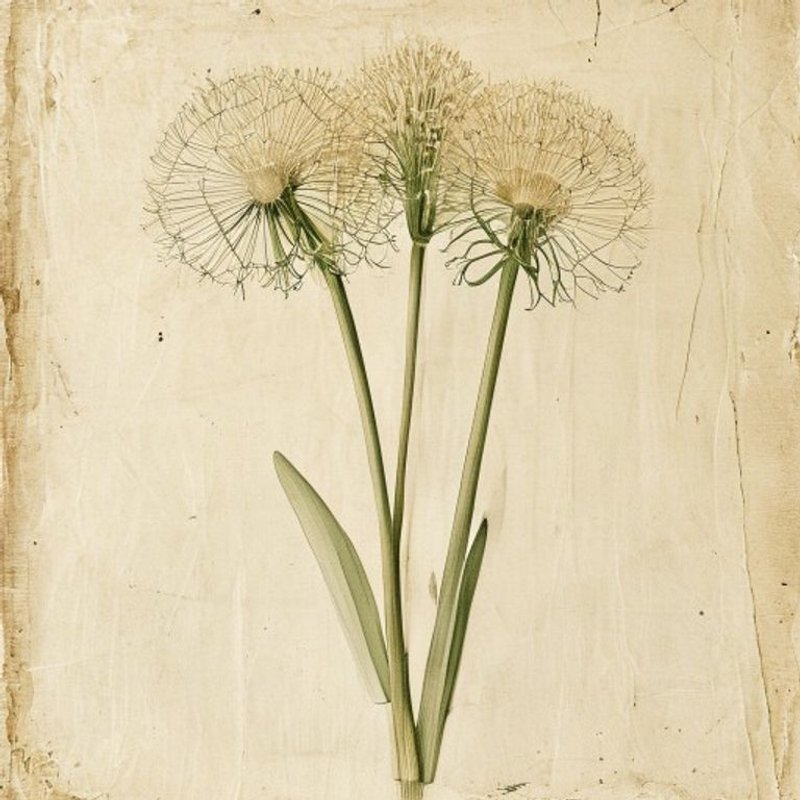
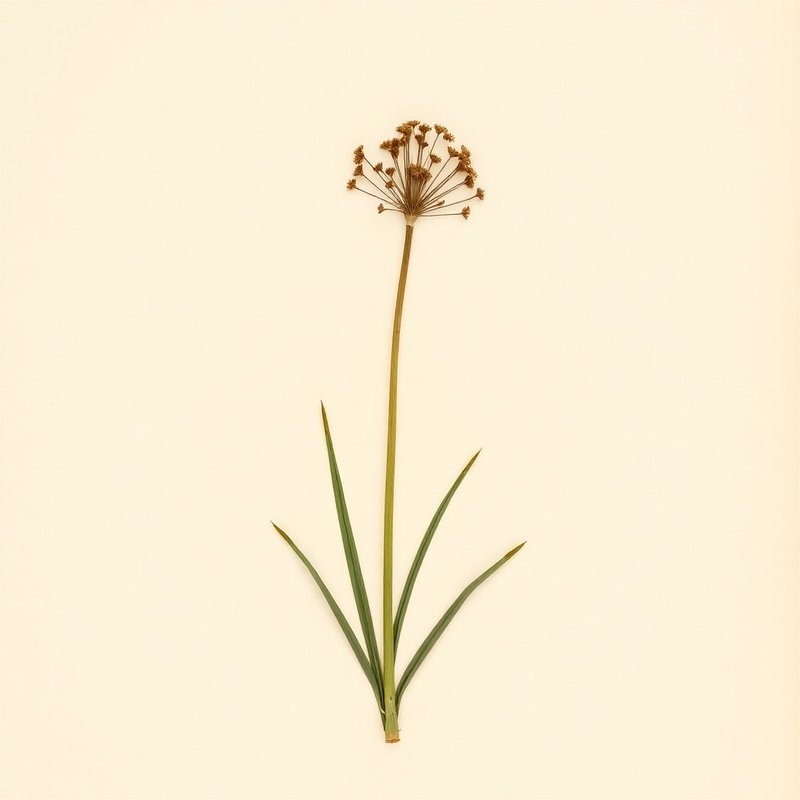
Largeflower Wild Onion (Allium macropetalum) is a flowering forb or herb native to the southwestern United States and northwestern Mexico, specifically found in Arizona, Colorado, New Mexico, Texas, and Utah. This plant thrives in full sun and prefers moist, well-drained soil that is light (sandy) or medium, making it adaptable to various growing conditions. Known for its edible parts—flowers, leaves, and roots—it has been utilized by local communities for centuries. The leaves can be used fresh in salads or cooked as a vegetable, while the flowers can be added to salads or consumed raw. Roots can be dug up and prepared by boiling or roasting before consumption. One distinctive feature of Largeflower Wild Onion is its larger-than-average flowers, which make it a notable ornamental addition to native gardens. Additionally, it has been traditionally used in Native American medicine for digestive issues such as bloating and indigestion. A decoction of the leaves or roots may help alleviate these symptoms. While the plant is safe for consumption, it is important to note that medicinal uses should be approached with caution and under professional guidance.
What is Largeflower Wild Onion?
Largeflower Wild Onion (Allium macropetalum) is a flowering forb or herb native to the southwestern United States and northwestern Mexico, specifically found in Arizona, Colorado, New Mexico, Texas, and Utah.
What is Largeflower Wild Onion used for?
Traditionally used for digestion. Each claim is evidence-rated — see Section II for full citations.
IIBenefits & evidence
1 claim · traditional-use context
Benefits & evidence
1 claim · traditional-use context- Allium species, including Largeflower Wild Onion, have been traditionally used in Native American medicine for digestive issues such as bloating and indigestion. A decoction of the leaves or roots may help alleviate these symptoms.
The mechanism involves sulfur compounds like allicin which stimulate gastric juice secretion and improve digestion. However, specific mechanisms for Largeflower Wild Onion are not fully characterised.
▲ ModerateDigestion →
IV·bMixology suggestions
1 draft
Mixology suggestions
1 draftVCultivation
Cultivation
How to grow Largeflower Wild Onion for the first time
Start with Largeflower Wild Onion to gain experience in growing wildflowers and herbs.
- 1
What you'll need
Seeds or small plants, a garden trowel, mulch.
- 2
Best time to plant
Plant seeds in spring after the last frost or in fall before the first freeze.
- 3
Soil and container prep
Choose a location with well-draining soil that is light (sandy) to medium. Ensure full sun exposure.
- 4
Sowing or transplanting
Direct sow seeds 0.5 cm deep, spacing them about 15 cm apart. Transplant young plants if needed.
- 5
First two weeks
Keep the soil moist but not waterlogged during germination and early growth.
- 6
Ongoing care
Water regularly to maintain moisture levels, especially in dry spells. Mulch around the base for added moisture retention.
- 7
Harvest or pruning
Prune dead leaves and spent flowers to encourage new growth and a tidy appearance.
- 8
Common mistakes
Overwatering, planting too deep, neglecting mulching, not providing enough sunlight.
VIEdible & utility
Edible & utility
VIIDistribution
6 native · 0 introduced
Distribution
6 native · 0 introducedIXSpecimen gallery
1 image
Specimen gallery
1 imageXSee also
8 related
See also
8 relatedPlants you might compare or use together — scored by shared family (Liliaceae), common use cases, and growing requirements.



Explore further
About this entry
- Last updated
- Citation
- How to cite this entry · Submit a correction
Continue reading
Get archive updates
Occasional email when substantial new content lands — plant profiles, seasonal growing notes, folk-remedy additions. Free, no tracking, unsubscribe anytime.