
Allium scorodoprasum
Allium scorodoprasumfam. Liliaceae
Educational content — not medical, botanical, or professional advice. Always consult a qualified clinician before using any herbal preparation — especially during pregnancy, breastfeeding, while on medication, or for children. How we source & review →
Garden journal pausedUse profile notes below
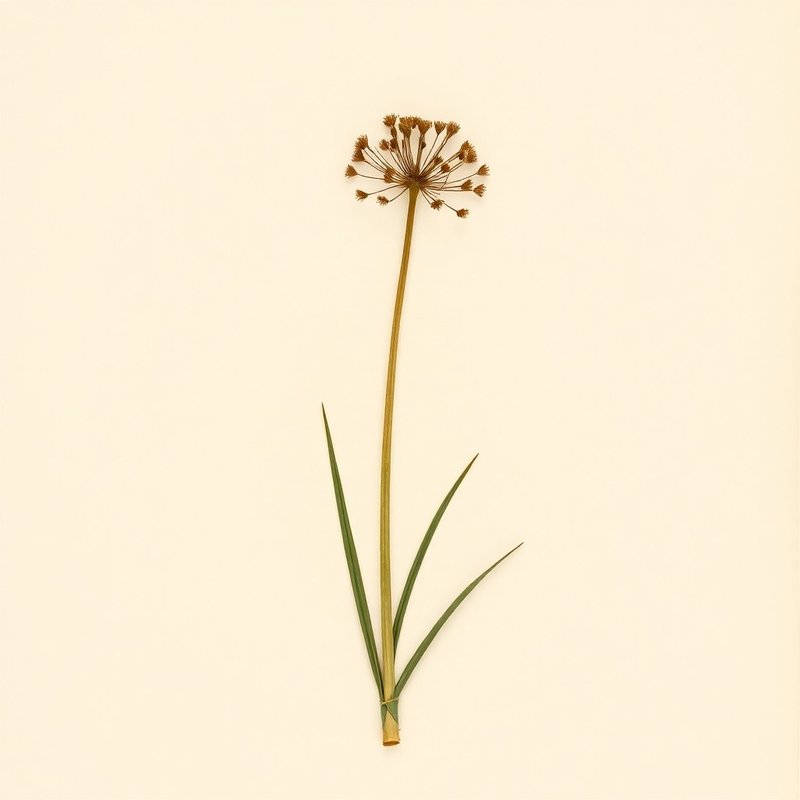
Pl. 09D0 — Allium scorodoprasum
Allium scorodoprasumAllium scorodoprasumAllium scorodoprasumAllium scorodoprasumAllium scorodoprasumAllium scorodoprasumAllium scorodoprasumAllium scorodoprasumAllium scorodoprasumAllium scorodoprasumAllium scorodoprasumAllium scorodoprasumAllium scorodoprasumAllium scorodoprasum
IOverview
Overview
Allium scorodoprasum, a member of the Alliaceae family, is native to a wide range of countries including Austria, Baltic States, Belarus, Bulgaria, and many others. This plant is known for its edible and medicinal properties, with its leaves, flowers, and roots being commonly consumed. The plant thrives in light (sandy) and medium soil, with a pH between 7 and 7.5, making it adaptable to various environments within its native habitat. Its hardiness ranges from zones 6 to 9, allowing for growth in diverse climates. The plant is characterized by its ability to grow in both dry and moist conditions, making it versatile in its growing context. Allium scorodoprasum reaches a height of 0.6 meters and is a forb/herb, adding a mild onion flavor to dishes when prepared. It is native to regions such as Austria, Baltic States, Belarus, Bulgaria, and more, and has been introduced to Michigan and South Australia. While the plant is edible and has medicinal uses, it is important to use caution and seek professional guidance when considering its medicinal properties.
Quick answers
What is Allium scorodoprasum?
Allium scorodoprasum, a member of the Alliaceae family, is native to a wide range of countries including Austria, Baltic States, Belarus, Bulgaria, and many others. This plant is known for its edible and medicinal properties, with its leaves, flowers, and roots being commonly consumed.
IV·bMixology suggestions
2 drafts
Mixology suggestions
2 draftsEditorial drafts. These pairings are AI-suggested from traditional herbal lore. Always verify with a qualified herbalist before brewing.
Digestive Harmony
digestiontincture
Traditionally used to aid digestion.
Skin Soother
skindecoction
Historically used for skin conditions.
Growingconditions · propagation · uses
VCultivation
Cultivation
Allium scorodoprasum thrives in light to partial shade and prefers well-drained, slightly alkaline soil with a pH between 7 and 7.5. It is hardy in temperate regions, with a hardiness zone of 6-9. The plant requires dry to moist conditions and can tolerate light (sandy) to medium soil. For best results, plant the edible parts—flowers, leaves, and roots—in a location that receives moderate sunlight. Regular watering is necessary, especially during dry periods, to maintain moisture levels. Harvest the plant when it reaches a height of about 0.6 meters.
Light
7/10
Water
Dry, Moist
Soil
Light (sandy), Medium
Hardiness
6-9
Habit
Forb/herb
Mature size
0.6 m tall
Soil pH
7–7.5
For first-time growers
How to grow Allium scorodoprasum for the first time
7steps
Start with Skip by planting it in a well-prepared soil and following basic care instructions.
- 1
What you'll need
Skip bulbs, potting mix suitable for bulbs, a container or garden bed.
- 2
Best time to plant
Plant Skip in late summer or early fall for best results.
- 3
Soil and container prep
Use well-draining soil with a pH of 7-7.5, ensuring the container has drainage holes if needed.
- 4
Sowing or transplanting
Plant bulbs about 3 inches deep and 4-6 inches apart in the prepared soil.
- 5
First two weeks
Water sparingly to avoid rot, ensuring the soil is moist but not waterlogged.
- 6
Ongoing care
Keep the soil consistently moist during growth. Fertilize lightly once a month with bulb food.
- 7
Harvest or pruning
Prune dead leaves and flowers to maintain plant health, but avoid cutting back too much.
VIEdible & utility
Edible & utility
Edible parts:FlowersLeavesRoot
Edible uses: The Allium scorodoprasum is eaten in various forms. Its leaves, flowers, and roots are commonly consumed. The leaves can be used fresh or dried, while the flowers and roots are often cooked before eating. The plant's parts add a mild onion flavor to dishes when prepared.
Contextrange · companions · related
VIIDistribution
26 native · 2 introduced
Distribution
26 native · 2 introducedDistribution across2 continents· 26 native· 2 introduced
Europe18 regions
native (18)AustriaBelarusBulgariaDenmarkFinlandFranceGermanyGreeceHungaryItalyNetherlandsNorwayPolandRussiaSwedenSwitzerlandUkraineUnited Kingdom
Asia2 regions
native (2)PalestineTurkey
Broader regions
native:Baltic States, Czechoslovakia, Kriti, Lebanon-Syria
introduced:Michigan, South Australia
IXSpecimen gallery
1 image
Specimen gallery
1 imageXSee also
8 related
See also
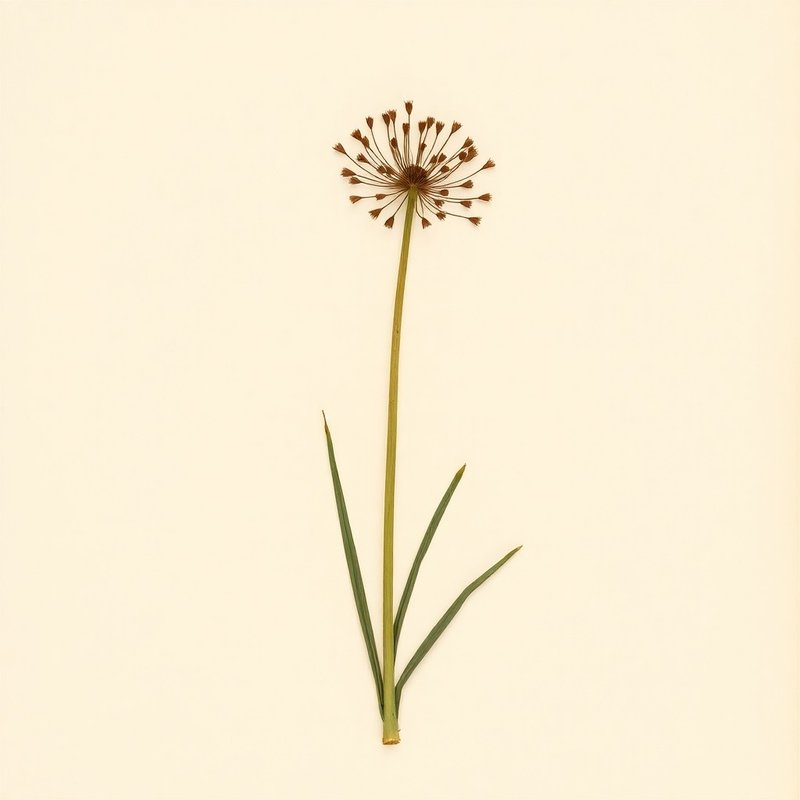
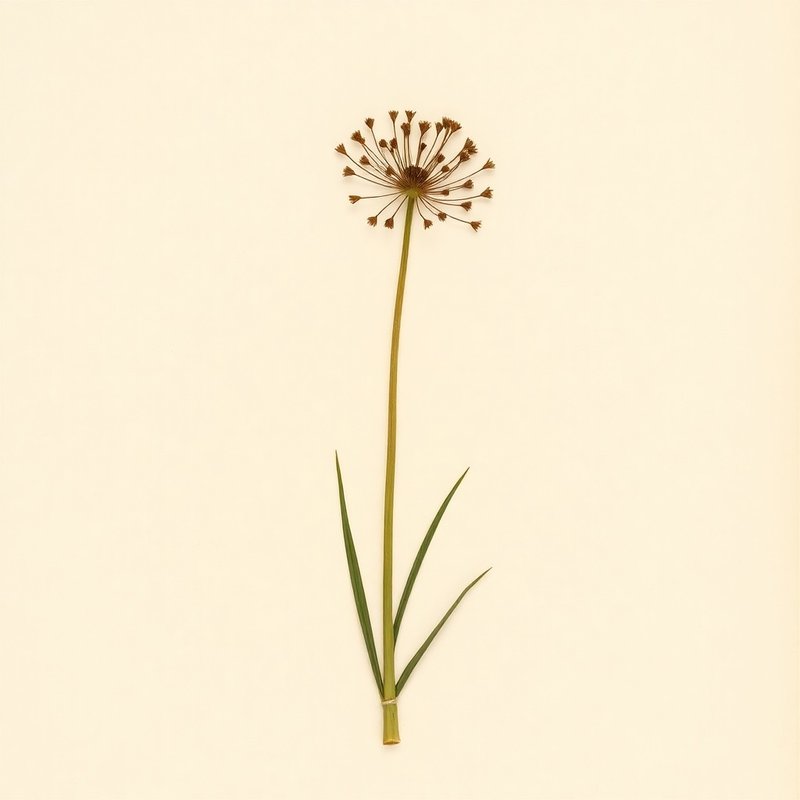
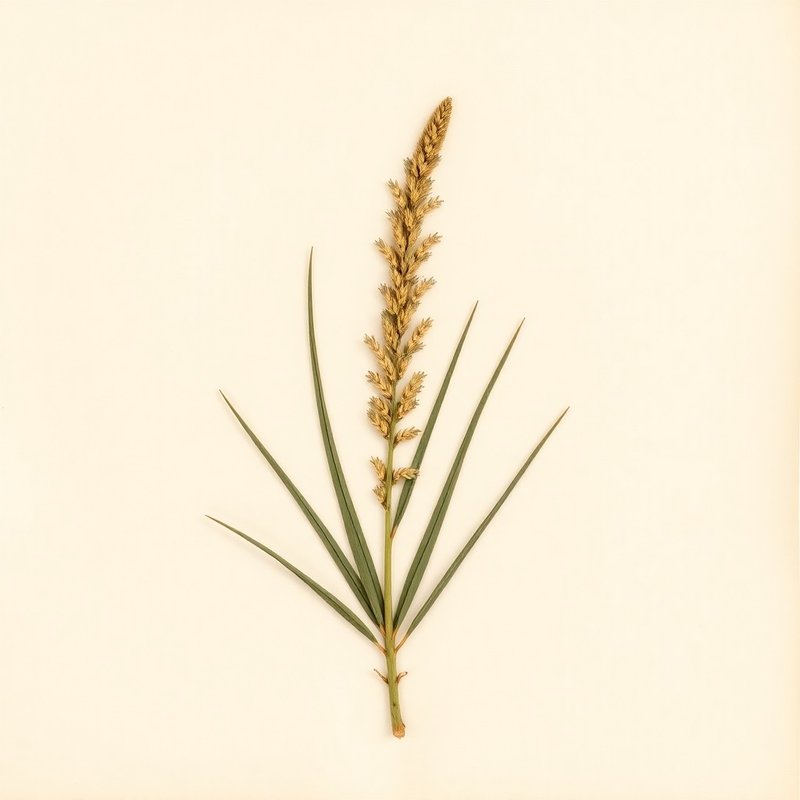
8 relatedPlants you might compare or use together — scored by shared family (Liliaceae), common use cases, and growing requirements.
same family · Liliaceae
Botanical relatives — often share phytochemistry + growing needs.


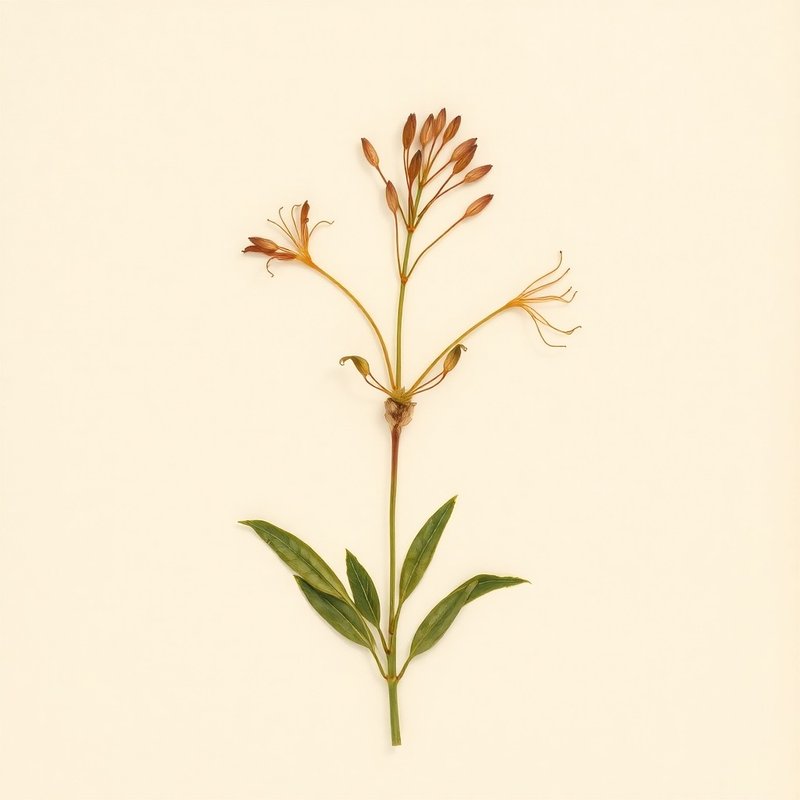
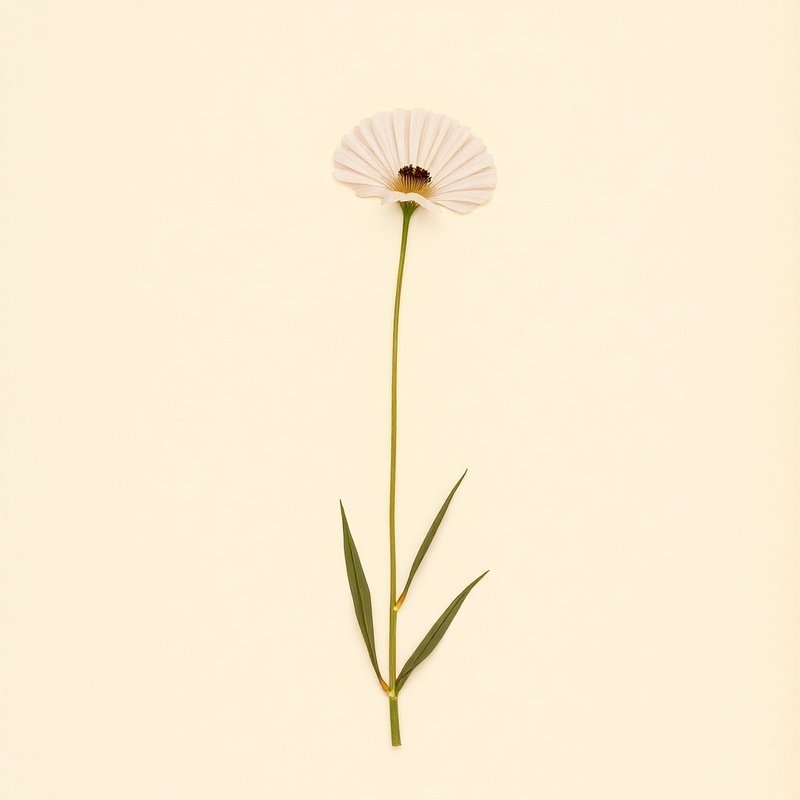
XI
Explore further
Companion planting
Compare with similar plants
Growing zone
Native to
XII
About this entry
- Last updated
- Citation
- How to cite this entry · Submit a correction
Back to the cataloguePlant id · 09d0f79c-3e21-4329-8330-29eb286cefe6
Decision aid
Choosing between Allium scorodoprasum and something else?
Continue reading
❦❦❦❦
Endpaper · archive updates
Get archive updates
Occasional email when substantial new content lands — plant profiles, seasonal growing notes, folk-remedy additions. Free, no tracking, unsubscribe anytime.
Newsletter returning soon.
We are rebuilding the update list around a lightweight editorial workflow. New dispatches will resume after the next content review cycle.