
Asparagus albus
Asparagus albusfam. Liliaceae
Educational content — not medical, botanical, or professional advice. Always consult a qualified clinician before using any herbal preparation — especially during pregnancy, breastfeeding, while on medication, or for children. How we source & review →
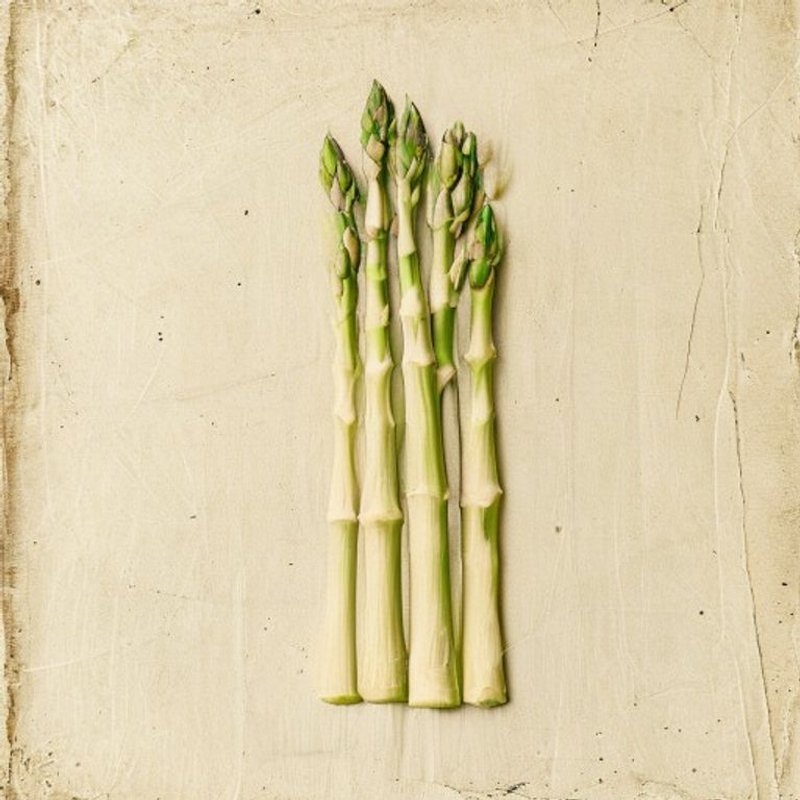
Pl. 7CBE — Asparagus albus
Asparagus albusAsparagus albusAsparagus albusAsparagus albusAsparagus albusAsparagus albusAsparagus albusAsparagus albusAsparagus albusAsparagus albusAsparagus albusAsparagus albusAsparagus albusAsparagus albus
IOverview
Overview
Asparagus albus, a perennial subshrub native to regions including Algeria, Baleares, Corse, France, Italy, Libya, Morocco, Portugal, and Spain, is known for its edible shoots and stems, as well as documented medicinal uses. This plant thrives in light (sandy), medium, or heavy (clay) soil with a pH of 7–7.5, making it adaptable to various growing conditions. Its light energy requirement of 6/10 indicates moderate sunlight needs, while its dry and moist soil preferences suggest flexibility in water management. Reaching heights of up to 1 meter, Asparagus albus is valued both for culinary purposes and traditional medicine.
Quick answers
What is Asparagus albus?
Asparagus albus, a perennial subshrub native to regions including Algeria, Baleares, Corse, France, Italy, Libya, Morocco, Portugal, and Spain, is known for its edible shoots and stems, as well as documented medicinal uses. This plant thrives in light (sandy), medium, or heavy (clay) soil with a pH of 7–7.
IV·bMixology suggestions
2 drafts
Mixology suggestions
2 draftsEditorial drafts. These pairings are AI-suggested from traditional herbal lore. Always verify with a qualified herbalist before brewing.
Gentle Digest
digestiontincture
Historically used for digestive support.
Growingconditions · propagation · uses
VCultivation
Cultivation
Asparagus albus thrives in light to partial sun, requiring about 6 out of 10 on the light scale. It prefers well-draining soils that are light (sandy), medium, or heavy (clay) with a pH between 7 and 7.5. The plant is drought-tolerant but benefits from moist soil during active growth. Hardy in temperate regions, it can be propagated through division of the roots. As a perennial subshrub reaching up to 1 meter in height, it produces edible shoots and stems that are best harvested after the third year. Regular watering and well-drained soil are key for successful cultivation.
Light
6/10
Water
Dry, Moist
Soil
Light (sandy), Medium, Heavy (clay)
Hardiness
7-10
Life cycle
Perennial
Habit
Subshrub
Mature size
1.0 m tall
Soil pH
7–7.5
For first-time growers
How to grow Asparagus albus for the first time
6steps
Start with planting Asparagus albus in a well-prepared soil to ensure successful growth and harvest.
- 1
What you'll need
A suitable location, seeds or young plants, garden fork, compost.
- 2
Best time to plant
Plant in early spring when the soil is workable.
- 3
Soil and container prep
Choose a well-draining spot with rich, slightly acidic soil (pH 7-7.5).
- 4
Sowing or transplanting
Transplant young plants in rows about 30 cm apart; cover roots with soil.
- 5
First two weeks
Water regularly to keep the soil moist but not waterlogged.
- 6
Ongoing care
Mulch around plants to retain moisture and suppress weeds. Prune old foliage in late winter.
VIEdible & utility
Edible & utility
Edible parts:ShootsStem
Edible uses: The shoots and stems of Asparagus albus are edible. Typically, they are prepared fresh, often eaten raw or lightly cooked in salads. Occasionally, they may be dried for later use. Skip the detailed preparation methods as per the given data.
Contextrange · companions · related
VIIDistribution
12 native · 0 introduced
Distribution
12 native · 0 introducedDistribution across2 continents· 12 native
Europe4 regions
native (4)FranceItalyPortugalSpain
Africa4 regions
native (4)AlgeriaLibyaMoroccoTunisia
IXSpecimen gallery
1 image
Specimen gallery
1 imageXSee also
8 related
See also
8 relatedPlants you might compare or use together — scored by shared family (Liliaceae), common use cases, and growing requirements.
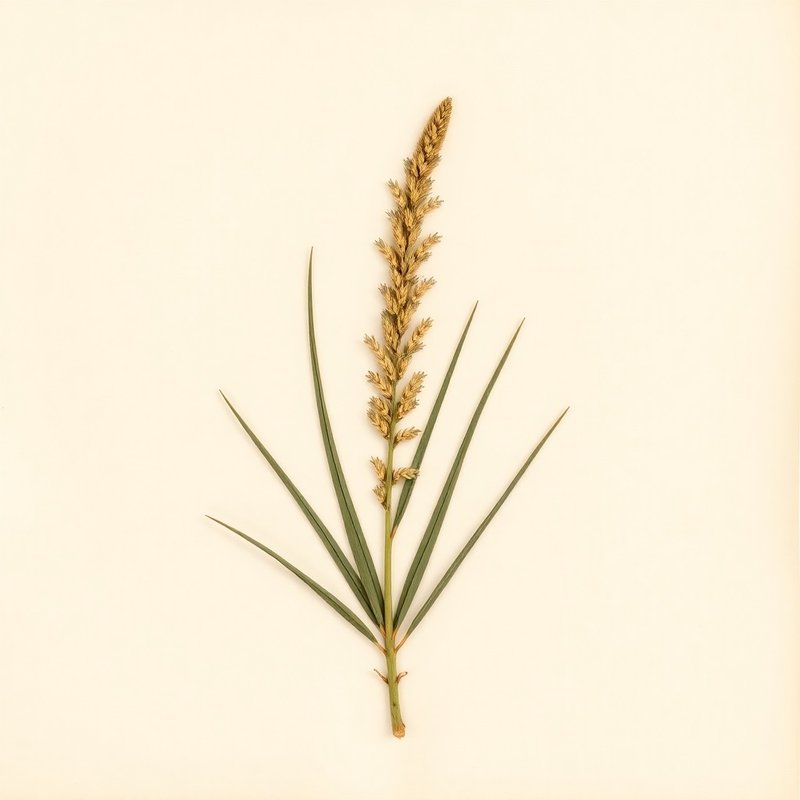
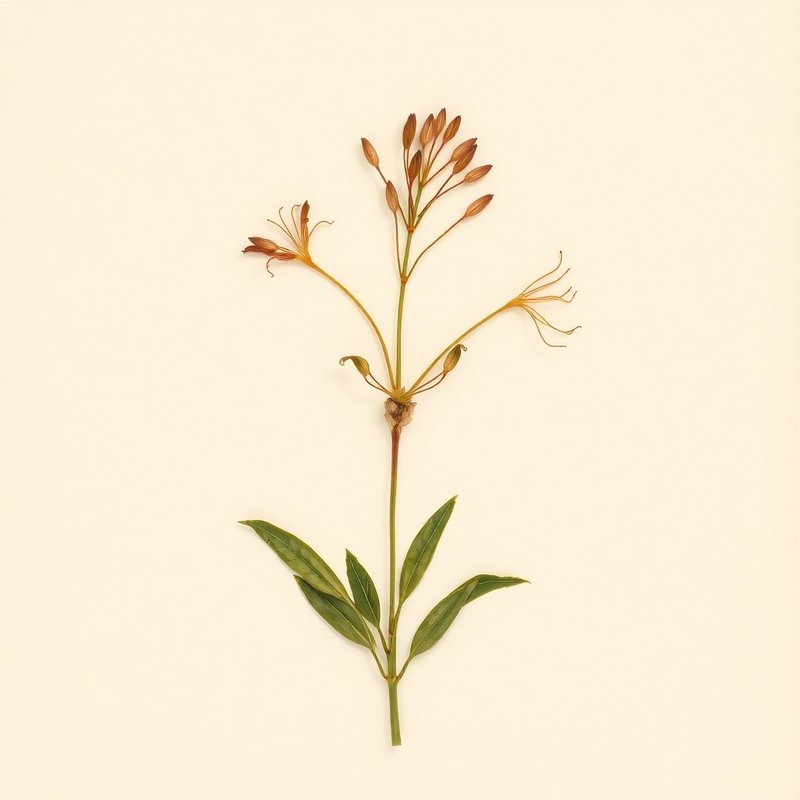
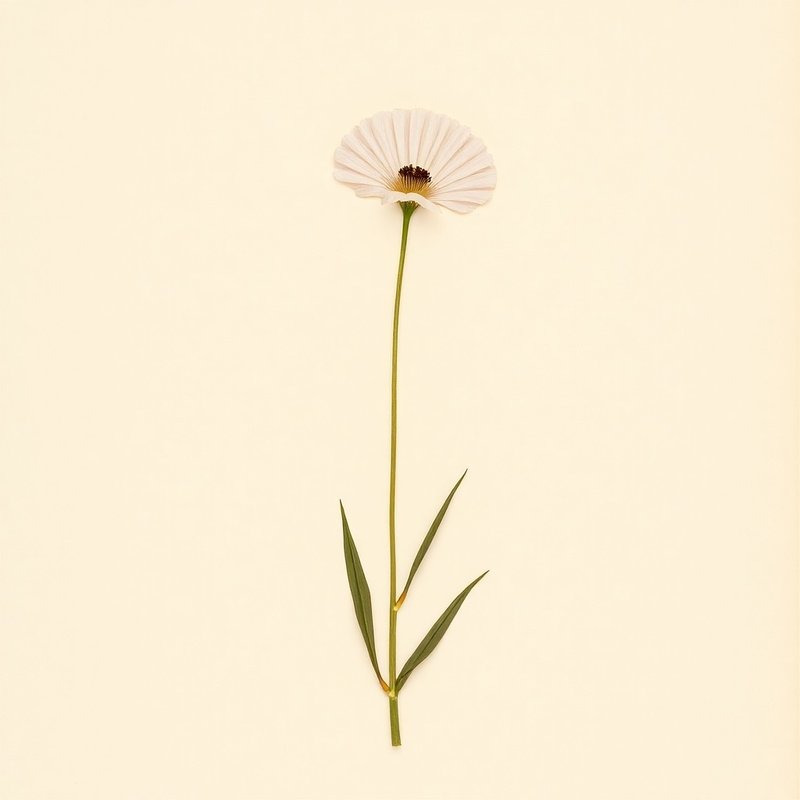
same family · Liliaceae
Botanical relatives — often share phytochemistry + growing needs.


XI
Explore further
Companion planting
Compare with similar plants
Growing zone
XII
About this entry
- Last updated
- Citation
- How to cite this entry · Submit a correction
Back to the cataloguePlant id · 7cbe0e6d-0737-408a-88fc-c871deaad6a8
Decision aid
Choosing between Asparagus albus and something else?
Continue reading
❦❦❦❦
Endpaper · archive updates
Get archive updates
Occasional email when substantial new content lands — plant profiles, seasonal growing notes, folk-remedy additions. Free, no tracking, unsubscribe anytime.