
Bai Zhi
Angelica dahuricafam. Apiaceae
Educational content — not medical, botanical, or professional advice. Always consult a qualified clinician before using any herbal preparation — especially during pregnancy, breastfeeding, while on medication, or for children. How we source & review →
Garden journal pausedUse profile notes below
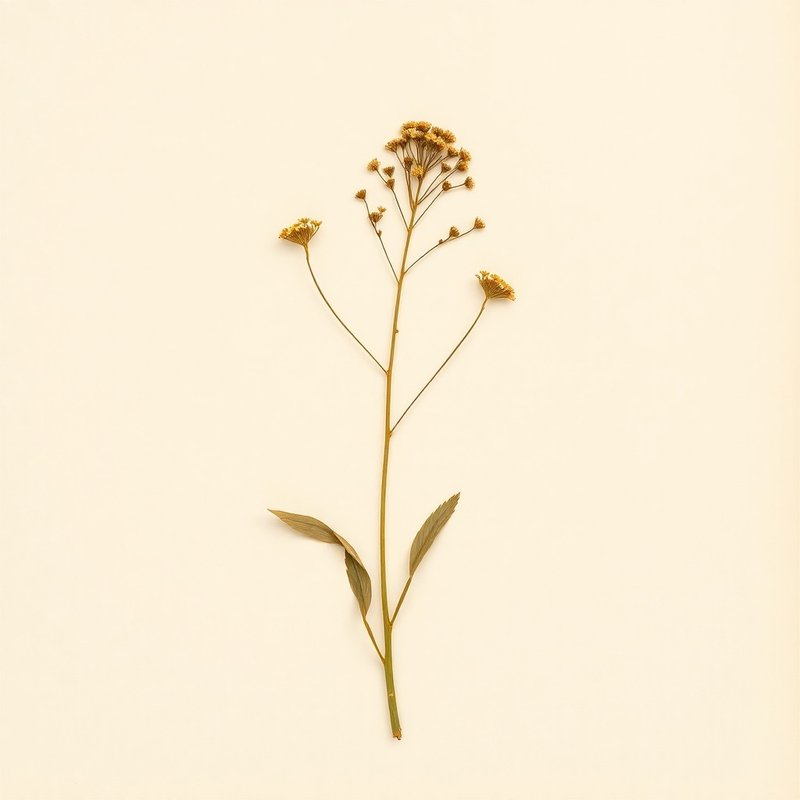
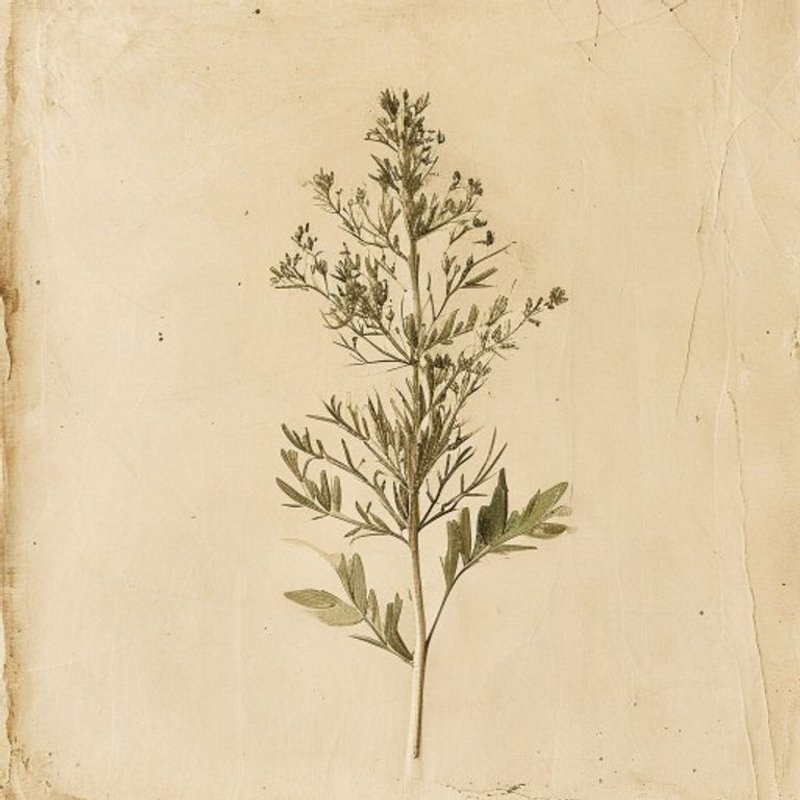
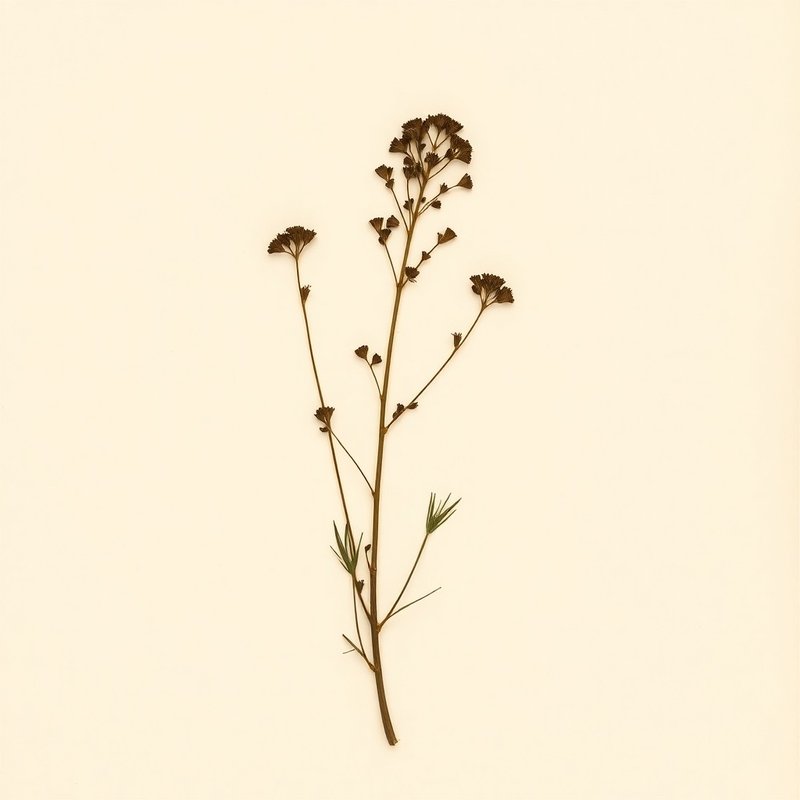
Pl. 90BE — Angelica dahurica
Angelica dahuricaAngelica dahuricaAngelica dahuricaAngelica dahuricaAngelica dahuricaAngelica dahuricaAngelica dahuricaAngelica dahuricaAngelica dahuricaAngelica dahuricaAngelica dahuricaAngelica dahuricaAngelica dahuricaAngelica dahurica
IOverview
Overview
Bai Zhi, scientifically known as Angelica dahurica, is a biennial or perennial plant native to regions including Amur, Buryatiya, China North-Central, Chita, Irkutsk, Japan, Khabarovsk, Korea, Manchuria, Mongolia, Primorye, Taiwan, and Yakutskiya. This member of the Apiaceae family thrives in moist conditions with partial to full sun exposure, growing up to 1.8 meters tall. Bai Zhi is both edible and medicinal, with its leaves being a common part used for consumption. The plant's adaptability to various soil types—light (sandy), medium, or heavy (clay)—and its presence in diverse climates make it an interesting subject for botanical study. Its distinctive feature lies in its wide range of uses, contributing to both culinary and traditional medicine practices. In the kitchen, the leaves of Bai Zhi can be consumed fresh or cooked, often added to stir-fries or soups to add a mild flavor. The plant's adaptability to various growing conditions and its native range across East Asia and parts of Russia make it a valuable addition to gardens and culinary practices. While primarily used for its culinary benefits, Bai Zhi also has a long history of use in traditional medicine, though its specific medicinal properties and uses should be approached with caution and under professional guidance.
Quick answers
What is Bai Zhi?
Bai Zhi, scientifically known as Angelica dahurica, is a biennial or perennial plant native to regions including Amur, Buryatiya, China North-Central, Chita, Irkutsk, Japan, Khabarovsk, Korea, Manchuria, Mongolia, Primorye, Taiwan, and Yakutskiya.
IV·bMixology suggestions
1 draft
Mixology suggestions
1 draftEditorial drafts. These pairings are AI-suggested from traditional herbal lore. Always verify with a qualified herbalist before brewing.
Respiratory Relief
respiratorytincture
Traditional use for respiratory issues.
Growingconditions · propagation · uses
VCultivation
Cultivation
Bai Zhi thrives in full to partial sun and prefers moist soil that is light (sandy), medium, or heavy (clay). It can grow up to 1.8 meters tall and is both biennial and perennial. The plant is hardy in temperate regions and grows well in areas like Amur, Buryatiya, China North-Central, Chita, Irkutsk, Japan, Khabarovsk, Korea, and Taiwan. For propagation, it can be grown from seeds or divided roots. Harvest its edible leaves for use in cooking.
Light
Full sun, Partial sun/shade
Water
Moist
Soil
Light (sandy), Medium, Heavy (clay)
Life cycle
Biennial, Perennial
Mature size
1.8 m tall
For first-time growers
How to grow Bai Zhi for the first time
8steps
Start with planting Bai Zhi in a sunny spot and follow these simple steps for success.
- 1
What you'll need
Bai Zhi seeds or young plants, garden soil, a trowel.
- 2
Best time to plant
Plant in early spring or late summer when the weather is cooler.
- 3
Soil and container prep
Choose a location with well-draining soil that's light (sandy), medium, or heavy (clay).
- 4
Sowing or transplanting
Direct sow seeds 1-2 cm deep. For transplants, space young plants about 30 cm apart.
- 5
First two weeks
Keep the soil moist and mulch lightly to retain moisture and suppress weeds.
- 6
Ongoing care
Water regularly but avoid overwatering. Fertilize sparingly with compost if needed.
- 7
Harvest or pruning
Prune dead leaves in late winter before new growth starts to maintain plant health.
- 8
Common mistakes
Overwatering, planting too deep, neglecting mulching, not providing enough light, and using chemical fertilizers.
VIEdible & utility
Edible & utility
Edible parts:Leaves
Edible uses: The leaves of Bai Zhi (Angelica dahurica) are edible and can be consumed fresh or cooked. They are often prepared in stir-fries or soups to add a mild flavor to dishes.
Contextrange · companions · related
VIIDistribution
13 native · 1 introduced
Distribution
13 native · 1 introducedDistribution across1 continent· 13 native· 1 introduced
Asia6 regions
native (5)ChinaJapanMongoliaSouth KoreaTaiwan
introduced (1)Vietnam
Broader regions
native:Amur, Buryatiya, Chita, Irkutsk, Khabarovsk, Primorye, Yakutskiya
IXSpecimen gallery
1 image
Specimen gallery
1 imageXSee also
8 related
See also
8 relatedPlants you might compare or use together — scored by shared family (Apiaceae), common use cases, and growing requirements.
same family · Apiaceae
Botanical relatives — often share phytochemistry + growing needs.
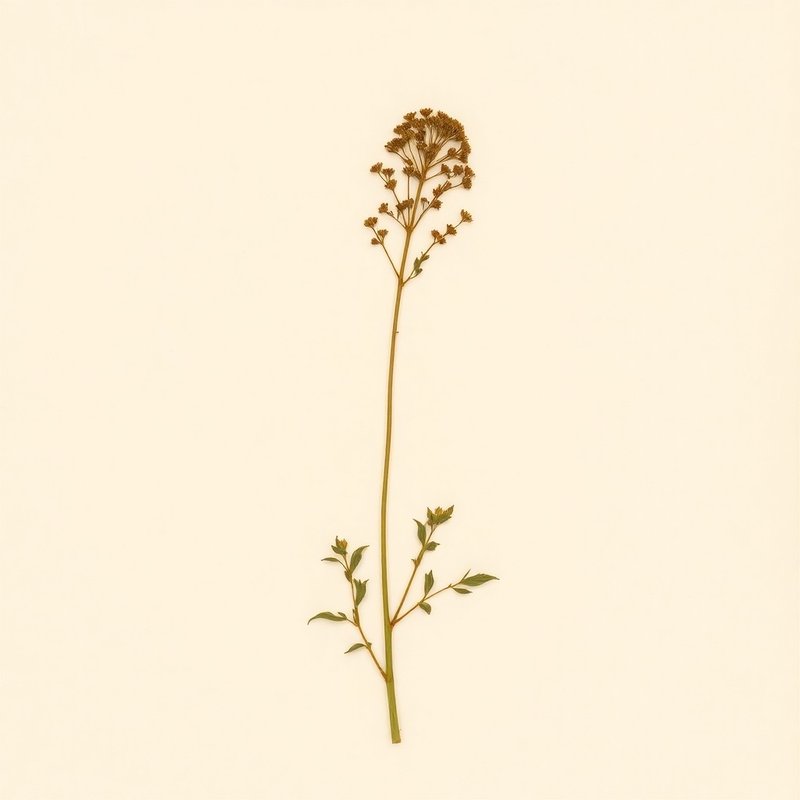
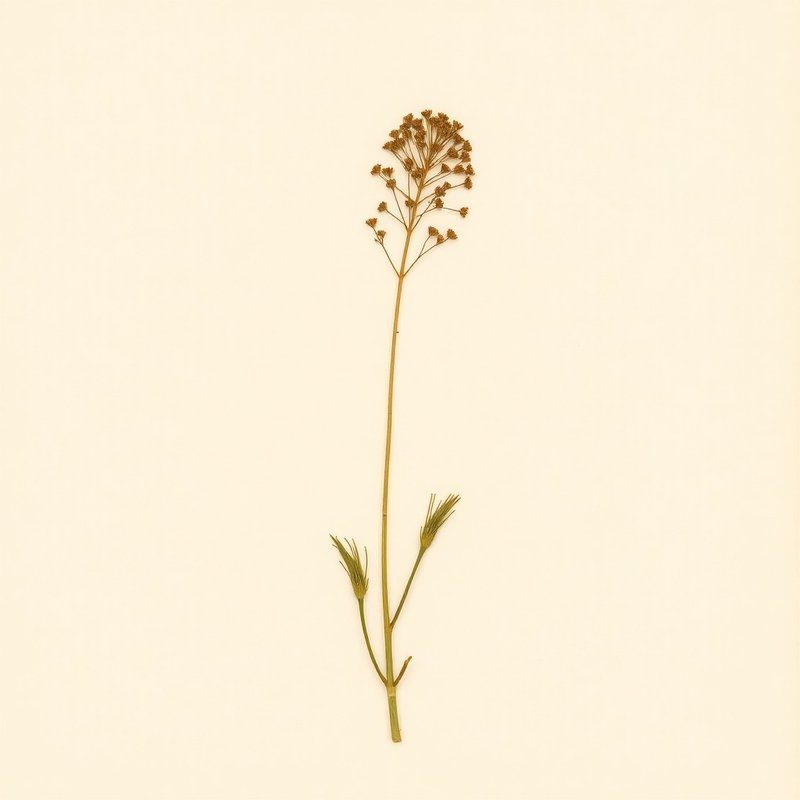
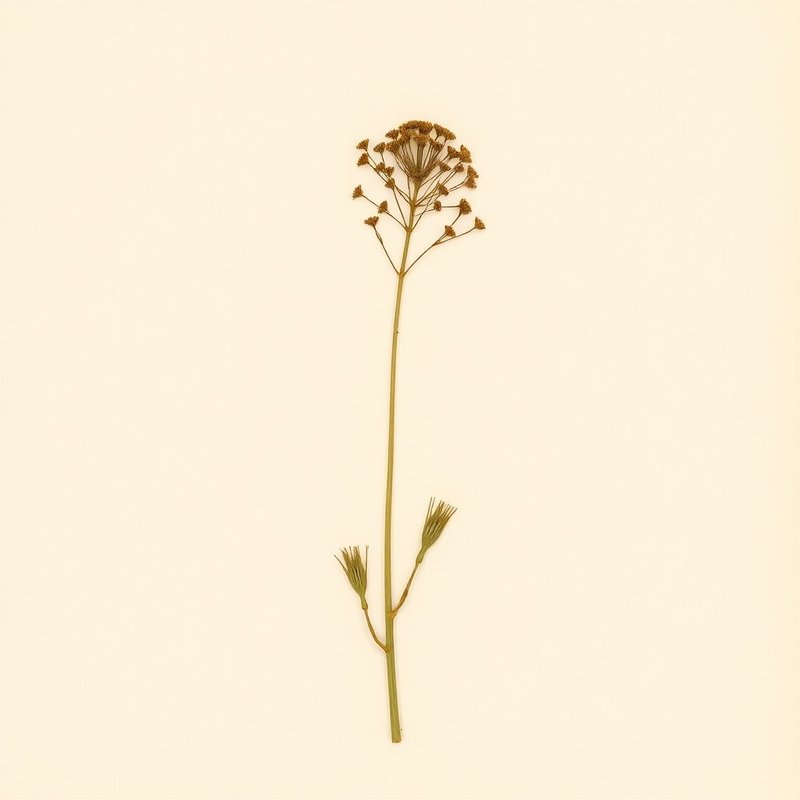
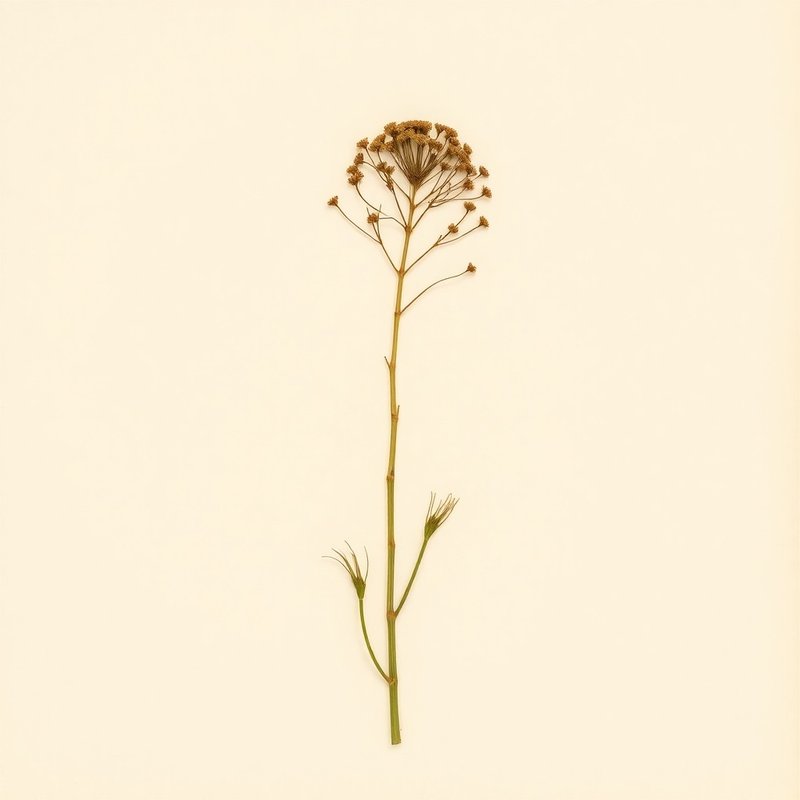
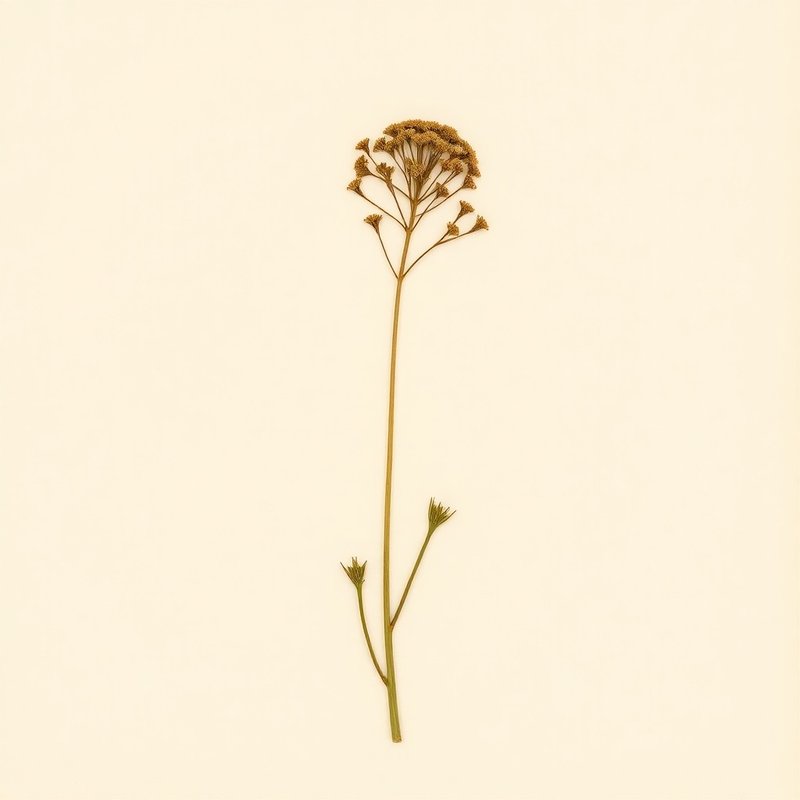
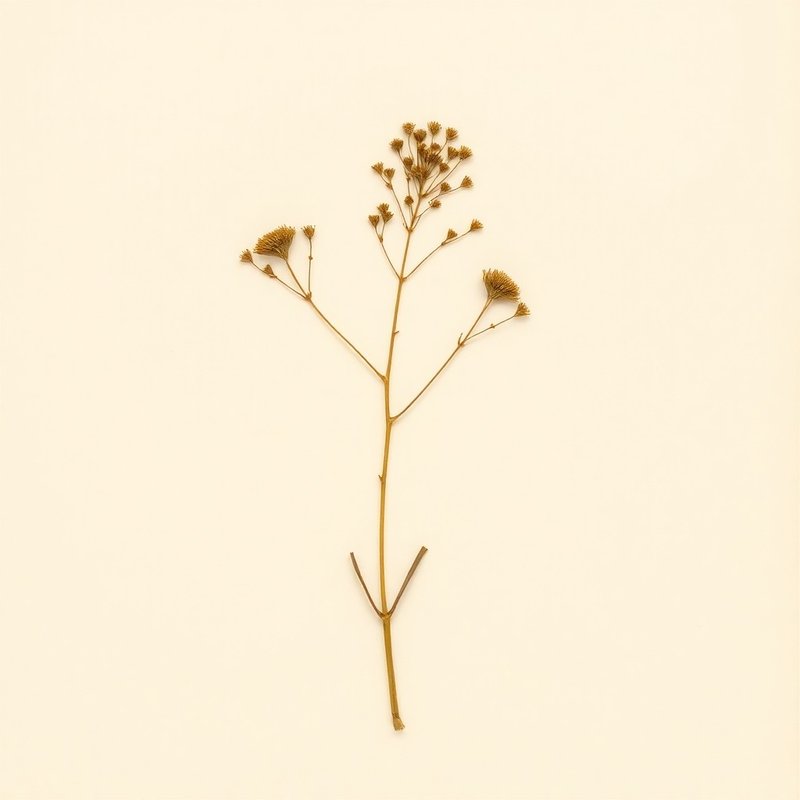
XI
Explore further
Companion planting
Compare with similar plants
Native to
XII
About this entry
- Last updated
- Citation
- How to cite this entry · Submit a correction
Back to the cataloguePlant id · 90be1d58-76b1-473f-9f60-f71004d0caa2
Decision aid
Choosing between Bai Zhi and something else?
Continue reading
❦❦❦❦
Endpaper · archive updates
Get archive updates
Occasional email when substantial new content lands — plant profiles, seasonal growing notes, folk-remedy additions. Free, no tracking, unsubscribe anytime.
Newsletter returning soon.
We are rebuilding the update list around a lightweight editorial workflow. New dispatches will resume after the next content review cycle.