
Snapdragon
Antirrhinum majusfam. Scrophulariaceae
Educational content — not medical, botanical, or professional advice. Plant identification, safety, and edibility depend on local conditions, cultivars, and correct identification. Consult a qualified botanist or forager before consuming or handling wild specimens. How we source & review →
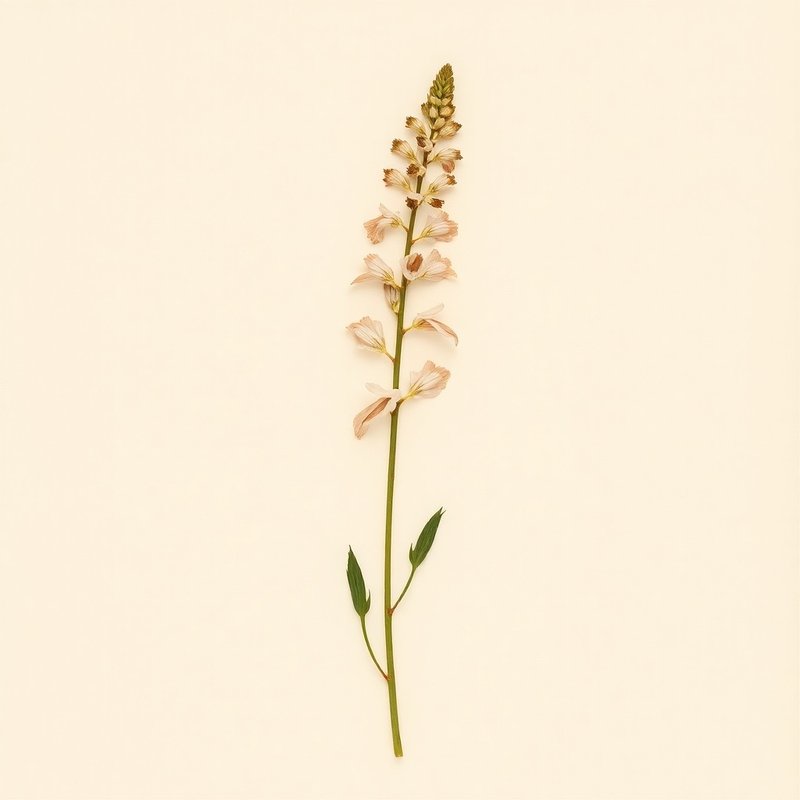
Pl. EAAF — Antirrhinum majus
Antirrhinum majusAntirrhinum majusAntirrhinum majusAntirrhinum majusAntirrhinum majusAntirrhinum majusAntirrhinum majusAntirrhinum majusAntirrhinum majusAntirrhinum majusAntirrhinum majusAntirrhinum majusAntirrhinum majusAntirrhinum majus
IOverview
Overview
Snapdragon (Antirrhinum majus) is a perennial forb or herb known for its ornamental value and edibility. Native to the Baleares, France, Portugal, and Spain, this plant thrives in dry to moist conditions with light to medium soil. It prefers a pH between 7 and 7.5 and can grow up to 1 meter tall. The flowers are edible, making snapdragon not only visually appealing but also useful for culinary purposes. One distinctive feature of the plant is its ability to mimic the action of a dragon's mouth when squeezed, earning it its common name.
Quick answers
What is Snapdragon?
Snapdragon (Antirrhinum majus) is a perennial forb or herb known for its ornamental value and edibility. Native to the Baleares, France, Portugal, and Spain, this plant thrives in dry to moist conditions with light to medium soil. It prefers a pH between 7 and 7.
Growingconditions · propagation · uses
VCultivation
Cultivation
Snapdragons (Antirrhinum majus) thrive in well-drained soils with a pH of 7-7.5 and prefer light to medium textures. They require moist but not overly dry conditions and full sun to partial shade. While hardy in temperate regions, they can be grown as perennials or annuals depending on climate. For propagation, seeds can be sown directly in the garden after the last frost, or start them indoors 6-8 weeks before planting outside. The plants grow up to 1 meter tall and are known for their edible flowers, making them a delightful addition to both culinary and ornamental gardens.
Light
5/10
Water
Dry, Moist
Soil
Light (sandy), Medium
Hardiness
5-10
Life cycle
Perennial
Habit
Forb/herb
Mature size
1.0 m tall
Soil pH
7–7.5
Seasonal calendar
Northern hemisphere · UTC month is September
winterspringsummerautumnwinter
BloomJFMAMJJASOND
For first-time growers
How to grow Snapdragon for the first time
8steps
Snapdragons are a great choice for beginners, offering vibrant colors and easy care.
- 1
What you'll need
Seeds or seedlings, small pots or garden space, compost, water.
- 2
Best time to plant
Plant in spring after the last frost or in autumn for a winter bloom.
- 3
Soil and container prep
Use well-draining soil with a pH of 7-7.5. Ensure containers have drainage holes.
- 4
Sowing or transplanting
Start seeds indoors about 6 weeks before the last frost, then transplant outdoors after danger of frost passes.
- 5
First two weeks
Water regularly to keep soil moist but not soggy. Protect from strong winds and direct sun.
- 6
Ongoing care
Provide consistent watering, especially during dry spells. Deadhead spent flowers for continuous bloom.
- 7
Harvest or pruning
Prune back after flowering to encourage new growth and prevent legginess.
- 8
Common mistakes
Overwatering, planting in heavy soil, neglecting deadheading, not providing enough sunlight, transplant shock from sudden temperature changes.
VIEdible & utility
Edible & utility
Edible parts:flowers
Edible uses: Oil
Other uses:Dyeoil
Contextrange · companions · related
VIIDistribution
4 native · 26 introduced
Distribution
4 native · 26 introducedDistribution across4 continents· 4 native· 26 introduced
Europe7 regions
native (3)FrancePortugalSpain
introduced (4)AustriaRussiaSpainUkraine
Asia1 region
introduced (1)India
Americas4 regions
introduced (4)Dominican RepublicGuatemalaHaitiJamaica
Africa1 region
introduced (1)Algeria
Broader regions
introduced:Alabama, British Columbia, California, Connecticut, District of Columbia, East Himalaya, East Aegean Is., Easter Is., Illinois, Iowa, Argentina Northeast, Juan Fernández Is., Kriti, Lebanon-Syria, Leeward Is., Louisiana
IXSpecimen gallery
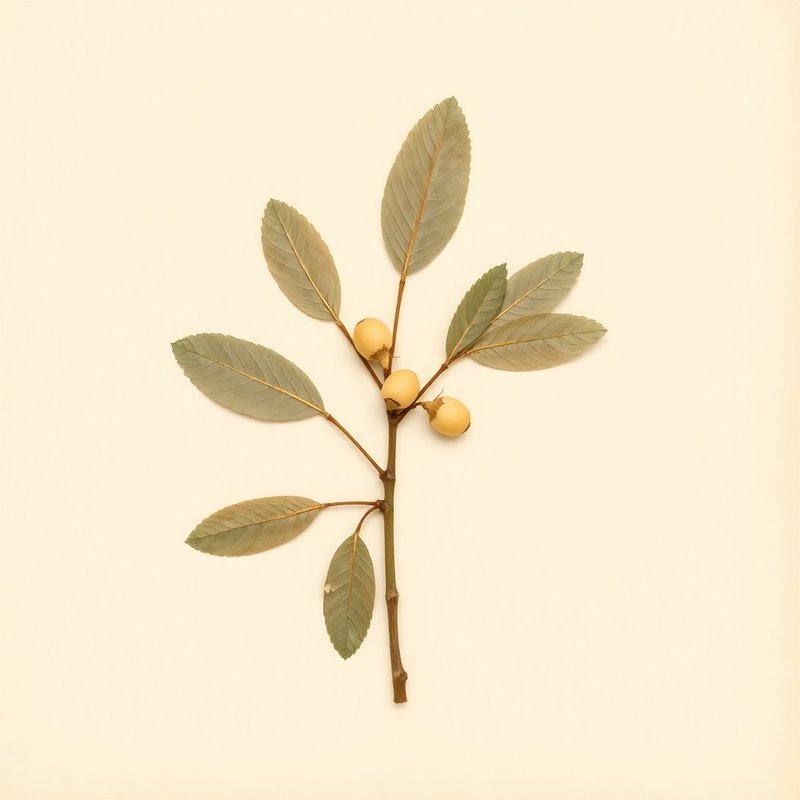
1 image
Specimen gallery
1 imageXSee also
8 related
See also
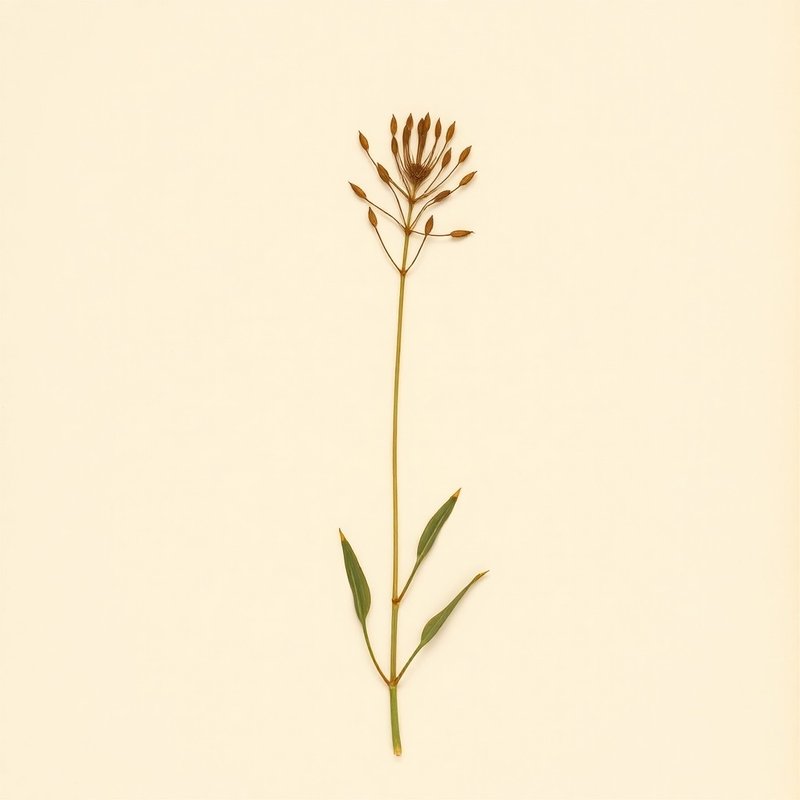
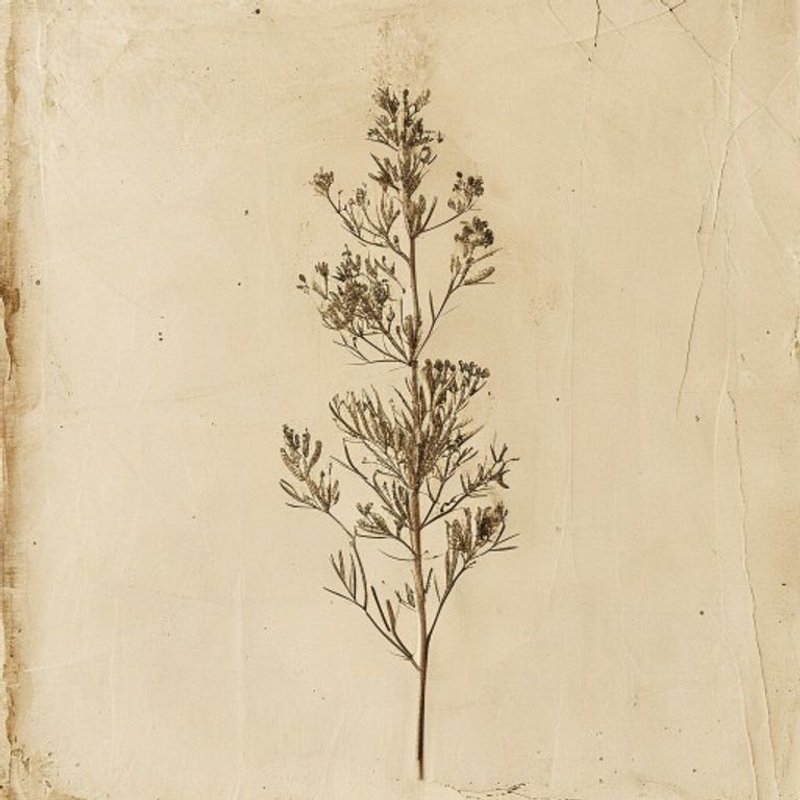
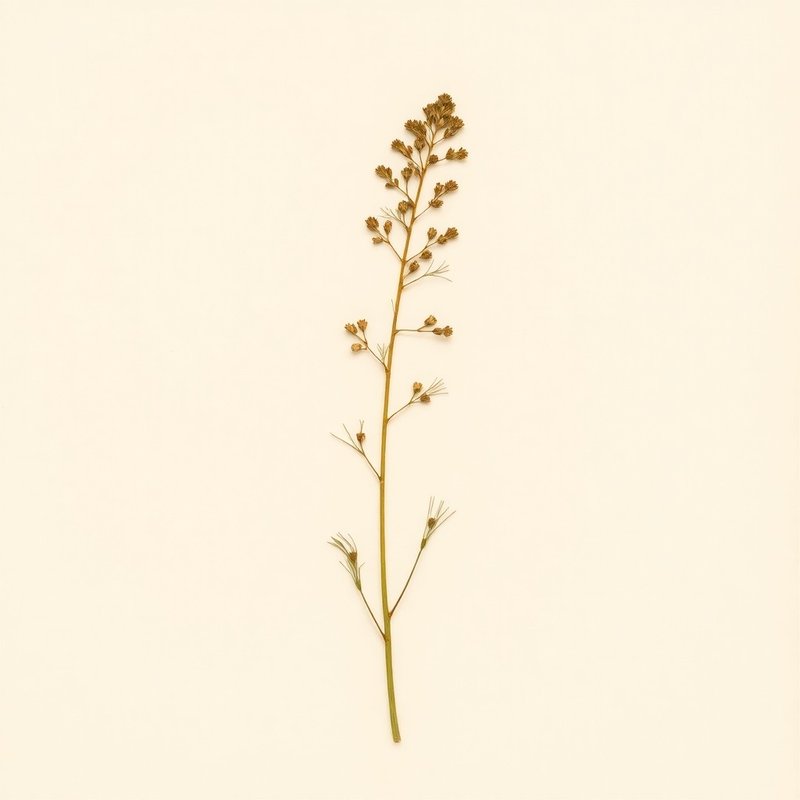
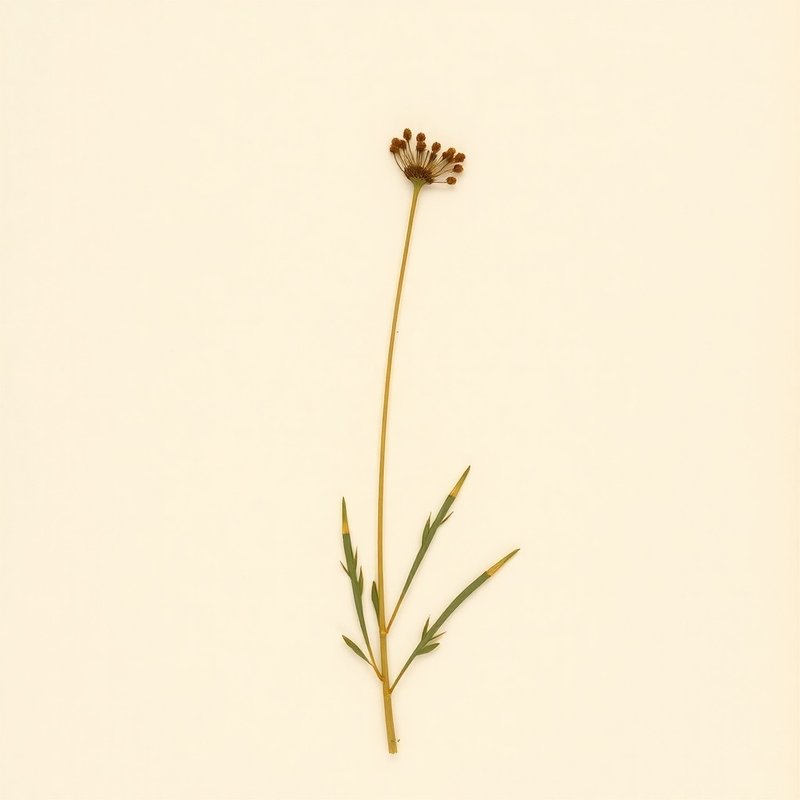
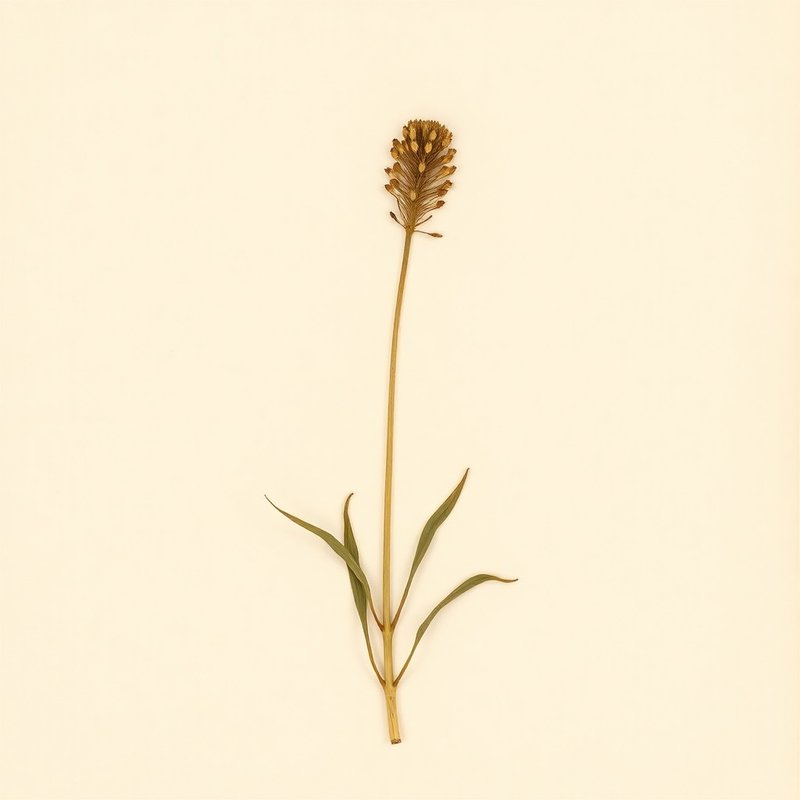
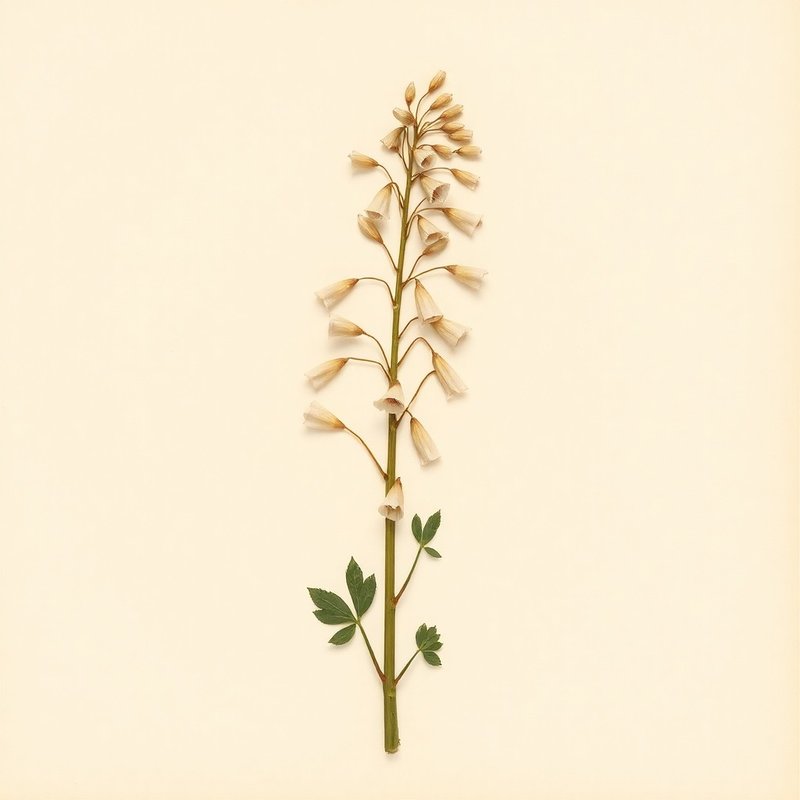
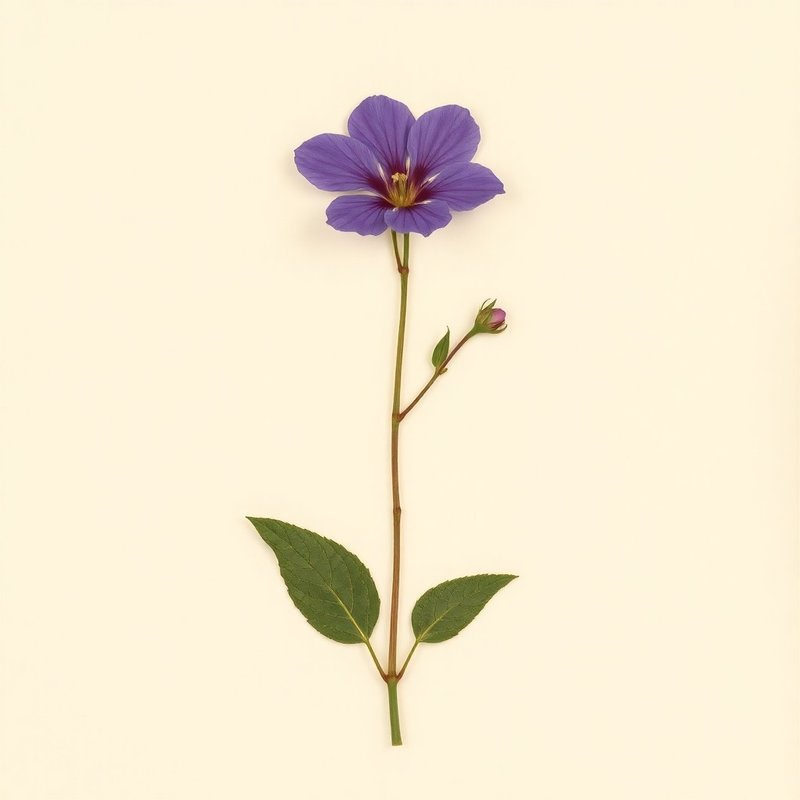
8 relatedPlants you might compare or use together — scored by shared family (Scrophulariaceae), common use cases, and growing requirements.
same family · Scrophulariaceae
Botanical relatives — often share phytochemistry + growing needs.
XI
Explore further
Companion planting
Compare with similar plants
Growing zone
XII
About this entry
- Last updated
- Citation
- How to cite this entry · Submit a correction
Back to the cataloguePlant id · eaaf5246-c634-4ae6-bcdf-3e08ad2e08a8
Decision aid
Choosing between Snapdragon and something else?
Continue reading
❦❦❦❦
Endpaper · archive updates
Get archive updates
Occasional email when substantial new content lands — plant profiles, seasonal growing notes, folk-remedy additions. Free, no tracking, unsubscribe anytime.