
Peanut
Arachis hypogaeafam. Fabaceae
Educational content — not medical, botanical, or professional advice. Plant identification, safety, and edibility depend on local conditions, cultivars, and correct identification. Consult a qualified botanist or forager before consuming or handling wild specimens. How we source & review →
Garden journal pausedUse profile notes below

Pl. 5EEE — Arachis hypogaea
Arachis hypogaeaArachis hypogaeaArachis hypogaeaArachis hypogaeaArachis hypogaeaArachis hypogaeaArachis hypogaeaArachis hypogaeaArachis hypogaeaArachis hypogaeaArachis hypogaeaArachis hypogaeaArachis hypogaeaArachis hypogaea
IOverview
Overview
Arachis hypogaea, commonly known as peanut or groundnut, is a herbaceous annual plant native to Bolivia. It thrives in full sun and requires moist soil that can be light (sandy), medium, or heavy (clay). The plant grows up to 0.3 meters tall and is well-suited for gardens with a hardiness zone of 7-10. For successful cultivation, direct seeding is recommended; however, if starting indoors, seedlings should be hardened off before transplanting once the soil temperature reaches 15-21°C. Edible parts include leaves, seeds, and seedpods, making it not only a valuable food source but also an interesting ornamental plant in gardens. Peanuts are widely cultivated across the globe, from Alabama to Zimbabwe, with their introduction into many regions such as Angola, Bangladesh, and Brazil. These leguminous plants serve multiple purposes; they produce oil, coffee substitutes, and contribute nitrogen to the soil through their root nodules. The peanut's adaptability has allowed it to thrive in diverse climates, making it a versatile crop for both commercial and home gardens. In addition to its culinary uses, peanuts are also valued as a biomass source and for their ability to fix nitrogen in the soil, benefiting other plants grown nearby. Their introduction into various regions has contributed significantly to agricultural diversity and food security worldwide. While not traditionally used medicinally, peanuts remain an essential part of many diets due to their nutritional value and versatility.
Quick answers
What is Peanut?
Arachis hypogaea, commonly known as peanut or groundnut, is a herbaceous annual plant native to Bolivia. It thrives in full sun and requires moist soil that can be light (sandy), medium, or heavy (clay). The plant grows up to 0.3 meters tall and is well-suited for gardens with a hardiness zone of 7-10.
Growingconditions · propagation · uses
VCultivation
Cultivation
Arachis hypogaea thrives in full sun and requires moist soil that can be light (sandy), medium, or heavy (clay). It is hardy in temperate regions with a recommended planting zone of 7-10. The plant grows to about 0.3 meters tall and is an annual forb/herb. For best results, direct seed the plant; if starting indoors, ensure the soil temperature reaches 15-21°C before transplanting hardened-off seedlings outdoors. Skip hardening off in regions with consistent warm temperatures. Enjoy its edible leaves, seeds, and seedpods once mature.
Light
Full sun
Water
Moist
Soil
Light (sandy), Medium, Heavy (clay)
Hardiness
7-10
Life cycle
Annual
Habit
Forb/herb
Mature size
0.3 m tall
- Propagation
- Direct seed. If planting indoors, harden seedlings off and transplant once soil is 15-21°C
- Row spacing
- 25 cm
For first-time growers
How to grow Peanut for the first time
8steps
Start with peanuts as a simple, rewarding project for beginners.
- 1
What you'll need
Peanut seeds, containers or garden space, potting mix if using containers.
- 2
Best time to plant
Plant outdoors after the last frost when soil temperatures are at least 15-21°C.
- 3
Soil and container prep
Use well-draining soil with a pH between 6.0 and 7.0; ensure containers are at least 30 cm deep.
- 4
Sowing or transplanting
Direct sow seeds 2-3 cm deep, spaced about 5 cm apart in rows 45 cm apart; if starting indoors, plant 4 weeks before the last frost.
- 5
First two weeks
Keep soil consistently moist and provide full sun exposure to help seedlings establish.
- 6
Ongoing care
Water regularly but avoid overwatering; apply a light mulch to retain moisture. Fertilize sparingly with compost.
- 7
Harvest or pruning
Prune any dead leaves and stems to encourage air circulation and prevent disease; harvest when pods turn brown and dry.
- 8
Common mistakes
Planting too early, overwatering, not providing enough sun, neglecting to cover the developing nuts underground.
VIEdible & utility
Edible & utility
Edible parts:LeavesSeedSeedpod
Edible uses: Oil, Coffee
Other uses:BiomassoilNitrogen fixer
Contextrange · companions · related
VIIDistribution
1 native · 101 introduced
Distribution
1 native · 101 introducedDistribution across4 continents· 1 native· 101 introduced
Europe4 regions
introduced (4)BelarusBulgariaRussiaUkraine
Asia19 regions
introduced (19)BangladeshChinaIndiaIraqKazakhstanLaosMongoliaMyanmarNepalPakistanPhilippinesSouth KoreaSri LankaTaiwanThailandTurkmenistanUzbekistanVietnamYemen
Americas5 regions
native (1)Bolivia
introduced (4)ColombiaEcuadorParaguayPeru
Africa32 regions
introduced (32)AngolaBeninBurkina FasoBurundiCameroonChadComorosCôte d'IvoireEritreaEthiopiaGabonGambiaGhanaGuineaGuinea-BissauLiberiaMalawiMaliMauritaniaMozambiqueNamibiaNigerNigeriaRwandaSenegalSierra LeoneSudanTanzaniaTogoUgandaZambiaZimbabwe
Broader regions
introduced:Alabama, Brazil North, Brazil Northeast, Brazil South, Brazil Southeast, Brazil West-Central, Caroline Is., Central African Repu, East Himalaya, Galápagos, Gulf of Guinea Is., Hainan, Illinois, Jawa, Kirgizstan, KwaZulu-Natal, Laccadive Is., Malaya, Marianas, Maryland, Mexico Southwest, New Guinea, Northern Provinces, Queensland, Santa Cruz Is., Society Is., Sumatera, Tadzhikistan, Transcaucasus, Trinidad-Tobago, West Himalaya, Western Australia, Zaïre
IXSpecimen gallery
1 image
Specimen gallery
1 imageXSee also
8 related
See also
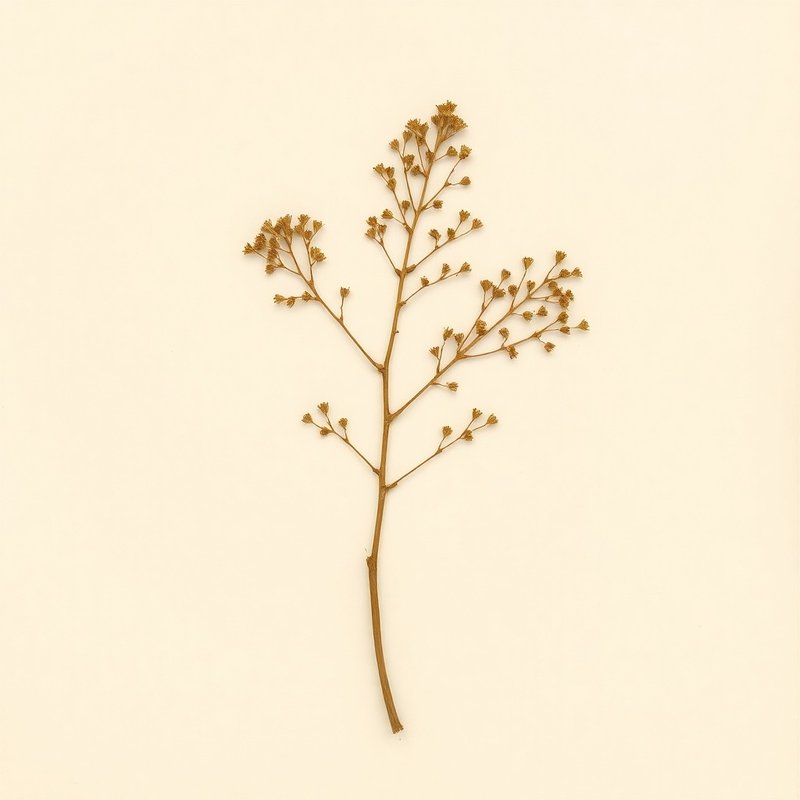
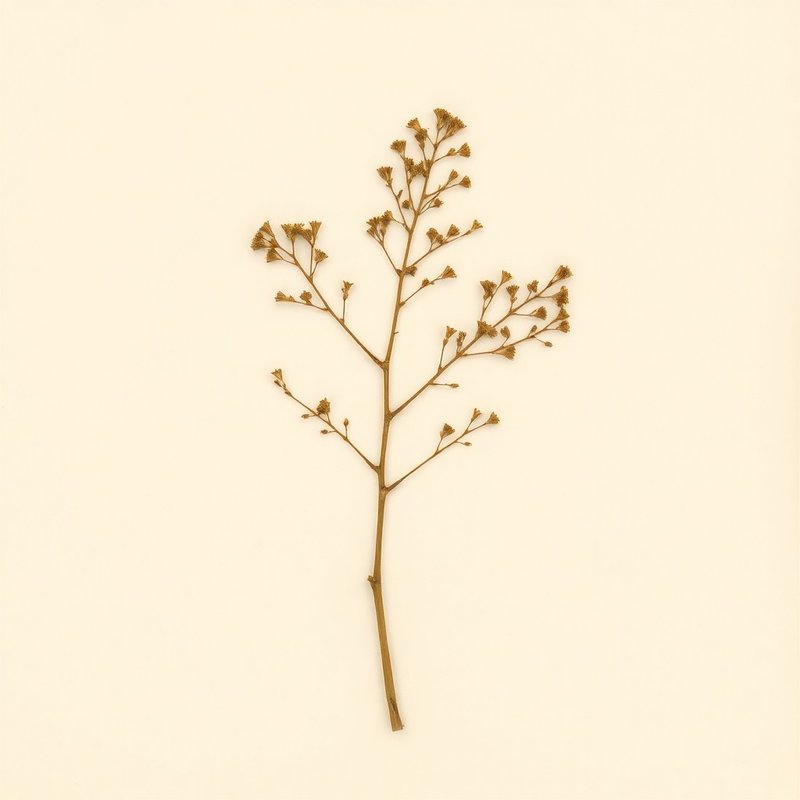
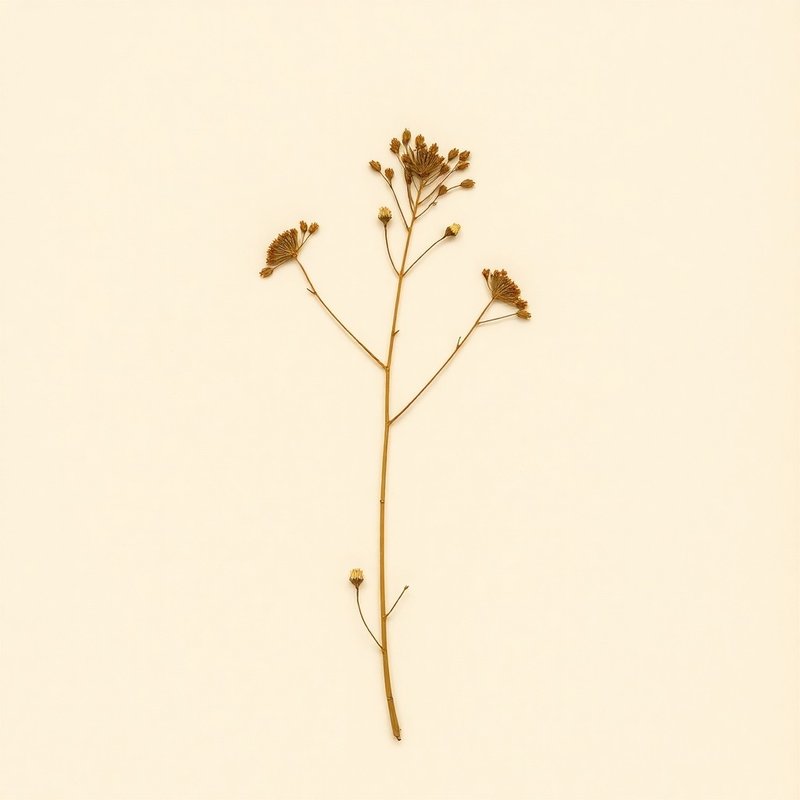
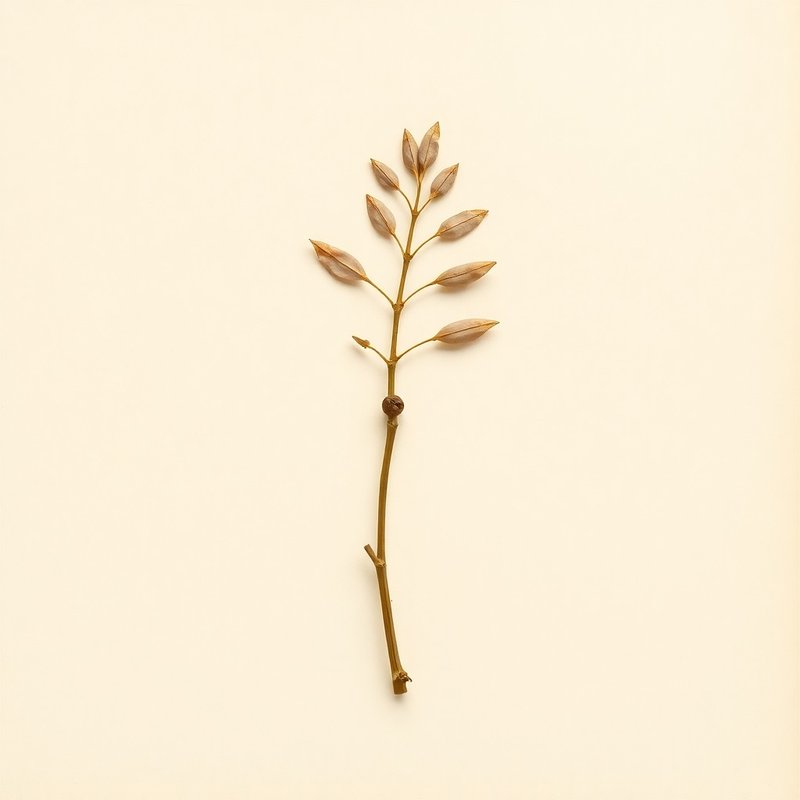
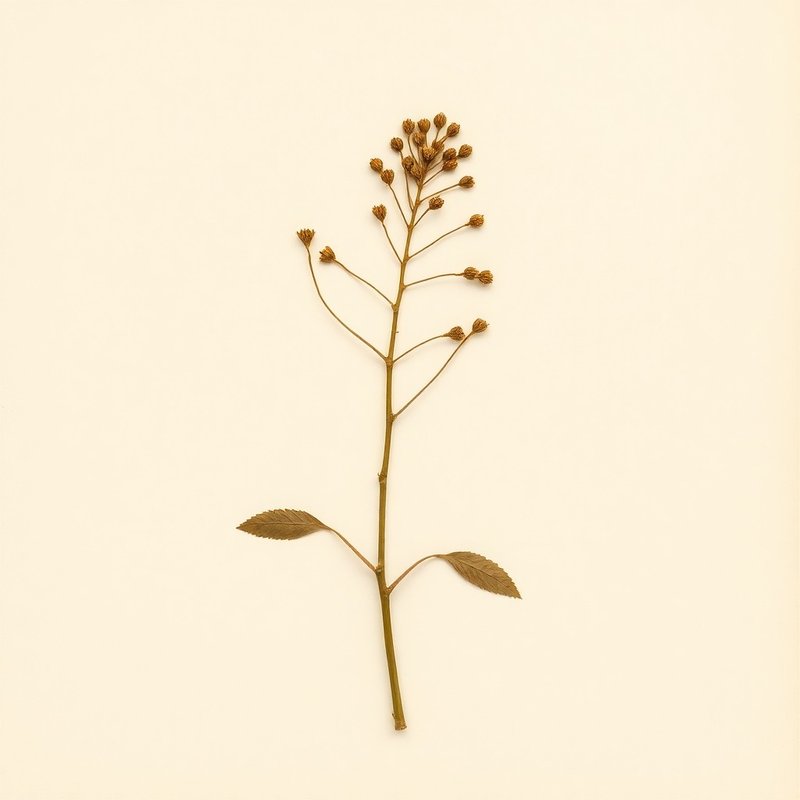
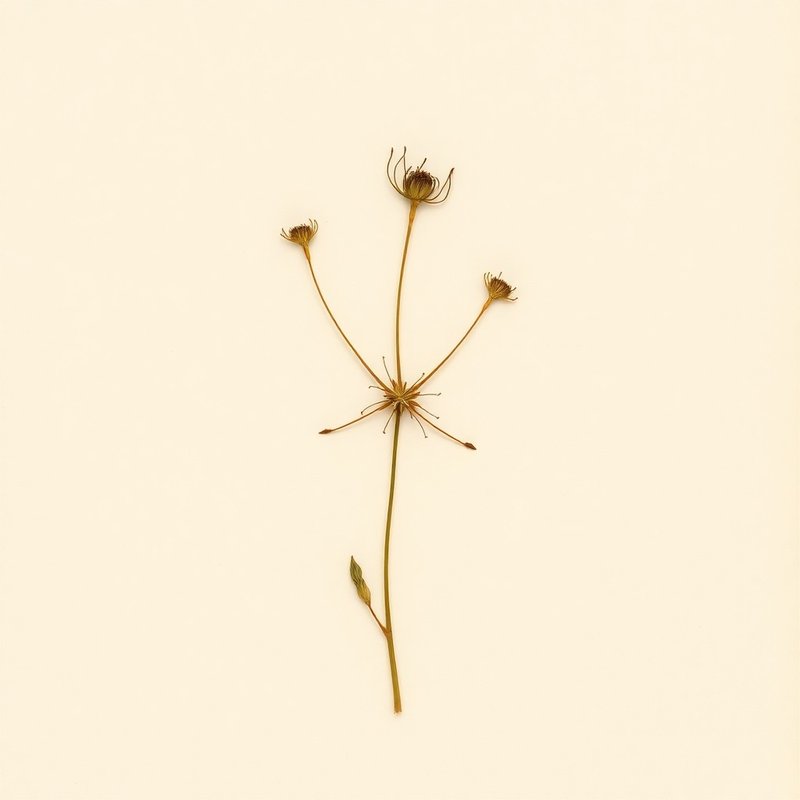
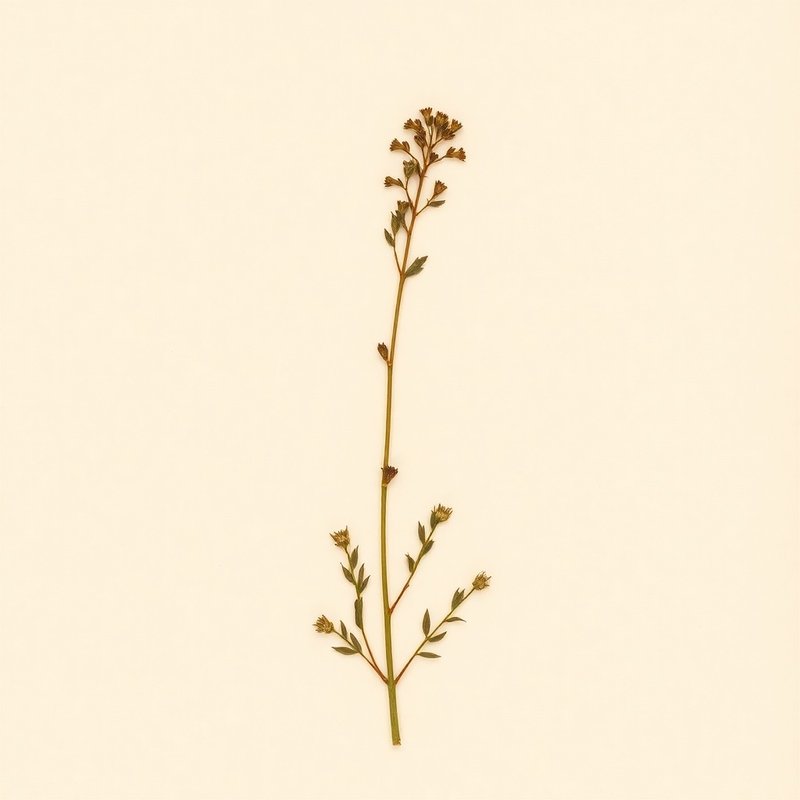
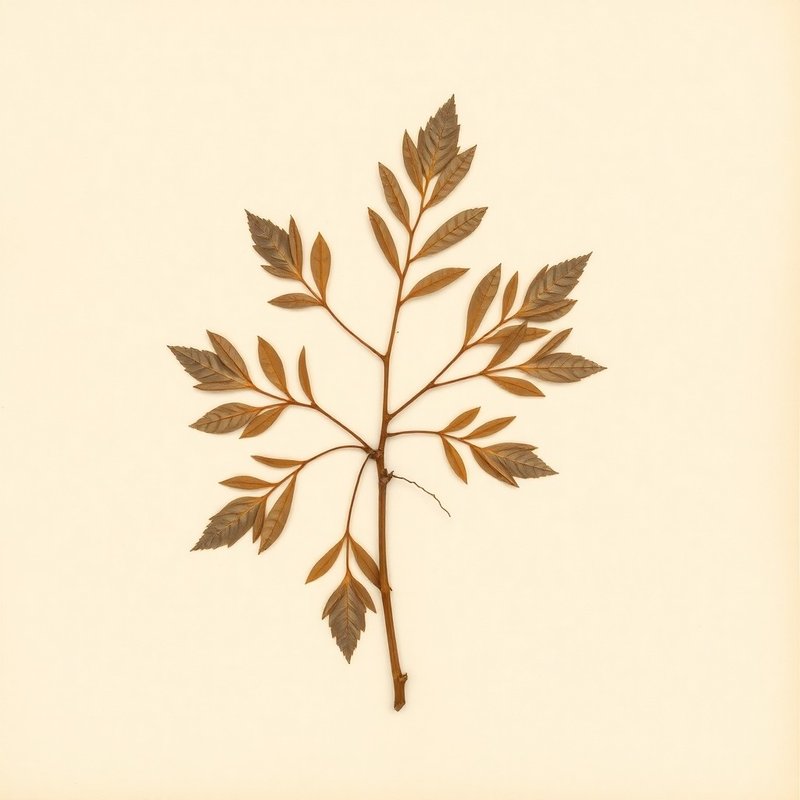
8 relatedPlants you might compare or use together — scored by shared family (Fabaceae), common use cases, and growing requirements.
same family · Fabaceae
Botanical relatives — often share phytochemistry + growing needs.
XI
Explore further
Companion planting
Compare with similar plants
Growing zone
Native to
XII
About this entry
- Last updated
- Citation
- How to cite this entry · Submit a correction
Back to the cataloguePlant id · 5eee0e82-73fa-4d71-aa7c-8ac75d3057a1
Decision aid
Choosing between Peanut and something else?
Continue reading
❦❦❦❦
Endpaper · archive updates
Get archive updates
Occasional email when substantial new content lands — plant profiles, seasonal growing notes, folk-remedy additions. Free, no tracking, unsubscribe anytime.
Newsletter returning soon.
We are rebuilding the update list around a lightweight editorial workflow. New dispatches will resume after the next content review cycle.