
Arbutus x andrachnoides
IOverview
Overview
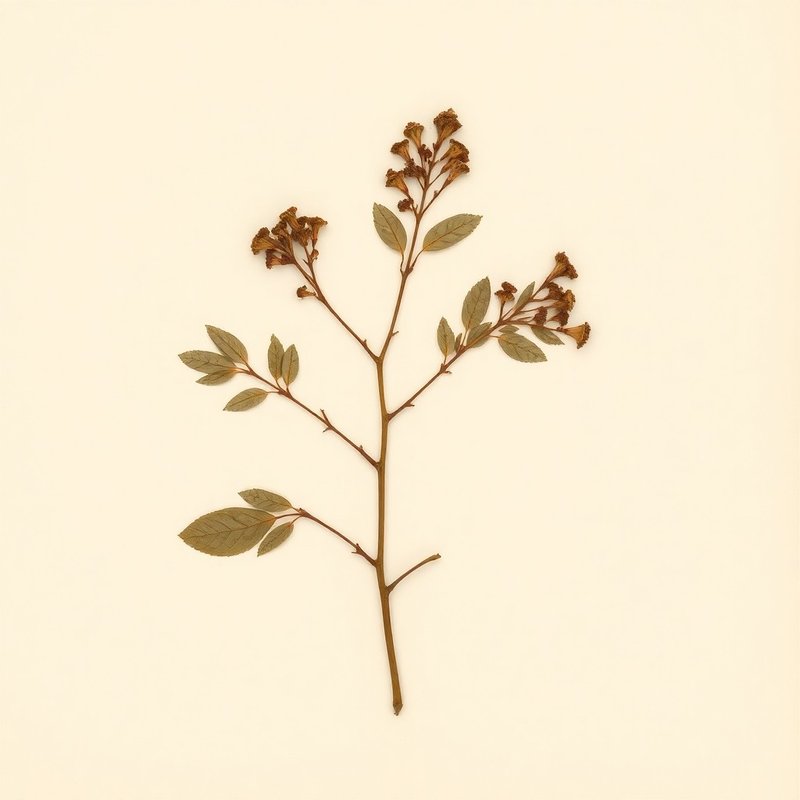
Arbutus x andrachnoides, a hybrid of Arbutus unedo and A. procera, is an evergreen shrub or small tree native to Cyprus and Turkey. This plant thrives in environments with full sun to partial shade and prefers soil that can be light (sandy), medium, or heavy (clay), with a preference for moist conditions. Hardy in zones 7-10, A. x andrachnoides can grow up to 10 meters tall, making it a notable presence in gardens and landscapes. The plant's attractive, leathery leaves remain green year-round, enhancing its ornamental value. The fruit of Arbutus x andrachnoides is edible and can be eaten raw or used in various preparations such as jams and preserves. Known for its edible fruit, the plant can be enjoyed in its natural habitat in Cyprus and Turkey, where it thrives in moist conditions with light to partial sun exposure. Its natural habitat supports its ability to grow well in similar conditions, making it a valuable addition to gardens in temperate regions. While the fruit is safe to consume, it is important to note that the plant does not have recognized medicinal properties. Its primary relevance lies in its ornamental and edible qualities, particularly in gardens and landscapes where it can provide a striking presence with its evergreen foliage and edible fruit.
What is Arbutus x andrachnoides?
Arbutus x andrachnoides, a hybrid of Arbutus unedo and A. procera, is an evergreen shrub or small tree native to Cyprus and Turkey. This plant thrives in environments with full sun to partial shade and prefers soil that can be light (sandy), medium, or heavy (clay), with a preference for moist conditions.
VCultivation
Cultivation
How to grow Arbutus x andrachnoides for the first time
Start with a simple planting of Skip to gain experience in caring for this unique plant.
- 1
What you'll need
A young Skip plant, well-draining soil, and a container or garden spot that gets partial sun.
- 2
Best time to plant
Plant Skip in spring when the weather is mild and stable.
- 3
Soil and container prep
Ensure your soil is light (sandy), medium, or heavy with good drainage. Containers should have holes for proper water flow.
- 4
Sowing or transplanting
Transplant a young Skip plant from its nursery pot to a larger container or directly into the garden bed.
- 5
First two weeks
Water regularly, keeping the soil moist but not soggy. Monitor for any signs of stress or pests.
- 6
Ongoing care
Provide partial sun and keep the soil consistently moist. Prune lightly to maintain shape if needed.
- 7
Harvest or pruning
Skip is primarily grown for its ornamental value, but you can prune it in late winter to early spring to encourage new growth.
- 8
Common mistakes
Overwatering, planting in full sun, and neglecting to provide proper drainage are common issues beginners should avoid.
VIEdible & utility
Edible & utility
VIIDistribution
2 native · 0 introduced
Distribution
2 native · 0 introducedIXSpecimen gallery
1 image
Specimen gallery
1 imageXSee also
8 related
See also
8 relatedPlants you might compare or use together — scored by shared family (Ericaceae), common use cases, and growing requirements.


Explore further
About this entry
- Last updated
- Citation
- How to cite this entry · Submit a correction
Continue reading
Get archive updates
Occasional email when substantial new content lands — plant profiles, seasonal growing notes, folk-remedy additions. Free, no tracking, unsubscribe anytime.